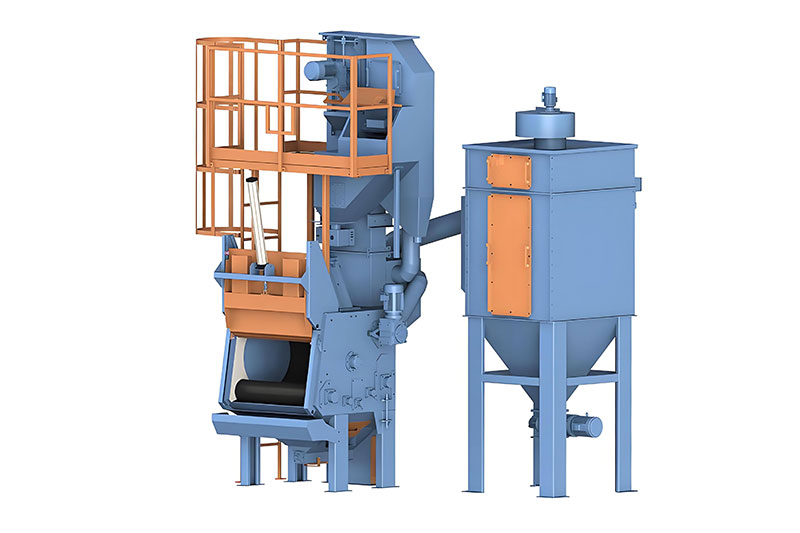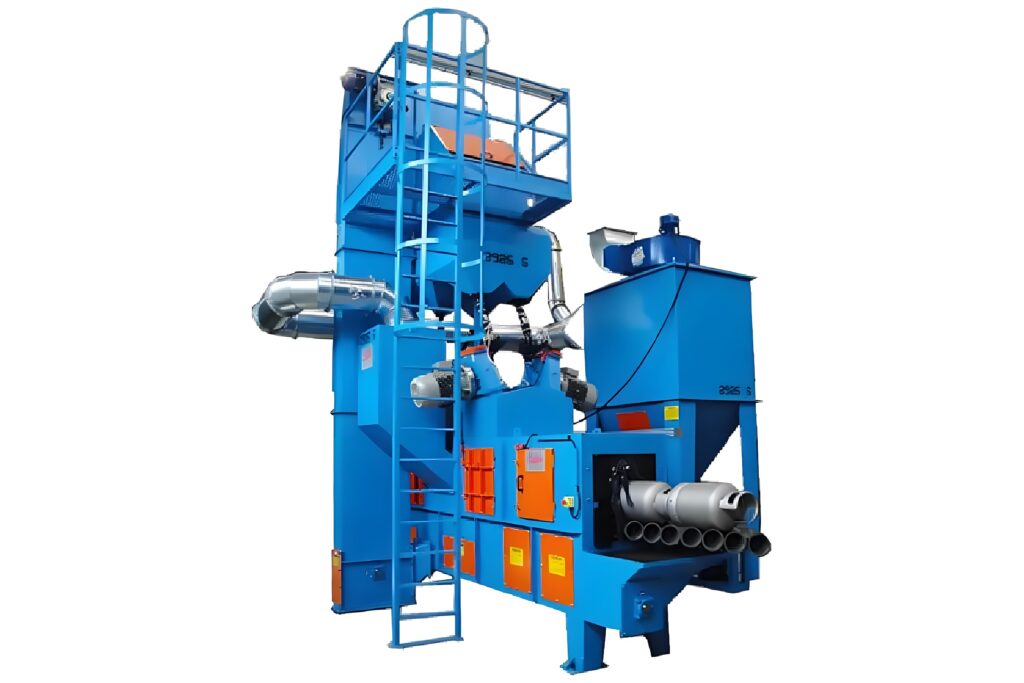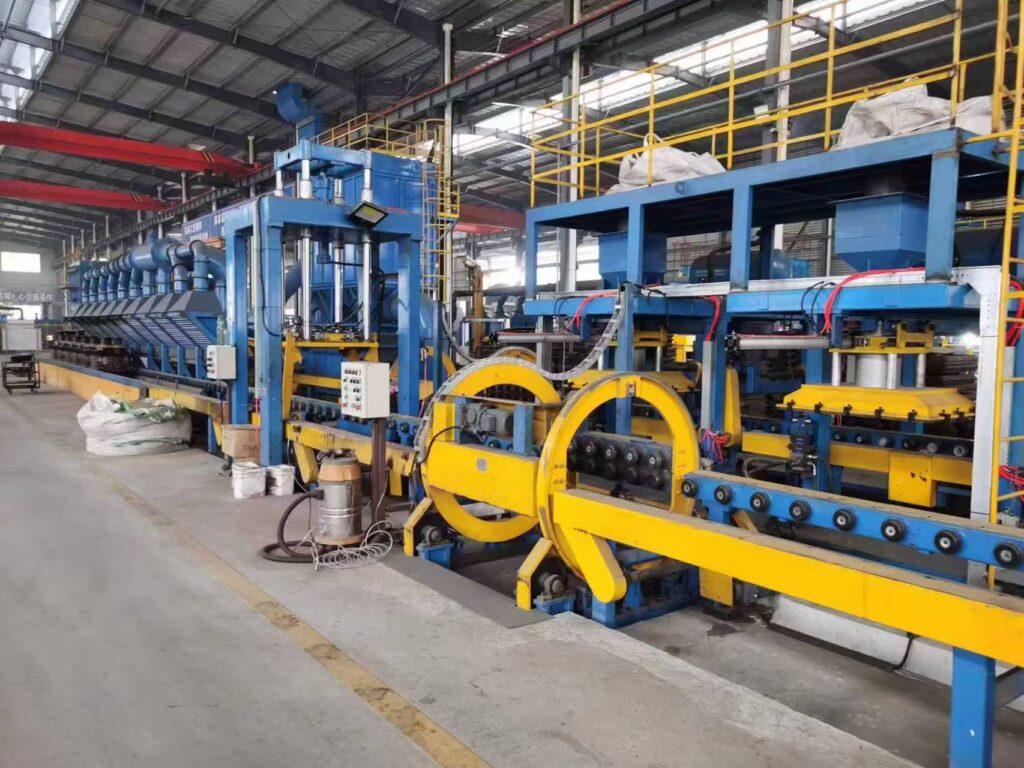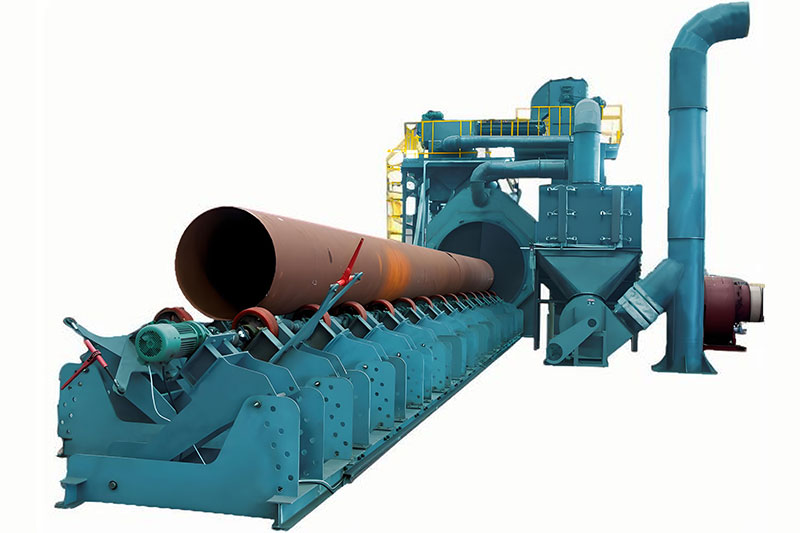
Wrong shot blaster causes explosion risks; pick explosion-proof models to ensure safe shot blasting with machine shot.
This guide lists core selection points for explosion-proof shot blaster, covering safety standards, machine shot matching, and shot blasting compliance for hazardous areas.
Learn full selection details to choose a safe explosion-proof shot blaster below.
Why Is Explosion-Proof Design Non-Negotiable for Shot Blaster Selection?
In flammable and explosive industrial environments, explosion-proof design is the most critical prerequisite for selecting a shot blaster, as ordinary equipment poses severe safety hazards during shot blasting.
- Dust generated by machine shot impact, flammable gas, or volatile substances in the working area can form explosive mixtures, and ordinary shot blaster’s electrical components, friction parts, or static electricity can easily ignite these mixtures, triggering fires or explosions. Such accidents not only damage the shot blaster and production lines but also cause serious casualties and huge property losses, leading to production suspension and regulatory penalties.
- Explosion-proof shot blaster is specially designed to eliminate all ignition sources, ensuring safe operation in hazardous zones during shot blasting. It prevents static accumulation, seals electrical parts, and uses spark-resistant materials to avoid igniting dust or gas mixtures.
Choosing an explosion-proof shot blaster is not only a safety requirement but also a compliance obligation, protecting workers, equipment, and ensuring uninterrupted, compliant shot blasting operations with machine shot.
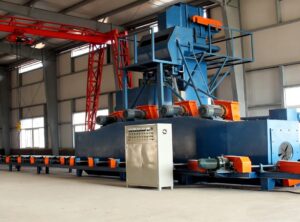
What Safety Certifications Must an Explosion-Proof Shot Blaster Have?
Valid safety certifications are the primary selection standard for explosion-proof shot blaster, proving the equipment meets explosion-proof requirements for shot blasting.
- Check international and regional explosion-proof certifications, such as ATEX, IECEx, or local national hazardous area certifications, which confirm the shot blaster is tested for use in explosive dust/gas environments. The certification should clearly mark the explosion-proof grade, applicable zone, and temperature class, matching the actual working environment of shot blasting.
- Verify electrical safety certifications for all components of the shot blaster, including motors, control panels, and sensors, as these are common ignition sources.
- Ensure the shot blaster has dust explosion-proof certifications, specifically for dust generated by machine shot during shot blasting, which is a key hazard in shot blasting operations.
Never select an explosion-proof shot blaster without complete certifications, as uncertified equipment cannot guarantee safety and will fail regulatory inspections. Valid certifications ensure the shot blaster is designed, manufactured, and tested to prevent explosions during machine shot handling and shot blasting.
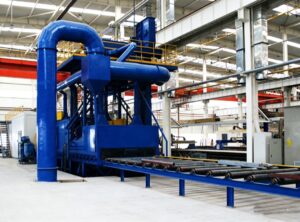
How to Match Explosion-Proof Shot Blaster with Machine Shot for Safe Operation?
Machine shot matching is a vital selection point for explosion-proof shot blaster, directly affecting safety and shot blasting quality in hazardous environments.
- Choose low-dust machine shot to reduce combustible dust accumulation during shot blasting, as excessive dust increases explosion risks. Avoid brittle, easily broken machine shot that generates large amounts of fine dust, which can form explosive mixtures around the shot blaster.
- Select conductive or anti-static machine shot to prevent static electricity buildup during shot blasting, a common ignition source in explosion-proof areas.
- Match machine shot size and hardness to the shot blaster’s explosion-proof design: oversized or overly hard machine shot increases friction and impact sparks, which are dangerous in explosive environments.
- Ensure the shot blaster’s machine shot conveying and storage system is fully sealed to contain dust and prevent static discharge.
Proper machine shot matching reduces dust generation, eliminates static risks, and allows the explosion-proof shot blaster to operate safely while maintaining efficient shot blasting. Regularly screen machine shot to remove worn particles, further lowering dust levels during shot blasting.
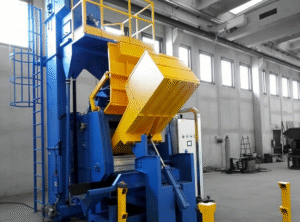
Core Structural Selection Points for Explosion-Proof Shot Blaster
The structural design of an explosion-proof shot blaster determines its safety performance during shot blasting, with several non-negligible core selection points.
- The entire electrical system of the shot blaster must be fully sealed and explosion-proof, including motors, switches, wiring, and control boxes, to prevent sparks from igniting explosive mixtures. All electrical components should be rated for the target hazardous zone where shot blasting occurs.
- The shot blaster’s inner chamber and machine shot contact parts must use spark-resistant materials, such as copper alloy or stainless steel, to avoid sparks from friction or impact between machine shot and equipment surfaces.
- Install a static elimination device on the shot blaster to discharge static generated during machine shot flow and shot blasting in real time.
- The dust removal system must be explosion-proof, with flame arresters and pressure relief devices to contain dust explosions.
The shot blaster should have a sealed structure to prevent dust leakage and maintain a safe internal environment for shot blasting. These structural features ensure the shot blaster eliminates all potential ignition sources during machine shot handling and shot blasting operations.
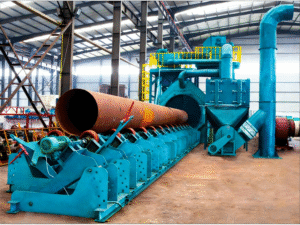
How to Select Explosion-Proof Grade Based on Shot Blasting Working Environment?
Selecting the correct explosion-proof grade according to the actual shot blasting environment is a key step to ensure the shot blaster matches operational needs.
- Classify the working environment: determine if it contains flammable gas, combustible dust (from machine shot), or both, and identify the hazard zone level (Zone 0/1/2 for gas, Zone 20/21/22 for dust). Shot blasting in dust hazard zones requires a dust explosion-proof shot blaster, while mixed gas and dust environments need a dual-certified model.
- Match the shot blaster’s explosion-proof grade to the highest hazard level present during shot blasting, never choosing a lower grade for cost savings.
- Consider the concentration of machine shot dust and flammable substances: higher concentrations require a higher-grade explosion-proof shot blaster.
- Account for environmental factors like temperature and humidity, which affect dust and gas volatility during shot blasting. Consulting a professional to assess the shot blasting environment ensures the selected shot blaster’s explosion-proof grade is fully compliant, eliminating safety risks during machine shot use and shot blasting.
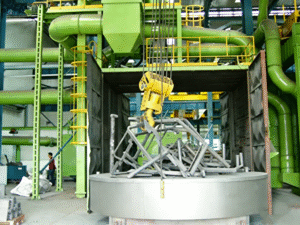
What Additional Safety Features to Prioritize in Explosion-Proof Shot Blaster Selection?
Beyond basic explosion-proof design, prioritizing additional safety features enhances the reliability of the shot blaster during shot blasting and machine shot handling.
- Select a shot blaster with a dust concentration monitoring system, which alerts operators when dust levels approach explosive limits and automatically adjusts shot blasting intensity or machine shot flow.
- Choose a model with an automatic fire extinguishing system, providing rapid suppression in case of a small ignition before it escalates.
- Pick a shot blaster with interlock safety devices: the machine stops automatically if the explosion-proof system, dust removal, or static elimination fails during shot blasting.
- Opt for an intelligent control panel that monitors machine shot levels, static levels, and equipment temperature in real time.
- Select a shot blaster with easy access for maintenance, as regular upkeep keeps explosion-proof components functional during long-term shot blasting.
These features add layers of protection, ensuring the explosion-proof shot blaster operates safely and stably, even during continuous machine shot use and high-intensity shot blasting.
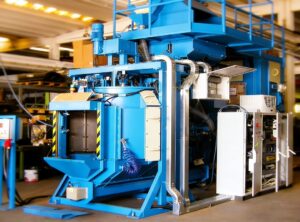
Common Selection Mistakes to Avoid for Explosion-Proof Shot Blaster
Many businesses make costly mistakes when selecting an explosion-proof shot blaster, compromising safety and compliance during shot blasting.
- The biggest mistake is choosing an ordinary shot blaster with minor modifications instead of a dedicated explosion-proof model, which cannot eliminate ignition sources from machine shot friction or electrical parts.
- Another error is ignoring certification validity, selecting a shot blaster with expired or fake certifications that fail safety inspections. Some buyers prioritize low cost over explosion-proof grade, choosing a model unsuitable for their shot blasting environment, creating severe explosion risks. Neglecting machine shot matching is also common, using high-dust or ungrounded machine shot that defeats the shot blaster’s explosion-proof design.
Additionally, skipping dust removal system compatibility checks leads to dust buildup, a major explosion hazard during shot blasting. Avoiding these mistakes ensures the selected explosion-proof shot blaster is safe, compliant, and capable of stable shot blasting with proper machine shot management.
Conclusion
Check certifications, structure, and environment to select safe explosion-proof shot blaster.
For customized explosion-proof shot blaster solutions,
email:[email protected]