Aluminum alloy shot blasting easily causes deformation and poor finish; proper shot blast methods solve these issues effectively.
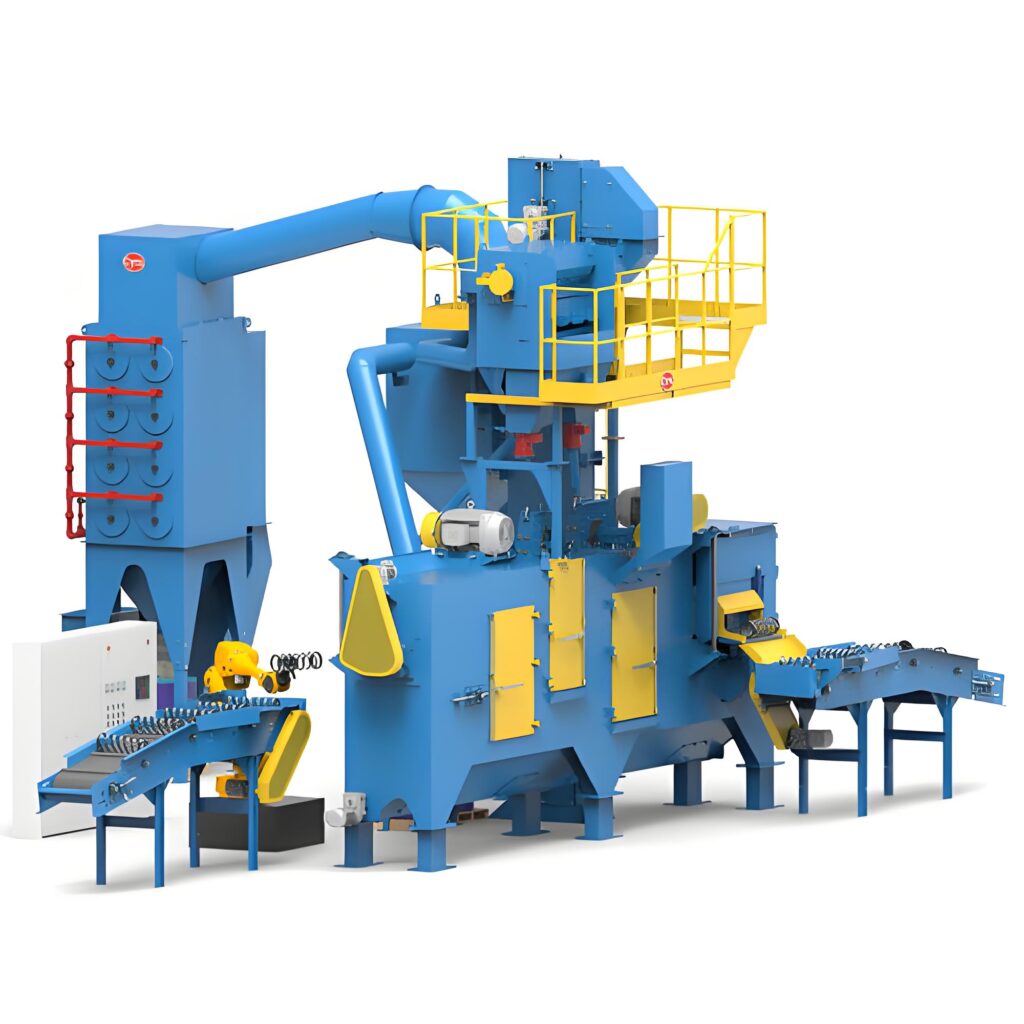
This guide shares aluminum alloy shot blasting tips, covering shot blasting machine, machine shot and shot blast to prevent deformation and control finish.
Master these practical skills to achieve high-quality aluminum alloy shot blasting.
How to Prevent Deformation in Aluminum Alloy Shot Blasting?
Aluminum alloy is lightweight and has low hardness, making it prone to deformation during shot blasting, so scientific control of the shot blasting machine and shot blast parameters is critical.
- Select the right shot blasting machine: choose a low-intensity shot blasting machine with adjustable blast power to avoid excessive impact. Adjust the shot blast intensity of the shot blasting machine to 0.15-0.25MPa, which balances cleaning effect and deformation prevention.
- Choose appropriate machine shot: use small, soft machine shot (such as aluminum shot or glass bead) with particle size 0.2-0.5mm, reducing impact force on aluminum alloy.
- Optimize shot blast angle and distance: set the shot blast angle of the shot blasting machine to 30-45 degrees and distance to 150-200mm, ensuring uniform shot blast without local over-impact.
- Fix workpieces firmly: use soft fixtures to avoid clamping deformation, and ensure uniform force during shot blasting. These measures effectively prevent aluminum alloy deformation, ensuring shot blasting quality while protecting workpieces.
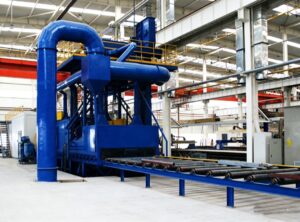
How to Control Surface Finish in Aluminum Alloy Shot Blasting?
Controlling surface finish in aluminum alloy shot blasting requires precise matching of shot blasting machine parameters, machine shot selection and shot blast operation.
- Adjust the shot blasting machine’s speed: control the impeller speed at 1200-1500rpm to ensure machine shot impacts the surface evenly without scratching.
- Select high-quality machine shot: choose round, smooth machine shot with uniform particle size to avoid uneven surface caused by irregular particles.
- Optimize shot blast time: control shot blast time at 30-60 seconds per piece, preventing over-shot blasting that reduces finish.
- Post-shot blast treatment: use compressed air to blow off residual machine shot on the surface, and polish slightly if needed. Regularly maintain the shot blasting machine, clean machine shot and replace worn parts to ensure stable shot blast effect. These steps ensure aluminum alloy shot blasting achieves the required, meeting product quality standards.
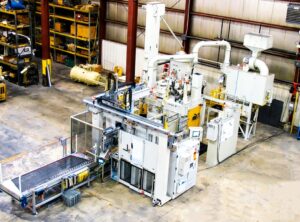
Why Is Machine Shot Selection Critical for Aluminum Alloy Shot Blasting?
Machine shot is a core factor affecting aluminum alloy shot blasting deformation and finish, so selecting the right machine shot is essential for high-quality shot blasting.
- Aluminum alloy’s soft texture requires machine shot with moderate hardness and proper particle size—too hard machine shot (such as steel shot) will cause deformation and surface scratches, while too soft machine shot cannot achieve effective cleaning. Opt for machine shot made of aluminum, glass or plastic, which have hardness matching aluminum alloy.
- The particle size of machine shot directly affects finish: small machine shot (0.2-0.5mm) creates a smooth surface, while large machine shot (above 0.8mm) causes rough surfaces.
Additionally, machine shot must be clean and dry—damp or contaminated machine shot clumps, leading to uneven shot blast and poor finish. Regularly screen machine shot to remove broken particles and impurities, ensuring only qualified machine shot is used in the shot blasting machine. Proper machine shot selection not only prevents deformation but also ensures consistent surface finish, laying a foundation for high-quality aluminum alloy shot blasting.
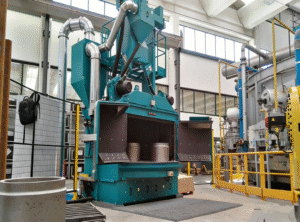
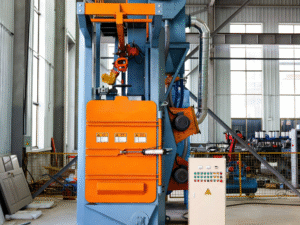
How to Optimize Shot Blasting Machine Parameters for Aluminum Alloy Shot Blasting?
The shot blasting machine’s parameters directly determine the effect of aluminum alloy shot blasting, so optimizing these parameters is key to preventing deformation and controlling finish.
- Adjust shot blast intensity: aluminum alloy requires lower intensity (0.15-0.25MPa) compared to steel workpieces, so set the shot blasting machine’s pressure accordingly to avoid excessive impact.
- Control shot flow rate: adjust the machine shot supply of the shot blasting machine to 5-8kg/min, ensuring uniform shot blast without local accumulation.
- Optimize impeller speed: set the impeller speed of the shot blasting machine to 1200-1500rpm, balancing impact force and finish—higher speed increases deformation risk, while lower speed reduces cleaning effect.
- Adjust conveying speed: set the shot blasting machine’s conveying speed to 0.5-1m/min, ensuring each part of the aluminum alloy workpiece receives sufficient shot blast without over-processing.
Regularly calibrate the shot blasting machine’s parameters to ensure stability, and adjust according to workpiece thickness and size. Optimized shot blasting machine parameters ensure efficient, high-quality shot blasting, avoiding deformation and ensuring ideal finish.
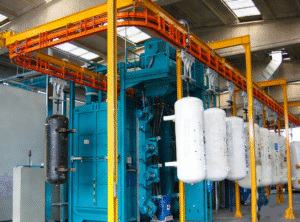
What Are the Common Mistakes to Avoid in Aluminum Alloy Shot Blasting?
Many enterprises make common mistakes in aluminum alloy shot blasting, leading to deformation and poor finish, so avoiding these mistakes is critical.
- Using the wrong machine shot: choosing hard, large machine shot causes deformation and scratches, which is a common error in shot blasting.
- Setting excessive shot blast intensity: blindly increasing the shot blasting machine’s intensity to speed up cleaning leads to serious deformation.
- Improper workpiece fixing: using hard fixtures or loose clamping causes deformation during shot blast. Fourth, neglecting shot blasting machine maintenance: worn shot blasting machine parts lead to uneven shot blast, affecting finish.
- Over-shot blasting: prolonged shot blast time damages the aluminum alloy surface, reducing finish. Avoiding these mistakes requires scientific selection of machine shot, reasonable adjustment of shot blast parameters, proper workpiece fixing and regular shot blasting machine maintenance. These measures ensure smooth shot blasting, preventing deformation and ensuring consistent surface finish.
How to Maintain Consistency in Aluminum Alloy Shot Blasting Quality?
Maintaining consistent quality in aluminum alloy shot blasting requires standardized operation, regular maintenance and strict quality control.
- Establish standardized shot blast procedures: clarify shot blasting machine parameters, machine shot selection, shot blast time and workpiece fixing methods, ensuring all operators follow the same standards.
- Regularly maintain the shot blasting machine: clean the machine interior, screen machine shot, replace worn blast wheels and nozzles, and calibrate parameters to ensure stable shot blast effect.
- Conduct regular quality inspections: check workpiece deformation and surface finish after shot blasting, adjust shot blasting machine parameters or machine shot if needed.
- Train operators: ensure operators master the use of the shot blasting machine, machine shot selection and shot blast skills, avoiding improper operation.
Additionally, record shot blast parameters and quality results, summarizing experience to optimize the shot blast process. By implementing these measures, enterprises can maintain consistent aluminum alloy shot blasting quality, meeting product requirements stably.
Conclusion
Optimize shot blasting machine and machine shot to control aluminum alloy shot blast deformation and finish.
For professional aluminum alloy shot blasting advice,
contact us via email: [email protected]