Steel structure shot blasting inefficiency causes delays; this guide provides efficient shot blaster and machine shot matching solutions.
This guide details efficient shot blasting solutions for steel structures, covering shot blaster selection, machine shot matching and process optimization to boost shot blasting efficiency.
Explore core solutions to achieve efficient, high-quality shot blasting for steel structures below.
How to Select the Right Shot Blaster for Efficient Steel Structure Shot Blasting?
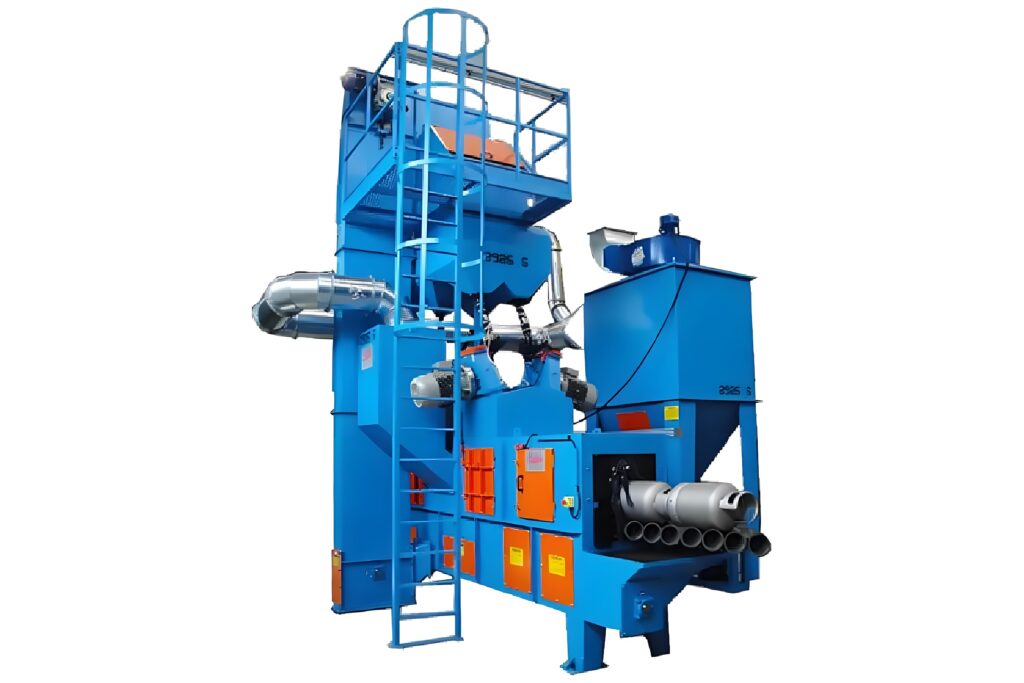
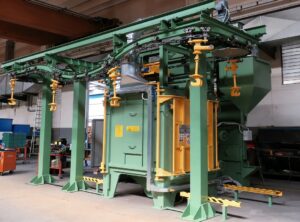
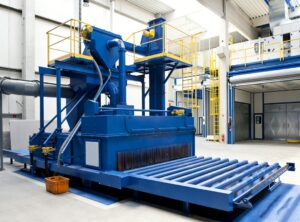
Selecting a suitable shot blaster is the foundation of an efficient steel structure shot blasting solution, as the right equipment directly determines shot blasting speed, quality, and overall efficiency. Steel structures are usually large, heavy, and have large surface areas, so gantry-type or overhead rail shot blasters are preferred—these shot blasters can cover large steel structure surfaces evenly, support continuous operation, and reduce manual intervention.
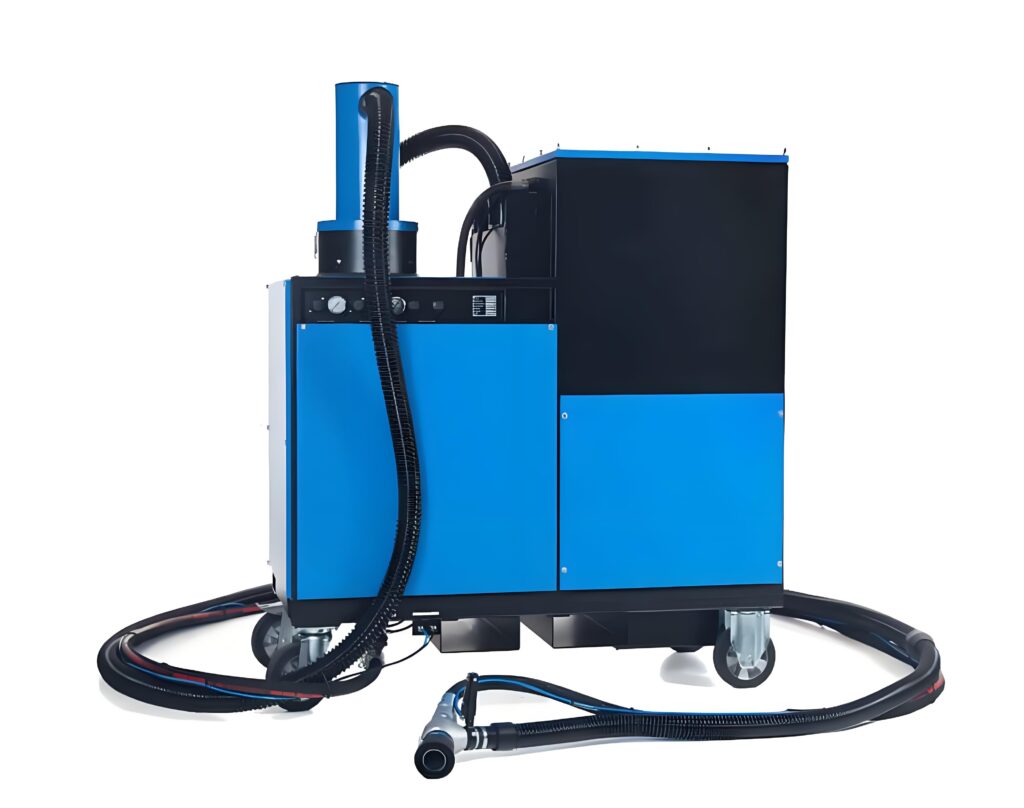
- For small to medium-sized steel structures (such as steel beams, columns), a mobile shot blaster is more flexible, allowing on-site shot blasting without moving the workpiece, saving transportation time. When selecting a shot blaster, focus on its power, shot flow rate, and automation level: choose a shot blaster with adjustable impeller speed (1500-1800rpm) and large machine shot flow (200-300kg/min) to ensure thorough shot blasting in a short time.
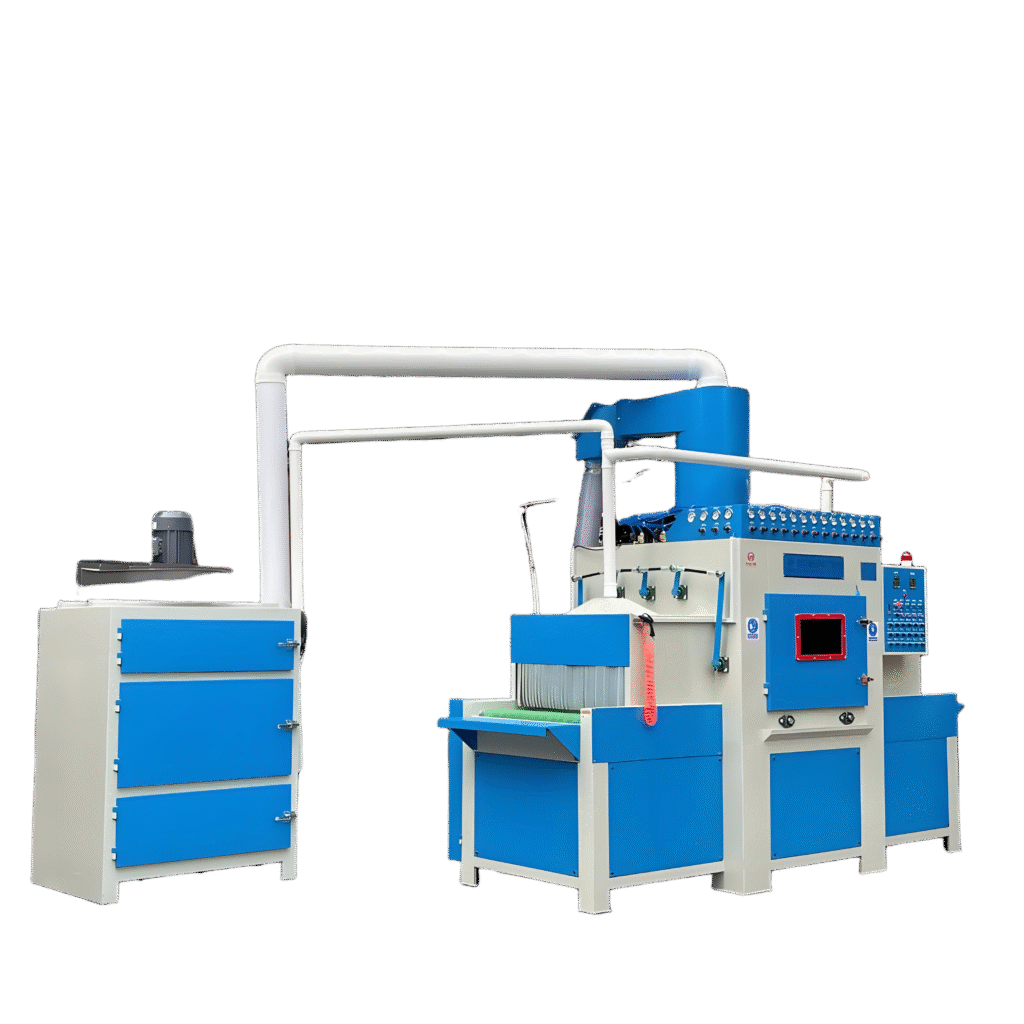
- Additionally, select a shot blaster with automatic machine shot recycling and dust removal systems to reduce material waste and environmental pollution, further improving the efficiency of shot blasting operations. Avoid using small, fixed shot blasters that are only suitable for small workpieces, as they will significantly reduce steel structure shot blasting efficiency and increase labor costs.
How to Match Machine Shot for Efficient Steel Structure Shot Blasting?
Machine shot is a critical consumable for steel structure shot blasting, and proper matching is key to improving shot blasting efficiency and quality while reducing costs. Steel structures require shot blasting to remove rust, oxide scales, and welding residues, so machine shot should be selected based on the steel structure’s material, thickness, and surface requirements.
- For ordinary carbon steel structures (such as Q345 steel), spherical steel shot with a particle size of 1.2-1.5mm and hardness of HRC 40-50 is ideal—its round shape ensures uniform impact, avoiding excessive damage to the steel surface while achieving efficient cleaning.
- For thick steel structures with heavy rust, mix steel shot with steel grit (ratio 7:3) to enhance shot blasting intensity and speed up rust removal. Avoid using oversized machine shot, which increases shot blaster load and energy consumption; avoid undersized machine shot, which requires longer shot blasting time to achieve the desired effect.
Additionally, use high-quality, reusable machine shot and maintain the shot blaster’s recycling system to reduce machine shot consumption—this not only cuts costs but also ensures continuous shot blasting, avoiding downtime caused by insufficient machine shot supply.
How to Optimize the Shot Blasting Process for Steel Structures to Improve Efficiency?
Optimizing the shot blasting process is essential to maximize efficiency, as improper process settings often lead to redundant operations, low efficiency, and uneven shot blasting quality.
- Pre-process the steel structure: remove large welding spatter, debris, and oil stains before shot blasting—this reduces the shot blaster’s load and avoids blocking the machine shot pipelines, ensuring smooth shot blasting.
- Adjust shot blasting parameters: set the shot blaster’s nozzle angle to 45-60° relative to the steel structure surface, and keep the distance at 200-300mm to ensure uniform shot blasting coverage. Adjust the shot blaster’s moving speed (0.5-1m/min) according to the steel structure’s rust thickness—thicker rust requires slower speed for thorough cleaning.
- Adopt a segmented shot blasting method: divide large steel structures (such as bridge steel frames, building steel structures) into multiple zones and shot blast each zone sequentially, ensuring consistent parameters and avoiding missed or repeated shot blasting.
- Post-process in a timely manner: after shot blasting, promptly clean the steel structure surface to remove residual machine shot and debris, and apply anti-corrosion coating within 4 hours to prevent re-rusting—this avoids rework and improves the overall efficiency of the steel structure processing process.
How to Maintain Shot Blasting Equipment to Ensure Continuous Efficient Operation?
Regular maintenance of shot blasting equipment (including shot blasters and auxiliary systems) is crucial to avoid unexpected downtime and ensure continuous efficient shot blasting for steel structures.
- Inspect and replace worn parts regularly: components such as shot blaster nozzles, impellers, and linings wear quickly during shot blasting—worn nozzles reduce machine shot output and uniformity, while worn impellers affect shot acceleration. Check these parts weekly and replace them when wear exceeds 10% to maintain the shot blaster’s performance.
- Clean and maintain the machine shot recycling system: regularly clean the recycling pipelines, filters, and hoppers to remove machine shot residues and impurities, avoiding blockages. Check the recycling system’s conveyor belt and motor regularly to ensure smooth operation.
- Lubricate moving parts: lubricate the shot blaster’s impeller bearings, conveyor chains, and other moving parts with anti-wear lubricating oil every 2 weeks to reduce friction, lower energy consumption, and extend equipment service life.
- Inspect the dust removal system: clean the dust filter regularly to ensure good dust removal effect, avoid dust accumulation affecting the shot blaster’s operation, and protect the working environment and operators’ health. Regular maintenance can reduce shot blaster fault rates by 60% or more, ensuring continuous efficient shot blasting for steel structures.
How to Solve Common Efficiency Issues in Steel Structure Shot Blasting?
Even with a well-designed shot blasting solution, common efficiency issues may still occur during steel structure shot blasting—timely solutions are essential to maintain efficiency.
- One common issue is uneven shot blasting: this is usually caused by incorrect nozzle angle, uneven machine shot flow, or worn shot blaster parts. To solve this, adjust the nozzle angle and distance, check and adjust the machine shot flow, and replace worn parts.
- Another issue is frequent machine shot blockage: this is often due to damp or contaminated machine shot, or blocked pipelines. Solution: dry and filter machine shot before use, clean the pipelines regularly, and install anti-blocking devices. A third issue is low shot blaster power: this may be caused by insufficient power supply, worn impellers, or excessive machine shot load. Check the power supply, replace worn impellers, and adjust the machine shot flow to match the shot blaster’s capacity.
Additionally, train operators to master correct operation methods to avoid improper operation leading to efficiency issues. By solving these common problems promptly, you can ensure the shot blasting process remains efficient and stable, meeting the needs of steel structure mass production.
Conclusion
Proper shot blaster, machine shot matching and process optimization ensure efficient steel shot blasting.
For professional advice on steel structure shot blasting solutions and shot blaster selection,
contact us via email: [email protected]