
การเตรียมผิวภายในท่อที่ไม่ดีส่งผลให้เกิดการกัดกร่อน; เครื่องยิงระเบิดที่ได้รับการปรับแต่งช่วยให้เกิดผลกระทบจากการกัดกร่อนในระยะยาว.
คู่มือนี้ให้รายละเอียดเกี่ยวกับการออกแบบเครื่องทำความสะอาดท่อผนังภายใน/ภายนอกสำหรับการเตรียมผิวกันการกัดกร่อนในท่อระยะไกล ปรับปรุงประสิทธิภาพและคุณภาพการยิงระเบิด.
สำรวจองค์ประกอบการออกแบบหลักของเครื่องทำความสะอาดท่อระดับมืออาชีพด้านล่าง.
ลักษณะการออกแบบโครงสร้างหลักที่จำเป็นสำหรับเครื่องยิงระเบิดผนังภายในท่อคืออะไร?
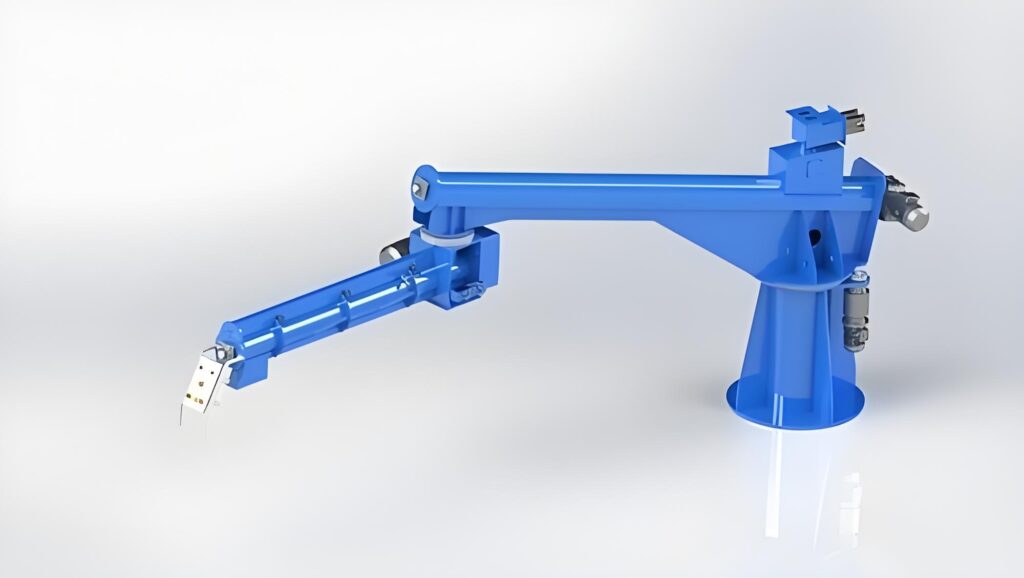
การออกแบบโครงสร้างของเครื่องยิงระเบิดผนังภายใน/ภายนอกสำหรับท่อระยะไกลต้องให้ความสำคัญกับความสามารถในการปรับตัว ประสิทธิภาพ และเสถียรภาพ. สิ่งแรกที่เป็นส่วนประกอบหลักคือแขนยิงระเบิดแบบยืดได้, ซึ่งต้องยืดได้ 50-100 เมตรเพื่อให้ครอบคลุมความยาวทั้งหมดของท่อระยะไกลในขณะเดียวกันต้องรักษาระยะห่างที่สม่ำเสมอจากผนังภายในเพื่อให้แน่ใจว่ามีการยิงระเบิดที่สม่ำเสมอ แขนควรมีข้อต่อที่ยืดหยุ่นเพื่อหลบเลี่ยงการเลี้ยวเล็กน้อยในท่อโดยไม่ทำให้ติด. ประการที่สอง ระบบการจ่ายสารกัดจะต้องใช้ลมที่มีแรงดันสูงในการขนส่งเศษเหล็กหรือเศษเหล็กที่มีการไหลที่เสถียรที่ 200-300 กก./นาที, ป้องกันการอุดตันที่อาจรบกวนกระบวนการยิงระเบิด. ประการที่สาม โครงของเครื่องจะต้องนำการออกแบบโมดูลาร์มาใช้, ทำให้สะดวกต่อการถอดชิ้นส่วนและขนส่งไปยังสถานที่ก่อสร้าง ซึ่งเป็นสิ่งสำคัญสำหรับการเตรียมท่อในสถานที่. นอกจากนี้ การรวมระบบการเชื่อมต่อแบบรวดเร็วช่วยให้ผู้ปฏิบัติงานสามารถประกอบเครื่องทำความสะอาดท่อได้ในเวลาสั้น ๆ ลดเวลาในการหยุดทำงานระหว่างโครงการ. การออกแบบโครงสร้างยังต้องรวมกรอบป้องกันเพื่อป้องกันการกระเด็นของสารกัดและการรั่วไหลของฝุ่นระหว่างการยิงระเบิด โดยรับประกันการปฏิบัติตามมาตรฐานสิ่งแวดล้อม คุณสมบัติทางโครงสร้างเหล่านี้รวมกันทำให้ เครื่องยิงระเบิดผนังภายใน/ภายนอกของท่อ สามารถจัดการกับความท้าทายที่ไม่เหมือนใครในการบำบัดผนังภายในท่อระยะไกล ส่งมอบการกำจัดสนิมและตะกรันอย่างทั่วถึงซึ่งมีความสำคัญต่อการยึดติดของการเคลือบกันการกัดกร่อนในขั้นตอนถัดไป.
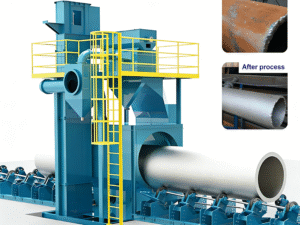
จะปรับแต่งพารามิเตอร์การยิงระเบิดอย่างไรสำหรับการบำบัดผนังภายในท่อระยะไกล?
การปรับแต่งพารามิเตอร์การยิงระเบิดเป็นขั้นตอนสำคัญเพื่อให้เครื่องทำความสะอาดท่อบรรลุผลลัพธ์การเตรียมผิวกันการกัดกร่อนที่เหมาะสมสำหรับท่อระยะไกล สิ่งแรกคือการเลือกสารกัดมีความสำคัญ: สำหรับท่อที่มีสนิมและตะกรันหนา การใช้เศษเหล็กแบบมีมุม (1.0-1.5 มม.) ที่มีแรงกระแทกที่แข็งแกร่ง นอกจากนี้เศษเหล็กกลม (0.8-1.2 มม.) เหมาะสำหรับท่อที่ต้องการพื้นผิวที่เรียบหลังจากการยิงระเบิด ความแข็งของสารกัดควรอยู่ที่ HV 450-550 เพื่อรักษาความสมดุลระหว่างประสิทธิภาพการทำความสะอาดและการป้องกันผนังท่อ หลีกเลี่ยงการยิงระเบิดมากเกินไปที่อาจทำให้ผนังท่อบางลง. ประการที่สอง แรงดันการยิงระเบิดต้องปรับตามเส้นผ่านศูนย์กลางของท่อสำหรับท่อขนาดใหญ่ (≥1000 มม.) แรงดัน 0.7-0.9MPa จะช่วยให้ครอบคลุมอย่างทั่วถึง ขณะที่ท่อขนาดเล็ก (≤500 มม.) ต้องการแรงดันที่ต่ำกว่า (0.5-0.7MPa) เพื่อป้องกันการสะสมของสารกัดในมุมตาย. Third, the rotation speed of the shot blasting arm should be synchronized with the machine’s forward speed; a rotation speed of 10-15 rpm and forward speed of 0.2-0.5m/min ensures each area of the pipe inner wall is blasted 3-5 times, meeting the Sa2.5 anti-corrosion standard. Additionally, real-time monitoring of shot blasting parameters via sensors helps operators adjust pressure and flow rate promptly if inconsistencies are detected during shot blasting. Proper parameter optimization not only improves the cleaning quality of the Pipe Inner/Outer Wall Shot Blast Cleaning Machine but also reduces abrasive consumption by 15-20%, lowering operational costs for long-distance pipeline projects.
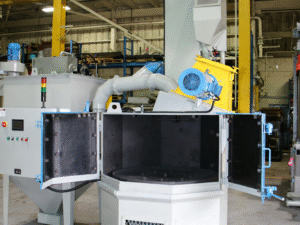
How to Integrate Dust Removal and Abrasive Recovery Systems into Pipe Inner Wall Shot Blasting Machines?
Integrating efficient dust removal and abrasive recovery systems is indispensable for Pipe Inner/Outer Wall Shot Blast Cleaning Machines used in long-distance pipeline pretreatment, as it ensures environmental compliance and cost-effectiveness. First, the dust removal system should adopt a two-stage filtration process: a primary cyclone separator to capture large abrasive particles and a secondary HEPA filter to trap fine dust, achieving a dust removal efficiency of over 99%. This system prevents dust from escaping into the atmosphere during shot blasting, protecting workers’ health and meeting strict industrial emission standards. Second, the abrasive recovery system must use a vacuum suction mechanism to collect used abrasives from the bottom of the pipeline, separating reusable abrasives from debris and dust via a vibration sieve. The recovered abrasives can be reused up to 50 times, significantly reducing abrasive procurement costs for large-scale pipeline projects. The system should also be equipped with a level sensor to monitor abrasive levels in the storage tank, automatically refilling the shot blasting arm to maintain consistent flow. For on-site construction, the dust removal and recovery systems should be mounted on a mobile platform, allowing them to move in tandem with the Pipe Cleaning Machine as it processes long-distance pipelines. This integration not only enhances the environmental performance of the shot blasting operation but also improves the overall efficiency of the Pipe Inner/Outer Wall Shot Blast Cleaning Machine, minimizing downtime for abrasive refills and dust disposal.
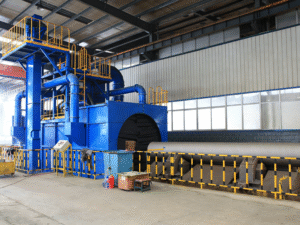
What On-Site Adaptability Design Improvements Are Needed for Pipe Inner Wall Shot Blasting Machines?
On-site adaptability is a crucial design consideration for Pipe Inner/Outer Wall Shot Blast Cleaning Machines used in long-distance pipeline anti-corrosion pretreatment, as these projects are often conducted in remote or harsh environments. First, the machine should be powered by both electric and diesel engines, allowing it to operate in areas without access to grid electricity. The diesel engine should be energy-efficient and low-emission to meet environmental requirements for outdoor construction. Second, the machine’s control system should include a remote operation module, enabling operators to control the shot blasting process from a safe distance of 50-100 meters, avoiding exposure to dust and noise. The remote module should display real-time data such as shot blasting pressure, abrasive flow rate, and arm position, facilitating quick adjustments if issues arise during shot blasting. Third, the machine should be equipped with a self-leveling mechanism to maintain stability on uneven construction sites, preventing the shot blasting arm from deviating and causing uneven cleaning. Additionally, the Pipe Cleaning Machine should be compatible with different pipeline materials, including carbon steel, stainless steel, and ductile iron, by adjusting shot blasting parameters and abrasive types without major structural modifications. For underwater pipeline projects, a waterproof enclosure can be added to protect the machine’s electrical components. These on-site adaptability design improvements ensure the Pipe Inner/Outer Wall Shot Blast Cleaning Machine can perform reliably in diverse working conditions, making it a versatile solution for long-distance pipeline anti-corrosion pretreatment.
บทสรุป
Scientific design ensures pipe inner wall shot blasting machines meet long-distance pipeline needs.
 Thai
Thai  English
  Russian
  Spanish
  Portuguese
  French
  Indonesian