Wasted machine shot increases costs and pollutes; recycling in shot blasters cuts expenses and supports green production.
This guide details machine shot recycling for shot blasting, covering shot blaster and blasting machine optimization to achieve green, cost-effective production.
Explore practical recycling methods to turn waste machine shot into green cost savings.
Why Is Machine Shot Recycling Essential for Green and Cost-Effective Shot Blasting?
In shot blasting operations, machine shot is a critical consumable, and its excessive waste not only increases production costs but also causes serious environmental pollution—making machine shot recycling an essential part of green and cost-effective shot blasting.
- Traditional shot blasting processes often discard used machine shot directly, leading to high consumption: a single shot blaster or blasting machine can consume hundreds of kilograms of machine shot daily, which adds up to significant costs over time. Moreover, discarded machine shot, if not properly handled, will pollute soil and water sources, violating environmental protection regulations and bringing potential fines to enterprises.
- In contrast, machine shot recycling transforms waste into resources: usable machine shot particles are separated from impurities and reused in shot blasting, reducing the need for new machine shot purchases by 60%-80%. This not only cuts consumable costs but also reduces waste discharge, supporting green production.
For enterprises using a shot blaster or blasting machine, machine shot recycling is not just a cost-saving measure but also a social responsibility. It aligns with the global trend of environmental protection while improving economic benefits, making it a win-win solution for both enterprises and the environment. Without effective machine shot recycling, shot blasting operations will remain high-cost and environmentally unfriendly, affecting long-term development.
How to Design an Effective Machine Shot Recycling System for Shot Blasters?
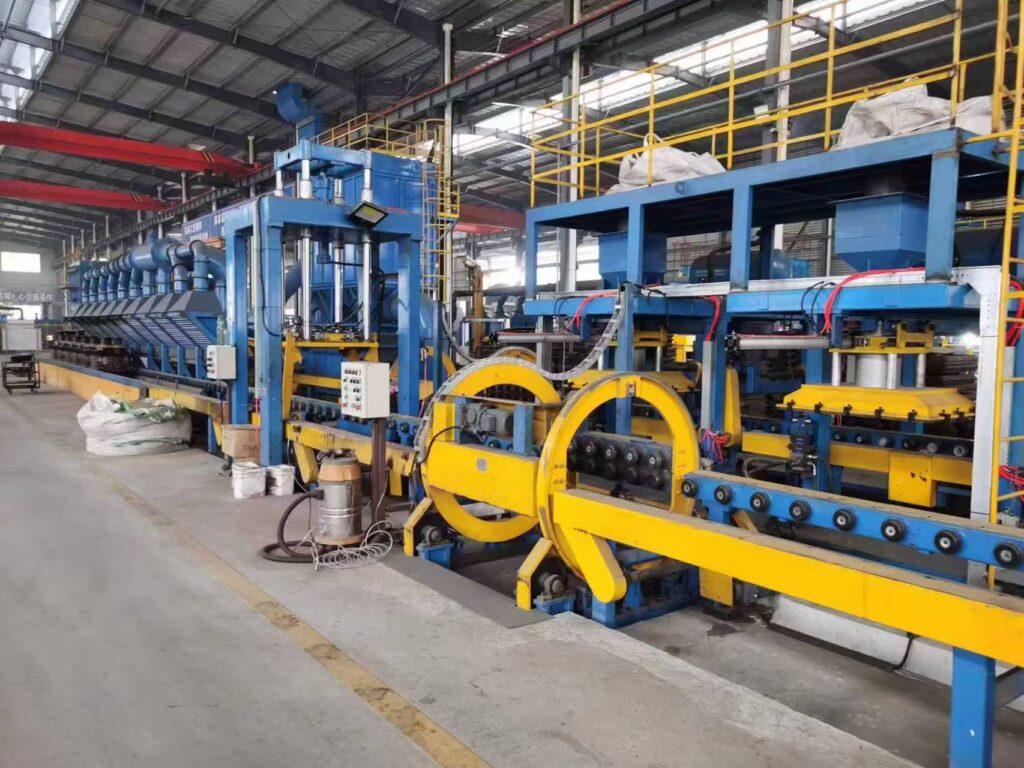
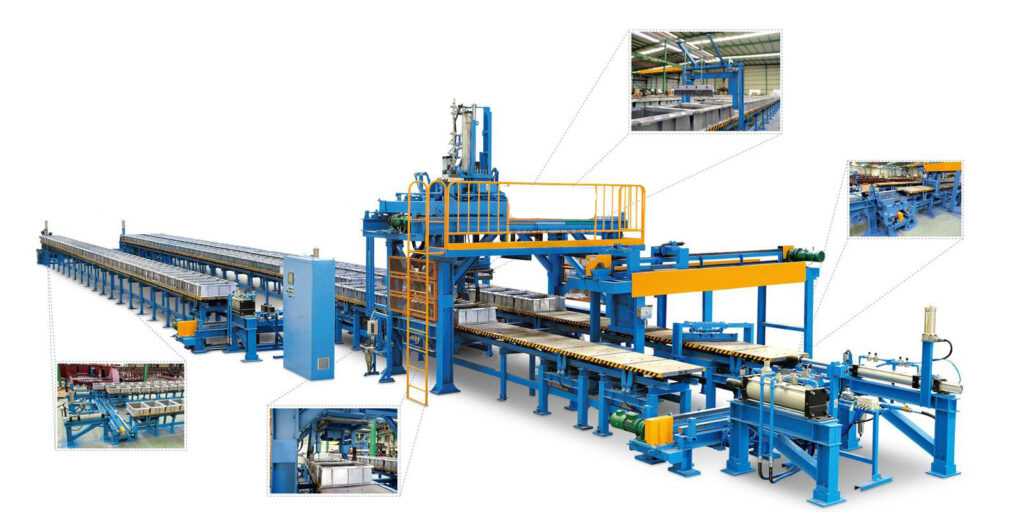
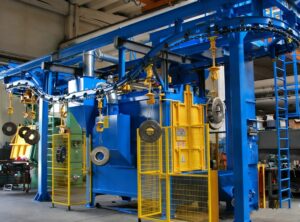
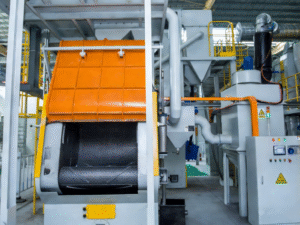
Designing a scientific and efficient machine shot recycling system is the foundation of successful shot blasting abrasive recycling, and it must be closely matched with the shot blaster or blasting machine. The core components of a recycling system include a collection hopper, conveyor system, screening device, and storage silo—each playing a key role in ensuring smooth recycling.
- The collection hopper, installed at the bottom of the shot blaster or blasting machine, collects used machine shot and debris generated during shot blasting. The hopper should be designed with a slope to avoid machine shot accumulation and ensure smooth feeding to the conveyor system.
- The conveyor system (such as a screw conveyor or belt conveyor) transports the mixed machine shot and debris from the hopper to the screening device. It is crucial to choose a conveyor that is wear-resistant, as machine shot is abrasive and can damage ordinary conveyors over time.
- The screening device is the core of the recycling system: it separates usable machine shot from impurities (such as dust, metal debris, and broken machine shot particles). A multi-layer screen is recommended, with different mesh sizes to classify machine shot by particle size, ensuring only qualified machine shot is reused in the shot blaster or blasting machine.
Finally, the storage silo stores the recycled machine shot, which is then automatically fed back to the shot blaster or blasting machine for shot blasting. The entire system should be sealed to prevent dust leakage and machine shot loss, ensuring environmental protection and recycling efficiency. A well-designed recycling system can maximize machine shot reuse, reduce waste, and lower costs for shot blasting operations.
How to Optimize Shot Blaster and Blasting Machine for Better Machine Shot Recycling?
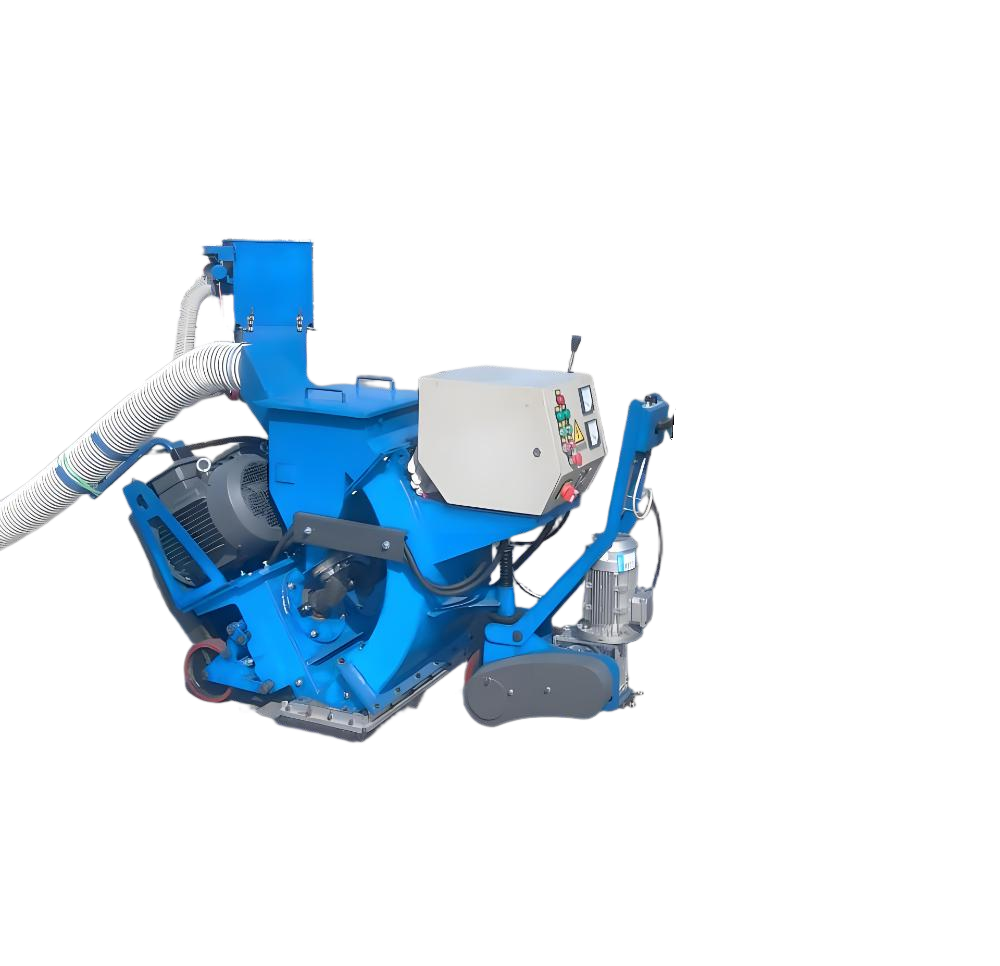
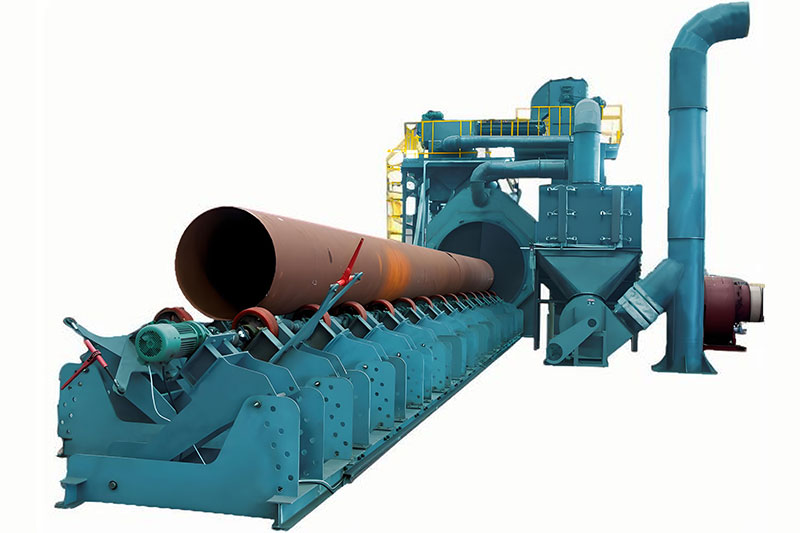
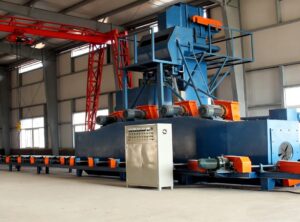
The performance of the shot blaster and blasting machine directly affects the efficiency and quality of machine shot recycling, so optimizing these devices is essential to improve recycling results.
- Adjust the shot blasting parameters of the shot blaster or blasting machine: excessive shot blast intensity will cause more machine shot to break, reducing the recyclable quantity, while insufficient intensity will leave more impurities on the machine shot, increasing screening difficulty. Operators should adjust the impeller speed, shot flow rate, and blast angle according to the workpiece material and machine shot type to minimize machine shot damage.
- Install wear-resistant components in the shot blaster or blasting machine: the inner lining, blast wheel, and nozzles of the shot blaster are prone to wear, and worn components will cause uneven shot blasting, increasing machine shot breakage. Using high-chromium steel wear-resistant parts can extend the service life of the shot blaster or blasting machine and reduce machine shot damage.
- Optimize the feeding and discharging system of the shot blaster or blasting machine: ensure uniform feeding of machine shot to avoid overloading, which can cause jamming and excessive machine shot wear. The discharging system should be designed to separate large debris in time, reducing the burden on the recycling system.
Additionally, regular maintenance of the shot blaster or blasting machine is crucial—cleaning the machine interior, checking for worn parts, and lubricating moving components can ensure stable operation, reducing machine shot waste and improving recycling efficiency. By optimizing the shot blaster and blasting machine, enterprises can maximize the recyclability of machine shot, further reducing costs and promoting green shot blasting.
How to Classify and Treat Recycled Machine Shot for Reuse in Shot Blasting?
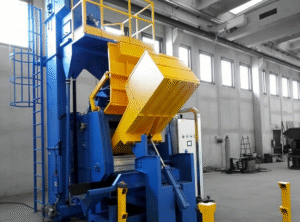
Classifying and treating recycled machine shot is a key step to ensure its reuse quality, as unqualified machine shot will affect shot blasting effect and damage the shot blaster or blasting machine.
- Classification: after screening, recycled machine shot should be classified by particle size and quality. Machine shot with a particle size within the standard range (0.8-1.5mm, depending on shot blasting needs) and no obvious damage can be directly reused in the shot blaster or blasting machine. Machine shot with slightly reduced particle size can be mixed with new machine shot in a certain ratio (usually 7:3) for reuse, ensuring shot blasting intensity. Broken or overly small machine shot particles should be discarded or repurposed (such as for low-intensity shot blasting).
- Cleaning: recycled machine shot often contains dust and impurities, which must be cleaned before reuse. A dust removal device can be added to the recycling system to remove dust, and a washing process can be used for heavily contaminated machine shot to ensure cleanliness. Clean machine shot not only improves shot blasting quality but also reduces wear on the shot blaster or blasting machine and its components.
- Quality inspection: before reusing recycled machine shot, conduct regular quality inspections to check its hardness, roundness, and wear degree. Machine shot that fails to meet the standard should not be reused, as it will affect the shot blasting effect and may damage the workpiece or the shot blaster.
By properly classifying and treating recycled machine shot, enterprises can ensure that the reused machine shot meets shot blasting requirements, maintaining product quality while reducing costs. This step is critical to the success of machine shot recycling, as low-quality recycled machine shot will do more harm than good.
What Are the Key Tips for Maintaining a Stable Machine Shot Recycling System?
Maintaining a stable machine shot recycling system is essential to ensure long-term, efficient shot blasting and cost savings.
- Conduct daily inspections: check the collection hopper, conveyor system, and screening device of the recycling system to ensure there is no blockage or damage. Clean the screening mesh regularly to avoid clogging caused by dust and small debris, which would affect screening efficiency.
- Monitor machine shot quality: regularly check the recycled machine shot for particle size, cleanliness, and wear degree, and adjust the screening parameters if necessary. Replenish new machine shot timely according to the consumption situation to ensure the shot blaster or blasting machine has sufficient qualified machine shot for shot blasting.
- Maintain the shot blaster and blasting machine: as the source of used machine shot, the stable operation of the shot blaster or blasting machine is closely related to recycling efficiency. Regularly inspect and replace worn parts, adjust shot blasting parameters, and clean the machine interior to reduce machine shot waste.
- Train operators: ensure operators master the operation methods of the recycling system, shot blaster, and blasting machine, and understand the importance of machine shot recycling. Standardized operation can avoid improper operation that causes system failure or machine shot waste.
- Establish a maintenance record: record daily maintenance content, machine shot consumption and recycling quantity, and system operation status, which helps identify potential problems early and optimize the recycling system. By following these key tips, enterprises can maintain a stable machine shot recycling system, ensuring continuous cost savings and green shot blasting operations.
Conclusion
Recycle machine shot in shot blasters and blasting machines for green, cost-effective shot blasting.
For professional machine shot recycling solutions for shot blasters,
contact us via email: :[email protected]