Ignoring shot blast machine lifecycle costs causes overspending; optimizing procurement and energy cuts long-term expenses.
This guide details shot blast machine total lifecycle costs, covering procurement, operation, maintenance and energy consumption, with Wheelblast Equipment optimization for cost control.
Learn practical strategies to reduce shot blast machine lifecycle costs effectively.
Why Is It Critical to Focus on Shot Blast Machine Total Lifecycle Cost?
Many enterprises only focus on the procurement cost of a shot blast machine, ignoring the long-term expenses of operation, maintenance, and energy consumption—this oversight leads to excessive total lifecycle costs and reduced profitability.
- A shot blast machine’s lifecycle extends 5-10 years, and procurement costs account for only 20%-30% of the total lifecycle cost; operation, maintenance, and energy consumption account for the remaining 70%-80%. Neglecting these later costs can result in unexpected expenses: frequent breakdowns of the shot blast machine and Wheelblast Equipment require costly repairs, inefficient energy use increases utility bills, and poor maintenance shortens the machine’s service life, forcing early replacement.
- In contrast, focusing on total lifecycle cost means optimizing every stage—from procurement to decommissioning—ensuring the shot blast machine operates efficiently at the lowest possible cost. Shot blasting operations rely heavily on the stability of the shot blast machine and Wheelblast Equipment, and controlling lifecycle costs not only reduces expenses but also ensures consistent shot blasting quality and production efficiency.
- For enterprises using shot blast machines for shot blasting, mastering lifecycle cost control is key to improving competitiveness and long-term sustainability. It transforms short-term cost savings into long-term economic benefits, avoiding the trap of “low procurement cost but high long-term expenditure.”
How to Optimize Procurement Cost of Shot Blast Machine Without Sacrificing Quality?
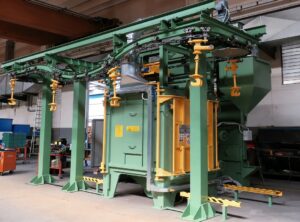
Procurement is the first stage of a shot blast machine’s lifecycle, and optimizing procurement cost does not mean choosing the cheapest option—it means balancing cost, quality, and long-term value, especially regarding Wheelblast Equipment.
- Clarify shot blasting needs: determine the required shot blast machine type, capacity, and performance based on workpiece specifications, production scale, and shot blasting requirements. Choosing an over-configured shot blast machine leads to unnecessary procurement costs, while an under-configured one increases later maintenance and energy costs.
- Focus on Wheelblast Equipment quality: Wheelblast Equipment is the core of the shot blast machine, and high-quality Wheelblast Equipment (such as high-chromium steel blast wheels) has longer service life, reducing maintenance and replacement costs. Although high-quality Wheelblast Equipment increases initial procurement costs, it saves money in the long run by reducing downtime and repairs.
- Compare suppliers: select suppliers with rich experience in shot blast machine and Wheelblast Equipment production, who offer reliable after-sales service. A good supplier can provide customized solutions, ensuring the shot blast machine meets shot blasting needs without unnecessary functions.
- Negotiate long-term cooperation: signing long-term supply agreements with suppliers can reduce procurement costs for the shot blast machine and Wheelblast Equipment spare parts.
Additionally, consider the total cost of ownership during procurement, including installation, debugging, and training costs, to avoid hidden expenses. By optimizing procurement strategies, enterprises can reduce initial costs while ensuring the shot blast machine and Wheelblast Equipment have reliable performance for long-term shot blasting operations.
How to Reduce Shot Blast Machine Operation and Maintenance Costs?
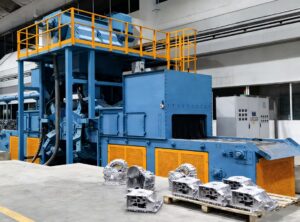
Operation and maintenance costs are the largest part of a shot blast machine’s total lifecycle cost, and effective management can significantly reduce these expenses, especially for Wheelblast Equipment.
- Standardize shot blast machine operation: train operators to master correct operation methods, including adjusting shot blasting parameters, loading workpieces properly, and maintaining the machine daily. Improper operation can damage the shot blast machine and Wheelblast Equipment, leading to frequent breakdowns and high repair costs. For example, overloading the shot blast machine or using incorrect shot blasting intensity can wear out Wheelblast Equipment quickly.
- Establish a regular maintenance system: conduct daily, weekly, and monthly maintenance on the shot blast machine and Wheelblast Equipment. Daily maintenance includes cleaning the machine interior, checking Wheelblast Equipment wear, and ensuring sufficient lubrication. Weekly maintenance involves inspecting the shot blast machine’s conveyor system, dust removal system, and electrical components. Monthly maintenance includes overhauling Wheelblast Equipment, replacing worn parts (such as blast wheels and linings), and calibrating shot blasting parameters. Regular maintenance prevents minor issues from becoming major failures, reducing repair costs and downtime.
- Optimize spare parts management: stock essential spare parts for the shot blast machine and Wheelblast Equipment (such as blast wheels, filters, and bearings) to avoid emergency purchases at high prices. Establish a spare parts inventory system to track usage and replenish timely.
- Choose high-quality maintenance services: cooperate with professional maintenance teams to ensure the shot blast machine and Wheelblast Equipment are maintained properly. Professional maintenance can extend the machine’s service life and reduce long-term operation and maintenance costs. By implementing these measures, enterprises can effectively control operation and maintenance costs while ensuring the shot blast machine operates stably for shot blasting.
How to Optimize Shot Blast Machine Energy Consumption to Cut Costs?
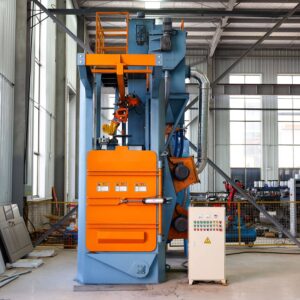
Energy consumption is a major ongoing expense in shot blast machine operations, and optimizing energy use not only reduces costs but also supports green production, with Wheelblast Equipment playing a key role in energy efficiency.
- Select an energy-efficient shot blast machine: when procuring, choose a shot blast machine with energy-saving motors and optimized Wheelblast Equipment. Energy-efficient motors consume less electricity, while advanced Wheelblast Equipment (such as variable-frequency blast wheels) can adjust power according to shot blasting needs, avoiding energy waste.
- Optimize shot blasting parameters: adjust the impeller speed, shot flow rate, and blast angle of the shot blast machine and Wheelblast Equipment according to the workpiece’s rust degree and surface requirements. For lightly rusted workpieces, reduce shot blast intensity and energy consumption; for heavily rusted workpieces, use targeted shot blasting to avoid unnecessary energy waste.
- Improve shot blast machine efficiency: ensure the shot blast machine operates at full load as much as possible, avoiding idling. Idling consumes a lot of energy without any shot blasting output, so schedule production reasonably to maximize machine utilization.
- Maintain the shot blast machine and Wheelblast Equipment regularly: worn Wheelblast Equipment, blocked pipelines, or poor lubrication can increase energy consumption. For example, a worn blast wheel requires more energy to achieve the same shot blasting effect. Regular maintenance ensures the shot blast machine and Wheelblast Equipment operate at optimal efficiency, reducing energy waste.
- Use energy-saving technologies: install energy-saving devices (such as frequency converters) on the shot blast machine to adjust power output according to demand.
Additionally, optimize the workshop layout to reduce the distance between the shot blast machine and other equipment, reducing energy loss in the conveying system. By optimizing energy consumption, enterprises can cut long-term utility costs while reducing their environmental impact.
How to Balance Shot Blasting Quality with Shot Blast Machine Lifecycle Cost?
Balancing shot blasting quality with total lifecycle cost is critical—cutting costs should not come at the expense of quality, as poor shot blasting quality leads to rework and additional costs.
- Choose the right shot blast machine and Wheelblast Equipment: a high-quality shot blast machine with advanced Wheelblast Equipment ensures consistent shot blasting quality, reducing rework costs. Although such equipment may have higher initial procurement costs, it saves money by avoiding rework and ensuring product qualification.
- Optimize shot blasting parameters: adjust the shot blast machine and Wheelblast Equipment parameters to achieve the required shot blasting quality with minimal energy and maintenance costs. For example, selecting the appropriate machine shot size and shot blast intensity ensures thorough shot blasting without damaging the workpiece or wasting energy.
- Implement quality control measures: conduct regular inspections of shot blasting results to detect quality issues early, avoiding rework and reducing costs. Use quality testing tools to ensure the workpiece surface meets standards, which reduces the need for re-shot blasting and saves energy and machine shot.
- Maintain the shot blast machine and Wheelblast Equipment properly: a well-maintained shot blast machine produces consistent shot blasting quality, reducing the risk of defects and rework. Regular maintenance of Wheelblast Equipment ensures uniform shot blast intensity, avoiding uneven shot blasting and rework.
Additionally, train operators to monitor shot blasting quality in real time, making timely adjustments to the shot blast machine and Wheelblast Equipment parameters. By balancing quality and cost, enterprises can achieve efficient, cost-effective shot blasting operations, maximizing profitability while maintaining product quality.
Conclusion
Optimize shot blast machine procurement, and energy to control total lifecycle costs.
For professional shot blast machine lifecycle cost control advice,
contact us via email:[email protected]