
Poor coordination causes mold defects and downtime; optimize it to boost foundry efficiency and quality.
This guide details how to coordinate horizontal flaskless molding machine with sand treatment equipment, covering sand molding machine and clay sand molding machine for foundry buyers.
Explore key methods to optimize coordination for your molding machine and sand equipment.
Pourquoi la coordination entre Machines de moulage horizontal sans moules and Sand Treatment Equipment Matters
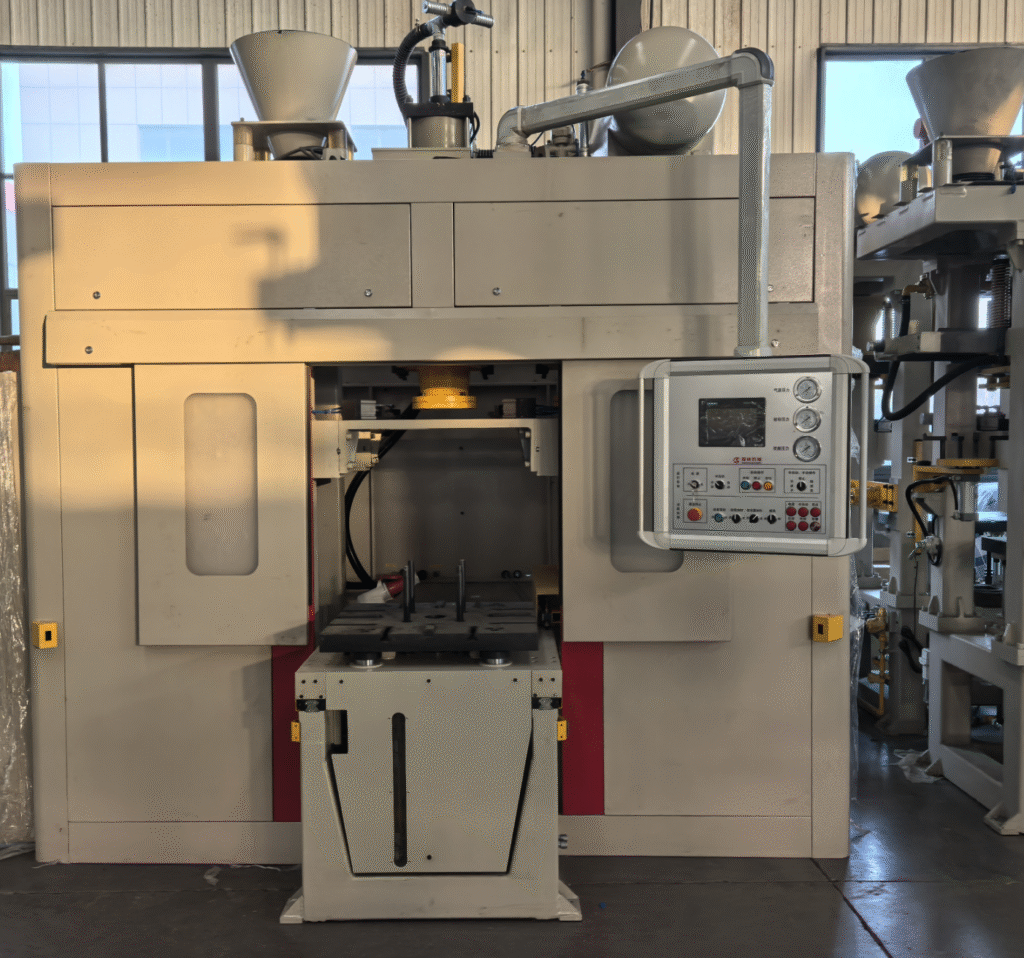
Effective coordination between horizontal flaskless molding machine and sand treatment equipment is the backbone of efficient, high-quality foundry operations, as these two systems work in perfect tandem to produce consistent, defect-free molds.
- La machine de moulage horizontal sans moule— a core molding machine in modern foundries—relies entirely on properly treated sand with precise moisture, temperature, and particle size to create molds with tight tolerances and excellent surface finish . Sand treatment equipment, meanwhile, is responsible for processing raw and recycled sand to meet these exact specifications before delivery to the molding machine.
- Poor coordination between these systems leads to 38% of mold defects (e.g., sand holes, mold collapse, veining) and 25% of production downtime, according to industry research . For example, if sand treatment equipment delivers sand with excessive moisture, the horizontal flaskless molding machine will produce molds with poor permeability, leading to gas-related defects like pinholes and increased scrap rates. Conversely, dry sand causes mold cracking during compaction, wasting materials and delaying production.
- This mismatch also cripples overall molding machine efficiency, as the horizontal flaskless molding machine may need to pause operations to wait for properly treated sand, reducing throughput and increasing labor costs. For clay sand molding machine systems— a specialized type of sand molding machine—coordination is even more critical, as clay sand requires precise moisture and binder (bentonite) ratios to maintain its bonding strength; any deviation from optimal parameters, caused by poor coordination, ruins mold quality.
Chong Jen Machinery, un fournisseur de solutions d'équipement de fonderie de confiance, souligne que la coordination sans faille entre la machine de moulage horizontal sans châssis et l'équipement de traitement du sable peut réduire les défauts de moule de 60% et augmenter l'efficacité de production de 30%, mettant en avant son importance pour les fonderies cherchant à réduire les coûts, améliorer leur compétitivité et répondre aux exigences de production juste à temps.
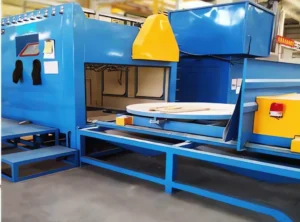
Key Coordination Requirements for Horizontal Flaskless Molding Machine and Sand Treatment Equipment
To achieve effective coordination between horizontal flaskless molding machine and sand treatment equipment, foundries must meet three core requirements: consistent sand quality, synchronized operation, and compatible capacity—all of which are critical for optimizing the performance of any molding machine.
- First, sand quality consistency is non-negotiable: the sand treatment equipment must deliver sand with uniform moisture (±0.15% fluctuation), temperature (35±2℃, well below the 49℃ critical threshold that degrades sand properties ), and particle size, as specified by the horizontal flaskless molding machine’s operational needs. This consistency ensures the molding machine can maintain stable compaction pressure and mold precision, reducing defects and the need for secondary machining.
- Second, synchronized operation between the two systems is essential—l'équipement de traitement du sable doit fournir du sable à la machine de moulage horizontal sans moule exactement au bon moment, évitant à la fois les pénuries et les surstocks. Les systèmes de contrôle PLC modernes (intégrés dans la plupart des modèles de machines de moulage avancés) permettent une communication en temps réel entre les deux systèmes, ajustant la vitesse de livraison du sable en fonction du horizontal flaskless molding machine’taux de production, tout comme l'intégration transparente des systèmes de moulage et de coulage dans les fonderies basées sur les données. .
- Troisièmement, la compatibilité des capacités est essentielle : la production de l'équipement de traitement du sable doit correspondre au taux de consommation de sable de la machine de moulage horizontal sans moule—un équipement de traitement du sable sous-dimensionné cause des goulets d'étranglement, tandis que des systèmes surdimensionnés gaspillent de l'énergie et augmentent les coûts opérationnels.
Pour les configurations de machine à mouler le sable argileux, une exigence supplémentaire est le mélange précis de l'agent liant (bentonite), car la résistance du sable argileux dépend des ratios d'agent liant précis, qui doivent être coordonnés avec les exigences de compactage du moule de la machine à mouler horizontal sans moule. Le tableau ci-dessous décrit les principales exigences de coordination et leur impact sur les opérations de fonderie :
| Exigence de coordination | Impact sur la machine de moulage horizontal sans moule | Impact sur l'efficacité de la fonderie |
| Qualité de sable cohérente | Réduction des défauts de moule, compactage stable, meilleure finition de surface | augmentation de l'efficacité de 30%, réduction des défauts de 60% |
| Fonctionnement synchronisé | Pas de pauses de production, débit régulier, réduction de la dépendance à la main-d'œuvre | réduction du temps d'arrêt de 25%, coûts de main-d'œuvre plus bas |
| Compatibilité des capacités | Approvisionnement en sable optimal, pas de gaspillage, durée de vie prolongée de l'équipement | économies de coûts énergétiques de 20%, retour sur investissement plus élevé |
Stratégies de coordination pour la machine de moulage horizontal sans moule et l'équipement de traitement du sable
Mettre en œuvre des stratégies de coordination ciblées est essentiel pour maximiser les performances de la machine de moulage horizontal sans moule et de l'équipement de traitement du sable, garantissant une intégration fluide et une productivité optimale pour les fonderies.
- La première stratégie consiste à adopter des systèmes de contrôle intégrés qui permettent le partage de données en temps réel entre les deux systèmes, aligning with the trend toward data-driven foundry automation . Modern horizontal flaskless molding machine and sand treatment equipment can be connected via OPC UA over TSN protocol, allowing for millisecond-level data interaction—this means the sand treatment equipment can adjust parameters (e.g., moisture, temperature, binder ratio) based on real-time feedback from the molding machine. For example, if the horizontal flaskless molding machine detects sand that is too dry or exceeds 49℃, it sends a signal to the sand treatment equipment to increase moisture or activate cooling systems, ensuring immediate correction.
- Second, establish a regular maintenance schedule for both systems, as worn components (e.g., sand feeders, sensors, cooling units) can disrupt coordination. For instance, a faulty moisture sensor in the sand treatment equipment may send incorrect readings, leading the horizontal flaskless molding machine to produce defective molds with poor surface finish.
- Third, train operators to monitor and adjust coordination parameters, as human oversight is critical for identifying and resolving minor issues before they escalate—this is especially important for foundries transitioning to automated systems, as fewer experienced operators are needed but their expertise becomes more valuable. For clay sand molding machine systems, an additional strategy is to integrate a closed-loop sand recovery system, which recycles used sand from the horizontal flaskless molding machine back to the sand treatment equipment—this not only reduces waste but also ensures consistent sand quality, as recycled sand is reprocessed to meet the molding machine’s requirements.
Chong Jen Machinery specializes in designing integrated coordination solutions for foundries, tailoring control systems and maintenance plans to ensure seamless collaboration between horizontal flaskless molding machine, sand treatment equipment, and clay sand molding machine, helping B2B clients achieve maximum efficiency and minimal defects.
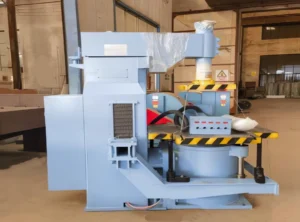
Addressing Common Coordination Challenges Between Molding Machine and Sand Treatment Equipment
Foundries often face specific coordination challenges between horizontal flaskless molding machine and sand treatment equipment, but these can be resolved with targeted solutions that align with the unique needs of each molding machine type.
- One common challenge is inconsistent sand moisture and temperature, which plagues both standard molding machine and clay sand molding machine setups. This issue arises when sand treatment equipment’s moisture control or cooling systems are inaccurate, or when environmental factors (e.g., humidity) affect sand quality, particularly with recycled hot sand . The solution is to install advanced moisture and temperature sensors in the sand treatment equipment and connect them to the horizontal flaskless molding machine’s control system, enabling real-time adjustments and maintaining moisture levels within the optimal ±0.15% range and temperature below 49℃.
- Another common challenge is production bottlenecks caused by mismatched capacity—for example, a high-speed horizontal flaskless molding machine (capable of producing molds at a much faster rate than traditional systems ) paired with an undersized sand treatment system. To resolve this, foundries should conduct a thorough capacity analysis, ensuring the sand treatment equipment’s output matches or slightly exceeds the molding machine’s sand consumption rate.
- A third challenge is communication gaps between the two systems, especially in older foundries with outdated equipment. Upgrading to PLC control systems and integrating them with the horizontal flaskless molding machine and sand treatment equipment enables seamless data sharing and synchronized operation, similar to the integrated automation used in modern pouring and molding lines.
Pour clay sand molding machine setups, a unique challenge is maintaining consistent binder ratios, which can be addressed by installing automated binder mixing systems in the sand treatment equipment, linked to the horizontal flaskless molding machine’s mold quality feedback. Chong Jen Machinery’s expert team helps foundries diagnose and resolve these coordination challenges, leveraging our experience with horizontal flaskless molding machine and sand treatment equipment to provide tailored solutions that minimize downtime and improve mold quality.
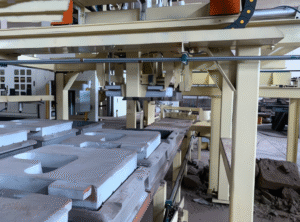
The Role of Clay Sand Molding Machine in Coordination with Sand Treatment Equipment
Clay sand molding machine, a specialized type of molding machine and sand molding machine, requires unique coordination with sand treatment equipment to ensure optimal performance, as clay sand’s properties demand precise treatment to maintain its bonding strength.
- Unlike other molding machine types, clay sand molding machine relies on clay (bentonite) as a binder, which requires exact moisture and mixing ratios to form durable molds—this makes coordination with sand treatment equipment even more critical. The sand treatment equipment must mix clay sand with the correct amount of water and binder, ensuring uniform distribution throughout the sand particles—any inconsistency will lead to mold cracking or collapse in the clay sand molding machine, as hot sand can degrade the binder’s effectiveness .
- Additionally, clay sand tends to absorb moisture from the environment, so the sand treatment equipment must maintain stable temperature and moisture levels during storage and delivery to the horizontal flaskless molding machine (often paired with clay sand molding machine systems). Coordination also involves synchronizing the sand treatment equipment’s binder mixing rate with the clay sand molding machine’s production rate, ensuring a steady supply of properly mixed clay sand.
- Furthermore, the sand recovery system must be optimized to reprocess used clay sand, removing contaminants and adjusting moisture/binder levels before returning it to the sand treatment equipment—this closed-loop approach reduces waste and ensures consistent sand quality, aligning with sustainable production practices. Chong Jen Machinery offers specialized clay sand molding machine and sand treatment equipment coordination solutions, including automated binder mixing systems and real-time moisture/temperature monitoring, ensuring that clay sand molding machine operations are seamless and efficient—our expertise in this area helps B2B foundries reduce clay sand waste by 40% and improve mold quality by 55%.
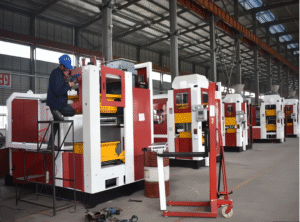
How Chong Jen Machinery Enhances Coordination Between Molding Machine and Sand Treatment Equipment
Chong Jen Machinery, a leading provider of foundry equipment solutions, leverages decades of expertise to help B2B foundries achieve seamless coordination between horizontal flaskless molding machine, sand treatment equipment, and clay sand molding machine.
- Our horizontal flaskless molding machine models are engineered with high repeatability, ensuring consistent mold quality with improved dimensional accuracy and surface finish, which reduces the need for secondary machining . Our approach starts with a comprehensive assessment of the foundry’s existing equipment, production goals, and pain points—we evaluate the compatibility between the horizontal flaskless molding machine and sand treatment equipment, identifying areas for improvement such as outdated control systems or mismatched capacity.
- We then design custom coordination solutions, including integrated PLC control systems that enable real-time data sharing and synchronized operation between the two systems, similar to the digital integration used in data-driven foundries. For clay sand molding machine setups, we integrate advanced binder mixing and moisture control systems into the sand treatment equipment, ensuring precise clay sand properties that align with the molding machine’s requirements, and implement effective cooling systems to keep sand temperature below 49℃. Our horizontal flaskless molding machine models are engineered with built-in compatibility features, allowing for easy integration with any sand treatment equipment—we also offer retrofitting services for older molding machine models, upgrading their control systems to support seamless coordination.
Additionally, we provide on-site training for operators, teaching them to monitor coordination parameters and resolve minor issues, and offer ongoing maintenance support to ensure long-term performance. Clients who partner with Chong Jen Machinery for molding machine and sand treatment equipment coordination report a 60% reduction in mold defects, 35% increase in production efficiency, and 25% reduction in operational costs—testament to our expertise in optimizing foundry operations.
Long-Term Benefits of Effective Coordination for Foundries
Effective coordination between horizontal flaskless molding machine and sand treatment equipment delivers long-term benefits for foundries, extending beyond immediate efficiency gains to improve profitability and competitiveness. One key long-term benefit is reduced operational costs—by minimizing mold defects (by up to 60%) and downtime (by 25%), foundries save on material waste, labor, and repair costs, while also reducing binder consumption for clay sand molding machine systems.
- Additionally, consistent mold quality improves casting quality, reducing the need for rework and enhancing customer satisfaction, which is critical for foundries serving industries like automotive, aerospace, and industrial machinery. Effective coordination also extends the lifespan of the horizontal flaskless molding machine and sand treatment equipment, as reduced strain on components (from consistent sand quality and synchronized operation) lowers maintenance frequency and replacement costs.
- Pour les fonderies utilisant des systèmes de machines de moulage en sable d'argile, la coordination garantit une utilisation efficace de l'argile et d'autres liants, réduisant les coûts matériels de 40% et soutenant des opérations de production durables. De plus, une coordination sans faille permet aux fonderies d'augmenter plus facilement leur production, car la machine de moulage horizontale sans flask et l'équipement de traitement du sable peuvent s'adapter à un débit accru sans sacrifier la qualité - cette flexibilité est essentielle pour répondre aux exigences de la production juste-à-temps et des changements fréquents de modèles.
Selon les données de l'industrie, les fonderies avec une coordination efficace entre la machine de moulage et le traitement du sable obtiennent un ROI supérieur de 30% par rapport à celles avec une mauvaise coordination. Les clients de Chong Jen Machinery bénéficient constamment de ces avantages à long terme, car nos solutions de coordination sont conçues pour optimiser la performance, réduire les coûts et soutenir une croissance durable pour les fonderies B2B.
Conclusion
Optimisez la coordination entre la machine de moulage et le traitement du sable pour le succès de la fonderie.
Contact Chong Jen Machinery
Pour des solutions de coordination professionnelles pour la machine de moulage horizontale sans flask, la machine de moulage en sable d'argile et l'équipement de traitement du sable,
envoyez un courriel à Chong Jen Machinery : [email protected].
Nos experts élaboreront un plan pour améliorer la productivité et la qualité de votre fonderie.
 French
  English
  Russian
  Spanish
  Portuguese
  Indonesian
  Thai
Thai