
Poor coordination causes mold defects and downtime; optimize it to boost foundry efficiency and quality.
This guide details how to coordinate horizontal flaskless molding machine with sand treatment equipment, covering sand molding machine and clay sand molding machine for foundry buyers.
Explore key methods to optimize coordination for your molding machine and sand equipment.
Why Coordination Between Horizontal Flaskless Molding Machine and Sand Treatment Equipment Matters
Effective coordination between horizontal flaskless molding machine and sand treatment equipment is the backbone of efficient, high-quality foundry operations, as these two systems work in perfect tandem to produce consistent, defect-free molds.
- The horizontal flaskless molding machine— a core molding machine in modern foundries—relies entirely on properly treated sand with precise moisture, temperature, and particle size to create molds with tight tolerances and excellent surface finish . Sand treatment equipment, meanwhile, is responsible for processing raw and recycled sand to meet these exact specifications before delivery to the molding machine.
- Poor coordination between these systems leads to 38% of mold defects (e.g., sand holes, mold collapse, veining) and 25% of production downtime, according to industry research . For example, if sand treatment equipment delivers sand with excessive moisture, the horizontal flaskless molding machine will produce molds with poor permeability, leading to gas-related defects like pinholes and increased scrap rates. Conversely, dry sand causes mold cracking during compaction, wasting materials and delaying production.
- This mismatch also cripples overall molding machine efficiency, as the horizontal flaskless molding machine may need to pause operations to wait for properly treated sand, reducing throughput and increasing labor costs. For clay sand molding machine systems— a specialized type of sand molding machine—coordination is even more critical, as clay sand requires precise moisture and binder (bentonite) ratios to maintain its bonding strength; any deviation from optimal parameters, caused by poor coordination, ruins mold quality.
Chong Jen Machinery, a trusted provider of foundry equipment solutions, emphasizes that seamless coordination between horizontal flaskless molding machine and sand treatment equipment can reduce mold defects by 60% and increase production efficiency by 30%, highlighting its importance for foundries aiming to cut costs, improve competitiveness, and meet just-in-time production demands.
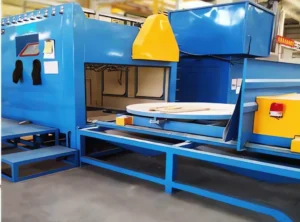
Key Coordination Requirements for Horizontal Flaskless Molding Machine and Sand Treatment Equipment
To achieve effective coordination between horizontal flaskless molding machine and sand treatment equipment, foundries must meet three core requirements: consistent sand quality, synchronized operation, and compatible capacity—all of which are critical for optimizing the performance of any molding machine.
- First, sand quality consistency is non-negotiable: the sand treatment equipment must deliver sand with uniform moisture (±0.15% fluctuation), temperature (35±2℃, well below the 49℃ critical threshold that degrades sand properties ), and particle size, as specified by the horizontal flaskless molding machine’s operational needs. This consistency ensures the molding machine can maintain stable compaction pressure and mold precision, reducing defects and the need for secondary machining.
- Second, synchronized operation between the two systems is essential—sand treatment equipment must deliver sand to the horizontal flaskless molding machine exactly when needed, avoiding both shortages and overstocking. Modern PLC control systems (integrated into most advanced molding machine models) enable real-time communication between the two systems, adjusting sand delivery speed based on the horizontal flaskless molding machine’s production rate, much like the seamless integration of molding and pouring systems in data-driven foundries .
- Third, capacity compatibility is vital: the sand treatment equipment’s output must match the horizontal flaskless molding machine’s sand consumption rate—undersized sand treatment equipment causes bottlenecks, while oversized systems waste energy and increase operational costs.
For clay sand molding machine setups, an additional requirement is precise binder (bentonite) mixing, as clay sand’s bonding strength depends on accurate binder ratios, which must be coordinated with the horizontal flaskless molding machine’s mold compaction requirements. The table below outlines key coordination requirements and their impact on foundry operations:
| Coordination Requirement | Impact on Horizontal Flaskless Molding Machine | Impact on Foundry Efficiency |
| Consistent Sand Quality | Reduced mold defects, stable compaction, better surface finish | 30% efficiency increase, 60% defect reduction |
| Synchronized Operation | No production pauses, steady throughput, reduced labor reliance | 25% downtime reduction, lower labor costs |
| Capacity Compatibility | Optimal sand supply, no waste, extended equipment lifespan | 20% energy cost savings, higher ROI |
Coordination Strategies for Horizontal Flaskless Molding Machine and Sand Treatment Equipment
Implementing targeted coordination strategies is key to maximizing the performance of horizontal flaskless molding machine and sand treatment equipment, ensuring seamless integration and optimal productivity for foundries.
- The first strategy is to adopt integrated control systems that enable real-time data sharing between the two systems, aligning with the trend toward data-driven foundry automation . Modern horizontal flaskless molding machine and sand treatment equipment can be connected via OPC UA over TSN protocol, allowing for millisecond-level data interaction—this means the sand treatment equipment can adjust parameters (e.g., moisture, temperature, binder ratio) based on real-time feedback from the molding machine. For example, if the horizontal flaskless molding machine detects sand that is too dry or exceeds 49℃, it sends a signal to the sand treatment equipment to increase moisture or activate cooling systems, ensuring immediate correction.
- Second, establish a regular maintenance schedule for both systems, as worn components (e.g., sand feeders, sensors, cooling units) can disrupt coordination. For instance, a faulty moisture sensor in the sand treatment equipment may send incorrect readings, leading the horizontal flaskless molding machine to produce defective molds with poor surface finish.
- Third, train operators to monitor and adjust coordination parameters, as human oversight is critical for identifying and resolving minor issues before they escalate—this is especially important for foundries transitioning to automated systems, as fewer experienced operators are needed but their expertise becomes more valuable. For clay sand molding machine systems, an additional strategy is to integrate a closed-loop sand recovery system, which recycles used sand from the horizontal flaskless molding machine back to the sand treatment equipment—this not only reduces waste but also ensures consistent sand quality, as recycled sand is reprocessed to meet the molding machine’s requirements.
Chong Jen Machinery specializes in designing integrated coordination solutions for foundries, tailoring control systems and maintenance plans to ensure seamless collaboration between horizontal flaskless molding machine, sand treatment equipment, and clay sand molding machine, helping B2B clients achieve maximum efficiency and minimal defects.
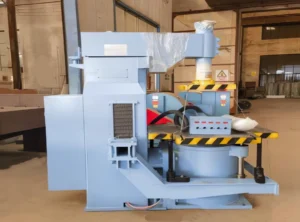
Addressing Common Coordination Challenges Between Molding Machine and Sand Treatment Equipment
Foundries often face specific coordination challenges between horizontal flaskless molding machine and sand treatment equipment, but these can be resolved with targeted solutions that align with the unique needs of each molding machine type.
- One common challenge is inconsistent sand moisture and temperature, which plagues both standard molding machine and clay sand molding machine setups. This issue arises when sand treatment equipment’s moisture control or cooling systems are inaccurate, or when environmental factors (e.g., humidity) affect sand quality, particularly with recycled hot sand . The solution is to install advanced moisture and temperature sensors in the sand treatment equipment and connect them to the horizontal flaskless molding machine’s control system, enabling real-time adjustments and maintaining moisture levels within the optimal ±0.15% range and temperature below 49℃.
- Another common challenge is production bottlenecks caused by mismatched capacity—for example, a high-speed horizontal flaskless molding machine (capable of producing molds at a much faster rate than traditional systems ) paired with an undersized sand treatment system. To resolve this, foundries should conduct a thorough capacity analysis, ensuring the sand treatment equipment’s output matches or slightly exceeds the molding machine’s sand consumption rate.
- A third challenge is communication gaps between the two systems, especially in older foundries with outdated equipment. Upgrading to PLC control systems and integrating them with the horizontal flaskless molding machine and sand treatment equipment enables seamless data sharing and synchronized operation, similar to the integrated automation used in modern pouring and molding lines.
For clay sand molding machine setups, a unique challenge is maintaining consistent binder ratios, which can be addressed by installing automated binder mixing systems in the sand treatment equipment, linked to the horizontal flaskless molding machine’s mold quality feedback. Chong Jen Machinery’s expert team helps foundries diagnose and resolve these coordination challenges, leveraging our experience with horizontal flaskless molding machine and sand treatment equipment to provide tailored solutions that minimize downtime and improve mold quality.
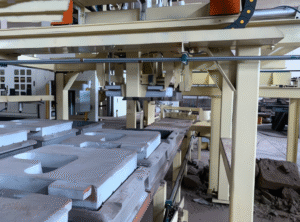
The Role of Clay Sand Molding Machine in Coordination with Sand Treatment Equipment
Clay sand molding machine, a specialized type of molding machine and sand molding machine, requires unique coordination with sand treatment equipment to ensure optimal performance, as clay sand’s properties demand precise treatment to maintain its bonding strength.
- Unlike other molding machine types, clay sand molding machine relies on clay (bentonite) as a binder, which requires exact moisture and mixing ratios to form durable molds—this makes coordination with sand treatment equipment even more critical. The sand treatment equipment must mix clay sand with the correct amount of water and binder, ensuring uniform distribution throughout the sand particles—any inconsistency will lead to mold cracking or collapse in the clay sand molding machine, as hot sand can degrade the binder’s effectiveness .
- Additionally, clay sand tends to absorb moisture from the environment, so the sand treatment equipment must maintain stable temperature and moisture levels during storage and delivery to the horizontal flaskless molding machine (often paired with clay sand molding machine systems). Coordination also involves synchronizing the sand treatment equipment’s binder mixing rate with the clay sand molding machine’s production rate, ensuring a steady supply of properly mixed clay sand.
- Furthermore, the sand recovery system must be optimized to reprocess used clay sand, removing contaminants and adjusting moisture/binder levels before returning it to the sand treatment equipment—this closed-loop approach reduces waste and ensures consistent sand quality, aligning with sustainable production practices. Chong Jen Machinery offers specialized clay sand molding machine and sand treatment equipment coordination solutions, including automated binder mixing systems and real-time moisture/temperature monitoring, ensuring that clay sand molding machine operations are seamless and efficient—our expertise in this area helps B2B foundries reduce clay sand waste by 40% and improve mold quality by 55%.
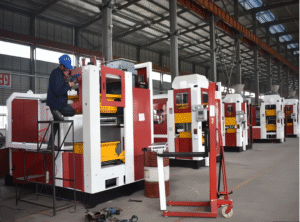
How Chong Jen Machinery Enhances Coordination Between Molding Machine and Sand Treatment Equipment
Chong Jen Machinery, a leading provider of foundry equipment solutions, leverages decades of expertise to help B2B foundries achieve seamless coordination between horizontal flaskless molding machine, sand treatment equipment, and clay sand molding machine.
- Our horizontal flaskless molding machine models are engineered with high repeatability, ensuring consistent mold quality with improved dimensional accuracy and surface finish, which reduces the need for secondary machining . Our approach starts with a comprehensive assessment of the foundry’s existing equipment, production goals, and pain points—we evaluate the compatibility between the horizontal flaskless molding machine and sand treatment equipment, identifying areas for improvement such as outdated control systems or mismatched capacity.
- We then design custom coordination solutions, including integrated PLC control systems that enable real-time data sharing and synchronized operation between the two systems, similar to the digital integration used in data-driven foundries. For clay sand molding machine setups, we integrate advanced binder mixing and moisture control systems into the sand treatment equipment, ensuring precise clay sand properties that align with the molding machine’s requirements, and implement effective cooling systems to keep sand temperature below 49℃. Our horizontal flaskless molding machine models are engineered with built-in compatibility features, allowing for easy integration with any sand treatment equipment—we also offer retrofitting services for older molding machine models, upgrading their control systems to support seamless coordination.
Additionally, we provide on-site training for operators, teaching them to monitor coordination parameters and resolve minor issues, and offer ongoing maintenance support to ensure long-term performance. Clients who partner with Chong Jen Machinery for molding machine and sand treatment equipment coordination report a 60% reduction in mold defects, 35% increase in production efficiency, and 25% reduction in operational costs—testament to our expertise in optimizing foundry operations.
Long-Term Benefits of Effective Coordination for Foundries
Effective coordination between horizontal flaskless molding machine and sand treatment equipment delivers long-term benefits for foundries, extending beyond immediate efficiency gains to improve profitability and competitiveness. One key long-term benefit is reduced operational costs—by minimizing mold defects (by up to 60%) and downtime (by 25%), foundries save on material waste, labor, and repair costs, while also reducing binder consumption for clay sand molding machine systems.
- Additionally, consistent mold quality improves casting quality, reducing the need for rework and enhancing customer satisfaction, which is critical for foundries serving industries like automotive, aerospace, and industrial machinery. Effective coordination also extends the lifespan of the horizontal flaskless molding machine and sand treatment equipment, as reduced strain on components (from consistent sand quality and synchronized operation) lowers maintenance frequency and replacement costs.
- For foundries using clay sand molding machine systems, coordination ensures efficient use of clay and other binders, reducing material costs by 40% and supporting sustainable production operations. Furthermore, seamless coordination enables foundries to scale production more easily, as the horizontal flaskless molding machine and sand treatment equipment can adapt to increased throughput without sacrificing quality—this flexibility is essential for meeting the demands of just-in-time production and frequent pattern changes.
According to industry data, foundries with effective molding machine and sand treatment coordination achieve a 30% higher ROI compared to those with poor coordination. Chong Jen Machinery’s clients consistently experience these long-term benefits, as our coordination solutions are designed to optimize performance, reduce costs, and support sustainable growth for B2B foundries.
Conclusion
Optimize coordination between molding machine and sand treatment for foundry success.
Contact Chong Jen Machinery
For professional coordination solutions for horizontal flaskless molding machine, clay sand molding machine and sand treatment equipment,
email Chong Jen Machinery: [email protected].
Our experts will tailor a plan to boost your foundry’s productivity and quality.
 English
  Russian
  Spanish
  Portuguese
  French
  Indonesian
  Thai
Thai