
การประสานงานที่ไม่ดีทำให้เกิดข้อบกพร่องของแม่พิมพ์และหยุดทำงาน; ปรับให้เหมาะสมเพื่อเพิ่มประสิทธิภาพและคุณภาพของโรงหล่อ.
คู่มือนี้มีรายละเอียดเกี่ยวกับวิธีการประสานงานระหว่างเครื่องหล่อแบบไม่มีกรอบแนวนอนกับอุปกรณ์บำบัดทราย โดยครอบคลุมเครื่องหล่อทรายและเครื่องหล่อทรายดินสำหรับ ผู้ซื้อโรงหล่อ.
สำรวจวิธีหลักในการเพิ่มประสิทธิภาพการประสานงานสำหรับเครื่องหล่อของคุณและอุปกรณ์ทราย.
ทำไมการประสานงานระหว่าง Horizontal Flaskless Molding Machine และอุปกรณ์บำบัดทรายจึงมีความสำคัญ
การประสานงานที่มีประสิทธิภาพระหว่างเครื่องหล่อแบบไม่มีกรอบแนวนอนและอุปกรณ์บำบัดทรายเป็นกระดูกสันหลังของการดำเนินงานโรงหล่อที่มีประสิทธิภาพและมีคุณภาพสูง เนื่องจากระบบทั้งสองนี้ทำงานควบคู่กันเพื่อผลิตแม่พิมพ์ที่สม่ำเสมอและปราศจากข้อบกพร่อง.
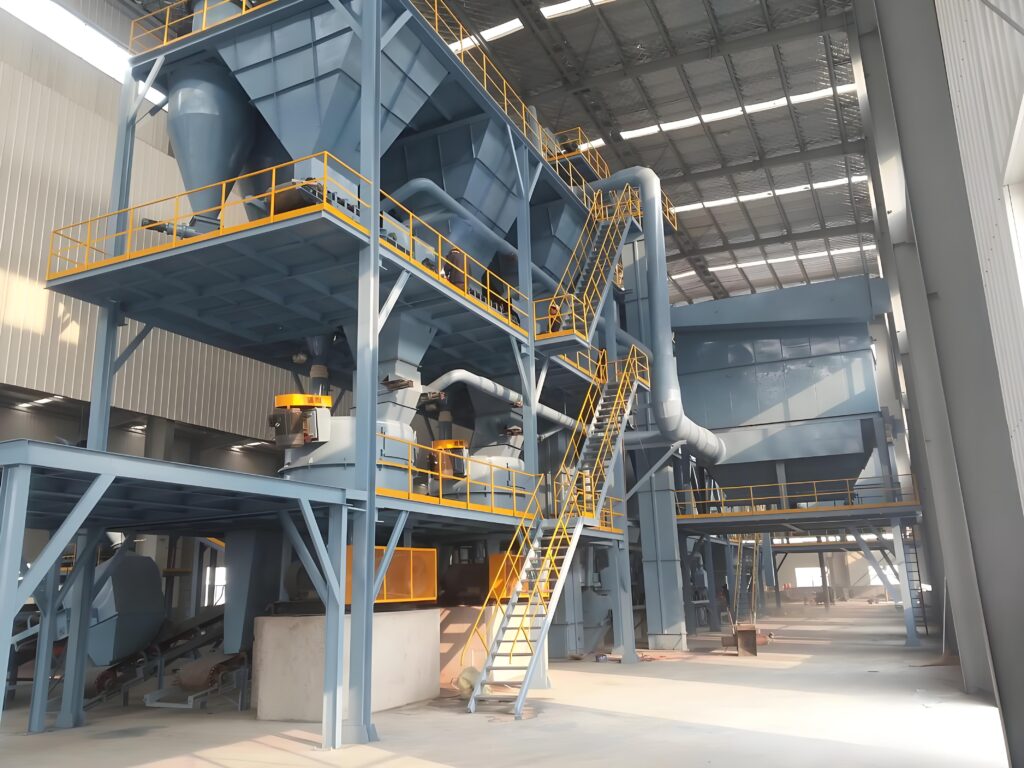
- The horizontal flaskless molding machine— เครื่องหล่อหลักในโรงหล่อสมัยใหม่—ขึ้นอยู่กับทรายที่ผ่านการบำบัดอย่างเหมาะสม โดยมีความชื้น อุณหภูมิ และขนาดของอนุภาคที่แม่นยำเพื่อสร้างแม่พิมพ์ที่มีความทนทานแน่นและพื้นผิวที่ยอดเยี่ยม อุปกรณ์บำบัดทรายมีหน้าที่ในการประมวลผลทรายดิบและทรายรีไซเคิลให้ตรงตามข้อกำหนดที่แน่นอนเหล่านี้ก่อนที่จะส่งมอบให้กับเครื่องหล่อ.
- การประสานงานที่ไม่ดีระหว่างระบบเหล่านี้ทำให้เกิดข้อบกพร่องของแม่พิมพ์ 38% (เช่น รูทราย, แม่พิมพ์ล้ม, เส้นเลือด) และเวลาหยุดการผลิต 25% ตามการวิจัยในอุตสาหกรรม. ตัวอย่างเช่น หากอุปกรณ์บำบัดทรายส่งทรายที่มีความชื้นมากเกินไป เครื่องหล่อแบบไม่มีกรอบแนวนอนจะผลิตแม่พิมพ์ที่มีการซึมผ่านต่ำซึ่งนำไปสูข้อบกพร่องที่เกี่ยวข้องกับก๊าซเช่น รูเข็มและอัตราส่วนการสูญเสียที่เพิ่มขึ้น ในทางกลับกัน ทรายที่แห้งทำให้เกิดการแตกของแม่พิมพ์ระหว่างการอัด ซึ่งทำให้เสียวัสดุและชะลอการผลิต.
- ความไม่สอดคล้องนี้ยังทำให้ประสิทธิภาพโดยรวมของเครื่องหล่อเสื่อมลง, เนื่องจากเครื่องหล่อแบบไม่มีกรอบแนวนอนอาจต้องหยุดการทำงานเพื่อรอทรายที่ผ่านการบำบัดอย่างเหมาะสม ส่งผลให้การผลิตลดลงและทำให้ต้นทุนแรงงานเพิ่มขึ้น สำหรับระบบเครื่องหล่อทรายดิน—ซึ่งเป็นประเภทเฉพาะของเครื่องหล่อทราย—การประสานงานมีความสำคัญมากยิ่งขึ้น เนื่องจากทรายดินต้องการอัตราส่วนของความชื้นและบัดกรี (เบนโทไนต์) ที่แม่นยำเพื่อรักษาความแข็งแรงในการยึดเกาะ; การเบี่ยงเบนจากพารามิเตอร์ที่เหมาะสม ซึ่งเกิดจากการประสานงานที่ไม่ดี จะทำให้คุณภาพแม่พิมพ์เสียไป.
Chong Jen Machinery ซึ่งเป็นผู้ให้บริการโซลูชันอุปกรณ์หล่อที่เชื่อถือได้ เน้นว่าการประสานงานที่ราบรื่นระหว่างเครื่องหล่อแบบไม่มีแบบฟอร์มแนวนอนและอุปกรณ์บำบัดทรายสามารถลดข้อบกพร่องของแม่พิมพ์ได้ถึง 60% และเพิ่มประสิทธิภาพการผลิตได้ถึง 30% โดยเน้นถึงความสำคัญสำหรับโรงหล่อที่มุ่งหวังจะลดต้นทุน ปรับปรุงความสามารถในการแข่งขัน และตอบสนองความต้องการการผลิตแบบทันเวลา.
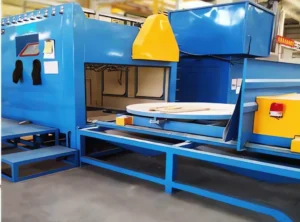
ข้อกำหนดในการประสานงานหลักสำหรับเครื่องหล่อแบบไม่มีกรอบแนวนอนและอุปกรณ์บำบัดทราย
เพื่อให้เกิดการประสานงานที่มีประสิทธิภาพระหว่างเครื่องหล่อแบบไม่มีกรอบแนวนอนและอุปกรณ์บำบัดทราย โรงหล่อต้องปฏิบัติตามข้อกำหนดหลักสามประการ: คุณภาพทรายที่สม่ำเสมอ การทำงานที่ซิงโครนัส และความสามารถที่เข้ากัน—ทั้งหมดนี้เป็นสิ่งสำคัญสำหรับการเพิ่มประสิทธิภาพการทำงานของเครื่องหล่อใดๆ.
- ประการแรก ความสม่ำเสมอของคุณภาพทรายเป็นสิ่งที่ไม่สามารถเจรจาได้: อุปกรณ์บำบัดทรายต้องส่งมอบทรายที่มีความชื้นที่สม่ำเสมอ (±0.15% การเปลี่ยนแปลง) อุณหภูมิ (35±2℃ ต่ำกว่าค่าที่สำคัญ 49℃ ที่ทำให้คุณสมบัติของทรายเสื่อมลง) และขนาดของอนุภาค ตามที่เครื่องหล่อแบบไม่มีกรอบแนวนอนต้องการ การรักษาความสม่ำเสมอนี้ทำให้เครื่องหล่อสามารถรักษาแรงกดอัดที่เสถียรและความแม่นยำของแม่พิมพ์ ลดข้อบกพร่องและความจำเป็นในการตัดเฉือนรอง.
- ประการที่สอง การทำงานที่ซิงโครนัสระหว่างระบบทั้งสองเป็นสิ่งจำเป็น—อุปกรณ์บำบัดทรายต้องส่งทรายไปยังเครื่องหล่อไร้แม่พิมพ์แนวนอนในเวลาที่เหมาะสม โดยหลีกเลี่ยงทั้งการขาดแคลนและการมีสต็อกมากเกินไป ระบบควบคุม PLC สมัยใหม่ (ที่ติดตั้งอยู่ในโมเดลเครื่องหล่อที่ทันสมัยที่สุด) ช่วยให้มีการสื่อสารแบบเรียลไทม์ระหว่างสองระบบ ปรับความเร็วการส่งทรายตามอัตราการผลิตของ horizontal flaskless molding machine’ระบบการหล่อและเทที่เชื่อมต่อกันได้อย่างราบรื่นในโรงหล่อที่ใช้ข้อมูล .
- ประการที่สาม ความเข้ากันได้ของความจุเป็นสิ่งสำคัญ: ผลผลิตของอุปกรณ์บำบัดทรายต้องตรงกับอัตราการบริโภคทรายของเครื่องหล่อไร้แม่พิมพ์แนวนอน—อุปกรณ์บำบัดทรายที่มีขนาดเล็กเกินไปจะทำให้เกิดปัญหาคอขวด ขณะที่ระบบที่มีขนาดใหญ่เกินไปจะทำให้เสียพลังงานและเพิ่มค่าใช้จ่ายในการดำเนินงาน.
สำหรับการตั้งค่าเครื่องหล่อทรายดิน ข้อกำหนดเพิ่มเติมคือการผสมสารยึดเกาะ (เบนโทไนท์) อย่างแม่นยำ เนื่องจากความแข็งแรงในการยึดเกาะของทรายดินขึ้นอยู่กับสัดส่วนสารยึดเกาะที่ถูกต้อง ซึ่งต้องประสานกับข้อกำหนดการอัดแม่พิมพ์ของเครื่องหล่อไร้แม่พิมพ์แนวนอน ตารางด้านล่างระบุข้อกำหนดการประสานหลักและผลกระทบต่อการดำเนินงานในโรงหล่อ:
| ข้อกำหนดการประสาน | ผลกระทบต่อเครื่องหล่อไร้แม่พิมพ์แนวนอน | ผลกระทบต่อประสิทธิภาพของโรงหล่อ |
| คุณภาพทรายที่สม่ำเสมอ | ลดข้อบกพร่องของแม่พิมพ์ การอัดที่เสถียร ผิวสัมผัสที่ดีกว่า | การเพิ่มประสิทธิภาพ 30% การลดข้อบกพร่อง 60% |
| การทำงานที่ประสานกัน | ไม่มีการหยุดการผลิต การไหลของการผลิตที่สม่ำเสมอ ลดการพึ่งพาแรงงาน | การลดเวลาหยุดทำงาน 25% ค่าใช้จ่ายแรงงานที่ต่ำกว่า |
| ความเข้ากันได้ของความจุ | การจัดหาทรายที่เหมาะสม ไม่มีของเสีย อายุการใช้งานของอุปกรณ์ยาวนานขึ้น | การประหยัดต้นทุนพลังงาน 20% ผลตอบแทนการลงทุนสูง |
กลยุทธ์การประสานงานสำหรับเครื่องหล่อไร้แม่พิมพ์แนวนอนและอุปกรณ์บำบัดทราย
การนำกลยุทธ์การประสานที่มุ่งเน้นมาใช้เป็นกุญแจสำคัญในการเพิ่มประสิทธิภาพการทำงานของเครื่องหล่อไร้แม่พิมพ์แนวนอนและอุปกรณ์บำบัดทราย เพื่อให้การบูรณาการที่ราบรื่นและประสิทธิภาพการผลิตที่ดีที่สุดสำหรับโรงหล่อ.
- กลยุทธ์แรกคือการนำระบบควบคุมที่รวมเป็นหนึ่งมาใช้ ซึ่งช่วยให้สามารถแบ่งปันข้อมูลแบบเรียลไทม์ระหว่างสองระบบ, aligning with the trend toward data-driven foundry automation . Modern horizontal flaskless molding machine and sand treatment equipment can be connected via OPC UA over TSN protocol, allowing for millisecond-level data interaction—this means the sand treatment equipment can adjust parameters (e.g., moisture, temperature, binder ratio) based on real-time feedback from the molding machine. For example, if the horizontal flaskless molding machine detects sand that is too dry or exceeds 49℃, it sends a signal to the sand treatment equipment to increase moisture or activate cooling systems, ensuring immediate correction.
- Second, establish a regular maintenance schedule for both systems, as worn components (e.g., sand feeders, sensors, cooling units) can disrupt coordination. For instance, a faulty moisture sensor in the sand treatment equipment may send incorrect readings, leading the horizontal flaskless molding machine to produce defective molds with poor surface finish.
- Third, train operators to monitor and adjust coordination parameters, as human oversight is critical for identifying and resolving minor issues before they escalate—this is especially important for foundries transitioning to automated systems, as fewer experienced operators are needed but their expertise becomes more valuable. For clay sand molding machine systems, an additional strategy is to integrate a closed-loop sand recovery system, which recycles used sand from the horizontal flaskless molding machine back to the sand treatment equipment—this not only reduces waste but also ensures consistent sand quality, as recycled sand is reprocessed to meet the เครื่องหล่อนี้’s requirements.
Chong Jen Machinery specializes in designing integrated coordination solutions for foundries, tailoring control systems and maintenance plans to ensure seamless collaboration between horizontal flaskless molding machine, sand treatment equipment, and clay sand molding machine, helping B2B clients achieve maximum efficiency and minimal defects.
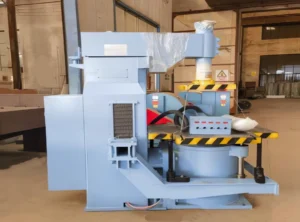
Addressing Common Coordination Challenges Between Molding Machine and Sand Treatment Equipment
Foundries often face specific coordination challenges between horizontal flaskless molding machine and sand treatment equipment, but these can be resolved with targeted solutions that align with the unique needs of each molding machine type.
- One common challenge is inconsistent sand moisture and temperature, which plagues both standard molding machine and clay sand molding machine setups. This issue arises when sand treatment equipment’s moisture control or cooling systems are inaccurate, or when environmental factors (e.g., humidity) affect sand quality, particularly with recycled hot sand . The solution is to install advanced moisture and temperature sensors in the sand treatment equipment and connect them to the horizontal flaskless molding machine’s control system, enabling real-time adjustments and maintaining moisture levels within the optimal ±0.15% range and temperature below 49℃.
- Another common challenge is production bottlenecks caused by mismatched capacity—for example, a high-speed horizontal flaskless molding machine (capable of producing molds at a much faster rate than traditional systems ) paired with an undersized sand treatment system. To resolve this, foundries should conduct a thorough capacity analysis, ensuring the sand treatment equipment’s output matches or slightly exceeds the molding machine’s sand consumption rate.
- A third challenge is communication gaps between the two systems, especially in older foundries with outdated equipment. Upgrading to PLC control systems and integrating them with the horizontal flaskless molding machine and sand treatment equipment enables seamless data sharing and synchronized operation, similar to the integrated automation used in modern pouring and molding lines.
สำหรับ clay sand molding machine setups, a unique challenge is maintaining consistent binder ratios, which can be addressed by installing automated binder mixing systems in the sand treatment equipment, linked to the horizontal flaskless molding machine’s mold quality feedback. Chong Jen Machinery’s expert team helps foundries diagnose and resolve these coordination challenges, leveraging our experience with horizontal flaskless molding machine and sand treatment equipment to provide tailored solutions that minimize downtime and improve mold quality.
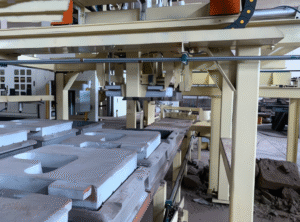
The Role of Clay Sand Molding Machine in Coordination with Sand Treatment Equipment
Clay sand molding machine, a specialized type of molding machine and sand molding machine, requires unique coordination with sand treatment equipment to ensure optimal performance, as clay sand’s properties demand precise treatment to maintain its bonding strength.
- Unlike other molding machine types, clay sand molding machine relies on clay (bentonite) as a binder, which requires exact moisture and mixing ratios to form durable molds—this makes coordination with sand treatment equipment even more critical. The sand treatment equipment must mix clay sand with the correct amount of water and binder, ensuring uniform distribution throughout the sand particles—any inconsistency will lead to mold cracking or collapse in the clay sand molding machine, as hot sand can degrade the binder’s effectiveness .
- Additionally, clay sand tends to absorb moisture from the environment, so the sand treatment equipment must maintain stable temperature and moisture levels during storage and delivery to the horizontal flaskless molding machine (often paired with clay sand molding machine systems). Coordination also involves synchronizing the sand treatment equipment’s binder mixing rate with the clay sand molding machine’s production rate, ensuring a steady supply of properly mixed clay sand.
- Furthermore, the sand recovery system must be optimized to reprocess used clay sand, removing contaminants and adjusting moisture/binder levels before returning it to the sand treatment equipment—this closed-loop approach reduces waste and ensures consistent sand quality, aligning with sustainable production practices. Chong Jen Machinery offers specialized clay sand molding machine and sand treatment equipment coordination solutions, including automated binder mixing systems and real-time moisture/temperature monitoring, ensuring that clay sand molding machine operations are seamless and efficient—our expertise in this area helps B2B foundries reduce clay sand waste by 40% and improve mold quality by 55%.
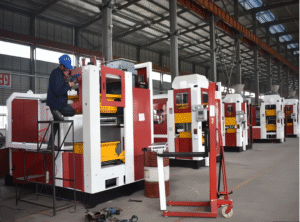
How Chong Jen Machinery Enhances Coordination Between Molding Machine and Sand Treatment Equipment
Chong Jen Machinery, a leading provider of foundry equipment solutions, leverages decades of expertise to help B2B foundries achieve seamless coordination between horizontal flaskless molding machine, sand treatment equipment, and clay sand molding machine.
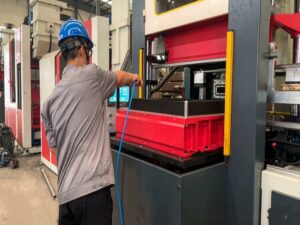
- Our horizontal flaskless molding machine models are engineered with high repeatability, ensuring consistent mold quality with improved dimensional accuracy and surface finish, which reduces the need for secondary machining . Our approach starts with a comprehensive assessment of the foundry’s existing equipment, production goals, and pain points—we evaluate the compatibility between the horizontal flaskless molding machine and sand treatment equipment, identifying areas for improvement such as outdated control systems or mismatched capacity.
- We then design custom coordination solutions, including integrated PLC control systems that enable real-time data sharing and synchronized operation between the two systems, similar to the digital integration used in data-driven foundries. For clay sand molding machine setups, we integrate advanced binder mixing and moisture control systems into the sand treatment equipment, ensuring precise clay sand properties that align with the molding machine’s requirements, and implement effective cooling systems to keep sand temperature below 49℃. Our horizontal flaskless molding machine models are engineered with built-in compatibility features, allowing for easy integration with any sand treatment equipment—we also offer retrofitting services for older molding machine models, upgrading their control systems to support seamless coordination.
Additionally, we provide on-site training for operators, teaching them to monitor coordination parameters and resolve minor issues, and offer ongoing maintenance support to ensure long-term performance. Clients who partner with Chong Jen Machinery for molding machine and sand treatment equipment coordination report a 60% reduction in mold defects, 35% increase in production efficiency, and 25% reduction in operational costs—testament to our expertise in optimizing foundry operations.
Long-Term Benefits of Effective Coordination for Foundries
Effective coordination between horizontal flaskless molding machine and sand treatment equipment delivers long-term benefits for foundries, extending beyond immediate efficiency gains to improve profitability and competitiveness. One key long-term benefit is reduced operational costs—by minimizing mold defects (by up to 60%) and downtime (by 25%), foundries save on material waste, labor, and repair costs, while also reducing binder consumption for clay sand molding machine systems.
- Additionally, consistent mold quality improves casting quality, reducing the need for rework and enhancing customer satisfaction, which is critical for foundries serving industries like automotive, aerospace, and industrial machinery. Effective coordination also extends the lifespan of the horizontal flaskless molding machine and sand treatment equipment, as reduced strain on components (from consistent sand quality and synchronized operation) lowers maintenance frequency and replacement costs.
- สำหรับโรงหล่อที่ใช้ระบบเครื่องจักรหล่อทรายดินเหนียว, การประสานงานช่วยให้การใช้ดินเหนียวและสารยึดเกาะอื่น ๆ มีประสิทธิภาพมากขึ้น โดยลดต้นทุนวัสดุได้ถึง 40% และสนับสนุนการผลิตในลักษณะที่ยั่งยืน นอกจากนี้ การประสานงานที่ราบรื่นยังช่วยให้โรงหล่อสามารถขยายการผลิตได้อย่างง่ายดาย เนื่องจากเครื่องจักรหล่อแบบไม่มีฟลาสก์แนวนอนและอุปกรณ์การบำบัดทรายสามารถปรับให้เข้ากับปริมาณงานที่เพิ่มขึ้นโดยไม่ลดทอนคุณภาพ—ความยืดหยุ่นนี้จำเป็นต่อการตอบสนองต่อความต้องการการผลิตตามเวลาและการเปลี่ยนแปลงแม่พิมพ์ที่บ่อยครั้ง.
ตามข้อมูลในอุตสาหกรรม โรงหล่อที่มีการประสานงานที่มีประสิทธิภาพระหว่างเครื่องจักรหล่อและการบำบัดทรายจะมี ROI สูงกว่าถึง 30% เมื่อเปรียบเทียบกับการประสานงานที่ไม่ดี ลูกค้าของ Chong Jen Machinery ประสบกับประโยชน์ระยะยาวเหล่านี้อย่างต่อเนื่อง เนื่องจากโซลูชันการประสานงานของเราได้รับการออกแบบมาเพื่อเพิ่มประสิทธิภาพ ลดต้นทุน และสนับสนุนการเติบโตที่ยั่งยืนสำหรับโรงหล่อ B2B.
บทสรุป
เพิ่มประสิทธิภาพการประสานงานระหว่างเครื่องจักรหล่อและการบำบัดทรายเพื่อความสำเร็จของโรงหล่อ.
Contact Chong Jen Machinery
สำหรับโซลูชันการประสานงานระดับมืออาชีพสำหรับเครื่องจักรหล่อแบบไม่มีฟลาสก์แนวนอน, เครื่องหล่อทรายดินเหนียว และอุปกรณ์การบำบัดทราย,
email Chong Jen Machinery: [email protected].
ผู้เชี่ยวชาญของเราจะปรับแผนเพื่อเพิ่มผลผลิตและคุณภาพของโรงหล่อของคุณ.
 Thai
Thai  English
  Russian
  Spanish
  Portuguese
  French
  Indonesian