
Improper horizontal molding parameters cause iron casting defects; master key parameters for stable horizontal iron casting molding line.
This guide details key parameters affecting horizontal molding quality in iron casting, ensuring stable operation of horizontal iron casting molding line.
Explore each key parameter of horizontal molding and horizontal iron casting molding line below.
Parameter 1: Molding Sand Quality—Foundation of Horizontal Molding Quality
Molding sand quality is the most basic key parameter affecting the quality of horizontal molding in iron casting production, directly determining the stability of the horizontal iron casting molding line.
- The horizontal iron casting molding line relies on high-quality molding sand to form precise, durable molds for horizontal molding, as poor sand quality leads to common defects like sand holes, scabs, and mold collapse. Key indicators of molding sand quality for horizontal molding include permeability, strength, viscosity, and temperature—each must be strictly controlled to match the requirements of the horizontal iron casting molding line.
- For horizontal molding, the molding sand must have sufficient permeability to allow gas generated during iron casting to escape, preventing porosity in castings. It must also have appropriate strength to withstand the pressure of molten iron without deformation, a critical factor for the horizontal iron casting molding line’s continuous operation.
The horizontal iron casting molding line is equipped with sand mixing equipment to adjust these parameters, ensuring the molding sand is uniform and meets horizontal molding standards. Neglecting molding sand quality will disrupt the horizontal iron casting molding line, reduce horizontal molding efficiency, and increase casting rejection rates, making it a non-negligible parameter for iron casting production.
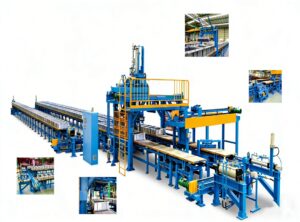
Parameter 2: Sand Compaction Pressure—Critical for Horizontal Molding Precision
Sand compaction pressure is another core parameter affecting horizontal molding quality, directly influencing the dimensional accuracy and surface finish of iron castings produced by the horizontal iron casting molding line.
- The horizontal iron casting molding line uses precise pressure control to compact molding sand into molds during horizontal molding—insufficient pressure leads to loose molds, which collapse under molten iron pressure, causing casting deformation.
- Excessive pressure, on the other hand, делает песчаную форму слишком плотной, уменьшая проницаемость и приводя к газовым дефектам. Оптимальное давление уплотнения для горизонтального литья варьируется в зависимости от размера отливки, сложности и типа песка, и горизонтальная линия литья из чугуна подходит для гибкой настройки этого параметра. Для небольших точных чугунных отливок горизонтальная линия литья из чугуна использует более низкое давление, чтобы избежать повреждения песчаной формы; для больших, толстостенных отливок более высокое давление обеспечивает стабильность формы.
Горизонтальный процесс формования зависит от постоянного давления уплотнения по всей форме, что горизонтальная линия литья из чугуна достигает с помощью автоматических датчиков давления. Эффективное управление давлением уплотнения песка гарантирует, что горизонтальное формование производит высокоточные чугунные отливки и поддерживает стабильную работу горизонтальной линии литья из чугуна.
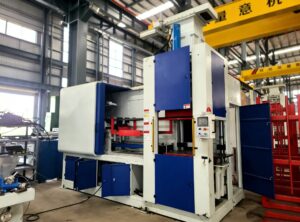
Параметр 3: Температура формы — обеспечение стабильного горизонтального формования и формирования отливок
Температура формы — это ключевой параметр, который напрямую влияет на процесс затвердевания расплавленного железа и качество горизонтального формования в производстве чугунных отливок, тесно связанный с эффективностью горизонтальной линии литья из чугуна.
- The horizontal iron casting molding line должен поддерживать стабильную температуру формы на протяжении horizontal molding чтобы избежать дефектов, таких как холодные замыкания, усадка и трещины. Если температура формы слишком низкая, расплавленное железо затвердевает слишком быстро, что приводит к неполному заполнению и холодным замыканиям; если слишком высокая, затвердевание задерживается, что вызывает усадочные отверстия и деформацию.
- The horizontal iron casting molding line оснащен системами контроля температуры, чтобы регулировать температуру формы в соответствии с требованиями горизонтального формования — предварительный прогрев формы до оптимального диапазона перед заливкой обеспечивает равномерное затвердевание.
- Для горизонтального формования сложных чугунных отливок, горизонтальный чугун литьевая линия использует локализованный контроль температуры, чтобы учитывать различные скорости охлаждения в различных областях формы.
Поддержание правильной температуры формы не только улучшает качество горизонтального формования, но также удлиняет срок службы компонентов формы горизонтальной линии литья из чугуна, снижая затраты на обслуживание и обеспечивая непрерывное производство.
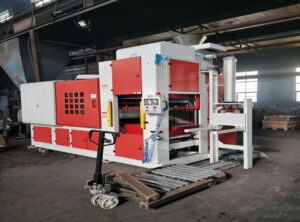
Параметр 4: Температура и скорость заливки — ключ к успеху горизонтального формования
Температура и скорость заливки являются критическими параметрами, влияющими на качество горизонтального формования, так как они определяют, как расплавленное железо заполняет форму в горизонтальной линии литья из чугуна.
- The horizontal iron casting molding line опирается на точное управление этими двумя параметрами, чтобы обеспечить полное и равномерное заполнение без дефектов. Температура заливки для горизонтального формованиядолжна быть достаточно высокой, чтобы расплавленное железо оставалось жидким, но не настолько высокой, чтобы это вызвало эрозию формы или окисление отливки.
- Оптимальная температура варьируется в зависимости от iron casting composition and size, and the horizontal iron casting molding line is calibrated to maintain this temperature consistently. Pouring speed is equally important: too fast, and molten iron splashes, causing sand erosion and uneven filling; too slow, and molten iron solidifies prematurely, leading to incomplete castings.
The horizontal iron литьевая линия uses automated pouring systems to control speed, matching it to the mold’s gating system and horizontal molding requirements. Proper coordination of pouring temperature and speed ensures horizontal molding produces defect-free iron castings and maximizes the horizontal iron casting molding line’s productivity.
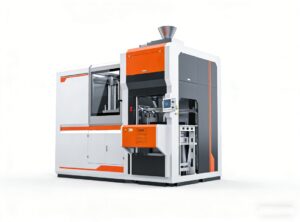
Parameter 5: Mold Parting and Clamping Force—Ensuring Horizontal Molding Precision
Mold parting and clamping force are key parameters that affect the alignment and stability of molds in horizontal molding, directly impacting the horizontal iron casting molding line’s performance.
- The horizontal iron casting molding line uses horizontal mold parting, where the mold is split into two halves for easy casting removal—precise parting alignment is essential to avoid casting misalignment and flash. The горизонтальная линия литья из чугуна’s clamping mechanism applies uniform force to hold the mold halves together during horizontal molding, preventing molten iron leakage and mold movement.
- Insufficient clamping force leads to mold separation and casting defects; excessive force damages the mold and increases wear on the horizontal iron casting molding line. The horizontal molding process relies on the horizontal iron casting molding line’s automated clamping system to adjust force based on mold size and complexity.
Proper control of mold parting and clamping force ensures horizontal molding produces high-precision iron castings and extends the service life of the horizontal iron casting molding line’s components.
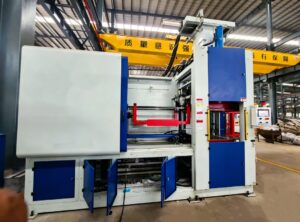
Parameter 6: Cooling Time—Guaranteeing Horizontal Molding Casting Quality
Cooling time is a critical parameter affecting the quality of iron castings produced by horizontal molding and the efficiency of the horizontal iron casting molding line.
- The horizontal iron casting molding line must control cooling time to ensure molten iron solidifies completely and uniformly, avoiding defects like shrinkage, cracks, and residual stress. Cooling time varies based on casting size, thickness, and material—thick-walled iron castings require longer cooling times to prevent internal defects, while thin-walled castings can cool faster to improve horizontal molding efficiency.
- The horizontal iron casting molding line integrates cooling systems to adjust cooling rate, ensuring consistent cooling across the entire casting. Rushing the cooling process leads to premature mold removal and casting deformation; overly long cooling times reduce the horizontal iron casting molding line’s productivity.
Proper cooling time control balances horizontal molding quality and efficiency, ensuring the horizontal iron casting molding line produces high-quality iron castings while maintaining optimal production throughput.
Заключение
Control key parameters to ensure horizontal molding quality and stable horizontal iron casting molding line.
Для горизонтального формования и решений для горизонтальной линии литья из железа,
email:[email protected]
 Russian
  English
  Spanish
  Portuguese
  French
  Indonesian
  Thai
Thai