Пористость и усадка в горизонтальном литье приводят к образованию бракованных изделий; используйте машины для песчаного литья, чтобы устранить проблемы и предотвратить их.
Этот справочник подробно описывает методы устранения пористости и усадки в горизонтальном литье с использованием машин для песчаного литья для предотвращения дефектов и улучшения качества отливок для B2B покупателей.
Изучите решения для устранения дефектов горизонтального литья и применения машин для песчаного литья ниже.
Понимание дефектов пористости в горизонтальном литье
Пористость является одним из самых распространённых и дорогих дефектов в горизонтальном литье, который серьёзно влияет на прочность, герметичность и общее качество отливок, производимых методом горизонтального литья.
- Пористость относится к мелким, разбросанным отверстиям — как на поверхности, так и внутри отливки — которые образуются, когда газ оказывается запертым в процессе горизонтального литья. Эти отверстия снижают плотность отливки, делая её восприимчивой к разрушению под нагрузкой, утечке в условиях давления и даже полной поломке продукта. производительность изоляции машины для песчаного литья играет ключевую роль в контроле пористости в горизонтальном литье, так как его производительность напрямую влияет на эффективность удаления газа в процессе формовки и заливки.
- Согласно данным отрасли, дефекты пористости составляют 35%-40% всех дефектов горизонтального литья, что приводит к уровню брака 8%-12% на неоптимизированных производственных линиях. Общие причины пористости в горизонтальном литье включают плохую проницаемость песка, избыток влаги в формовочном песке, неправильное проектирование системы заливки и недостаточную вентиляцию. При использовании производительность изоляции машины для песчаного литья для горизонтального литья чрезмерно высокое давление уплотнения песка может снизить проницаемость песка, улавливая газ в полости формы и образуя пористость.
Понимание характеристик и коренных причин пористости — это первый критически важный шаг в устранении и предотвращении этого дефекта в горизонтальном литье, а правильная настройка параметров машины для песчаного литья является ключом к эффективному решению этой проблемы.
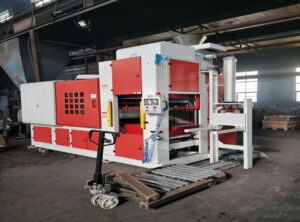
Устранение дефектов пористости в горизонтальном литье с использованием машины для песчаного литья
Устранение дефектов пористости в горизонтальном литье требует целенаправленных, основанных на данных мер, и машина для песчаного литья является основным инструментом для реализации этих решений.
- Во-первых, осмотрите и оптимизируйте формовочный песок, используемый в горизонтальном литье: убедитесь, что песок имеет оптимальную проницаемость и содержание влаги (в идеале 3%-5% для большинства приложений горизонтального литья). Параметры производительность изоляции машины для песчаного литья можно настроить для контроля давления уплотнения — снижая его до оптимального уровня, чтобы улучшить проницаемость песка, позволяя улавливаемому газу беспрепятственно выходить во время горизонтального литья.
- Во-вторых, оцените и измените систему заливки машины для песчаного литья: неразумное проектирование системы заливки вызывает турбулентное движение расплавленного металла, улавливая газ в форме. Настройте систему заливки, чтобы расплавленный металл плавно проходил, вытаскивая газ из полости формы.
- Third, check the venting system of the sand casting molding machine: ensure vents are unobstructed, properly placed, and sized to facilitate efficient gas discharge during horizontal molding.
Additionally, preheat the mold and molten metal to reduce gas generation—this step is easily managed with the temperature control features of modern sand casting molding Machine. Chong Jen Machinery, with years of expertise in horizontal molding and sand casting molding Machine manufacturing, has helped numerous B2B clients reduce porosity defects by 70% or more through customized equipment adjustments and process optimization, ensuring their horizontal molding operations run efficiently and cost-effectively.
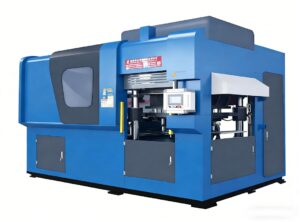
Understanding Shrinkage Defects in Horizontal Molding
Shrinkage is another devastating common defect in horizontal molding, occurring when molten metal shrinks during solidification, leaving behind cavities, depressions, or cracks in the casting.
- Unlike porosity, shrinkage defects are typically larger, more concentrated, and often form in thick-walled sections of castings produced by horizontal molding. These defects not only ruin the casting’s appearance but also drastically reduce its mechanical properties, making it unable to meet industry standards or customer requirements.
- The sand casting molding machine has a significant impact on shrinkage defect occurrence, as its mold temperature control, pouring parameter adjustment, and mold design compatibility directly influence the molten metal’s solidification process in horizontal molding. Industry data shows that shrinkage defects can increase production costs by 15%-20% due to scrap, rework, and material waste.
- Common causes of shrinkage in horizontal molding include uneven casting wall thickness, improper pouring temperature, insufficient feeding systems, and uneven mold cooling. When using a sand casting molding machine for horizontal molding, uneven mold cooling speeds can cause molten metal to solidify too quickly in some areas, leading to inadequate feeding and subsequent shrinkage. Mastering the causes and characteristics of shrinkage is essential for effective prevention and troubleshooting in horizontal molding operations.
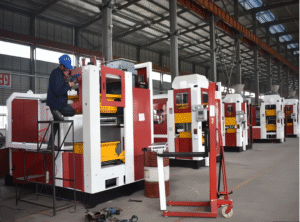
Troubleshooting Shrinkage Defects in Horizontal Molding with Sand Casting Molding Machine
Troubleshooting shrinkage defects in horizontal molding requires optimizing the entire horizontal molding process and leveraging the full capabilities of the sand casting molding machine.
- First, adjust the casting design to ensure uniform wall thickness—thick-walled sections are the primary hotspots for shrinkage, as they cool more slowly and require additional molten metal feeding. The производительность изоляции машины для песчаного литья can be used to produce molds with uniform thickness, providing a stable foundation for consistent molten metal solidification in horizontal molding.
- Second, precisely control pouring temperature and speed using the sand casting molding machine’s intelligent control system: excessively high pouring temperatures increase molten metal shrinkage volume, while overly low temperatures cause incomplete filling. The sand casting molding machine’s precise temperature and speed controls ensure molten metal solidifies uniformly, minimizing shrinkage risk.
- Third, optimize the feeding system by adding risers in key positions using the sand casting molding machine—risers supply additional molten metal during solidification, preventing shrinkage in thick-walled areas.
Additionally, adjust the sand casting molding machine’s mold cooling system to ensure uniform mold temperature, avoiding local overheating or excessive cooling in horizontal molding. These measures, combined with the sand casting molding machine’s advanced performance, can effectively eliminate shrinkage defects and improve the quality of castings produced by horizontal molding.
Preventive Measures for Porosity and Shrinkage in Horizontal Molding
Preventing porosity and shrinkage defects in horizontal molding is far more cost-effective than troubleshooting them after they occur, and the sand casting molding machine is the cornerstone of implementing these preventive strategies.
- First, optimize the quality of molding sand for horizontal molding: use high-quality sand with appropriate permeability, moisture, and strength, and regularly test and adjust sand parameters using the sand casting molding machine’s built-in monitoring features.
- Second, standardize the operation of the sand casting molding machine: ensure compaction pressure, mold temperature, and pouring parameters are set correctly for each horizontal molding job, and conduct regular maintenance to keep the sand casting molding machine in optimal condition.
- Third, design a scientific gating and feeding system: use the sand casting molding machine to produce molds with well-positioned gates and risers, facilitating efficient gas discharge and molten metal feeding during horizontal molding.
- Fourth, preheat molds and molten metal as needed—many modern производительность изоляции машины для песчаного литья models come equipped with integrated preheating functions to control mold temperature precisely, reducing gas generation and shrinkage. The table below, based on data from Chong Jen Machinery’s technical team, shows the impact of preventive measures on defect rates in horizontal molding:
Preventive Measure | Reduction in Porosity Defects | Reduction in Shrinkage Defects | Overall Scrap Rate Reduction |
| Optimize Sand Quality (via Sand Casting Molding Machine) | 65%-70% | 40%-45% | 50%-55% |
| Standardize Sand Casting Molding Machine Operation | 55%-60% | 50%-55% | 52%-58% |
| Optimize Gating/Feeding System | 70%-75% | 60%-65% | 65%-70% |
Common Pitfalls to Avoid in Horizontal Molding Defect Troubleshooting
B2B buyers and operators often encounter common pitfalls when troubleshooting porosity and shrinkage in horizontal molding, which can lead to prolonged downtime, increased costs, and persistent defects.
- One major pitfall is ignoring the connection between sand casting molding machine maintenance and defect occurrence—worn components (such as compaction plates or temperature sensors) can cause inconsistent performance, leading to recurring porosity or shrinkage. Regular maintenance of the производительность изоляции машины для песчаного литья, including component inspection and replacement, is critical to avoiding this issue.
- Another pitfall is over-reliance on manual adjustments instead of leveraging the sand casting molding machine’s intelligent features; modern sand casting molding machine models offer real-time parameter monitoring and automatic adjustments, which are far more accurate than manual interventions for horizontal molding.
- A third pitfall is neglecting the impact of molding sand quality on horizontal molding defects—many operators use subpar sand or fail to adjust sand parameters, leading to preventable porosity. Chong Jen Machinery recommends conducting regular sand quality tests and using the производительность изоляции машины для песчаного литья’s sand conditioning features to ensure optimal sand performance, which is key to minimizing defects in horizontal molding.
How Sand Casting Molding Machine Enhances Horizontal Molding Quality
The sand casting molding machine is the backbone of high-quality horizontal molding, as it provides the precision, consistency, and control needed to prevent porosity and shrinkage defects.
- Unlike traditional molding equipment, modern sand casting molding machine models are equipped with advanced features that streamline horizontal molding operations and reduce human error. For example, automated sand feeding and compaction ensure uniform sand density in the mold, improving permeability and reducing gas trapping (a leading cause of porosity). The производительность изоляции машины для песчаного литья’s precise temperature control system maintains consistent mold and molten metal temperatures, promoting uniform solidification and minimizing shrinkage.
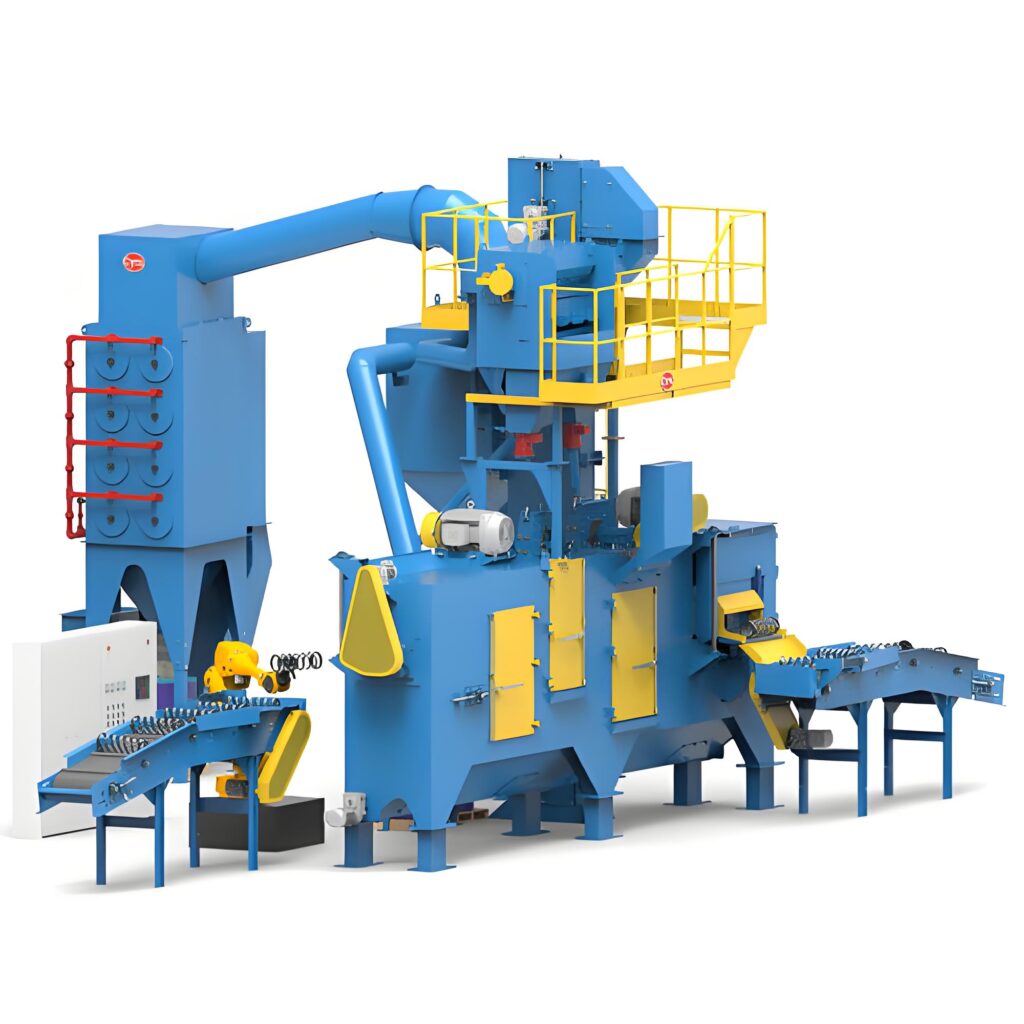
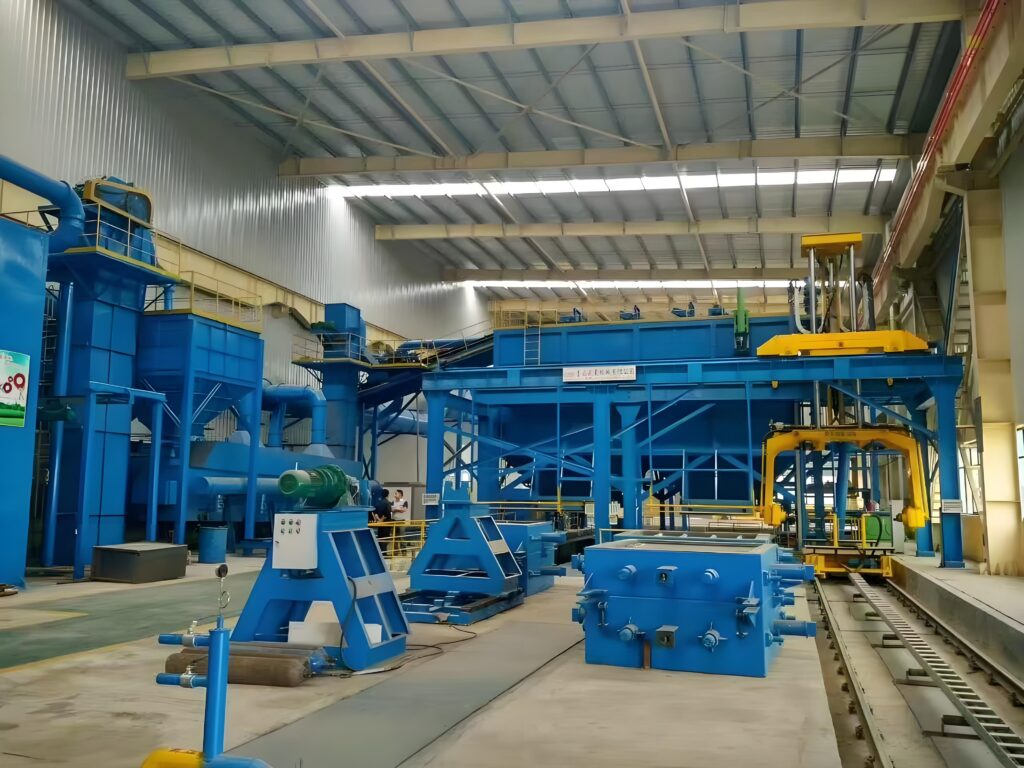
Additionally, many sand casting molding machine models offer integrated defect detection features, allowing operators to identify potential issues in real time during horizontal molding, before defects become costly. For B2B buyers, investing in a high-quality производительность изоляции машины для песчаного литья is not just a purchase—it’s an investment in consistent horizontal molding quality, reduced scrap rates, and long-term operational efficiency. Chong Jen Machinery’s sand casting molding machine models are engineered specifically to address the unique challenges of horizontal molding, with customizable features to meet the diverse needs of different industries and casting applications.
Заключение
Use sand casting molding machine to troubleshoot and prevent horizontal molding defects.
For customized horizontal molding solutions and high-performance sand casting molding machine,
contact Chong Jen Machinery: email:[email protected], or visit our official website for more technical details and case studies.
 Russian
  English
  Spanish
  Portuguese
  French
  Indonesian
  Thai
Thai