A porosidade e o encolhimento na moldagem horizontal causam sucata; utilize a máquina de moldagem por fundição em areia para solucionar problemas e prevenir.
Este guia detalha os métodos de solução de problemas para porosidade e encolhimento na moldagem horizontal, usando a máquina de moldagem por fundição em areia para prevenir defeitos e melhorar a qualidade da fundição para compradores B2B.
Explore abaixo as soluções para defeitos na moldagem horizontal e as aplicações da máquina de moldagem por fundição em areia.
Compreendendo os defeitos de porosidade na moldagem horizontal
A porosidade é um dos defeitos mais comuns e onerosos na moldagem horizontal, que prejudica seriamente a resistência, a vedação e a qualidade geral das fundições produzidas pela moldagem horizontal.
- Porosidade refere-se a pequenos buracos, dispersos - seja na superfície ou dentro da fundição - que se formam quando o gás fica preso durante o processo de moldagem horizontal. Esses buracos reduzem a densidade da fundição, tornando-a suscetível a fraturas sob estresse, vazamentos em aplicações de suporte de pressão e até mesmo falhas completas do produto. A máquina de moldagem por fundição em areia desempenha um papel crucial no controle da porosidade na moldagem horizontal, pois seu desempenho influencia diretamente a eficiência da descarga de gás durante as etapas de moldagem e despejo.
- De acordo com dados da indústria, os defeitos de porosidade representam 35%-40% de todos os defeitos na moldagem horizontal, levando a uma taxa de sucata de 8%-12% em linhas de produção não otimizadas. As causas comuns de porosidade na moldagem horizontal incluem baixa permeabilidade da areia, umidade excessiva na areia de moldagem, design inadequado do sistema de alimentação e ventilação insuficiente. Ao usar uma máquina de moldagem por fundição em areia para moldagem horizontal, a pressão de compactação da areia excessivamente alta pode reduzir a permeabilidade da areia, aprisionando o gás na cavidade do molde e formando porosidade.
Compreender as características e causas raízes da porosidade é o primeiro passo crítico na solução de problemas e prevenção desse defeito na moldagem horizontal, e o ajuste adequado dos parâmetros da máquina de moldagem por fundição em areia é fundamental para resolver esse problema de forma eficaz.
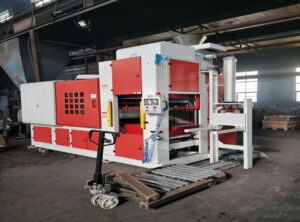
Solução de problemas dos defeitos de porosidade na moldagem horizontal com a máquina de moldagem por fundição em areia
Solução de problemas dos defeitos de porosidade na moldagem horizontal requer medidas direcionadas e baseadas em dados, e a máquina de moldagem por fundição em areia é a ferramenta central para implementar essas soluções.
- Primeiro, inspecione e otimize a areia de moldagem usada na moldagem horizontal: certifique-se de que a areia possui permeabilidade e teor de umidade ideais (idealmente 3%-5% para a maioria das aplicações de moldagem horizontal). A máquina de moldagem por fundição em areia pode ser ajustada para controlar a pressão de compactação - reduzindo-a adequadamente para melhorar a permeabilidade da areia, permitindo que o gás aprisionado escape suavemente durante a moldagem horizontal.
- Em segundo lugar, avalie e modifique o sistema de alimentação da máquina de moldagem por fundição em areia: um design de sistema de alimentação inadequado causará fluxo turbulento do metal fundido, aprisionando o gás no molde. Ajuste o sistema de alimentação para garantir que o metal fundido flua suavemente, levando o gás para fora da cavidade do molde.
- Third, check the venting system of the sand casting molding machine: ensure vents are unobstructed, properly placed, and sized to facilitate efficient gas discharge during horizontal molding.
Additionally, preheat the mold and molten metal to reduce gas generation—this step is easily managed with the temperature control features of modern sand casting molding Machine. Chong Jen Machinery, with years of expertise in horizontal molding and sand casting molding Machine manufacturing, has helped numerous B2B clients reduce porosity defects by 70% or more through customized equipment adjustments and process optimization, ensuring their horizontal molding operations run efficiently and cost-effectively.
Understanding Shrinkage Defects in Horizontal Molding
Shrinkage is another devastating common defect in horizontal molding, occurring when molten metal shrinks during solidification, leaving behind cavities, depressions, or cracks in the casting.
- Unlike porosity, shrinkage defects are typically larger, more concentrated, and often form in thick-walled sections of castings produced by horizontal molding. These defects not only ruin the casting’s appearance but also drastically reduce its mechanical properties, making it unable to meet industry standards or customer requirements.
- The sand casting molding machine has a significant impact on shrinkage defect occurrence, as its mold temperature control, pouring parameter adjustment, and mold design compatibility directly influence the molten metal’s solidification process in horizontal molding. Industry data shows that shrinkage defects can increase production costs by 15%-20% due to scrap, rework, and material waste.
- Common causes of shrinkage in horizontal molding include uneven casting wall thickness, improper pouring temperature, insufficient feeding systems, and uneven mold cooling. When using a sand casting molding machine for horizontal molding, uneven mold cooling speeds can cause molten metal to solidify too quickly in some areas, leading to inadequate feeding and subsequent shrinkage. Mastering the causes and characteristics of shrinkage is essential for effective prevention and troubleshooting in horizontal molding operations.
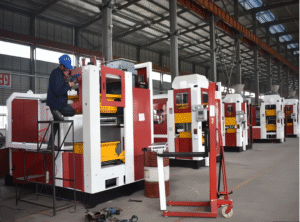
Troubleshooting Shrinkage Defects in Horizontal Molding with Sand Casting Molding Machine
Troubleshooting shrinkage defects in horizontal molding requires optimizing the entire horizontal molding process and leveraging the full capabilities of the sand casting molding machine.
- First, adjust the casting design to ensure uniform wall thickness—thick-walled sections are the primary hotspots for shrinkage, as they cool more slowly and require additional molten metal feeding. The máquina de moldagem por fundição em areia can be used to produce molds with uniform thickness, providing a stable foundation for consistent molten metal solidification in horizontal molding.
- Second, precisely control pouring temperature and speed using the sand casting molding machine’s intelligent control system: excessively high pouring temperatures increase molten metal shrinkage volume, while overly low temperatures cause incomplete filling. The sand casting molding machine’s precise temperature and speed controls ensure molten metal solidifies uniformly, minimizing shrinkage risk.
- Third, optimize the feeding system by adding risers in key positions using the sand casting molding machine—risers supply additional molten metal during solidification, preventing shrinkage in thick-walled areas.
Additionally, adjust the sand casting molding machine’s mold cooling system to ensure uniform mold temperature, avoiding local overheating or excessive cooling in horizontal molding. These measures, combined with the sand casting molding machine’s advanced performance, can effectively eliminate shrinkage defects and improve the quality of castings produced by horizontal molding.
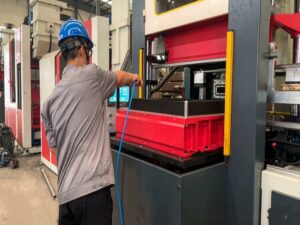
Preventive Measures for Porosity and Shrinkage in Horizontal Molding
Preventing porosity and shrinkage defects in horizontal molding is far more cost-effective than troubleshooting them after they occur, and the sand casting molding machine is the cornerstone of implementing these preventive strategies.
- First, optimize the quality of molding sand for horizontal molding: use high-quality sand with appropriate permeability, moisture, and strength, and regularly test and adjust sand parameters using the sand casting molding machine’s built-in monitoring features.
- Second, standardize the operation of the sand casting molding machine: ensure compaction pressure, mold temperature, and pouring parameters are set correctly for each horizontal molding job, and conduct regular maintenance to keep the sand casting molding machine in optimal condition.
- Third, design a scientific gating and feeding system: use the sand casting molding machine to produce molds with well-positioned gates and risers, facilitating efficient gas discharge and molten metal feeding during horizontal molding.
- Fourth, preheat molds and molten metal as needed—many modern máquina de moldagem por fundição em areia models come equipped with integrated preheating functions to control mold temperature precisely, reducing gas generation and shrinkage. The table below, based on data from Chong Jen Machinery’s technical team, shows the impact of preventive measures on defect rates in horizontal molding:
Preventive Measure | Reduction in Porosity Defects | Reduction in Shrinkage Defects | Overall Scrap Rate Reduction |
| Optimize Sand Quality (via Sand Casting Molding Machine) | 65%-70% | 40%-45% | 50%-55% |
| Standardize Sand Casting Molding Machine Operation | 55%-60% | 50%-55% | 52%-58% |
| Optimize Gating/Feeding System | 70%-75% | 60%-65% | 65%-70% |
Common Pitfalls to Avoid in Horizontal Molding Defect Troubleshooting
B2B buyers and operators often encounter common pitfalls when troubleshooting porosity and shrinkage in horizontal molding, which can lead to prolonged downtime, increased costs, and persistent defects.
- One major pitfall is ignoring the connection between sand casting molding machine maintenance and defect occurrence—worn components (such as compaction plates or temperature sensors) can cause inconsistent performance, leading to recurring porosity or shrinkage. Regular maintenance of the máquina de moldagem por fundição em areia, including component inspection and replacement, is critical to avoiding this issue.
- Another pitfall is over-reliance on manual adjustments instead of leveraging the sand casting molding machine’s intelligent features; modern sand casting molding machine models offer real-time parameter monitoring and automatic adjustments, which are far more accurate than manual interventions for horizontal molding.
- A third pitfall is neglecting the impact of molding sand quality on horizontal molding defects—many operators use subpar sand or fail to adjust sand parameters, leading to preventable porosity. Chong Jen Machinery recommends conducting regular sand quality tests and using the máquina de moldagem por fundição em areia’s sand conditioning features to ensure optimal sand performance, which is key to minimizing defects in horizontal molding.
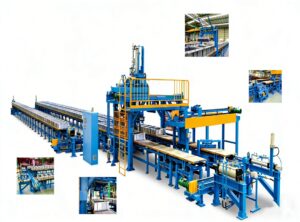
How Sand Casting Molding Machine Enhances Horizontal Molding Quality
The sand casting molding machine is the backbone of high-quality horizontal molding, as it provides the precision, consistency, and control needed to prevent porosity and shrinkage defects.
- Unlike traditional molding equipment, modern sand casting molding machine models are equipped with advanced features that streamline horizontal molding operations and reduce human error. For example, automated sand feeding and compaction ensure uniform sand density in the mold, improving permeability and reducing gas trapping (a leading cause of porosity). The máquina de moldagem por fundição em areia’O sistema de controle de temperatura preciso da 's mantém temperaturas consistentes de molde e metal fundido, promovendo solidificação uniforme e minimizando a contração.
Além disso, muitos modelos de máquinas de moldagem por areia oferecem recursos integrados de detecção de defeitos, permitindo que os operadores identifiquem problemas potenciais em tempo real durante a moldagem horizontal, antes que os defeitos se tornem dispendiosos. Para compradores B2B, investir em um produto de alta qualidade máquina de moldagem por fundição em areia não é apenas uma compra—é um investimento em qualidade consistente de moldagem horizontal, taxas reduzidas de sucata e eficiência operacional a longo prazo. Os modelos de máquinas de moldagem por areia da Chong Jen Machinery são projetados especificamente para enfrentar os desafios únicos da moldagem horizontal, com recursos personalizáveis para atender às diversas necessidades de diferentes indústrias e aplicações de fundição.
Conclusão
Use a máquina de moldagem por areia para solucionar problemas e prevenir defeitos na moldagem horizontal.
Para soluções de moldagem horizontal personalizadas e máquinas de moldagem por areia de alto desempenho,
entre em contato com a Chong Jen Machinery: email:[email protected], ou visite nosso site oficial para mais detalhes técnicos e estudos de caso.
 Portuguese
  English
  Russian
  Spanish
  French
  Indonesian
  Thai
Thai