
Could Poor Molding Equipment Line Design Put a New Foundry Project at Risk?
New Foundry Projects involve major capital, long approval cycles, and complex coordination between production, civil engineering, utilities, and environmental systems. If capacity is estimated incorrectly or equipment is selected before the site is fully surveyed, the result may be an oversized line, construction changes, delayed commissioning, or costly production limitations.
Reliable Molding Equipment Line Design begins with verified product data, capacity targets, material flow, utility calculations, civil construction reservations, and future expansion planning. Our Manufacturer and Supplier provides Customizable OEM and ODM Foundry Molding Equipment solutions with integrated engineering, commissioning, training, and after-sales support.
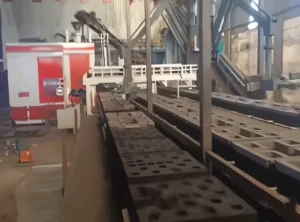
Pre-Project Survey and Capacity Planning
A successful new foundry molding line starts before equipment selection. The project team should define the product portfolio, production targets, casting materials, quality requirements, labor model, and downstream process connections. These inputs determine the appropriate molding method, line speed, handling system, sand system, and cleaning capacity.
Information required during the preliminary survey
- Annual, monthly, and hourly production targets
- Product dimensions, casting weights, patterns, and material grades
- Product mix, changeover frequency, and expected future development
- Required molding flask size, mold height, and core usage
- Melting, pouring, cooling, shakeout, cleaning, inspection, and machining capacity
- Available land area, workshop height, local climate, and geological conditions
- Power supply, water, compressed air, drainage, ventilation, and fuel availability
- Local environmental, fire safety, occupational health, and emissions requirements
Capacity should be calculated from the complete process rather than molding speed alone. The molding line must be balanced with melting, pouring, cooling, shakeout, sand reclamation, casting cleaning, inspection, and dispatch. A line that produces molds faster than the furnace or cleaning department can support may create work-in-process accumulation instead of higher output.
Capacity planning sequence
- Classify products by size, weight, material, and production frequency.
- Calculate required annual and peak-hour output.
- Determine molding cycle time and expected equipment availability.
- Match furnace, pouring, cooling, shakeout, and cleaning capacity.
- Reserve capacity for maintenance, changeovers, quality checks, and future growth.
- Confirm the final process balance before issuing equipment specifications.
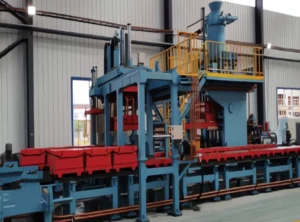
Civil Construction Reservation Requirements
Civil engineering must proceed from the approved process layout. Foundations, pits, structural openings, workshop height, transport routes, drainage, and service corridors should be reserved before construction begins. Late changes to heavy Foundry Molding Equipment locations can affect steel structures, concrete work, electrical routing, and project completion dates.
| Civil reservation area | Key planning considerations | Procurement risk if overlooked |
| Equipment foundations | Static load, dynamic load, anchor positions, vibration, and grouting | Installation delay or structural modification |
| Workshop height | Machine height, lifting clearance, cranes, ducts, and maintenance access | Insufficient service and replacement space |
| Material flow openings | Door width, transport routes, conveyor passages, and turning radius | Difficulty moving equipment or castings |
| Utility corridors | Power, compressed air, water, drainage, controls, and communication cables | Unplanned site work and commissioning delays |
| Environmental systems | Dust collection, exhaust ducting, discharge areas, and fire safety separation | Compliance problems and unsafe operation |
Items to confirm before construction release
- Approved general arrangement drawings and equipment coordinates
- Foundation drawings, embedded plates, anchor bolts, and load data
- Crane capacity and lifting paths for installation and future maintenance
- Safe access platforms, stairs, guards, and inspection points
- Dust collector position, duct routes, filter replacement space, and waste handling
- Electrical room capacity, cable trays, grounding, and control cabinet locations
- Drainage and cleaning provisions for sand, water, oil, and process waste
- Reserved space for expansion, spare parts, and maintenance workshops
Full Set Molding Equipment Configuration Scheme
A professional Manufacturer should provide a complete process configuration rather than a standalone molding machine. The scheme should explain how each department connects, how materials move, and how production information is controlled. A Supplier should also identify equipment boundaries, interface responsibilities, and optional future modules.
Typical Foundry Molding Equipment scope
- Pattern storage, pattern change, and mold preparation systems
- Sand preparation, mixing, cooling, conveying, and reclamation equipment
- Molding machines, flask handling, mold transfer, and mold assembly systems
- Core storage, core setting, checking, and traceability equipment
- Pouring systems, ladle transfer, inoculation, and process monitoring
- Cooling conveyors, shakeout machines, and casting separation systems
- Sand return, magnetic separation, screening, and dust collection systems
- Roller conveyors, elevators, transfer cars, and production buffers
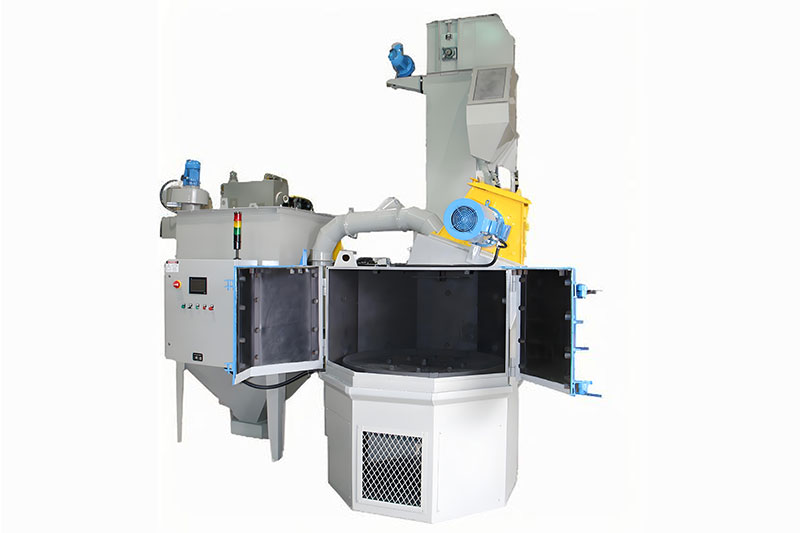
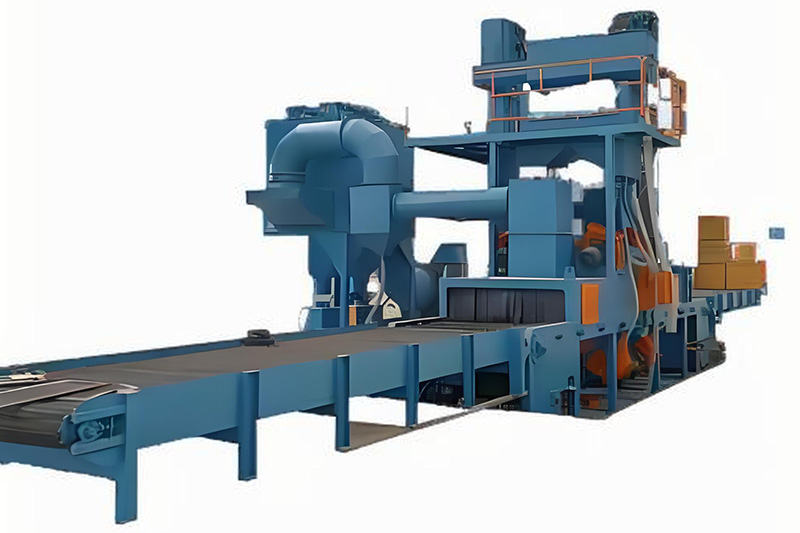
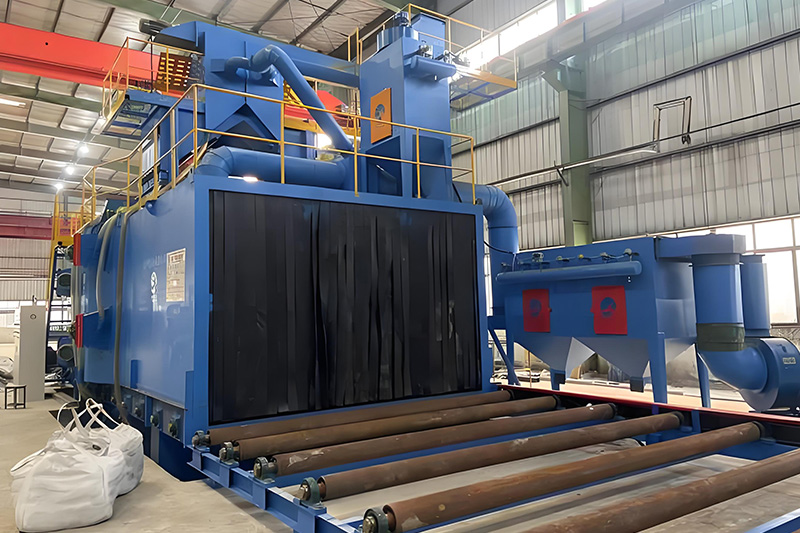
- Shot blasting, fettling, grinding, inspection, and defect handling equipment
- Central control, data collection, safety interlocks, and production reporting
Equipment selection should consider product changeover and maintenance, not only rated output. A Customizable OEM or ODM solution may include adjustable mold dimensions, automated pattern exchange, variable conveyor speeds, recipe management, and inspection interfaces. These functions can improve flexibility when the product portfolio is expected to expand.
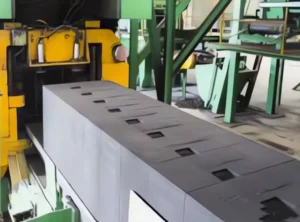
Project Timeline for a New Foundry Molding Line
New Foundry Projects commonly require coordination between feasibility approval, basic engineering, equipment specification, civil construction, manufacturing, installation, and production validation. A clear responsibility matrix reduces delays caused by incomplete information or late design changes.
- Complete market, product, site, and utility feasibility studies.
- Approve production targets, process routes, and preliminary investment scope.
- Conduct the site survey and finalize the general arrangement.
- Issue technical specifications and invite qualified Manufacturers and Suppliers.
- Review proposals, verify references, perform technical clarification, and sign the contract.
- Release detailed engineering, foundation data, utility requirements, and interface drawings.
- Manufacture, inspect, and test the equipment before shipment.
- Complete civil works, utility installation, equipment delivery, and mechanical assembly.
- Perform dry commissioning, safety checks, empty-load testing, and process trials.
- Conduct performance acceptance using approved production samples and criteria.
| Project phase | Primary deliverables |
| Feasibility | Product analysis, capacity model, site review, and preliminary investment plan |
| Basic engineering | Process flow, layout, utility balance, environmental concept, and civil data |
| Procurement | Technical specification, commercial comparison, contract, and responsibility matrix |
| Manufacturing | Detailed drawings, quality records, factory testing, and shipping documentation |
| Installation | Foundation inspection, assembly, wiring, piping, and interface verification |
| Acceptance | Performance testing, training records, handover documents, and maintenance plan |
Commissioning, Training, and After-Sales Support
Commissioning should be treated as a controlled engineering stage, not a short equipment start-up. The Supplier should provide installation supervision, parameter setting, safety verification, trial production, and performance testing. Acceptance criteria should cover output, mold quality, dimensional stability, sand performance, equipment availability, noise, dust control, and operator safety.
Support requirements for project handover
- Operator and maintenance training for each major system
- Standard operating procedures and emergency instructions
- Electrical drawings, mechanical drawings, manuals, and spare parts lists
- Preventive maintenance schedules and lubrication standards
- Recommended critical spare parts and replenishment lead times
- Remote diagnostic capability and technical response procedures
- Production support during ramp-up and documented corrective actions
- Warranty terms linked to clearly defined acceptance responsibilities
Before signing the final acceptance record, the project team should confirm that operators can run the line independently, maintenance personnel understand wear components, and all technical documents are complete. Long-term support is especially important when the line includes Customizable controls, integrated conveyors, sand systems, and multiple process interfaces.
Plan the Foundry Project Before Ordering Equipment
Approve the process route, capacity model, civil requirements, equipment scope, schedule, and support plan before releasing a major order. Contact our team for site-based Molding Equipment Line Design and a Customizable OEM or ODM Foundry Molding Equipment proposal for your New Foundry Projects.
 English
  Russian
  Spanish
  Portuguese
  French
  Indonesian
  Thai
Thai