
Low winter temperatures damage shot blasters; scientific anti-freezing maintenance ensures stable shot blasting and shot blast operations.
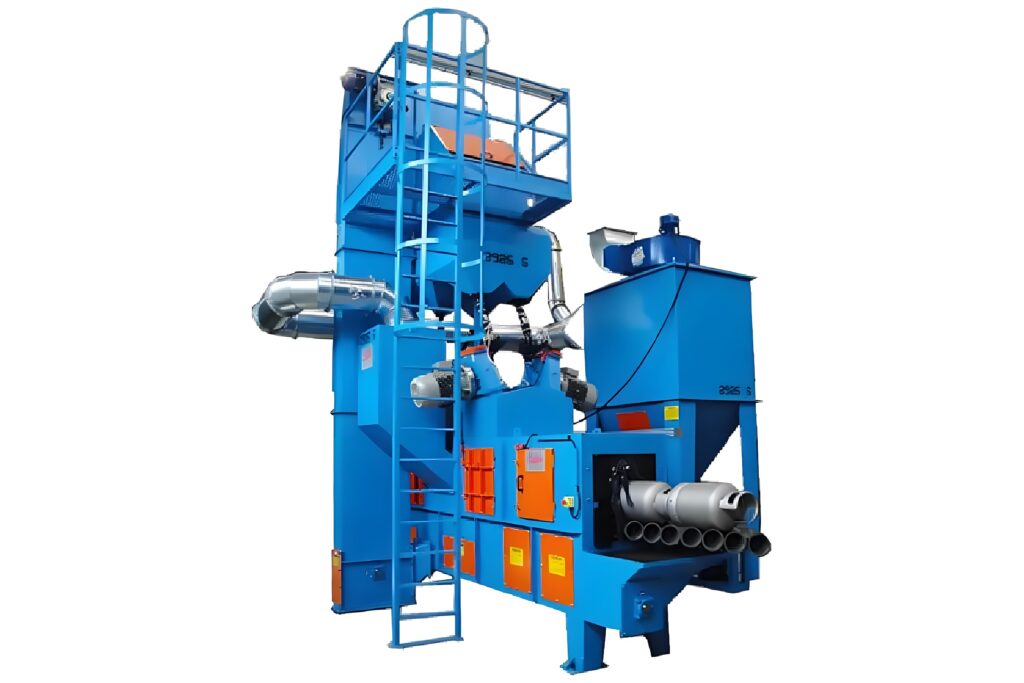
This guide details anti-freezing maintenance methods for shot blasting machines in winter, helping protect shot blasters and ensure smooth, efficient shot blast and shot blasting work.
Explore key anti-freezing maintenance points and precautions for shot blasters below.
Why Is Anti-Freezing Maintenance Critical for Shot Blasting Machines in Winter?
Winter’s low temperatures (often below 0℃) pose serious threats to shot blasting machines and shot blasters, making anti-freezing maintenance an indispensable part of winter operations. Without proper maintenance, the water and lubricating oil in shot blasters can freeze, leading to a series of faults:
- frozen pipelines block abrasive circulation, affecting shot blast efficiency; frozen lubricating oil loses its lubrication effect, increasing friction between moving parts (such as impellers and bearings) and causing severe wear or jamming;
- low temperatures can also crack the shot blasting machine’s tank, hopper, or electrical components, resulting in costly repairs and long downtime. These issues not only disrupt normal shot blasting operations but also shorten the service life of the shot blaster, increasing production costs.
In contrast, scientific anti-freezing maintenance can effectively prevent these problems, ensuring that the shot blasting machine operates stably, maintaining consistent shot blast quality, reducing fault rates by 60% or more, and avoiding production delays caused by equipment freezing. For enterprises relying on shot blasting and shot blast processes, winter anti-freezing maintenance of shot blasters is directly related to production efficiency and operational costs.
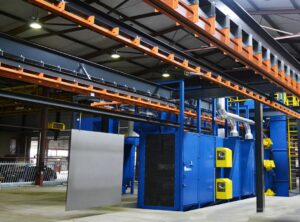
Key Anti-Freezing Maintenance for Shot Blasting Machine Hydraulic and Pneumatic Systems
The hydraulic and pneumatic systems of shot blasting machines are the most vulnerable to freezing in winter, as they contain a large amount of oil and compressed air that can condense into water. Proper maintenance of these systems is crucial to prevent freezing faults and ensure normal shot blast operations.
- Replace the hydraulic oil and lubricating oil with winter-specific types: choose low-viscosity, anti-freezing hydraulic oil (suitable for temperatures below -10℃) and lubricating oil to ensure they remain fluid at low temperatures and maintain good lubrication and transmission performance. Drain the old oil completely before replacement, clean the oil tank and pipelines to remove impurities, and add new oil to the specified level.
- Handle the pneumatic system: drain the condensed water in the air compressor, air storage tank, and pipelines of the shot blaster every 2-4 hours during operation, as condensed water can freeze and block pipelines or damage valves. Install automatic drain valves if possible to reduce manual operation.
- Insulate hydraulic and pneumatic pipelines: wrap the pipelines with thermal insulation cotton or insulation sleeves to prevent heat loss and freezing, focusing on pipe joints and valves which are more prone to freezing.
After daily operation, run the shot blasting machine idle for 5-10 minutes to drain residual oil and water, reducing the risk of freezing overnight. These measures can effectively protect the hydraulic and pneumatic systems of the shot blaster, ensuring smooth shot blast operations in winter.
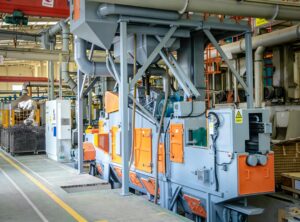
Anti-Freezing Maintenance for Shot Blasting Machine Electrical Components
Electrical components of shot blasting machines are sensitive to low temperatures and humidity, and improper anti-freezing maintenance can lead to short circuits, component burnout, or failure to start—disrupting shot blasting work. To protect electrical components in winter, follow these key maintenance steps:
- Keep the shot blaster’s electrical control cabinet dry and warm: install a heating plate or insulation pad inside the cabinet to maintain the internal temperature above 5℃, preventing condensation and freezing of electrical components (such as contactors, relays, and sensors). Check the cabinet’s sealing performance regularly, repair any gaps or damage to prevent cold air and moisture from entering.
- Inspect and protect cables: check the shot blasting machine’s power cables, signal cables, and connection terminals for cracks, aging, or loose connections—low temperatures can make cables brittle and prone to breaking. Wrap vulnerable cables with insulation sleeves and tighten loose terminals to ensure stable electrical connection.
- Conduct pre-start inspections: before starting the shot blaster every day, check the electrical components for frost or condensation, wipe them dry with a dry cloth if necessary, and test the power supply and control system to ensure they work normally.
- After daily operation, cut off the power supply, close the control cabinet door tightly, and cover the shot blaster with a waterproof and dustproof cover to prevent frost and moisture from damaging electrical components.
Proper maintenance of electrical components ensures that the shot blasting machine can start normally and operate stably in low-temperature environments, avoiding shot blast interruptions.
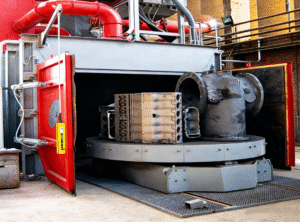
Anti-Freezing Maintenance for Shot Blasting Machine Abrasive and Shot Blast Systems
The abrasive and shot blast systems (including hoppers, pipelines, impellers, and nozzles) of shot blasting machines are also prone to freezing problems in winter, especially when the abrasive contains moisture or is stored in cold environments. Frozen abrasive can block pipelines and impellers, affecting shot blast intensity and efficiency—so anti-freezing maintenance of these systems is essential.
- Ensure the abrasive is dry: before adding abrasive to the shot blaster’s hopper, dry it thoroughly to remove moisture (moist abrasive can agglomerate and freeze in low temperatures). Store abrasive in a dry, warm warehouse, avoid placing it outdoors or in cold, humid areas. Install a drying device in the hopper if necessary to prevent the abrasive from absorbing moisture and freezing during use.
- Clean and unblock pipelines: after daily operation, clean the shot blaster’s abrasive pipelines, nozzles, and impellers to remove residual abrasive—frozen residual abrasive can block the system and cause jamming when starting the machine the next day. Use compressed air to blow through the pipelines to ensure they are unobstructed.
- Protect the hopper and shot blast components: wrap the abrasive hopper with thermal insulation cotton to prevent the abrasive inside from freezing. Check the impeller and nozzles for wear or frost, and lubricate the impeller bearing with winter-specific lubricating oil to ensure it rotates smoothly.
- Adjust shot blast parameters appropriately: in low temperatures, the abrasive’s fluidity may decrease—adjust the shot blast flow rate and impeller speed appropriately to ensure uniform shot blast and avoid excessive load on the shot blaster.
These measures can effectively prevent the abrasive and shot blast systems from freezing, ensuring that the shot blasting machine maintains good shot blast performance in winter.
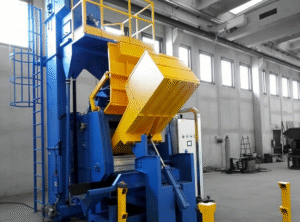
Daily and Weekly Anti-Freezing Maintenance Schedules for Shot Blasting Machines
Establishing a regular daily and weekly anti-freezing maintenance schedule is key to ensuring long-term stable operation of shot blasting machines in winter, avoiding missed maintenance and potential freezing faults.
- Daily anti-freezing maintenance (to be completed before and after operation): before starting the shot blaster, check the hydraulic oil, lubricating oil, and abrasive for freezing or condensation; inspect the electrical control cabinet, cables, and pipelines for frost or damage; drain condensed water from the pneumatic system; start the machine and run it idle for 3-5 minutes to preheat the system. After operation, clean the shot blaster’s abrasive system, pipelines, and nozzles; drain residual oil and water from hydraulic and pneumatic systems; cut off the power supply, close the control cabinet, and cover the machine with a protective cover.
- Weekly anti-freezing maintenance (to be completed once a week): thoroughly inspect the hydraulic and pneumatic systems, replace any deteriorated oil or damaged seals; check the insulation of pipelines and electrical components, repair or replace damaged insulation materials; clean the abrasive hopper and drying device, ensure they work normally; inspect the impeller, nozzles, and other shot blast components for wear, replace them if necessary; test the overall performance of the shot blaster, adjust parameters to ensure stable shot blast.
Additionally, keep a maintenance record, recording the maintenance content, time, and any faults found—this helps summarize experience, optimize maintenance measures, and prevent repeated freezing problems. Adhering to this schedule ensures that the shot blaster is fully protected, maintaining efficient and stable shot blasting operations throughout winter.
Conclusion
Scientific anti-freezing maintenance protects shot blasters and ensures stable winter shot blast.
For professional advice on winter shot blasting machine anti-freezing maintenance,
contact us via email: [email protected]
 English
  Russian
  Spanish
  Portuguese
  French
  Indonesian
  Thai
Thai