
Avoid Costly Repeats: Designing an Effective Blast Pattern Test for Your New Wheel Blasting Machine
New wheel blasting machines often suffer from long commissioning cycles, excessive steel shot loss, and repeated debugging. These issues increase consumable costs and delay production. Implement a standardized blast pattern test that quickly calibrates wheel angle, speed, and feed rates to reduce abrasive waste and shorten commissioning time.
Our company recommends factory-preset shot blasting parameters, complete shot trajectory testing, and documented commissioning protocols to ensure OEM/ODM consistency and rapid on-site calibration for any Manufacturer or Supplier.
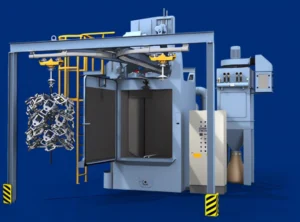
Core Objectives and Test Planning
Goals
- Minimize steel shot consumption and abrasive waste while meeting surface cleanliness targets.
- Rapidly match blasting head angle and wheel rotational speed to specific workpieces.
- Shorten commissioning and debugging cycles to increase cleaning capacity quickly.
Stakeholders
- Manufacturer engineering team for wheel blasting machine setup and factory tests.
- Supplier or OEM representatives responsible for spare parts and parameter presets.
- End-user process engineers to validate compatibility with foundry machinery and production flow.
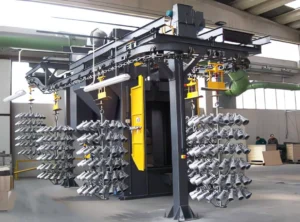
Standardized Shot Trajectory and Pattern Test Procedure
- Define target surface finish and production throughput metrics for the shot blasting machine or wheel blast cell.
- Select representative workpieces and mark test zones for measurement of coverage and profile.
- Set baseline parameters: wheel RPM, abrasive flow, wheel angle, feed speed, and blast distance.
- Run short-duration passes (10–30 seconds) across marked zones; measure shot coverage, profile depth, and rebound.
- Adjust one variable at a time (angle, RPM, feed) and repeat passes to isolate effects.
- Document optimal parameter set and add to factory-preset profiles for OEM/ODM replication.
Equipment Commissioning, Debugging, and Factory-Preset Parameters
- Commissioning checklist: electrical controls, wheel bearings, abrasive metering, dust collection, and safety interlocks on the wheel blasting machine.
- Factory FAT should include comprehensive shot blasting tests prior to shipment, with recorded wheel blast patterns and recommended RPM/angle presets.
- Customizable control profiles allow Supplier or Manufacturer to upload OEM/ODM presets, reducing on-site trial cycles.
| Parameter | Typical Range | Purpose |
| Wheel RPM | 800–2400 rpm | Controls kinetic energy and coverage |
| Wheel Angle | 15°–60° | Affects penetration vs. coverage |
| Feed Speed | 0.1–1.0 m/s | Determines exposure time per area |
Reducing Steel Shot Loss and Consumable Usage
Techniques
- Use trajectory measurement: place coated witness panels to quantify shot strikes and rebound zones.
- Optimize wheel geometry and nozzle placement to lower scatter and maximize reuse in closed-loop foundry machinery reclaim systems.
- Implement metered abrasive feeders and vibrating separators to minimize waste and maintain consistent shot size.
Measurement Metrics
- Shot retention rate: measure weight of reclaimed shot vs initial charge after a fixed operation time.
- Abrasive degradation index: sieve analysis after testing to determine wear rate.
- Cleaning efficiency: parts per hour meeting target cleanliness.
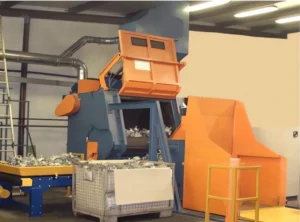
Rapid Parameter Calibration and Debugging Workflow
- Use a stepwise calibration matrix: start from factory-preset OEM/ODM settings, then apply incremental adjustments in 10% steps.
- Adopt a digital checklist for on-site technicians provided by the Manufacturer or Supplier to ensure repeatability.
- Schedule paired operator training and commissioning days to reduce repeated debugging after handover.
| Stage | Duration | Deliverables |
| Factory FAT & Preset | 1–3 days | Parameter files, test videos |
| On-site Commissioning | 2–5 days | Accepted SAT report, operator training |
| Optimization Runs | 1–2 weeks | Final parameter registry, consumable plan |
Comprehensive Shot Blasting Tests Prior to Shipment
- Insist that the Manufacturer conducts full-scale wheel blast trials with your representative parts and provides documented results.
- Require Supplier to supply a parameter transfer package: control files, angle/RPM settings, abrasive spec, and inspection checklists.
- Agree on acceptance criteria for cleaning, profile depth, and consumable consumption before final payment.
Integration With Foundry Machinery and Procurement Considerations
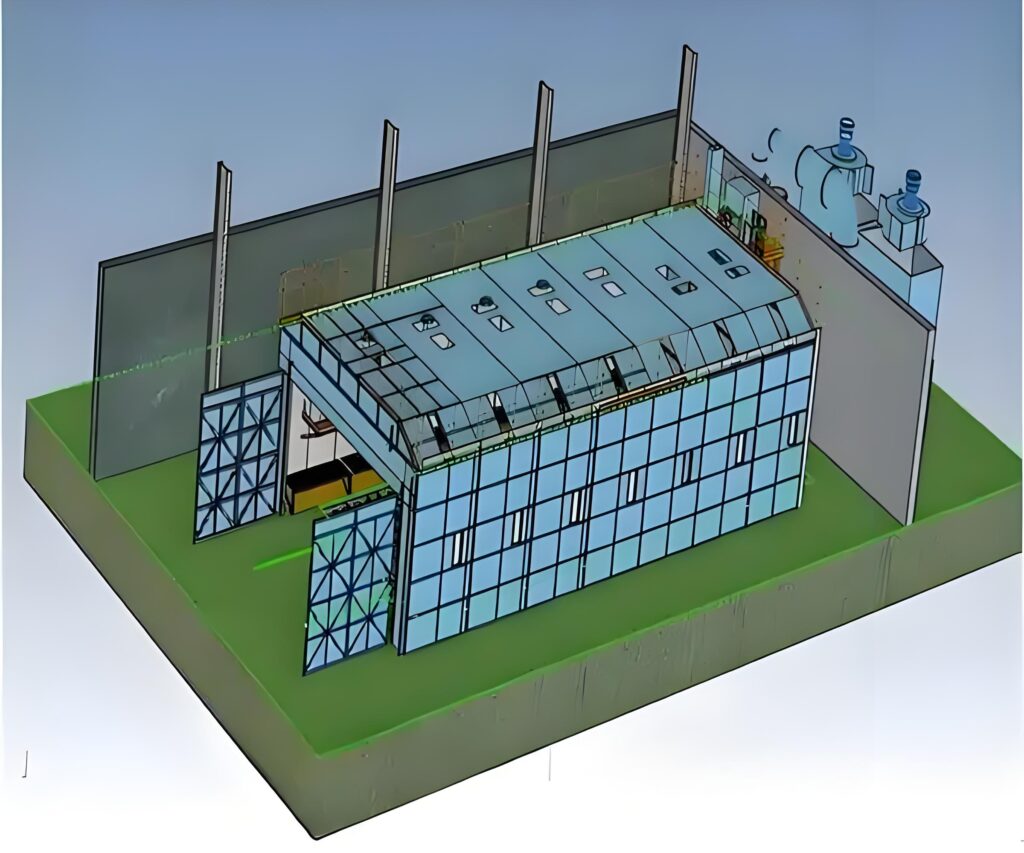
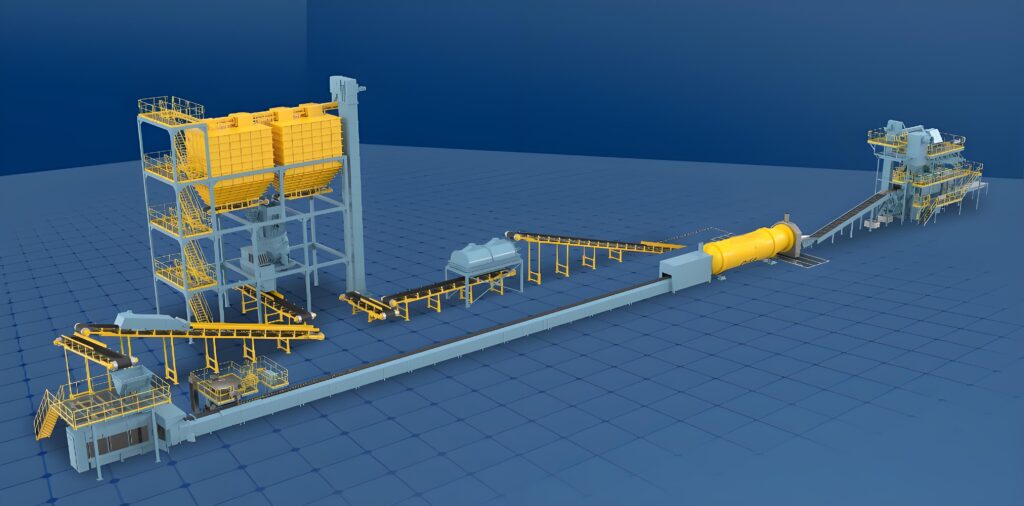
- Ensure the wheel blasting machine interfaces mechanically and electrically with existing foundry machinery lines; request 3D integration models from the Manufacturer.
- Evaluate Customizable options: automated loaders, reclaimed shot systems, and dust collectors from your Supplier or chosen OEM partner.
- Document OEM vs ODM responsibilities: who supplies control software, who owns presets, and warranty coverage for consumables and wear parts.
Actionable Checklist Before Ordering
- Provide representative parts and surface targets to the Manufacturer for factory testing.
- Obtain factory-preset parameter files and a documented commissioning plan from the Supplier or OEM/ODM partner.
- Include shot trajectory tests, abrasive usage estimates, and acceptance criteria in the contract.
- Plan for spare parts kits, remote support, and operator training to shorten debugging cycles.
Conclusion
Request factory-blast pattern reports, OEM/ODM parameter packs, and Supplier-led commissioning to reduce shot loss and accelerate ramp-up; contact our team to schedule a pilot wheel blast test and secure factory presets.
 English
  Russian
  Spanish
  Portuguese
  French
  Indonesian
  Thai
Thai