
Wrong Blasting Process Can Turn Low Price into High Scrap and Compliance Costs
Choosing dry or wet blasting only by part appearance can create hidden losses. Excessive dust may trigger environmental fines, production stoppages, and costly upgrades. Dry blasting precision aluminum, magnesium, or stainless steel can also cause oxidation, corrosion, batch rejection, and rework. Procurement teams need to compare long-term process costs, not only the initial Shot Blasting Machine price.
Choose dry blasting for robust steel parts when dust control and water availability are manageable. Choose wet blasting for sensitive non-ferrous, aerospace, medical, and small stainless steel parts when oxidation prevention and environmental control are priorities. Our company provides a free process compliance assessment and customized equipment recommendation.
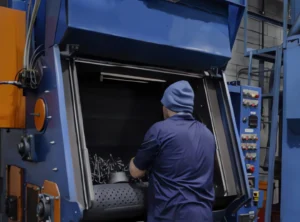
Do Not Select Equipment by Workpiece Alone
Determining the sandblasting process solely from workpiece shape or compatibility is a frequent purchasing error. The correct decision must also consider local environmental regulations, wastewater treatment infrastructure, dust compliance, oxidation prevention, utilities, waste management, maintenance, and annual scrap loss.
- Environmental policy: dust limits, inspection frequency, operating permits, and potential shutdown risks.
- Workpiece material: carbon steel, aluminum, magnesium, stainless steel, composites, or coated parts.
- Production requirements: batch size, cycle time, automation level, and surface finish consistency.
- Facility conditions: water supply, drainage, electrical capacity, ventilation, and available floor space.
- Operating costs: water treatment O&M expenses, abrasive consumption, dust collection consumables, labor, and maintenance.
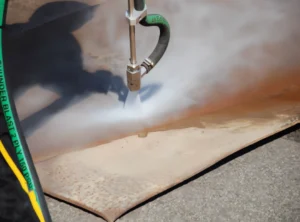
Which Parts Suit Dry Blasting?
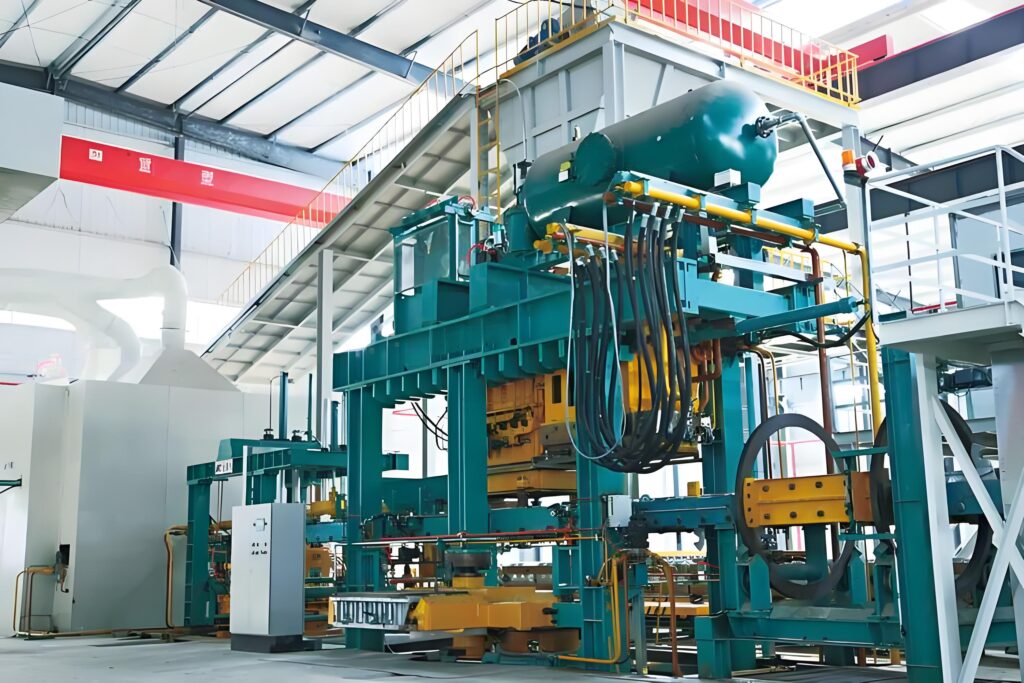
Dry blasting is often the practical choice for steel structure H-beams, heavy fabricated frames, castings, pipelines, and other durable components. It provides strong cleaning and high throughput without requiring process water, making it suitable for water-scarce facilities and heavy industrial zones where wet-system water treatment is expensive.
Common dry blasting applications
- Steel structure H-beams requiring mill scale and rust removal.
- Heavy castings requiring aggressive descaling or rough deburring.
- Outdoor or remote sites with limited water supply.
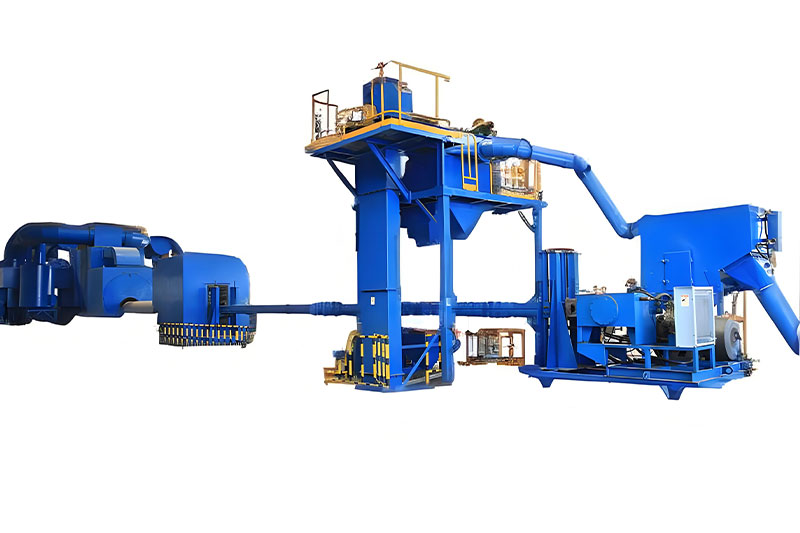
- High-volume production requiring Wheelblast Equipment or automated wheel blast equipment.
However, dry blasting can generate substantial dust. Buyers may need large-scale dust collection equipment, routine dust testing, filter replacement, abrasive separation, and additional ventilation. A low-cost dry system can become uneconomical when environmental fines, plant shutdowns, and replacement of dust collection consumables are included in the annual budget.
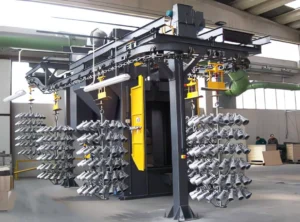
Which Parts Require Wet Blasting?
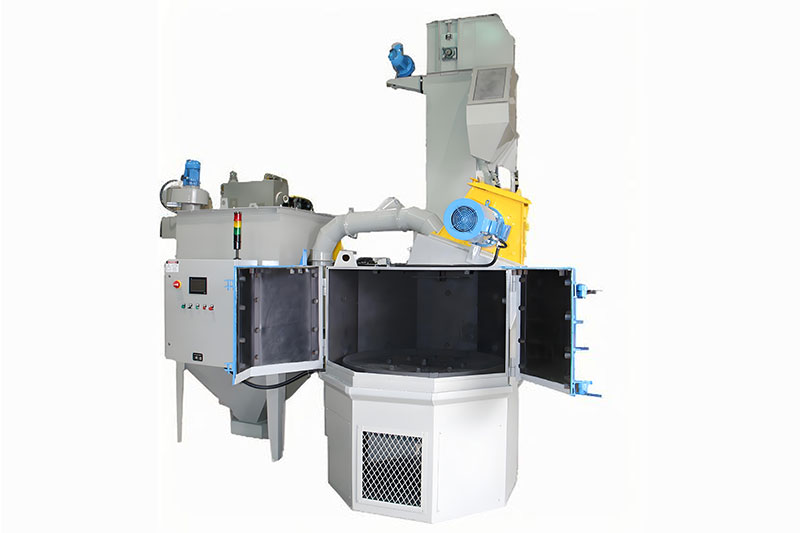
Wet blasting is generally more appropriate for precision parts made of aluminum and magnesium alloys, small stainless steel parts, aerospace components, medical components, and other sensitive products. Liquid moderates abrasive impact and reduces airborne dust, helping control scratches, oxidation, corrosion, and contamination in regulated indoor facilities.
- Precision aerospace components with strict surface finish requirements.
- Aluminum and magnesium parts vulnerable to oxidation after unsuitable treatment.
- Small stainless steel components requiring controlled, uniform finishing.
- Medical parts and sensitive components processed under clean production conditions.
Wet systems require water circulation, filtration, drying, sludge removal, corrosion prevention, and compliant wastewater treatment. They may consume more water and electricity than a basic dry unit, but these costs can be justified when scrap risk and environmental exposure are high. In workshops with strict regulations, the avoided cost of rejected non-ferrous parts and fines may exceed the additional wet-system investment.
Compare Comprehensive Process Costs
Procurement professionals should calculate the total cost of ownership for the same part under both processes. The assessment should include initial equipment, utilities, waste treatment, maintenance, compliance, and scrap loss rather than relying on purchase price alone.
| Cost category | Dry blasting considerations | Wet blasting considerations |
| Initial investment | Machine, enclosure, ventilation, and large dust collection equipment | Machine, water circulation, filtration, drying, and wastewater treatment |
| Compliance | Dust testing, filter replacement, emissions control, and possible fines | Water discharge permits, sludge disposal, and wastewater monitoring |
| Workpiece risk | Oxidation, corrosion, scratches, and higher scrap exposure for sensitive metals | Lower dust and impact risk when correctly configured |
| Operating expense | Abrasive use, electricity, ventilation, filters, and maintenance | Water, electricity, chemicals, sludge handling, drying, and maintenance |
Step-by-step procurement calculation
- Record annual production volume, part value, labor cost, and target surface standard.
- Estimate annual scrap loss and rework caused by oxidation, corrosion, scratches, or poor adhesion.
- Estimate environmental fines, inspection costs, dust testing, and possible production interruption.
- Calculate water treatment O&M expenses, sludge disposal, electricity, filters, abrasives, and spare parts.
- Compare the five-year comprehensive process cost for dry and wet alternatives.
- Validate the result through production trials using representative parts.
Select a Complete Solution and Reliable Supplier
A qualified Manufacturer or Supplier should provide a full range of dry and wet sandblasting equipment, not just a standard machine. The complete package may include dust collection or wastewater treatment systems, automated loading, drying units, abrasive recovery, process monitoring, and safety controls.
Our company offers OEM and ODM cooperation, Customizable configurations, and turnkey systems for different industries. We can supply dry Wheelblast Equipment for steel structures, wet systems for precision components, and integrated lines matched to site conditions, local regulations, production capacity, and maintenance resources. Every recommendation should be based on actual workpiece trials and a documented compliance review.
Request our free process compliance assessment today. We will evaluate your parts, site conditions, regulations, utilities, and scrap exposure, then provide a customized turnkey dry or wet blasting solution with transparent comprehensive cost analysis.
 English
  Russian
  Spanish
  Portuguese
  French
  Indonesian
  Thai
Thai