
Using mismatched blasting tools causes poor finishes, low efficiency and unnecessary operational costs.
Professional shot blasting relies on systematic shot blasting equipment and wheelblast equipment, including core machines, abrasives and auxiliary tools to deliver precise, consistent surface treatment results.
Learn all essential blasting tools to select ideal equipment for industrial projects.
Core Industrial Shot Blasting Equipment: Main Blasting Machine Types
The foundation of all professional shot blasting operations lies in standardized shot blasting equipment, which serves as the core power source for industrial surface cleaning, rust removal, texturing and descaling.
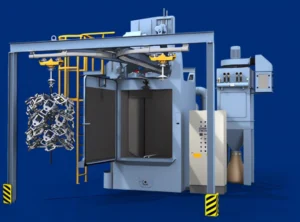
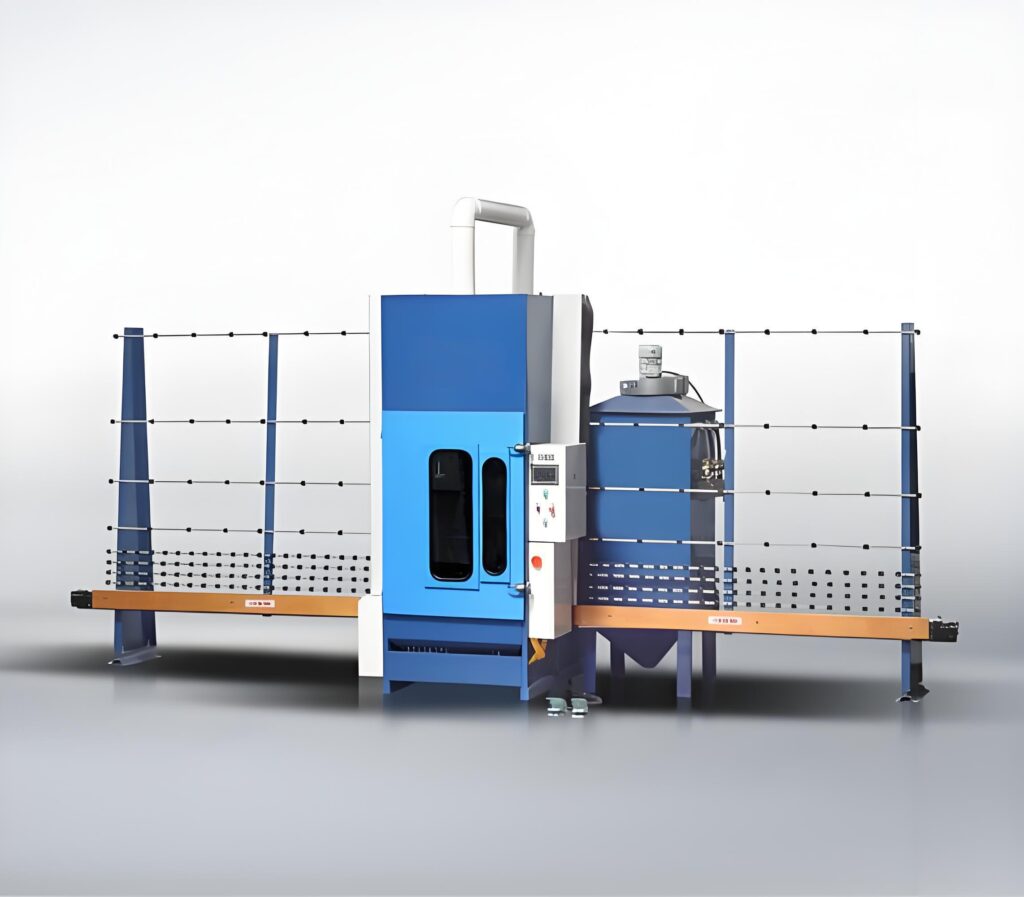
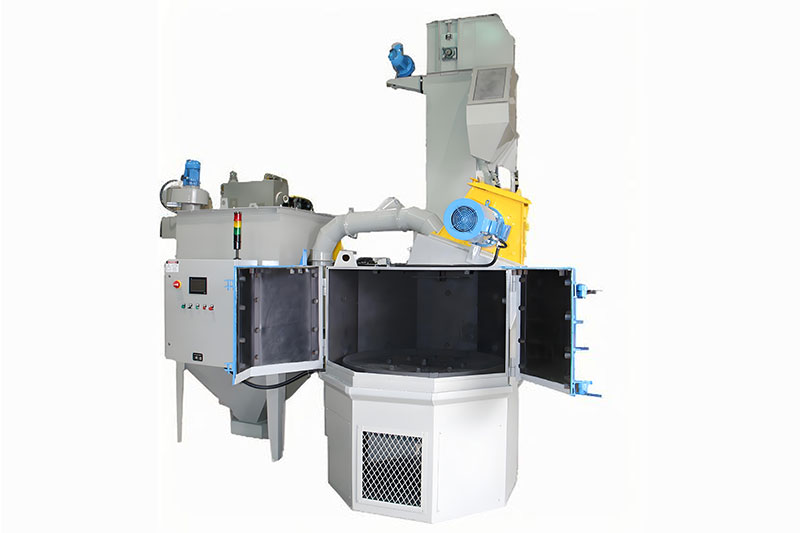
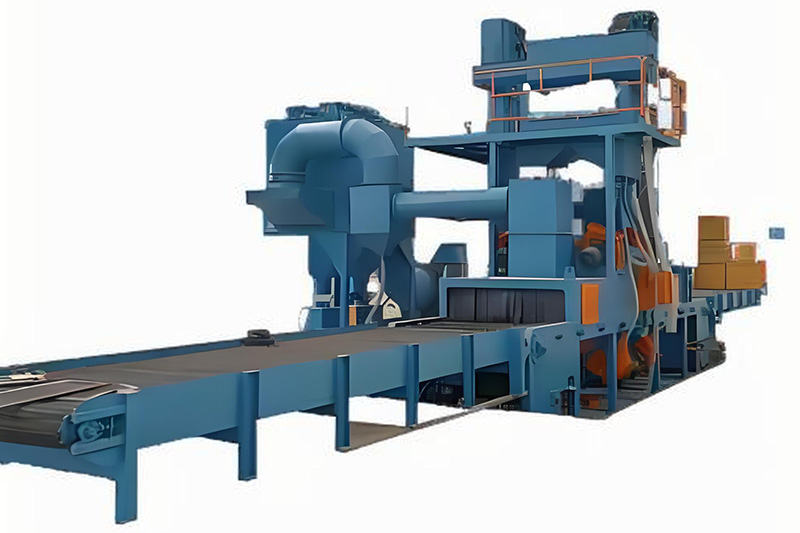
- Many factory buyers confuse basic blasting tools with complete systems, leading to incomplete production configurations and unstable finishing quality. The most widely used industrial models include wheelblast equipment, air-powered shot blasting machines, and cabinet-style blasting units.
- Wheelblast equipment uses high-speed rotating blast wheels to generate centrifugal force for abrasive acceleration, featuring high efficiency and full automation, making it ideal for large-scale batch processing of metal castings, structural steel and automotive parts. Air-driven shot blasting equipment relies on compressed air to spray abrasives, offering flexible operation and precise control for small-batch, high-precision workpieces and complex-shaped components.
- Each type of shot blasting equipment corresponds to different production scenarios, and correct machine selection directly determines overall shot blasting efficiency and finished surface quality. Without matching core equipment, even high-quality abrasives and auxiliary tools cannot achieve standard industrial blasting results.
Key Blasting Abrasives: Consumable Tools That Determine Finishing Quality
Abrasives are the most critical consumable blasting tools and directly affect shot blasting uniformity, roughness grade and material surface safety. Common industrial blasting abrasives include steel shot, steel grit, stainless steel shot, aluminum oxide and quartz sand, each with unique hardness, particle size and application scope.
- Steel shot features uniform round particles, delivering smooth surface texturing without excessive workpiece abrasion, which is widely used in routine rust removal and surface strengthening. Steel grit with sharp edges is suitable for removing thick oxide scales, old paint layers and heavy corrosion. Fine-grained abrasives are applied for precision shot blasting on thin and delicate parts to avoid micro-deformation.
- Selecting the wrong abrasive tool leads to two extreme problems: excessive surface scratching or incomplete impurity removal. Professional abrasive matching must combine workpiece material, rust thickness and required roughness standards to ensure qualified shot blasting output. The following table shows common abrasive tools and their industrial applications:
| Blasting Abrasive Tool | Hardness Level | Core Application Scenario |
| Steel Shot | Medium | General rust removal, surface texturing |
| Steel Grit | High | Heavy corrosion and oxide layer removal |
| Aluminum Oxide | Ultra-High | Precision part fine shot blasting |
Chong Jen Machinery matches exclusive abrasive solutions and supporting shot blasting equipment for different industrial scenarios. Our professional tool configuration guidance helps users avoid quality defects caused by mismatched blasting consumables.
Auxiliary Operational Tools for Standard Shot Blasting Processing
Complete shot blasting work cannot rely solely on main wheelblast equipment; supporting auxiliary tools ensure operational standardization, safety and finished product consistency.
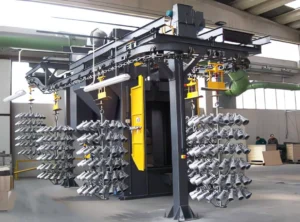
- Common auxiliary blasting tools include high-pressure blasting nozzles, protective hoods, abrasive screening tools, pressure gauges and workpiece fixing jigs. Blasting nozzles control abrasive flow rate and spraying range; worn nozzles cause scattered abrasive output and uneven shot blasting strength. Specialized fixing jigs stabilize irregular workpieces, eliminating blasting dead zones and improving batch processing uniformity.
- Pressure gauges monitor real-time air pressure to avoid quality fluctuation caused by unstable pressure values. Abrasive screening tools filter broken particles and dust impurities, maintaining consistent abrasive activity and protecting shot blasting equipment from internal blockage and wear. These small auxiliary tools are easily overlooked but effectively reduce rework rates, extend main equipment service life and standardize the entire shot blasting workflow.
Dust Removal and Safety Tools for Standard Blasting Operations
Industrial shot blasting generates a large amount of metal dust and abrasive debris, making dust removal and safety protection tools essential supporting equipment for compliant production.
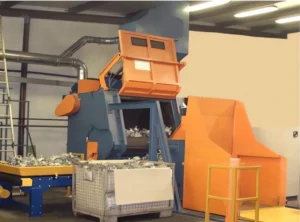
- Professional dust collectors, ventilation pipelines and filter cartridges form a complete dust treatment system, which matches shot blasting equipment to absorb floating dust in real time, ensuring workshop environmental compliance and avoiding dust pollution and safety hazards. Personal protective tools including anti-dust masks, protective gloves and anti-wear overalls protect operators from abrasive impact and dust inhalation.
- In addition, equipment maintenance tools such as blade calibrators and sealing detection tools help inspect wheelblast equipment operating status regularly, eliminating hidden faults in advance. Complete safety and environmental protection tool configurations not only meet industrial production standards but also maintain long-term stable operation of shot blasting equipment, reducing unplanned downtime and maintenance costs.
How to Select Blasting Tools and Equipment According to Production Needs
Scientific selection of shot blasting tools and wheelblast equipment must be based on production scale, workpiece characteristics and finishing standards.
- For large-scale factory mass production, automatic high-power shot blasting equipment is preferred, matching recycled abrasives and intelligent dust removal systems to improve overall efficiency and reduce unit costs.
- For small-batch customized processing, portable and flexible blasting tools and semi-automatic shot blasting equipment are more cost-effective, adapting to frequent workpiece switching and diverse processing demands. Precision industrial workpieces need fine abrasives and low-pressure adjustable wheelblast equipment to ensure surface precision without damage.
Factories should avoid blind pursuit of high-power equipment or low-cost tools; excessive configuration causes energy waste, while insufficient configuration leads to unqualified shot blasting quality. Systematic tool and equipment matching is the key to balancing production efficiency, product quality and long-term operational costs.
Conclusion
Match core machines, abrasives and tools to optimize shot blasting performance fully.
Contact Chong Jen Machinery
For professional shot blasting equipment selection, wheelblast equipment customization and complete blasting tool configuration solutions,
contact Chong Jen Machinery::[email protected].
 English
  Russian
  Spanish
  Portuguese
  French
  Indonesian
  Thai
Thai