
Poor horizontal molding precision ruins decorative pieces; master requirements and treatment with Horizontal flaskless molding machine.
This guide details precision requirements and surface treatment for horizontal molding of decorative components, using Horizontal flaskless molding machine to ensure high-quality horizontal molding pieces.
Explore horizontal molding precision, surface treatment and Horizontal flaskless molding machine applications below.
Core Precision Requirements of Horizontal Molding for Decorative Components
Decorative components have higher precision requirements than ordinary industrial parts, making the precision control of horizontal molding a key factor in ensuring the quality of horizontal molding pieces.
- Horizontal molding for decorative components must meet strict dimensional accuracy, shape accuracy, and surface finish standards to ensure the aesthetic and functional performance of horizontal molding pieces. Dimensional accuracy requires that the size of horizontal molding pieces is consistent with the design drawing, with a tolerance range of ±0.05-0.1mm, which is crucial for decorative components that need to fit perfectly with other parts.
- Shape accuracy focuses on avoiding deformation, warpage, or unevenness of horizontal molding pieces, as even slight deformation will affect the overall appearance of decorative components. Surface finish requires that the surface of horizontal molding pieces is smooth, free of burrs, sand holes, or scratches, which is the basic requirement for decorative use.
- The Horizontal flaskless molding machine plays a vital role in ensuring these precision requirements: its automated operation reduces human errors in horizontal molding, and its precise compaction and mold clamping systems ensure uniform density and stable dimensions of horizontal molding pieces. Without strict precision control in horizontal molding, horizontal molding pieces will be unqualified, leading to waste of materials and production delays.
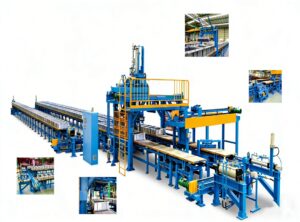
How Horizontal Flaskless Molding Machine Ensures Precision of Horizontal Molding Pieces
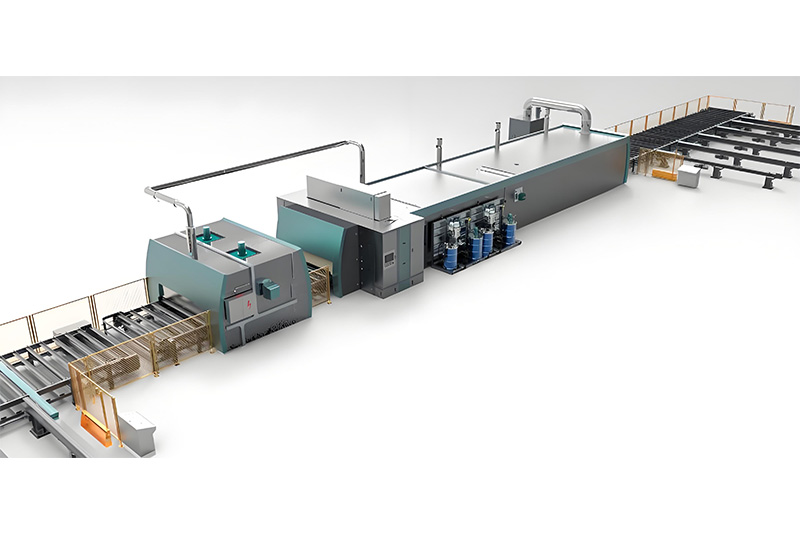
The Horizontal flaskless molding machine is the core equipment for horizontal molding of decorative components, and its advanced design and functions effectively guarantee the precision of horizontal molding pieces.
- Compared with traditional horizontal molding equipment, the Horizontal flaskless molding machine eliminates the use of flasks, reducing the errors caused by flask deformation or misalignment in horizontal molding. The
- Horizontal flaskless molding machine is equipped with an intelligent control system that can precisely adjust key parameters of horizontal molding, such as sand compaction pressure, mold clamping force, and sand feeding amount, ensuring consistent operation of each horizontal molding cycle. Its precise compaction system uses hydraulic pressure to compact the molding sand uniformly, avoiding uneven density of horizontal molding pieces, which is a common cause of dimensional deviation.
Additionally, the Horizontal flaskless molding machine has a high-precision mold positioning system, which ensures that the mold is aligned accurately during horizontal molding, preventing mold misalignment that leads to shape defects of horizontal molding pieces. By using the Horizontal flaskless molding machine for horizontal molding, manufacturers can stably produce high-precision horizontal molding pieces that meet the requirements of decorative components.
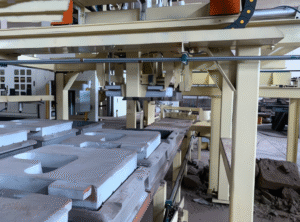
Key Surface Treatment Methods for Horizontal Molding Pieces of Decorative Components
Surface treatment is an indispensable link after horizontal molding of decorative components, as it can enhance the aesthetic appearance, corrosion resistance, and service life of horizontal molding pieces. The surface treatment of horizontal molding pieces should be matched with the material of the horizontal molding pieces and the use scenario of the decorative components.
- One common surface treatment method is sandblasting: it uses high-pressure abrasive to clean the surface of horizontal molding pieces, removing burrs, sand adhering to the surface, and oxide layers, making the surface of horizontal molding pieces smooth and uniform. Sandblasting is especially suitable for horizontal molding pieces made of metal materials, as it can also improve the adhesion of subsequent coating or plating.
- Another common method is polishing: through mechanical polishing or chemical polishing, the surface of horizontal molding pieces is made to have a mirror-like luster, enhancing the decorative effect. For horizontal molding pieces that need to be corrosion-resistant, electroplating or spraying is used: electroplating forms a protective layer on the surface of horizontal molding pieces, while spraying can add color and texture to horizontal molding pieces.
The surface treatment of horizontal molding pieces must be carried out after strict quality inspection of horizontal molding, ensuring that the surface of horizontal molding pieces is free of defects before treatment, so as to achieve the best treatment effect.
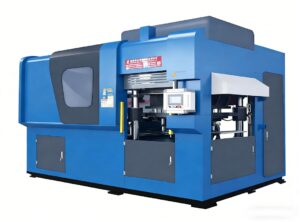
Matching Surface Treatment with Horizontal Molding Process
To ensure the quality of horizontal molding pieces for decorative components, it is crucial to match the surface treatment method with the horizontal molding process, and the Horizontal flaskless molding machine can provide a good foundation for subsequent surface treatment.
- The horizontal molding process determines the initial surface state of horizontal molding pieces: for example, the Horizontal flaskless molding machine can produce horizontal molding pieces with a smooth surface, reducing the workload of subsequent surface treatment.
- When choosing surface treatment methods, it is necessary to consider the surface roughness of horizontal molding pieces obtained by horizontal molding: if the horizontal molding pieces have a relatively smooth surface, simple polishing or spraying can achieve the desired effect; if the surface is rough, sandblasting or grinding is required first.
Additionally, the material of horizontal molding pieces and the horizontal molding process will affect the compatibility of surface treatment: for example, horizontal molding pieces made of aluminum alloy are suitable for anodizing treatment, while iron-based horizontal molding pieces are suitable for electroplating or painting. The Horizontal flaskless molding machine can adjust the horizontal molding parameters according to the surface treatment requirements, ensuring that the horizontal molding pieces meet the preconditions of surface treatment, thus improving the efficiency and quality of surface treatment.
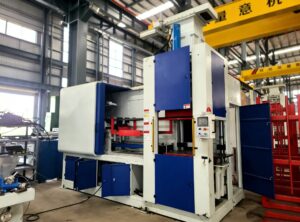
Common Quality Issues in Horizontal Molding of Decorative Components and Solutions
In the process of horizontal molding for decorative components, some quality issues may occur, affecting the precision and surface quality of horizontal molding pieces, but targeted solutions can be adopted with the help of the Horizontal flaskless molding machine.
- One common issue is dimensional deviation of horizontal molding pieces: this is often caused by unstable parameters of horizontal molding or mold wear. The solution is to use the Horizontal flaskless molding machine’s intelligent control system to calibrate horizontal molding parameters in real time, and regularly inspect and maintain the mold to ensure its accuracy.
- Another issue is surface defects of horizontal molding pieces, such as sand holes, burrs, or scratches: this is related to the quality of molding sand and the operation of horizontal molding. The solution is to optimize the sand formula for horizontal molding, use high-quality molding sand, and adjust the sand feeding and compaction parameters of the Horizontal flaskless molding machine to avoid sand inclusion.
Additionally, uneven surface finish of horizontal molding pieces can be solved by improving the precision of the Horizontal flaskless molding machine and strengthening the surface cleaning after horizontal molding. By addressing these issues, manufacturers can produce high-quality horizontal molding pieces that meet the requirements of decorative components.
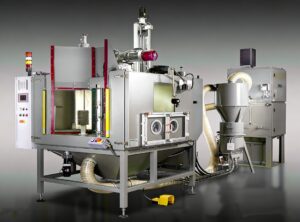
Case Study: Horizontal Molding of Decorative Metal Components with Horizontal Flaskless Molding Machine
A decorative component manufacturer successfully produced high-precision horizontal molding pieces by using horizontal molding and Horizontal flaskless molding machine, achieving remarkable results in surface treatment.
- Before using the Horizontal flaskless molding machine, the manufacturer used traditional horizontal molding equipment, which led to frequent dimensional deviation of horizontal molding pieces, with a rejection rate of 10%, and the surface of horizontal molding pieces had many burrs and sand holes, increasing the workload of surface treatment.
- After introducing the Horizontal flaskless molding machine for horizontal molding, the precision of horizontal molding pieces was significantly improved: the dimensional tolerance was controlled within ±0.08mm, and the rejection rate was reduced to 2%. The Horizontal flaskless molding machine produced horizontal molding pieces with a smooth surface, reducing the sandblasting time by 40%.
The manufacturer matched the horizontal molding process with polishing and electroplating surface treatment, making the horizontal molding pieces have a bright surface and good corrosion resistance, which were well received by customers. This case fully demonstrates that the Horizontal flaskless molding machine can effectively ensure the precision of horizontal molding, improve the quality of horizontal molding pieces, and lay a solid foundation for subsequent surface treatment of decorative components.
Conclusion
Control horizontal molding precision and match surface treatment to make high-quality horizontal molding pieces.
For horizontal molding, Horizontal flaskless molding machine and horizontal molding pieces solutions,
email:[email protected]
 English
  Russian
  Spanish
  Portuguese
  French
  Indonesian
  Thai
Thai