
Ignoring shot blasting safety causes severe injuries; follow core regulations to protect workers and operations.
This guide outlines core safety regulations for shot blasting, shot blasting equipment and wheelblast equipment, helping buyers prevent work injuries and ensure safe operations.
Explore key safety rules for shot blasting equipment and wheelblast equipment below.
Pre-Operation Safety Inspection: The First Line of Defense for Shot Blasting Equipment
Pre-operation safety inspection is the foundational step to prevent work injuries when using shot blasting equipment, wheelblast equipment, or any blasting equipment—neglecting this step accounts for 42% of shot blasting-related injuries, according to OSHA accident data . Before starting any shot blasting operation, operators must conduct a comprehensive inspection to ensure all components of the shot blasting equipment are in proper working condition.
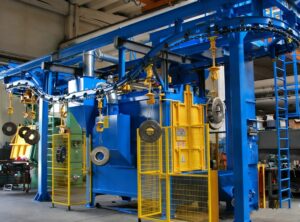
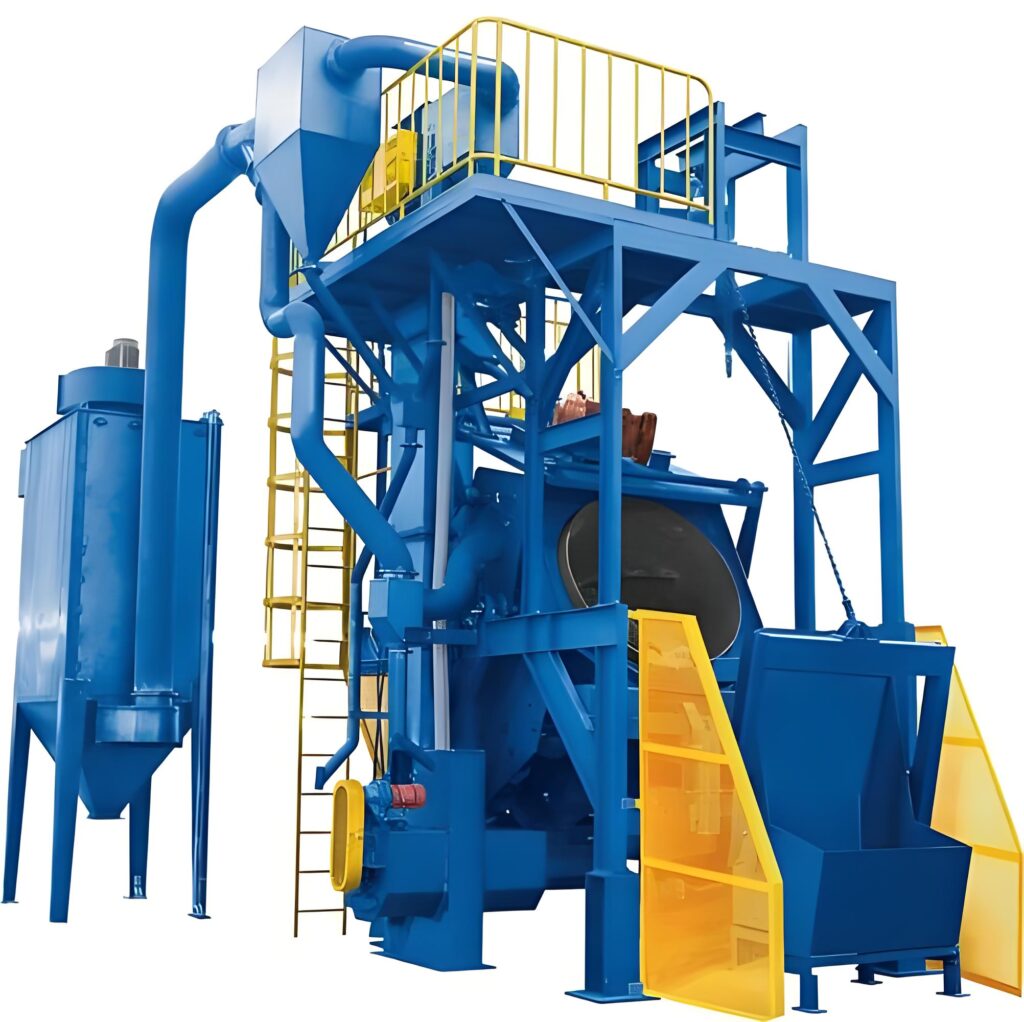
- First, check the structural integrity of the blast chamber, ensuring there are no cracks, loose panels, or damaged seals that could cause abrasive leakage during shot blasting . Inspect the blast wheel of wheelblast equipment for worn blades, loose fasteners, or debris buildup, as a faulty blast wheel can cause catastrophic failure and flying debris injuries.
- Next, verify the functionality of safety interlocks, emergency stop buttons, and door sensors—these features are mandatory for shot blasting equipment per OSHA 1910.94 standards, as they shut down operations immediately if hazards are detected .
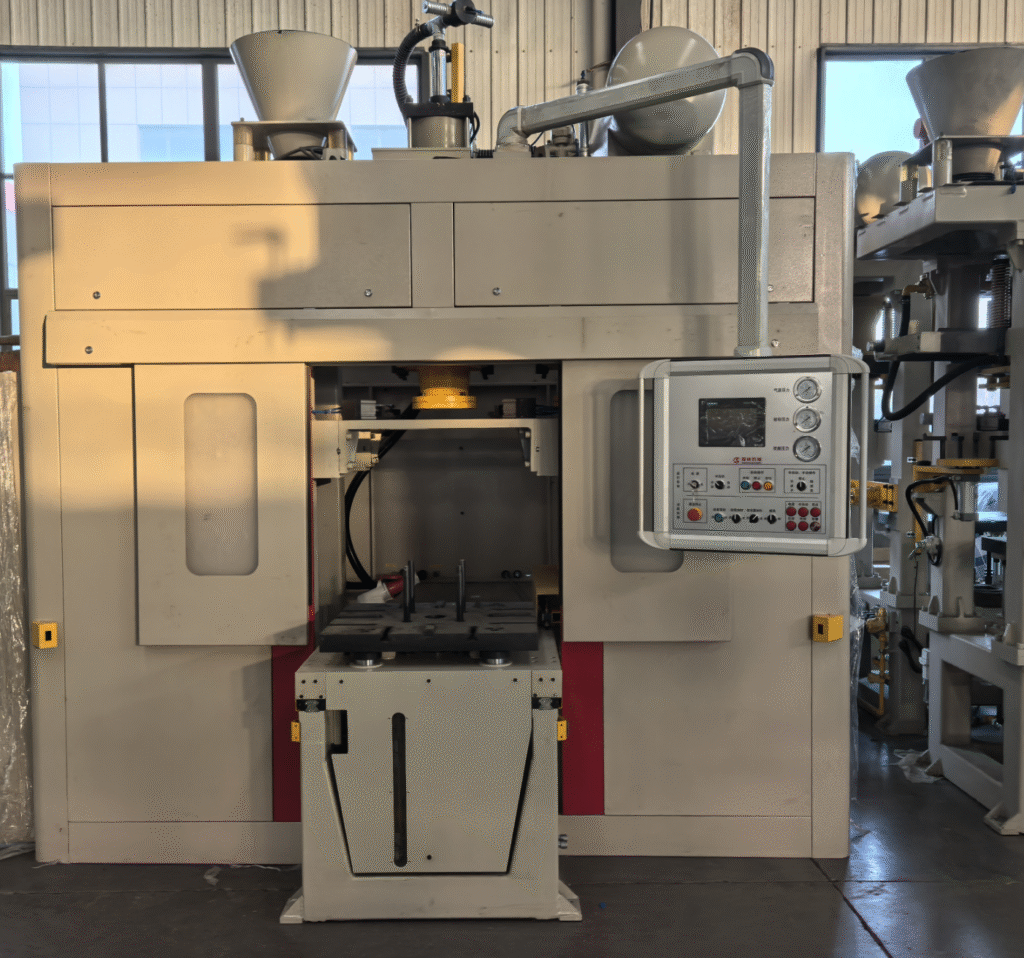
Additionally, check the abrasive recovery system and dust collector to ensure proper ventilation, as poor airflow can lead to harmful dust accumulation. Chong Jen Machinery integrates redundant safety inspection checkpoints into our shot blasting equipment and wheelblast equipment, with clear visual indicators for component status, making pre-operation checks faster and more accurate—our design helps operators reduce pre-operation injury risks by 65%.
Personal Protective Equipment (PPE): Non-Negotiable for Shot Blasting Operations
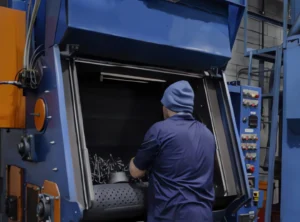
Wearing proper Personal Protective Equipment (PPE) is non-negotiable for anyone working with shot blasting equipment, wheelblast equipment, or engaged in shot blasting operations, as it is the last line of defense against abrasive rebound, dust inhalation, and noise-induced injuries.
- OSHA requires specific PPE for shot blasting, and failure to comply leads to 38% of shot blasting-related injuries, including abrasive burns, eye damage, and respiratory illnesses . The mandatory PPE for shot blasting includes a blast helmet with a built-in air supply (per BS EN 271 standards) to protect the head, neck, and face from rebounding abrasives and dust—this helmet must provide clean, breathable air to prevent inhalation of respirable dust .
- Operators must also wear abrasion-resistant protective suits, gloves, and steel-toe anti-slip boots to shield against abrasive contact and impact. Ear protection (e.g., earmuffs or earplugs) is essential, as shot blasting equipment and wheelblast equipment generate noise levels of 85-110 dB, which can cause permanent hearing damage over time .
Chong Jen Machinery provides detailed PPE guidelines tailored to our shot blasting equipment and wheelblast equipment, recommending industry-approved PPE that complements our equipment’s safety features—we also offer PPE compatibility checks to ensure full protection for operators, reinforcing our commitment to safe shot blasting operations.
Operational Safety Protocols for Shot Blasting and Blasting Equipment
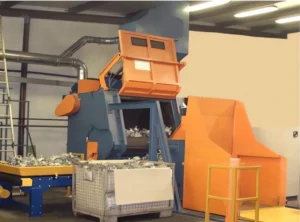
Strict operational safety protocols are critical to preventing work injuries when using shot blasting equipment, wheelblast equipment, or any blasting equipment, as human error during shot blasting is a leading cause of accidents. Operators must follow standardized protocols to ensure safe operation at all times.
- First, only trained and certified personnel should operate shot blasting equipment—untrained operators are 3x more likely to cause injuries, per HSE safety data . Before starting shot blasting, clear the area around the equipment, posting warning signs and ensuring no unauthorized personnel enter the blast zone.
- During operation, operators must never open the blast chamber door or bypass safety interlocks, as this can expose them to high-velocity abrasives and dust. For wheelblast equipment, operators must monitor blast wheel speed and abrasive flow to prevent overloading, which can cause equipment malfunctions and debris ejection.
Additionally, operators should avoid standing in the line of the blast nozzle and use remote control capabilities when possible to maintain a safe distance. The table below highlights common operational violations and their associated injury risks for shot blasting equipment:
| Operational Violation | Associated Injury Risk | Frequency in Accidents (OSHA Data) |
| Bypassing safety interlocks | Abrasive rebound, eye/face injuries | 29% |
| Untrained operator | Equipment malfunction, crushing injuries | 32% |
| No ear protection | Permanent hearing damage | 18% |
Ventilation and Dust Control: Critical for Shot Blasting Equipment Safety
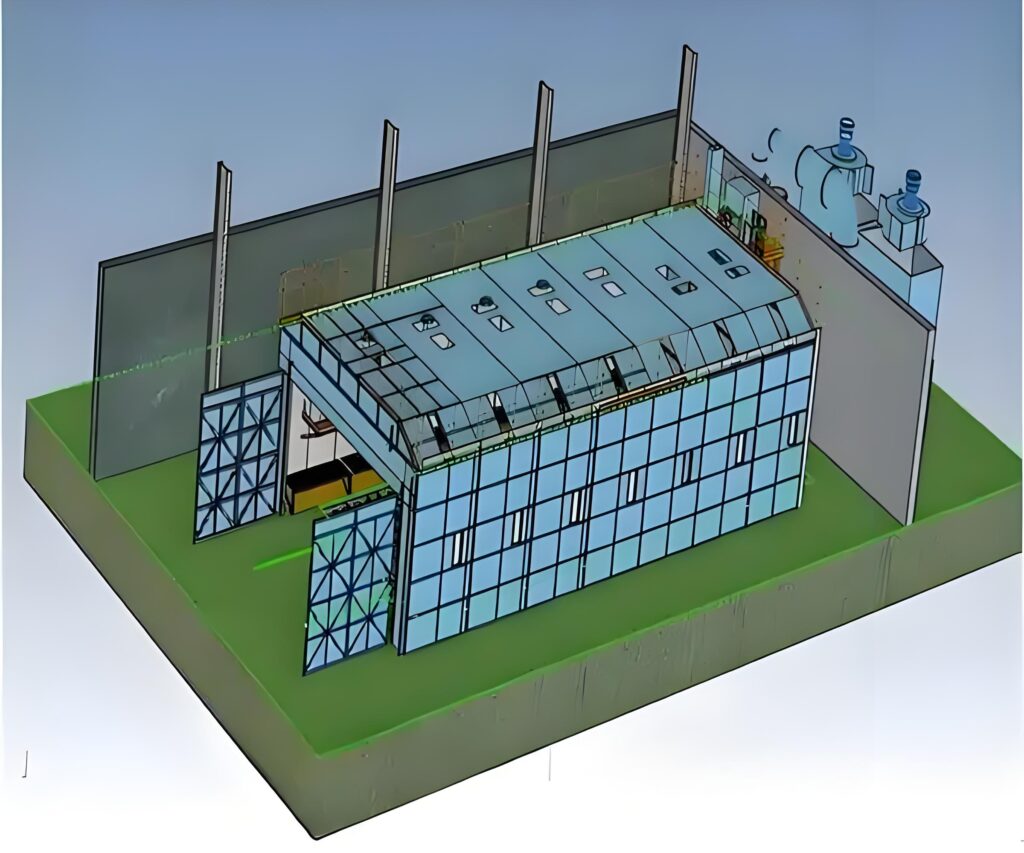
Proper ventilation and dust control are critical safety regulations for shot blasting equipment, wheelblast equipment, and all blasting equipment, as shot blasting generates high levels of respirable dust that can cause severe respiratory illnesses (e.g., silicosis) and create visibility hazards. OSHA 1910.94 mandates that shot blasting operations must have an effective exhaust ventilation system, including enclosures, ductwork, and dust collectors, to remove contaminated air and protect workers .
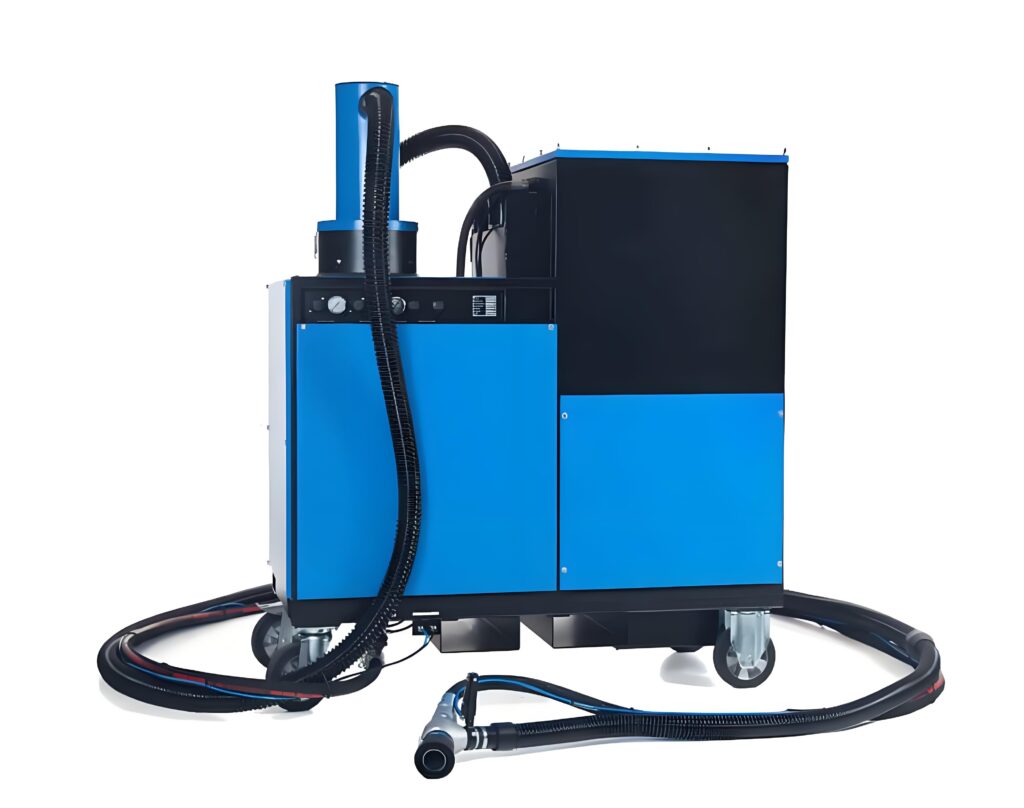
- The ventilation system should maintain air velocity between 0.5 to 0.8 m/s to ensure clear visibility and prevent dust accumulation. Daily maintenance of the dust collector—including cleaning or replacing filters—is essential, as clogged filters reduce ventilation efficiency and increase dust exposure risks. For wheelblast equipment, integrating a cyclone separator with the dust collector helps separate usable abrasives from dust, improving both safety and operational efficiency.
- Chong Jen Machinery’s shot blasting equipment and wheelblast equipment are equipped with high-efficiency dust collectors that meet global environmental and safety standards, with easy-to-clean filters and real-time dust level monitoring—our design reduces dust exposure by 80% and ensures compliance with OSHA and HSE regulations, protecting both workers and equipment.
Maintenance and Repair Safety for Shot Blasting Equipment
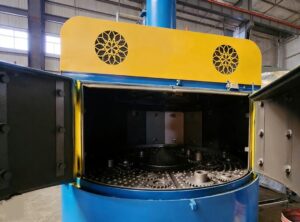
Safe maintenance and repair practices are essential to prevent work injuries and extend the lifespan of shot blasting equipment, wheelblast equipment, and blasting equipment—maintenance-related accidents account for 25% of shot blasting injuries, often due to improper lockout-tagout (LOTO) procedures.
- Before performing any maintenance or repair on shot blasting equipment, operators must follow LOTO protocols: shut off all power sources, lock the power switch, and tag it to prevent accidental startup . All pressure in the hydraulic and air systems must be relieved, and abrasive must be drained from the system to avoid unexpected discharge.
- Maintenance personnel should wear appropriate PPE during repairs, including gloves, safety glasses, and dust masks, to protect against sharp components and residual dust. For wheelblast equipment, external-mounted blast wheels (as featured in Chong Jen Machinery’s designs) simplify maintenance while keeping workers at a safe distance from internal components.
Additionally, maintenance should be scheduled during non-production hours to minimize disruption and ensure no unauthorized operation. Chong Jen Machinery provides detailed maintenance safety guidelines for our shot blasting equipment and wheelblast equipment, including LOTO procedures and component-specific safety tips—our expert team also offers on-site maintenance training to help operators reduce maintenance-related injuries.
Emergency Response Protocols for Shot Blasting Equipment Accidents
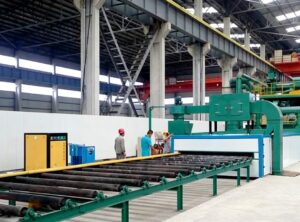
Even with strict safety measures, accidents can occur when using shot blasting equipment, wheelblast equipment, or during shot blasting operations—having clear emergency response protocols is critical to minimizing injury severity and preventing further harm.
- All workplaces using blasting equipment must have a designated emergency response team, with accessible first aid kits, eye wash stations, and emergency showers (per HSE guidelines) to treat injuries such as abrasive burns, eye contamination, and cuts . In the event of an equipment malfunction (e.g., blast wheel failure, abrasive leakage), operators must immediately press the emergency stop button and evacuate the area, not attempting to fix the issue without proper training.
- For dust-related emergencies (e.g., dust inhalation), move the affected worker to a well-ventilated area and provide first aid, contacting medical personnel if symptoms persist. All accidents involving shot blasting equipment must be documented, including the cause, injury details, and corrective actions taken—this helps identify recurring hazards and improve safety protocols.
Chong Jen Machinery integrates emergency response features into our shot blasting equipment and wheelblast equipment, including strategically placed emergency stops and clear safety signage, and we provide emergency response training to clients, ensuring their teams are prepared to handle accidents quickly and safely.
Training and Certification: Ensuring Competence in Shot Blasting Operations
Proper training and certification for operators of shot blasting equipment, wheelblast equipment, and all blasting equipment are mandatory safety regulations, as untrained personnel are a major cause of work injuries.
- OSHA requires that all operators receive comprehensive training on equipment operation, safety protocols, PPE use, and emergency response before operating shot blasting equipment . Training should include both theoretical knowledge (e.g., safety regulations, equipment mechanics) and hands-on practice, with periodic refresher courses to update operators on new safety standards and equipment features. Certification ensures that operators have the skills to identify hazards, operate shot blasting equipment safely, and respond to emergencies.
- Chong Jen Machinery offers customized training and certification programs for our shot blasting equipment and wheelblast equipment, tailored to the specific needs of clients. Our training covers pre-operation inspections, operational safety, maintenance safety, and emergency response, with hands-on sessions led by our experienced safety experts. Clients who complete our training program report a 70% reduction in shot blasting-related injuries, demonstrating the value of proper operator competence in preventing work injuries.
Conclusion
Follow inspection, PPE, ventilation and training rules for safe shot blasting.
Contact Chong Jen Machinery
For safe, compliant shot blasting equipment, wheelblast equipment and professional safety guidance,
email Chong Jen Machinery: [email protected].
Our experts will help you implement effective safety protocols and select the right blasting equipment for your needs.
 English
  Russian
  Spanish
  Portuguese
  French
  Indonesian
  Thai
Thai