Improper shot blasting machine operation causes accidents and low efficiency; master norms and tips for safe, efficient work.
This guide details shot blasting machine daily operation norms, key safety rules and efficiency tips for beginners, ensuring standard, safe and efficient shot blasting.
Explore the following norms and tips to master shot blaster operation as a beginner.
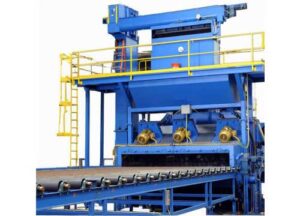
What Are the Pre-Operation Safety Norms for Shot Blasting Machine?
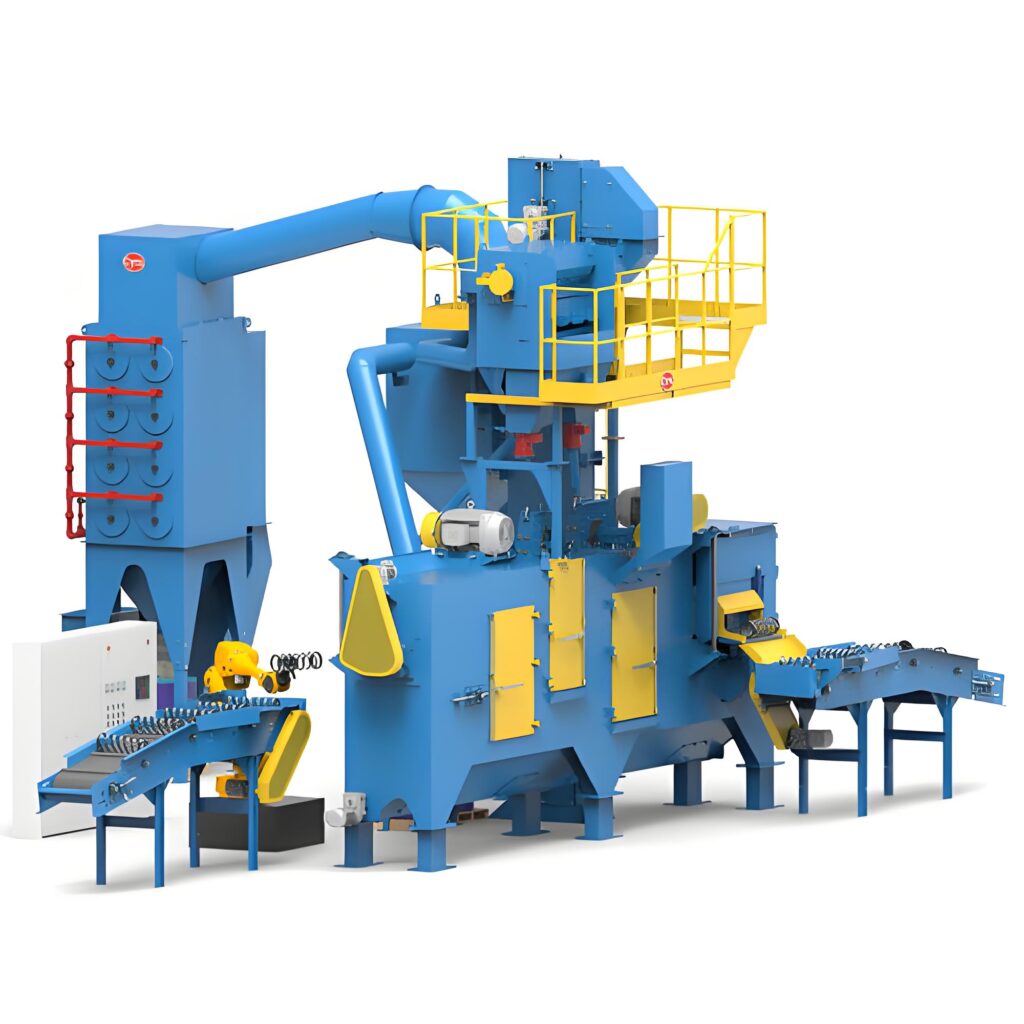
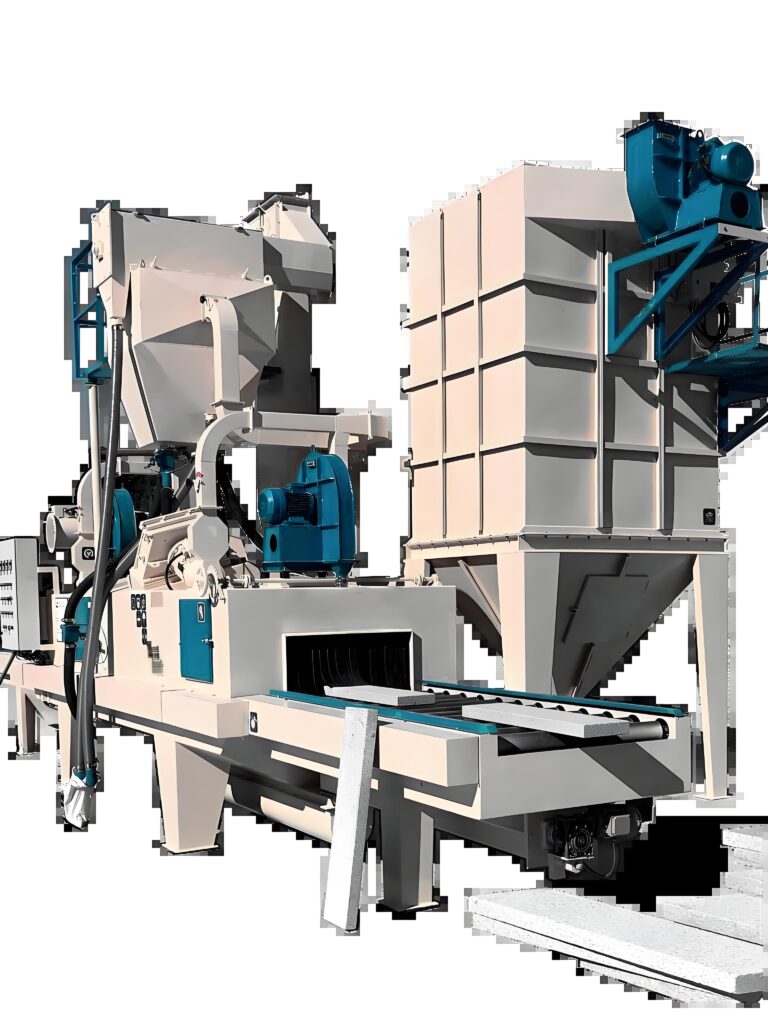
Pre-operation safety checks are the foundation of safe shot blasting, and beginners must strictly follow these norms to avoid accidents. First, wear full personal protective equipment (PPE): mandatory wear of impact-resistant goggles, dust masks, cut-resistant gloves, and protective suits to prevent eye injuries from flying abrasives, dust inhalation, and skin scratches during shot blasting. Second, conduct comprehensive equipment inspections: check if the shot blaster’s components (blast wheel, abrasive hopper, dust removal system, and electrical circuits) are intact, no loose or damaged parts. Verify that the abrasive level in the hopper is sufficient and the dust removal system is unblocked—clogged dust removal systems will cause dust accumulation and affect operation safety. Third, inspect the work area: clear obstacles around the shot blasting machine, ensure sufficient operating space, and confirm that the emergency stop button is sensitive and accessible. Finally, receive professional training: beginners must not operate the shot blaster without training, and should be familiar with the machine’s structure, operation panel, and emergency response procedures in advance. These pre-operation norms are the first line of defense for safe shot blasting, and no step can be skipped.
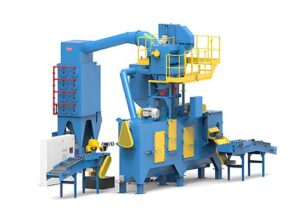
What Are the In-Operation Efficiency Tips for Shot Blasting Machine?
Mastering in-operation tips can improve shot blasting efficiency while ensuring quality, which is essential for beginners. First, adjust shot blasting parameters reasonably: according to the workpiece’s material, size, and surface requirements, set the appropriate rotating speed of the shot blaster’s blast wheel, abrasive flow rate, and workpiece conveying speed. For example, for high-hardness workpieces, increase the blast wheel speed to enhance shot blasting intensity; for small precision parts, reduce abrasive flow to avoid over-processing. Second, optimize workpiece placement: place workpieces evenly in the shot blasting chamber, avoid stacking or overloading, ensure all surfaces are fully exposed to abrasives, reducing rework caused by uneven shot blasting. Third, choose suitable abrasives: select abrasives (steel shot, steel grit) of appropriate size and hardness matching the workpiece—using the right abrasive can improve shot blasting efficiency and reduce abrasive waste. Fourth, maintain stable operation: during shot blasting, do not arbitrarily adjust parameters or open the chamber door; if abnormal noise or vibration occurs in the shot blasting machine, stop immediately for inspection instead of continuing operation. These tips can help beginners improve shot blasting efficiency and reduce unnecessary losses.
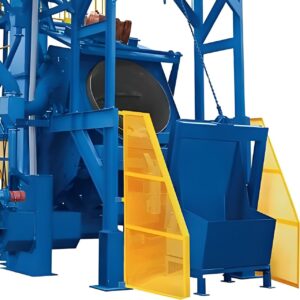
What Are the Post-Operation Norms for Shot Blasting Machine?
Post-operation norms are crucial for extending the shot blaster’s service life and maintaining a clean work environment, which beginners often ignore. First, shut down the machine in sequence: after completing shot blasting, first stop feeding workpieces, wait for the residual abrasives in the chamber to finish shot blasting, then turn off the blast wheel, and finally close the dust removal system and power supply—do not shut down directly to avoid abrasive accumulation and component damage. Second, clean the equipment and work area: remove residual abrasives and debris in the shot blasting chamber, clean the nozzle and blast wheel to prevent abrasive caking and blockage. Clean the work area, collect scattered abrasives for recycling, and dispose of dust and waste properly. Third, conduct post-operation inspections: check if the shot blaster’s components are worn (especially the blast wheel and nozzle), record the machine’s operation status, and report any abnormalities to maintenance personnel in a timely manner. Fourth, maintain the machine regularly: add lubricating oil to the shot blaster’s moving parts, replenish abrasives, and ensure the machine is in good condition for the next operation. Strictly following post-operation norms can effectively extend the service life of the shot blasting machine.
What Common Mistakes Should Beginners Avoid in Shot Blasting Machine Operation?
Beginners are prone to make mistakes in shot blaster operation, which may lead to safety risks or reduced efficiency, and must avoid these common errors. First, do not skip PPE: some beginners neglect wearing protective equipment to save time, which is extremely dangerous and may cause serious personal injuries. Second, do not overload the machine: overloading the shot blasting chamber with workpieces will reduce shot blasting efficiency, cause uneven surface treatment, and even damage the blast wheel. Third, do not ignore abnormal signals: when the shot blasting machine makes abnormal noises, vibrates excessively, or displays fault codes, do not continue operation—timely shutdown inspection can avoid minor faults developing into major failures. Fourth, do not use inferior abrasives: cheap, inferior abrasives will wear the shot blaster’s components quickly, reduce shot blasting quality, and increase long-term operation costs. Fifth, do not operate without authorization: beginners must not modify the shot blaster’s parameters or disassemble components without permission; any adjustments should be made under the guidance of professionals. Avoiding these mistakes can help beginners quickly master standard shot blasting machine operation.
Conclusion
Follow shot blasting machine norms, master tips, and operate safely and efficiently.
E-mail:[email protected]