
Is Manual Blasting Creating Bottlenecks Across Your Production Line?
Manual blasting may appear flexible, but inconsistent cycle times, operator availability, and uneven surface preparation can disrupt the entire factory. Delayed castings then affect assembly, coating, inspection, and shipment deadlines. Replacing manual work without checking takt time, order patterns, and line compatibility can create new bottlenecks, underused equipment, and higher total procurement costs.
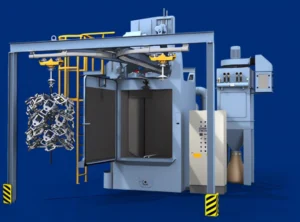
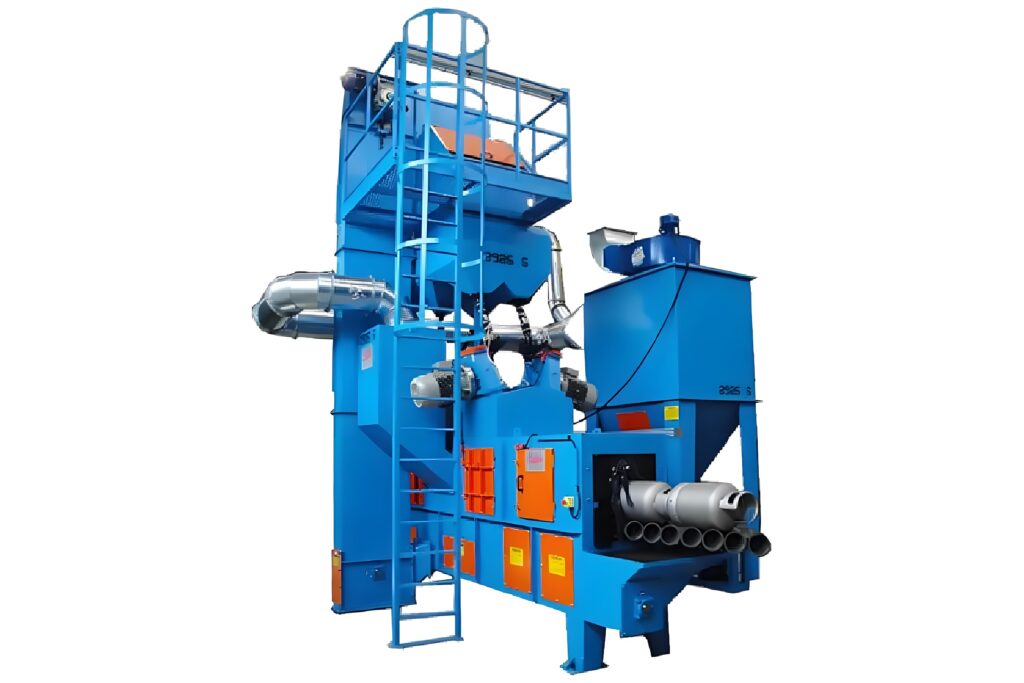
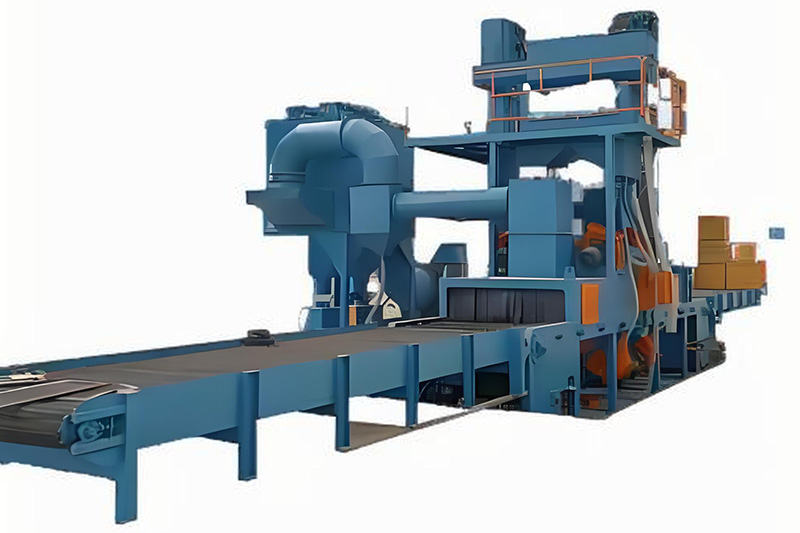
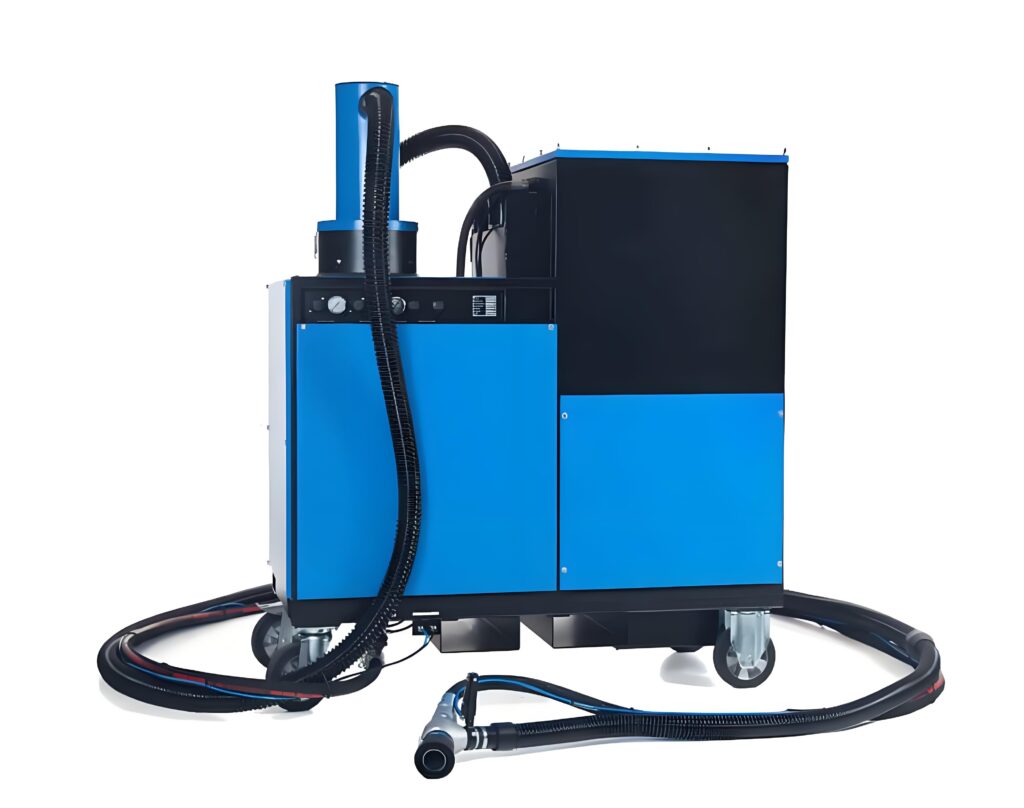
The right choice is the blasting process that matches production-line takt time, workpiece mix, quality standards, and material flow. Our company evaluates the complete factory system and supplies a suitable shot blasting machine, blasting machine, or wheel blast solution, including Customizable retrofit, OEM, and ODM options for existing production lines.
Judge Equipment by Factory Compatibility, Not Isolated Specifications
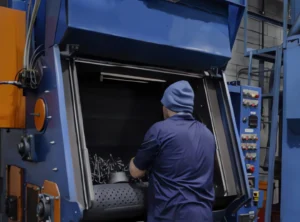
Manual and Automatic Blasting are not universally good or bad. The practical question is whether the complete process can meet the required production rhythm. A machine with higher nominal capacity may deliver little benefit if loading, cooling, inspection, or assembly cannot handle its output. Likewise, manual blasting may remain suitable for irregular, low-volume workpieces when flexibility is more valuable than maximum throughput.
Procurement teams should therefore assess overall factory output efficiency rather than compare two pieces of equipment only by wheel speed, chamber size, abrasive flow, or quoted price. The selected system must coordinate with upstream casting and fettling operations and downstream coating, inspection, packaging, or assembly.
Start with production-line cycle time alignment
- Measure the current takt time required to satisfy customer demand.
- Record actual blasting cycle time, loading time, unloading time, and changeover time.
- Calculate the required hourly output, including planned breaks and maintenance.
- Compare this requirement with the complete operating cycle of the proposed blasting machine.
- Check whether buffers are needed between blasting and adjacent processes.
The relevant capacity is not the equipment manufacturers maximum theoretical output. It is the stable output achieved after loading, part positioning, abrasive recovery, inspection, and routine maintenance. If the shot blasting equipment cannot keep pace with the existing line, blasting becomes a bottleneck. If it processes faster than the rest of the factory, finished parts may accumulate and create additional handling and storage costs.
Match the Solution to Order and Workpiece Characteristics
Order batch characteristics strongly influence the economic value of automation. Bulk orders with repeatable workpieces generally support programmed cycles, dedicated fixtures, conveyor integration, and higher utilization. Small-batch orders with frequent product changes may require flexible loading, rapid recipe selection, or a hybrid process rather than a fully automated cell.
| Operating condition | Key procurement concern | Potential solution direction |
| Bulk orders with stable workpieces | Maintain takt time and continuous material flow | Automatic Blasting with conveyors, automatic loading, or a wheel blast system |
| Mixed orders with moderate volume | Reduce changeover losses and fixture limitations | Customizable equipment with programmable recipes and flexible handling |
| Small-batch or irregular production | Avoid low utilization and excessive integration costs | Manual, semi automatic, or modular blasting equipment |
| Urgent or deadline-sensitive orders | Prevent downtime from stopping shipment | Equipment with bypass procedures, service support, and spare parts planning |
Consider customer quality standards
Downstream customers may specify surface cleanliness, anchor profile, coating adhesion, dimensional protection, visual appearance, or process traceability. Manual operation can satisfy these requirements when skilled operators and inspection controls are available. Automatic Blasting may provide stronger repeatability when workpieces are consistent and process parameters can be controlled precisely.
- Define the required cleanliness grade and surface profile.
- Identify areas that require complete abrasive coverage.
- Check whether thin sections or precision surfaces need reduced impact.
- Establish inspection frequency and documentation requirements.
- Confirm that the process supports downstream painting, coating, or assembly standards.
Coordinate Upstream and Downstream Processes
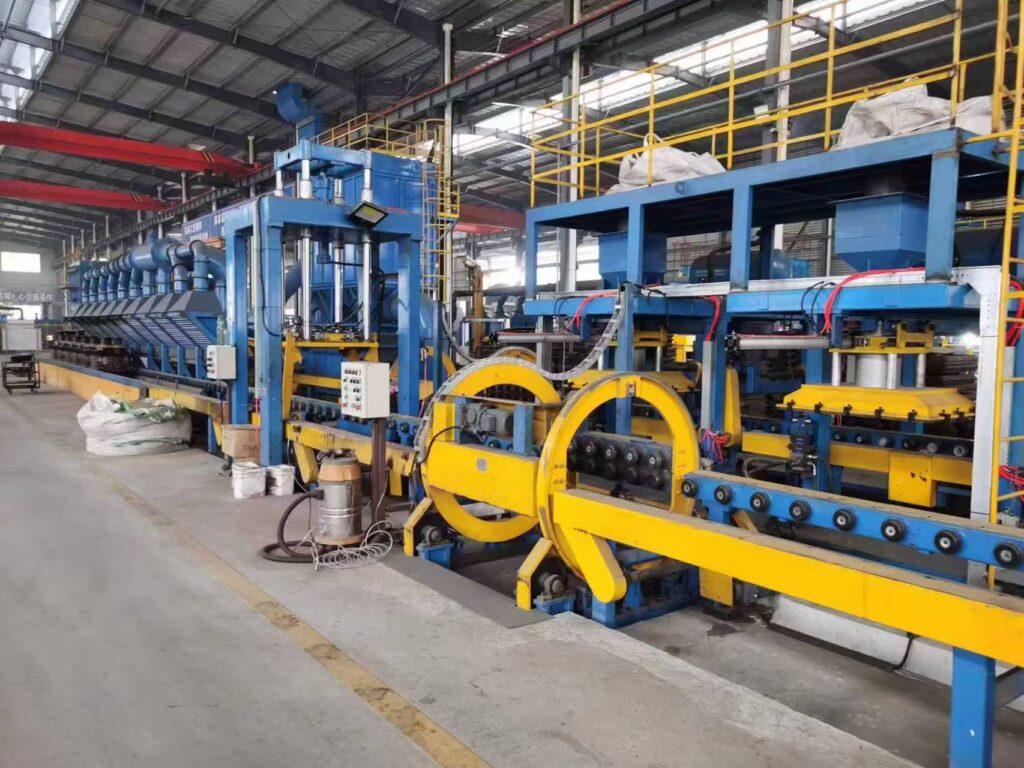
A blasting system should be evaluated as one part of the factory production line. Upstream casting, shakeout, fettling, trimming, and part identification determine when workpieces arrive. Downstream coating, machining, inspection, assembly, and dispatch determine when they must be ready. Any mismatch can reduce the benefit of a faster machine.
Review the complete material flow
- Can upstream processes supply the required volume without interruptions?
- Are workpieces sufficiently cool, clean, and stable for automatic handling?
- Can cranes, robots, conveyors, or operators load parts without waiting?
- Is there enough buffer space for quality checks and temporary storage?
- Can blasted parts reach coating or assembly within the required time window?
- Will the new system create congestion at inspection, packaging, or shipping?
Integration with assembly lines is especially important for components that must arrive in sequence. A blasting machine that produces large batches without matching assembly demand may increase work in process rather than factory output. In contrast, a system programmed around actual takt time can support smoother flow, shorter lead times, and more reliable delivery performance.
Evaluate Retrofit Options for Existing Production Lines
Many factories do not need to replace their entire process. Retrofitting existing production lines may provide a more controlled path to improved capacity. A retrofit assessment should cover mechanical layout, electrical controls, conveyor interfaces, part fixtures, dust collection, abrasive recovery, safety guarding, and communication with existing equipment.
A capable Manufacturer and Supplier can adapt the equipment around the factory rather than requiring the factory to be rebuilt around a standard machine. Depending on the site, a Customizable shot blasting machine may include modified chamber dimensions, special hooks, rotary tables, roller conveyors, automatic loading, unloading devices, or recipe management.
Retrofit evaluation checklist
- Survey available floor space, ceiling height, foundations, crane paths, and maintenance access.
- Map current production data and identify the actual line bottleneck.
- Confirm electrical capacity, ventilation, dust extraction, compressed air, and drainage needs.
- Check compatibility with existing PLC controls, conveyors, fixtures, and inspection systems.
- Plan installation phases that protect current delivery commitments.
- Test representative workpieces before finalizing acceptance criteria.
OEM and ODM cooperation can be useful when the factory requires special controls, branded interfaces, unique handling equipment, or integration with a broader automation program. However, customization should solve a documented operating need. Unnecessary modifications can extend lead time, increase maintenance complexity, and reduce the return on investment.
Use Total Line Efficiency as the Procurement Standard
The final decision should combine capacity, quality, logistics, reliability, and commercial risk. Compare how each option affects the whole factory, including labor allocation, changeover time, work in process, rework, delivery deadlines, and equipment utilization.
| Decision factor | Questions to verify before purchase |
| Takt-time fit | Can the complete process meet demand without queues or excessive idle time? |
| Line balance | Will upstream and downstream operations support the blasting output? |
| Order flexibility | Can the system handle bulk and small-batch orders efficiently? |
| Quality control | Can it achieve customer standards consistently and provide traceability? |
| Delivery reliability | Are service response, spare parts, bypass procedures, and training adequate? |
| Expansion potential | Can the system support future volume or product changes? |
Request cycle-time trials using real workpieces, not only demonstrations with ideal samples. Ask the Supplier to explain loading assumptions, changeover losses, maintenance intervals, abrasive consumption, dust-control requirements, and integration responsibilities. This evidence helps procurement distinguish genuine line improvement from attractive but isolated equipment performance.
Conclusion and Procurement Action
Choose manual or Automatic Blasting according to takt time, order mix, quality demands, and complete factory flow. Contact our Manufacturer team for a site review, workpiece trial, and Customizable OEM or ODM retrofit proposal that aligns your shot blasting equipment with production and delivery goals.
 English
  Russian
  Spanish
  Portuguese
  French
  Indonesian
  Thai
Thai