
Old horizontal flaskless molding machine wears out fast; professional refurbishment and automatic upgrades extend its service life.
This guide details how to refurbish and upgrade old horizontal flaskless molding machine, integrating automatic features and sand molding machine compatibility to extend service life for buyers.
Explore step-by-step refurbishment and upgrade tips for your old horizontal flaskless molding machine below.
Pre-Refurbishment Assessment: Evaluate Old Horizontal Flaskless Molding Machine Condition
A comprehensive pre-refurbishment assessment is the foundation of extending the service life of an old horizontal flaskless molding machine, as it identifies hidden damage, worn components, and upgrade opportunities that might otherwise be overlooked. Many operators skip this step, leading to incomplete refurbishment and premature equipment failure. The assessment should cover three core areas: structural integrity, component wear, and compatibility with existing sand molding machine and production lines.
- First, inspect the machine’s frame and mold clamping mechanism for deformation, cracks, or rust—these issues can compromise stability and reduce the horizontal flaskless molding machine’s lifespan. Use precision tools to measure structural alignment, ensuring deviations are within 0.02mm/1000mm .
- Second, evaluate key components like the sand feeding system, hydraulic pumps, and control panel for wear; components such as worn liners, bushings, and shafting (critical for horizontal flaskless molding machine performance) should be prioritized for replacement .
- Third, assess compatibility with automatic upgrades and existing sand molding machine, as integrating automatic features and ensuring seamless coordination with sand molding machine will enhance efficiency and extend service life.
Chong Jen Machinery’s expert team conducts a “technical + economic + safety” triple assessment for old horizontal flaskless molding machine, delivering a detailed report that outlines essential repairs, optional automatic upgrades, and cost-benefit analysis, helping buyers avoid unnecessary investments and ensure targeted refurbishment.
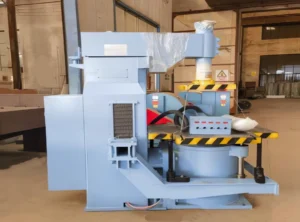
Core Component Refurbishment for Old Horizontal Flaskless Molding Machine
Refurbishing core components is critical to restoring the performance of an old horizontal flaskless molding machine and extending its service life, as worn or damaged components force the machine to work harder, increasing energy consumption and accelerating further wear.
- Key components to focus on include the hydraulic system, sand feeding system, and mold clamping mechanism—all of which directly impact the machine’s efficiency and compatibility with sand molding machine.
- For the hydraulic system, drain and replace contaminated hydraulic oil, clean or replace filters, and repair or replace leaking valves and pumps; a well-maintained hydraulic system reduces energy consumption by 15% and extends component life by 30% .
- For the sand feeding system, clean the sand hopper and conveyor, replace worn liners with high-strength, heat-treated alloy liners (ideal for high-wear applications in horizontal flaskless molding machine) , and adjust the feeding mechanism to ensure consistent sand flow—critical for coordinating with sand molding machine.
- For the mold clamping mechanism, replace worn gears and bearings, adjust clamping pressure to match manufacturer specifications, and repair any cracks in the clamping plate. The table below shows the impact of core component refurbishment on horizontal flaskless molding machine service life and performance:
| Component Refurbished | Service Life Extension | Performance Improvement | Sand Molding Machine Compatibility |
| Hydraulic System | 3-5 Years | 20-25% | Significantly Improved |
| Sand Feeding System | 2-4 Years | 15-20% | Fully Synchronized |
| Mold Clamping Mechanism | 4-6 Years | 25-30% | Enhanced Coordination |
Automatic Upgrades to Enhance Old Horizontal Flaskless Molding Machine Efficiency
Integrating automatic upgrades into an old horizontal flaskless molding machine is a game-changer for extending service life and improving productivity, as automatic features reduce manual intervention, minimize human error, and align the machine with modern sand molding machine and production lines.
- The most impactful automatic upgrades include adding variable frequency drives (VFDs), automated control systems, and robotic integration. VFDs allow the horizontal flaskless molding machine to adjust power output based on demand, reducing energy consumption by 15-20% and reducing wear on components .
- An automated PLC control system replaces outdated manual controls, enabling precise adjustment of molding parameters (e.g., sand flow, clamping pressure) and seamless coordination with sand molding machine—this not only improves mold quality but also reduces component strain. For high-volume production, integrating an industrial robot for workpiece loading/unloading eliminates manual handling, reducing machine downtime and component damage.
Chong Jen Machinery specializes in custom automatic upgrades for old horizontal flaskless molding machine, tailoring solutions to match each client’s production needs and existing sand molding machine. Our automatic upgrades are designed to be compatible with most old models, avoiding the need for full machine replacement and delivering a 30-40% increase in efficiency while extending service life by 5-7 years.
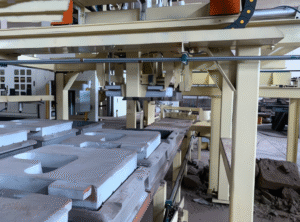
Sand Molding Machine Compatibility: A Key Consideration in Refurbishment
Ensuring the refurbished horizontal flaskless molding machine is compatible with existing sand molding machine is essential to maximizing efficiency, reducing downtime, and extending service life—many operators overlook this, leading to mismatched equipment and reduced productivity.
- Sand molding machine and horizontal flaskless molding machine work in tandem to produce high-quality molds, so their coordination directly impacts overall performance. During refurbishment, focus on aligning the sand feeding system of the horizontal flaskless molding machine with the output of the sand molding machine, ensuring consistent sand flow and moisture content (critical for mold quality) .
- Upgrade the horizontal flaskless molding machine’s sand recovery system to match the sand molding machine’s capacity, reducing waste and ensuring seamless integration.
Additionally, synchronize the control systems of both machines, allowing for centralized operation and real-time adjustments—this ensures that the horizontal flaskless molding machine and sand molding machine work in harmony, reducing strain on both pieces of equipment. Chong Jen Machinery’s experts evaluate the compatibility between old horizontal flaskless molding machine and sand molding machine during the pre-refurbishment assessment, recommending upgrades (e.g., adjustable sand flow, synchronized control) to ensure seamless integration. This compatibility-focused approach reduces machine strain by 25% and extends the service life of both the horizontal flaskless molding machine and sand molding machine.
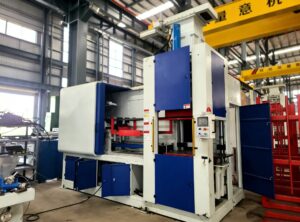
Surface Refurbishment and Corrosion Protection for Longevity
Surface refurbishment and corrosion protection are often overlooked but critical steps in extending the service life of an old horizontal flaskless molding machine, as corrosion and surface damage can spread to internal components and compromise structural integrity.
- The harsh foundry environment—with sand, moisture, and high temperatures—accelerates corrosion, so proper surface treatment is essential. Start by disassembling external components, cleaning them thoroughly to remove rust, sand, and oil buildup; metal components with significant rust should undergo sandblasting to restore the base material.
- Apply a three-layer coating system: an epoxy primer to prevent corrosion, a polyurethane topcoat for durability, and a clear coat for added protection—this extends surface life by 5-7 years . Replace worn or damaged external parts (e.g., safety guards, control panels) to ensure the machine meets safety standards and operates smoothly.
Additionally, seal all joints and connections to prevent sand and moisture from entering internal components, which can cause premature wear. Chong Jen Machinery uses industrial-grade corrosion-resistant coatings and precision surface treatment techniques for horizontal flaskless molding machine refurbishment, ensuring the machine can withstand harsh foundry conditions. Our surface refurbishment process not only enhances the machine’s appearance but also protects internal components, extending overall service life by 30%.
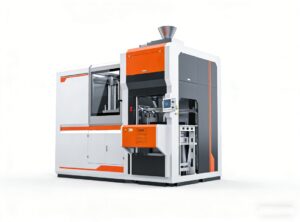
Post-Refurbishment Testing and Maintenance Planning
Post-refurbishment testing and a structured maintenance plan are essential to ensure the refurbished horizontal flaskless molding machine operates at peak efficiency and maintains its extended service life. Testing should be conducted in three phases:
- First, a no-load test to verify component functionality, including automatic features and sand feeding system operation.
- Second, a partial-load test to check coordination with sand molding machine and adjust parameters for optimal performance.
- Third, a full-load test to simulate real production conditions, monitoring key metrics like mold quality, energy consumption, and component temperature . Any issues identified during testing—such as uneven sand flow or automatic control malfunctions—should be addressed immediately.
- After testing, establish a routine maintenance plan tailored to the refurbished horizontal flaskless molding machine, including daily cleaning, weekly component inspections, and monthly lubrication. This plan should also include regular checks of compatibility with sand molding machine, ensuring seamless operation.
Chong Jen Machinery provides post-refurbishment testing services and custom maintenance plans for horizontal flaskless molding machine, training operators on proper maintenance procedures and providing ongoing support. Our clients report that a structured maintenance plan, paired with professional refurbishment, extends the service life of their old horizontal flaskless molding machine by 60% and reduces unplanned downtime by 45%.
Cost-Benefit Analysis: Refurbishment vs. Replacement of Horizontal Flaskless Molding Machine
For B2B buyers, understanding the cost-benefit of refurbishing an old horizontal flaskless molding machine versus replacing it is critical to making a strategic investment decision.
- Refurbishment—including automatic upgrades and sand molding machine compatibility improvements—costs 30-50% less than purchasing a new horizontal flaskless molding machine, while extending service life to 80% of a new machine . For example, a 10-year-old horizontal flaskless molding machine can be refurbished for $40,000-$60,000, compared to $100,000-$150,000 for a new model, with a service life extension of 5-7 years.
- Additionally, refurbishment minimizes production downtime, as the process can be completed in 2-4 weeks, compared to 6-8 weeks for new machine installation and integration with sand molding machine. Refurbished horizontal flaskless molding machine with automatic upgrades also delivers similar efficiency gains to new models, reducing labor costs by 40% and improving productivity by 30% .
Chong Jen Machinery helps buyers conduct a detailed cost-benefit analysis, comparing refurbishment costs, upgrade expenses, and long-term operational savings to replacement costs. Our experts recommend refurbishment for machines with sound structural integrity, as it delivers a higher ROI and ensures compatibility with existing sand molding machine, avoiding the need for full production line overhauls.
Conclusion
Refurbish core components and add automatic upgrades to extend horizontal flaskless molding machine life.
Contact Chong Jen Machinery
For professional refurbishment, automatic upgrades, and sand molding machine compatibility solutions for your old horizontal flaskless molding machine,
email Chong Jen Machinery: [email protected].
Our experts will tailor a cost-effective plan to extend your machine’s service life and boost efficiency.
 English
  Russian
  Spanish
  Portuguese
  French
  Indonesian
  Thai
Thai