
How to Avoid Choosing the Wrong Abrasive for Your Castings
Choosing steel shot, steel grit, or glass beads without matching the casting material and surface target can lead to poor finish quality, contamination, longer cleaning cycles, and avoidable workpiece damage. Procurement teams that focus only on price often create higher total cost. A material-and-standard-based selection process prevents these failures.
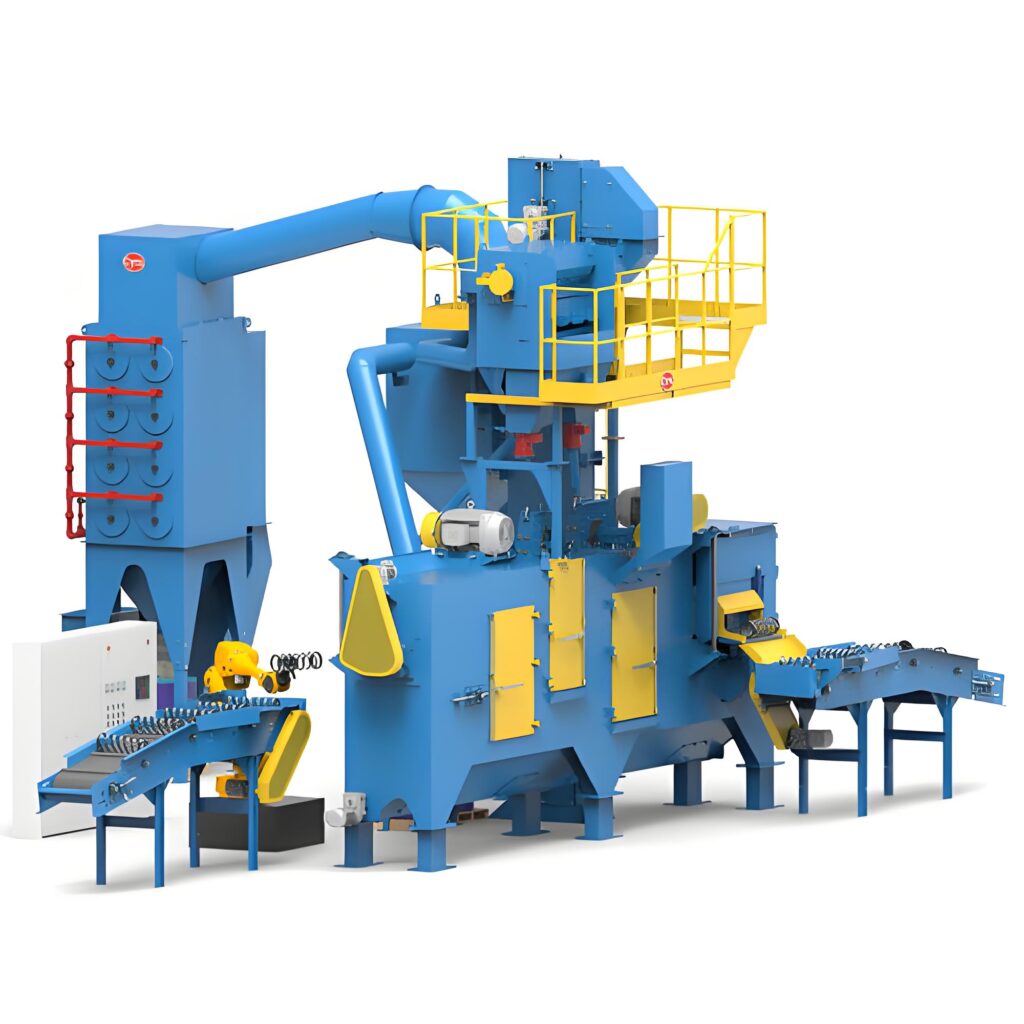
The best abrasive is chosen by combining workpiece material, surface roughness target, and finish standard. Our company supports buyers with Customizable OEM and ODM solutions from an experienced Manufacturer and Supplier, helping match the right media to the right shot blasting machine and production goal.
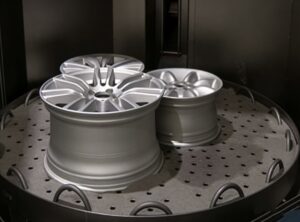
Select Media by Casting Material and Surface Standard
The first procurement filter is the casting base material. Carbon steel and cast iron usually tolerate stronger impact and higher cleaning intensity, while stainless steel and aluminum alloys need tighter control to reduce contamination, distortion, and visible surface damage. The second filter is the required surface treatment standard, including Ra, coating roughening, surface hardening, or a matte finish.
| Material | Best-fit media | Main procurement concern |
| Carbon steel | Steel shot or steel grit | Cleaning speed and profile control |
| Cast iron | Steel shot or steel grit | Heavy scale removal and cycle time |
| Stainless steel | Glass beads or controlled steel shot | Carburization contamination risk |
| Aluminum alloys | Glass beads | Workpiece damage prevention and control |
Carbon steel and cast iron
For carbon steel and cast iron, steel shot is often the most practical choice when the goal is general desanding, cleaning, or moderate surface hardening. Steel grit is better when stronger cutting action is needed for coating roughening or stubborn residue. The decision depends on whether the shot blasting machine must prioritize throughput, profile depth, or both.
- Steel shot suits stable, high-volume cleaning
- Steel grit suits stronger surface preparation
- Both require cycle time control and wear monitoring
Stainless steel and aluminum alloys
Stainless steel and aluminum alloys are more sensitive to surface damage and contamination. Glass beads are often preferred for a smooth matte finish and lower risk of aggressive cutting. For stainless steel, buyers must also consider carburization contamination risk and confirm that the Supplier can control media purity and process conditions.
- Use glass beads for delicate cosmetic treatment
- Avoid unnecessary abrasive aggression
- Verify contamination control with the Manufacturer
Match the Abrasive to the Surface Treatment Goal
Surface roughness, often expressed as Ra, should be defined before procurement. If the downstream process requires coating roughening, steel grit may create the needed anchor profile. If the requirement is surface hardening or stable cleaning with less aggressive impact, steel shot is usually more efficient. If the goal is a refined matte finish, glass beads are typically the safer option.
| Surface target | Recommended media | Typical result |
| Coating roughening | Steel grit | Higher profile for adhesion |
| Surface hardening | Steel shot | Controlled impact and repeated peening |
| Matte finish | Glass beads | Uniform, softer visual appearance |
Selection checklist for buyers
- Identify casting base material.
- Define target Ra or finish standard.
- Confirm whether the goal is cleaning, coating roughening, or surface hardening.
- Evaluate contamination risk, especially for stainless steel.
- Check whether workpiece damage prevention is a priority.
- Ask for a media trial on the actual shot blasting machine.
Use Cleaning Cycle Time as a Procurement Filter
Cleaning cycle time affects labor, output, and machine utilization. Steel shot usually offers strong productivity on robust castings, while steel grit may shorten cleaning time on stubborn surfaces but increase wear. Glass beads can protect delicate parts, though they may require longer cycles for heavy contamination. A good OEM or ODM proposal should quantify this tradeoff.
- Short cycle time matters for high-volume foundries
- Damage control matters for precision or thin-wall parts
- Wear-part cost should be included in total cost analysis
Final Procurement Decision
A reliable Manufacturer and Supplier should provide media recommendations, machine settings, contamination controls, and acceptance criteria based on your casting type and surface standard. Ask for a Customizable test plan so the selected abrasive supports quality, throughput, and long-term operating cost.
Contact us to evaluate your castings and receive a Customizable OEM and ODM recommendation for the right shot blasting machine and abrasive media.
 English
  Russian
  Spanish
  Portuguese
  French
  Indonesian
  Thai
Thai