
How to Prevent Steel Plate Cleaning Failures in Heavy-Industry Projects
Poor steel plate cleaning can trigger coating blistering, rust return, delayed acceptance, and expensive rework. If the blast standard is set too low, downstream engineers may reject the job even after painting. A procurement decision based on acceptance standards, corrosion grade, and lifecycle risk protects schedule, budget, and reputation.
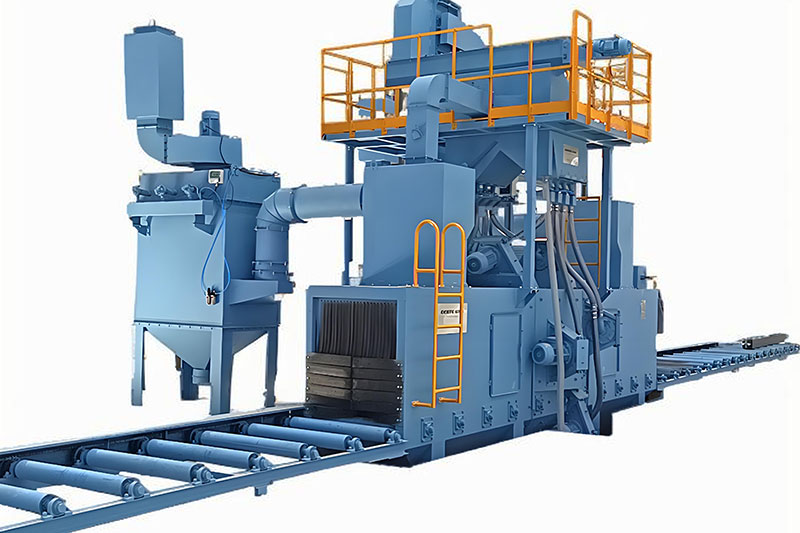
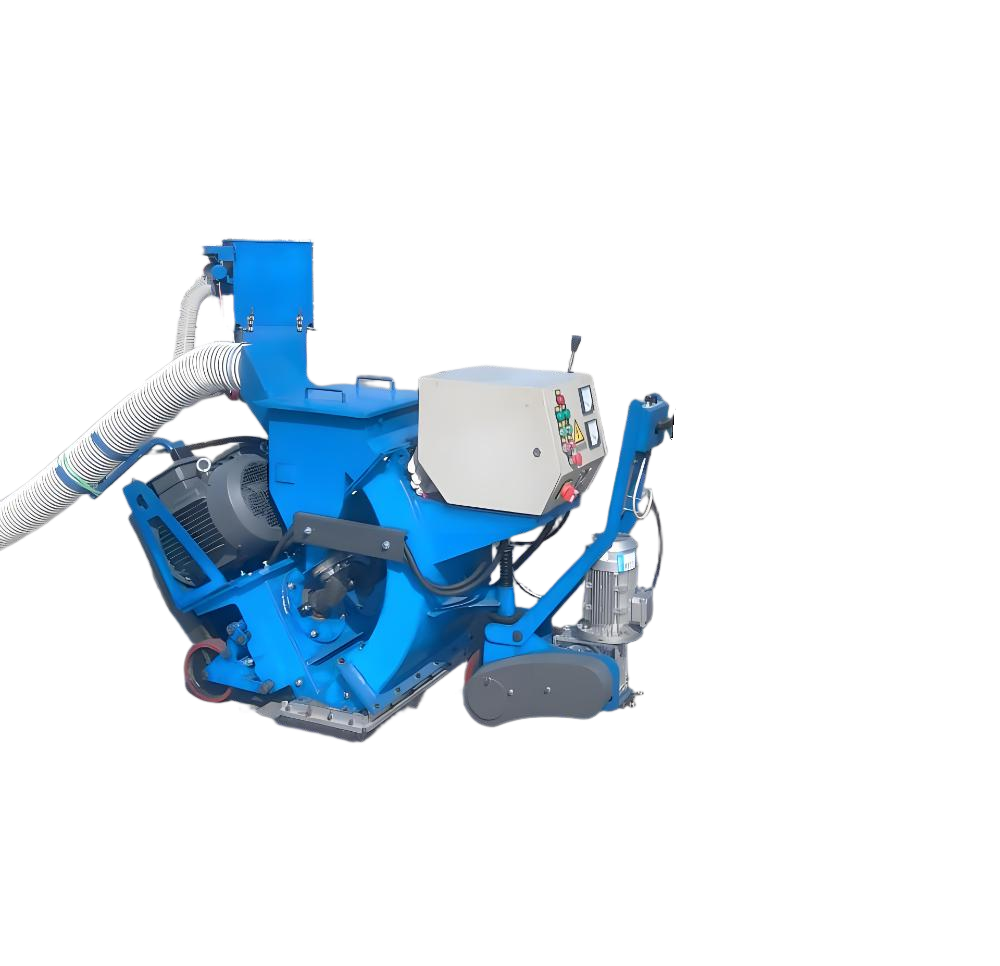
The best cleaning standard is defined by project acceptance, PSPC corrosion requirements, and coating performance risk. Our company supplies Customizable OEM and ODM solutions as a Manufacturer and Supplier of shot blasting machine and Wheelblast Equipment systems for heavy-industry steel plate applications.
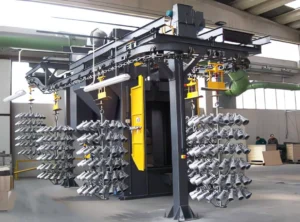
Start with Downstream Engineering Acceptance Standards
Procurement should begin with the final inspection rule, not the equipment price. Bridge steel structures, wind turbine towers, and pressure vessels often require different surface preparation targets, documentation, and coating compatibility. A Supplier must confirm the cleaning grade before proposing a shot blasting machine.
| Project type | Typical standard focus | Procurement risk if ignored |
| Bridge steel structures | Durable coating adhesion and uniform cleaning | Premature corrosion and rework |
| Wind turbine towers | High coating lifespan and controlled roughness | Inspection rejection |
| Pressure vessels | Strict surface cleanliness and consistency | Safety and quality nonconformance |
Project acceptance standards
For heavy-industry projects, acceptance usually depends on visible cleanliness, anchor pattern roughness, and salt residue control on steel plates. If the surface is not clean enough, coating adhesion weakens and the work may fail final inspection. A Manufacturer should provide measurable targets, not general claims.
- Confirm required cleanliness level before ordering
- Define acceptable surface anchor pattern roughness
- Specify inspection documents and coating compatibility
Use PSPC and Corrosion Protection Grades as Procurement Filters
Ship PSPC specifications and corrosion protection grades are critical for projects exposed to harsh marine or outdoor environments. Even when the job is not a shipbuilding contract, the same logic applies: cleaning quality determines anti-corrosion coating lifespan. Substandard cleaning increases the risk of coating failure and early maintenance.
Sa2.5 and Sa3 cleaning grades
Sa2.5 is widely used for strong industrial cleaning, while Sa3 is the highest visual cleanliness grade for demanding coating systems. Choosing between them depends on project acceptance standards, not only throughput. A Customizable OEM solution should align Wheelblast Equipment output with the required grade.
- 5 suits many heavy-industry coating jobs
- Sa3 is preferred where maximum cleanliness is required
- Higher grades often reduce long-term coating defects
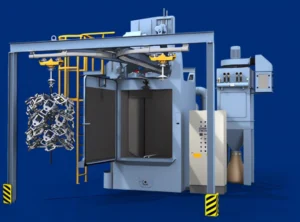
Control Surface Roughness, Salt Residue, and Coating Lifespan
Cleaning is not complete if salt residue remains on steel plates or the anchor pattern is too weak. Both problems shorten anti-corrosion coating lifespan. For bridge steel structures, wind turbine towers, and pressure vessels, the wrong profile can create hidden cost through premature repainting and lost project confidence.
Key quality checks
- Measure surface cleanliness against the specified grade
- Verify anchor pattern roughness is within coating requirements
- Check for salt residue before painting
- Confirm the blast result supports coating lifespan targets
- Document acceptance for downstream engineering review
| Cleaning issue | Likely impact | Procurement response |
| Salt residue on steel plates | Coating blistering and corrosion return | Add surface salt testing to acceptance |
| Weak anchor pattern roughness | Poor coating adhesion | Specify profile range in contract |
| Substandard cleaning grade | Rework and delivery delay | Require verified Sa2.5 or Sa3 output |
Reduce Rework Risk with the Right Shot Blasting Machine
Rework caused by coating failure is often more expensive than the machine itself. A reliable shot blasting machine must support stable cleaning, consistent speed, and repeatable surface quality. OEM and ODM suppliers should demonstrate how their Wheelblast Equipment maintains output across plate thickness, contamination levels, and project volume.
- Ask for actual cleaning performance data
- Confirm compatibility with heavy plate dimensions
- Evaluate spare parts, service response, and process stability
Final Procurement Checklist
Before purchase, align the blast standard, acceptance documents, corrosion grade, and coating system. The right Manufacturer will tailor a Customizable solution that reduces failures, protects coating lifespan, and supports project delivery.
Contact us for a Customizable OEM and ODM proposal for your shot blasting machine and Wheelblast Equipment needs.
 English
  Russian
  Spanish
  Portuguese
  French
  Indonesian
  Thai
Thai