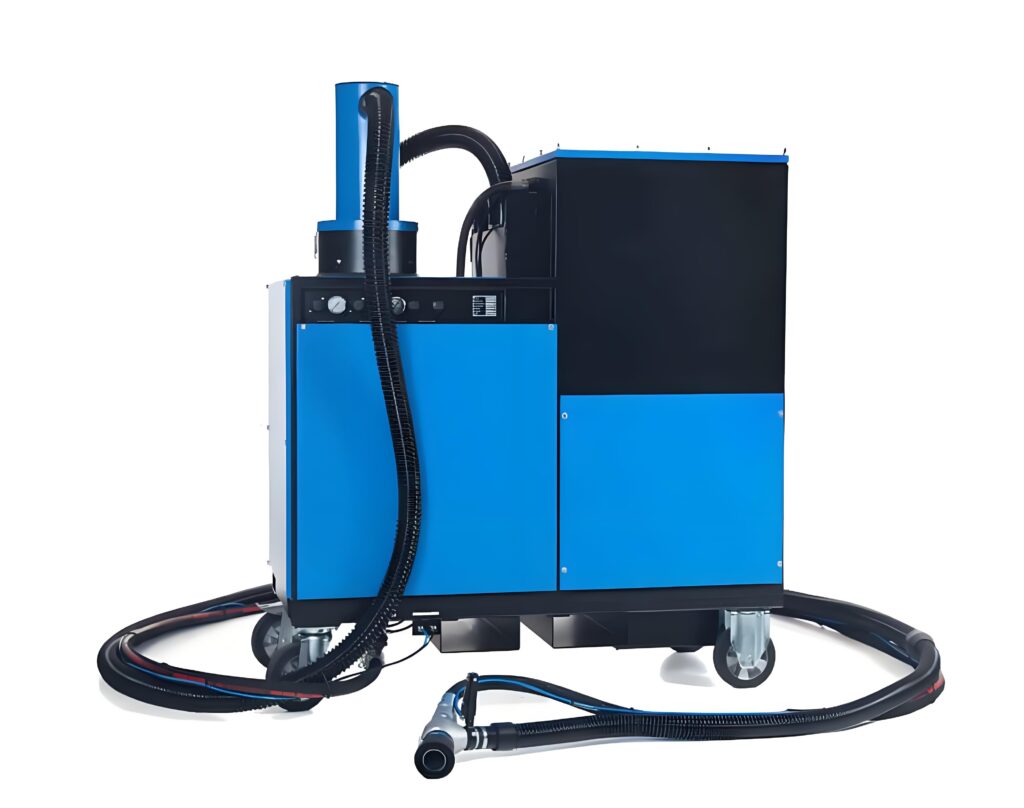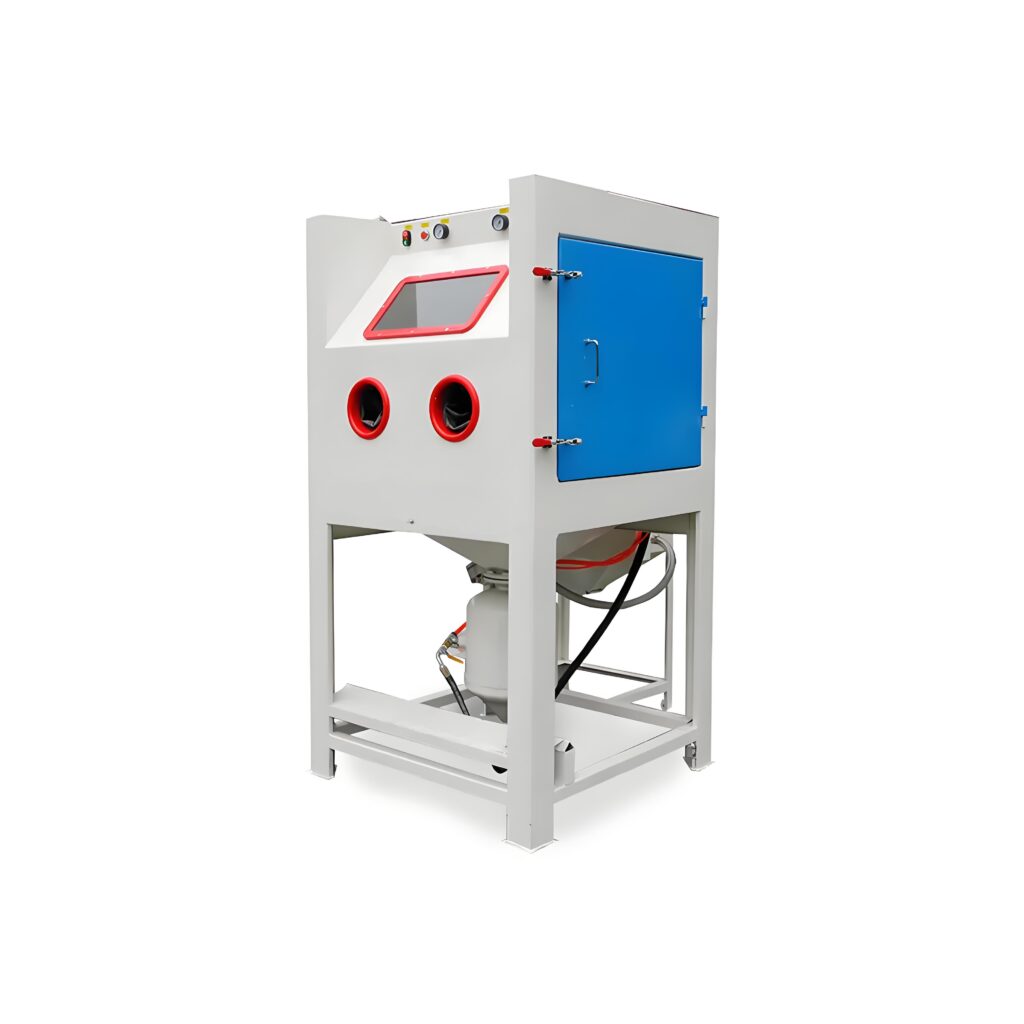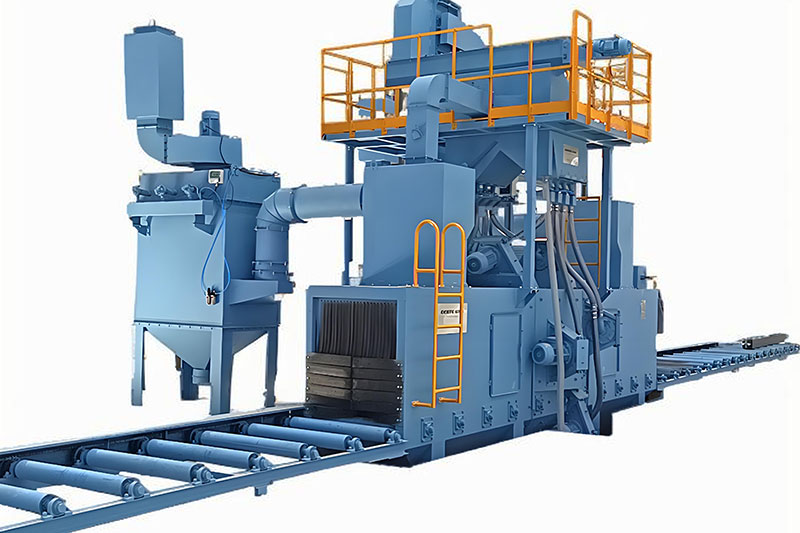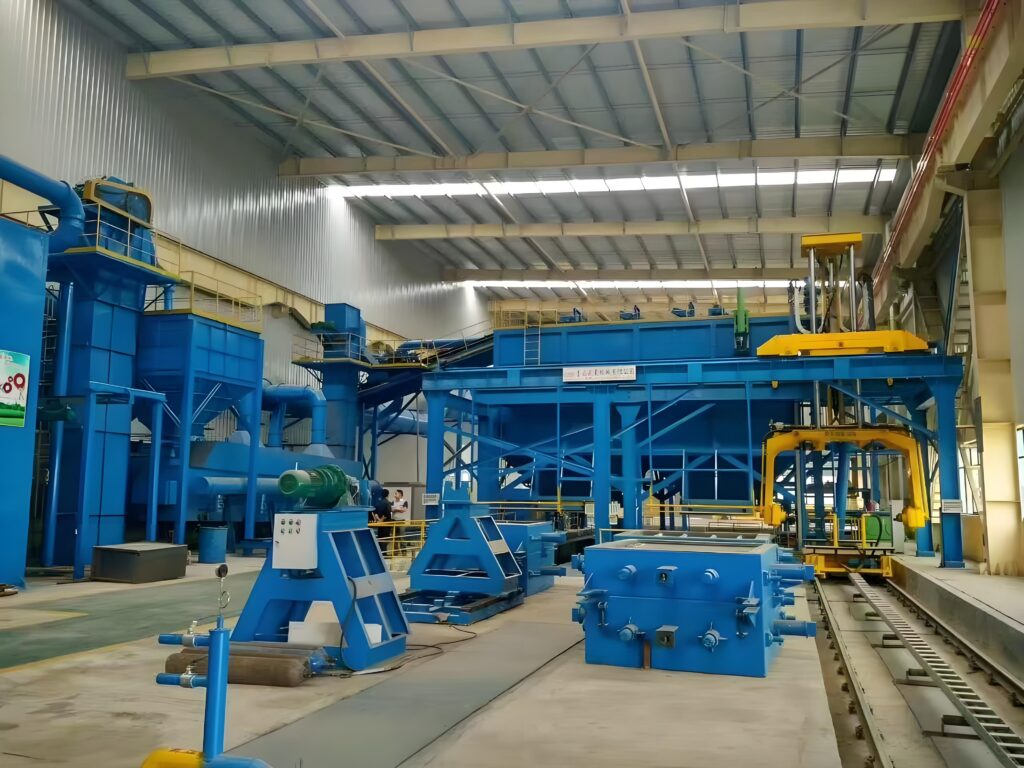
Neglecting shot blaster maintenance shortens lifespan and raises costs. This guide shares key tricks to boost Shot Blaster Longevity.
This guide reveals essential maintenance tricks—Abrasive Media Management, Component Inspection Routine, Routine Cleaning Protocol, and Precision Lubrication—to extend Shot Blaster Longevity and cut costs.
Discover actionable steps below to protect your shot blaster and maximize its service life.
How to properly manage abrasive media to protect shot blaster components?
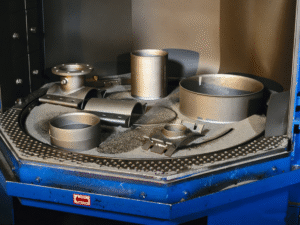
Proper Abrasive Media Management is foundational to Shot Blaster Longevity, as poor media care directly damages critical components. Start by selecting the right media type and size for your machine and workpiece—using overly hard or oversized media accelerates wear on blasting wheels, liners, and nozzles, shortening Shot Blaster Longevity. Regularly sieve media to remove debris, worn particles, and contaminants; contaminated media causes uneven blasting and increases friction on internal parts. Maintain optimal media levels: underfilling reduces cleaning efficiency and strains the machine, while overfilling leads to excessive wear on the recycling system. Replace media when it falls below the manufacturer’s recommended size (typically 50% of original diameter) to avoid reduced performance and component damage. By mastering Abrasive Media Management, you reduce component replacement frequency by 30-40%, directly extending Shot Blaster Longevity and lowering operational costs. This proactive approach ensures media works in harmony with your machine, preserving key components for years.
What key components require regular inspection for shot blaster longevity?
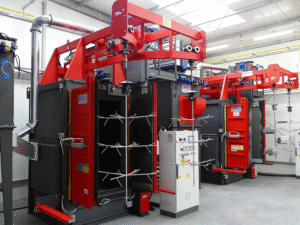
Implementing a strict Component Inspection Routine is non-negotiable for Shot Blaster Longevity, as early detection of wear prevents catastrophic failures. Focus on high-wear components: blasting wheels (check for cracks, imbalance, or blade wear), chamber liners (inspect for thinning, holes, or loose fasteners), nozzles (monitor for clogging, wear, or irregular spray patterns), and conveyor systems (track alignment, tension, and roller function). Conduct weekly visual inspections and monthly detailed checks as part of your Component Inspection Routine—this frequency catches minor issues before they escalate into costly repairs, safeguarding Shot Blaster Longevity. Document inspection results to track component lifespan and predict replacement needs, avoiding unexpected downtime. Pay special attention to electrical components (motors, sensors, controls) for signs of overheating or damage, as electrical failures can render the machine inoperable. By prioritizing Component Inspection Routine, you extend Shot Blaster Longevity by 40% or more, as well-maintained components operate efficiently without straining the machine.
Why is routine cleaning critical for extending shot blaster life, and how to do it?
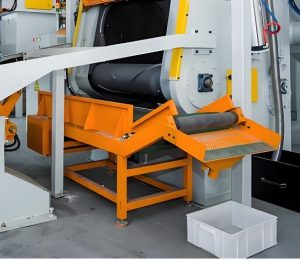
Following a Routine Cleaning Protocol is vital for Shot Blaster Longevity, as accumulated debris and media residue cause corrosion, clogs, and component jams. Routine cleaning prevents abrasive buildup in the blasting chamber, recycling system, and dust collector—buildup increases friction, damages moving parts, and reduces airflow, all of which shorten Shot Blaster Longevity. After each shift, wipe down the chamber interior, clean nozzle openings, and empty dust collection bins to remove leftover media and workpiece particles. Perform a deep clean monthly as part of your Routine Cleaning Protocol: disassemble removable parts (e.g., nozzles, conveyor tracks), clean with manufacturer-approved agents, and remove stubborn residue. Avoid harsh chemicals that damage rubber or metal components. Ensure the media recycling system is free of clogs, as blocked pathways force the machine to work harder, increasing wear. Adhering to Routine Cleaning Protocol eliminates 60% of avoidable wear and tear, directly extending Shot Blaster Longevity and maintaining consistent performance.
How to master lubrication techniques to reduce shot blaster wear?
Precision Lubrication is a game-changer for Shot Blaster Longevity, as friction between moving parts is a top cause of premature wear. First, identify all lubrication points: rotating hooks, conveyor bearings, blasting wheel shafts, and gearboxes. Use only the manufacturer-specified lubricant—using the wrong type (e.g., too thick or too thin) increases friction, causes overheating, and damages components, undermining Shot Blaster Longevity. Follow a strict schedule: lubricate high-use parts weekly and less-frequent moving parts monthly, ensuring Precision Lubrication at all times. Avoid over-lubrication, which attracts dust and debris, creating abrasive mixtures that wear parts faster. Clean lubrication points before applying new lubricant to remove old, contaminated grease. Monitor lubricant levels regularly and top up as needed, especially after heavy use. By mastering Precision Lubrication, you reduce component friction by 70%, significantly extending Shot Blaster Longevity and minimizing maintenance costs. Well-lubricated parts operate smoothly, reducing strain on the entire machine and preventing costly breakdowns.
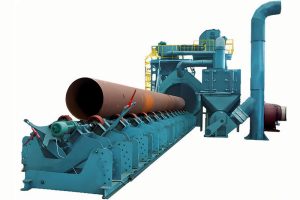
What troubleshooting tips prevent minor issues from damaging shot blasters?
Proactive troubleshooting complements core maintenance practices to protect Shot Blaster Longevity, as minor issues escalate into costly repairs if ignored. First, monitor machine performance: unusual noises (grinding, squeaking) may indicate misaligned components (address via Component Inspection Routine), while reduced cleaning efficiency could signal media wear (fixed through Abrasive Media Management). Check for air or media leaks regularly—leaks reduce pressure, strain the machine, and shorten Shot Blaster Longevity. If the machine overheats, inspect lubrication levels (apply Precision Lubrication) and clean ventilation systems (follow Routine Cleaning Protocol). Address electrical issues promptly: flickering lights or unresponsive controls may indicate wiring problems, which can lead to motor failure. Train operators to recognize common issues and follow a troubleshooting checklist to resolve minor problems quickly. By documenting issues and solutions, you create a reference guide that speeds up resolution and prevents repeated damage. Proactive troubleshooting ensures small problems don’t compromise Shot Blaster Longevity, keeping the machine running reliably.
Conclusion
Follow these maintenance tricks to extend Shot Blaster Longevity and maximize your investment.