
Improper wheel blast operation and selection lowers quality, wastes energy and reduces machine lifespan.
This quick guide explains wheel blast principles, core applications, operation steps, and selection tips to maximize blasting machine performance for industrial users.
Read on to master professional wheel blasting machine skills for better production results.
What Is a Wheel Blasting Machine and How Does Wheel Blast Work?
A wheel blasting machine is a high-efficiency industrial blasting machine that uses centrifugal force to propel steel abrasives across workpiece surfaces for cleaning, descaling, rust removal and surface strengthening.
- Unlike air-driven blasting equipment that relies on compressed air, core wheel blast operation depends on high-speed rotating blast wheels, which generate powerful kinetic energy to spray steel shots and steel grit evenly over metal surfaces.
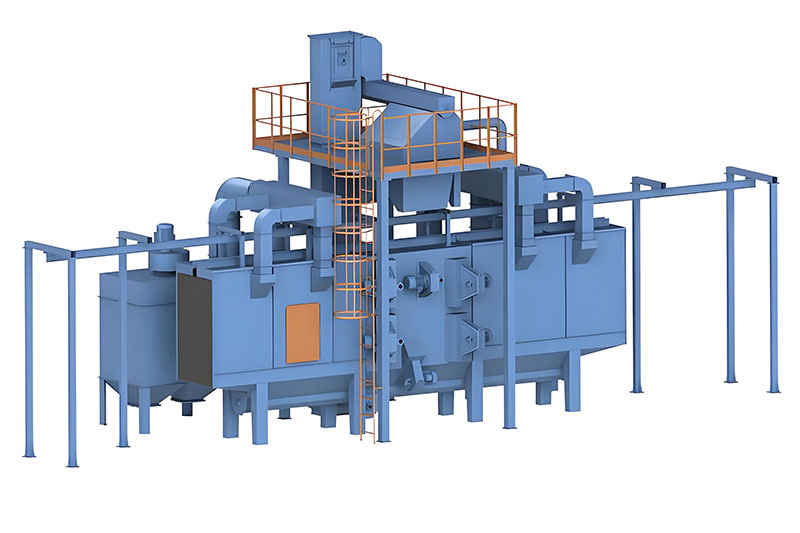
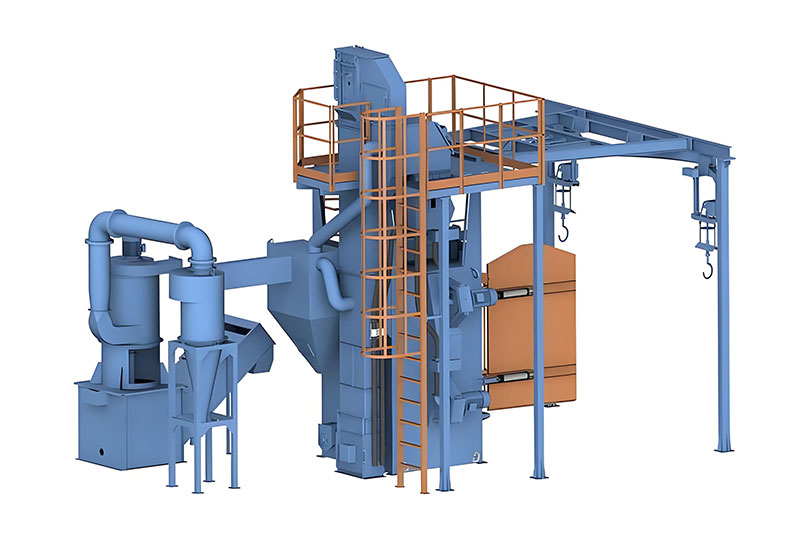
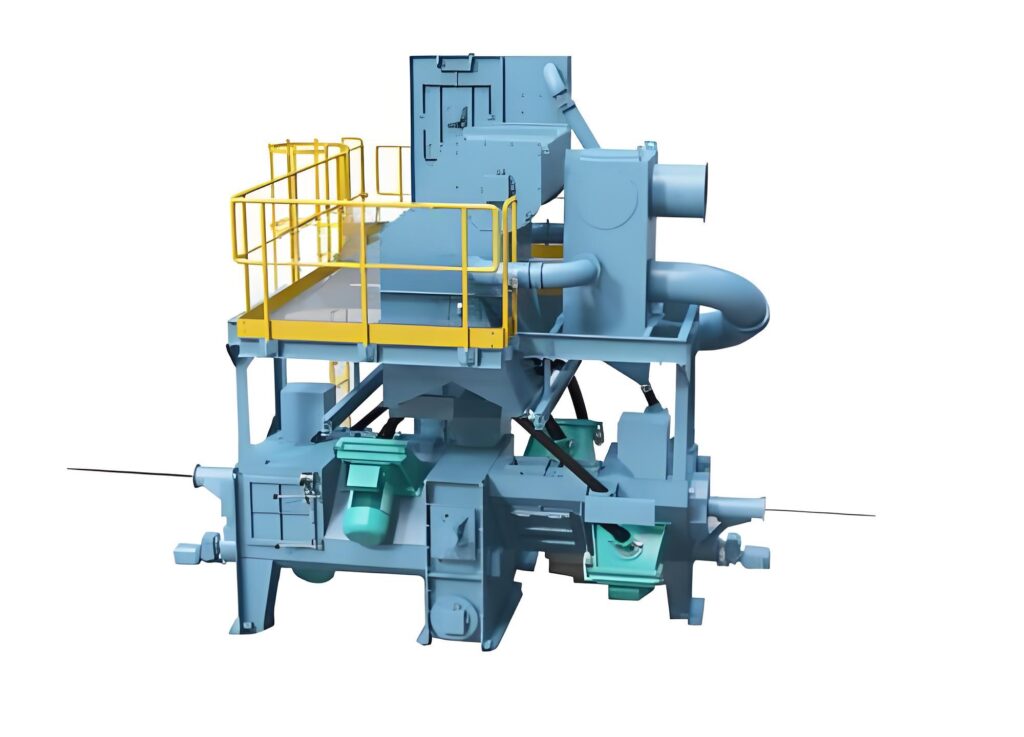
- This mechanical blasting method delivers higher efficiency, lower operational cost and more uniform roughness compared with traditional air blasting, making it the mainstream solution for large-scale industrial surface treatment. The wheel blasting machine mainly consists of blast wheels, abrasive circulation systems, separation and dust removal modules, and automatic feeding structures.
- During operation, abrasives are accelerated by the wheel blades, impact workpiece surfaces to strip rust, oxide layers and old coatings, and then circulate back to the system for screening and reuse. Understanding this working principle helps operators avoid improper parameter settings that cause incomplete cleaning, surface damage or excessive abrasive waste, ensuring stable long-term blasting machine operation.
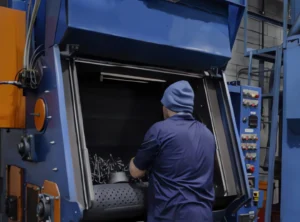
Core Industrial Applications of the Wheel Blasting Machine
The versatile wheel blast system is widely adopted across foundry, automotive, steel structure, hardware and aerospace industries, covering most standard industrial surface treatment scenarios.
- For foundry factories, the wheel blasting machine effectively removes residual sand, burrs and oxidation from castings and forgings, improving surface smoothness and product qualification rates. In steel processing plants, the blasting machine cleans rust and scale from steel plates, profiles and pipes, providing qualified roughness for subsequent painting and anti-corrosion treatment.
- Automotive manufacturers use customized wheel blast equipment to treat chassis parts, engine components and structural accessories to enhance surface adhesion and fatigue resistance. Hardware and machinery factories rely on continuous wheel blast processing for batch deburring and surface strengthening.
Different application scenarios require targeted wheel blasting machine configurations, including adjustable blast wheel power, automatic conveying structures and matched abrasive types. Without scenario-based configuration, even high-quality blasting machine equipment cannot achieve optimal processing effects, resulting in low production efficiency and unstable product quality.
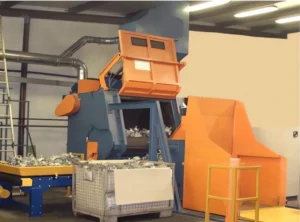
Standard Step-by-Step Operation Workflow for Wheel Blast Equipment
Standardized operation is key to stabilizing wheel blasting machine performance, reducing defects and extending equipment service life. Many factory faults and poor blasting results stem from non-standard startup, parameter adjustment and shutdown habits.
- The complete wheel blast workflow includes pre-operation inspection, parameter setting, trial blasting, formal batch production and post-operation maintenance. Before startup, operators must check blast wheel blade integrity, abrasive volume, pipeline tightness and dust removal system status to avoid air leakage and blockage.
- Next, set rotating speed, feeding speed and abrasive flow according to workpiece material and rust thickness. Conduct small-batch trial blasting to confirm surface effect and adjust parameters timely before mass production.
After daily work, clean residual abrasives and dust inside the blasting machine, and implement delayed shutdown for the dust removal system to ensure thorough cleaning. Scientific operational standards eliminate most human-induced faults and quality fluctuations, maximizing the comprehensive performance of the wheel blasting machine.
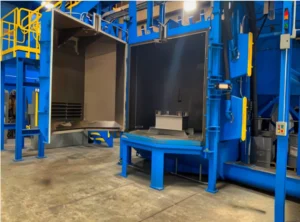
Common Wheel Blasting Machine Faults and Quick Troubleshooting
During long-term continuous production, the wheel blast blasting machine is prone to common faults such as uneven blasting effect, excessive vibration, abrasive leakage and weak cleaning force.
- Timely quick troubleshooting can avoid production shutdown losses and maintain stable operation. Uneven surface treatment is usually caused by worn blast wheel blades, unbalanced abrasive flow or irregular workpiece placement.
- Severe equipment vibration mostly results from blade wear, foreign matter inside the wheel or uneven abrasive accumulation. Weak cleaning force is related to insufficient rotating speed, abrasive shortage or blocked separation systems.
- Most minor faults can be solved through daily inspection and simple adjustments. The following table summarizes frequent faults, causes and fast solutions for quick reference:
| Common Fault | Main Cause | Quick Solution |
| Uneven Blasting Surface | Worn blades, unbalanced abrasives | Replace blades and screen abrasives |
| Strong Machine Vibration | Foreign matter or blade wear | Clean wheel and calibrate components |
| Weak Cleaning Force | Low speed or blocked circulation | Adjust parameters and clear blockages |
Chong Jen Machinery summarizes mature fault diagnosis and maintenance systems for wheel blast equipment. We provide one-on-one wheel blast parameter debugging and daily operation guidance, helping users quickly resolve common faults and reduce downtime losses.
Key Factors for Selecting a Qualified Wheel Blasting Machine
Reasonable equipment selection determines production efficiency, finished quality and long-term cost control of wheel blast processing. Many users blindly purchase high-power or low-price blasting machine equipment, resulting in performance surplus or insufficient capacity, which restricts production development.
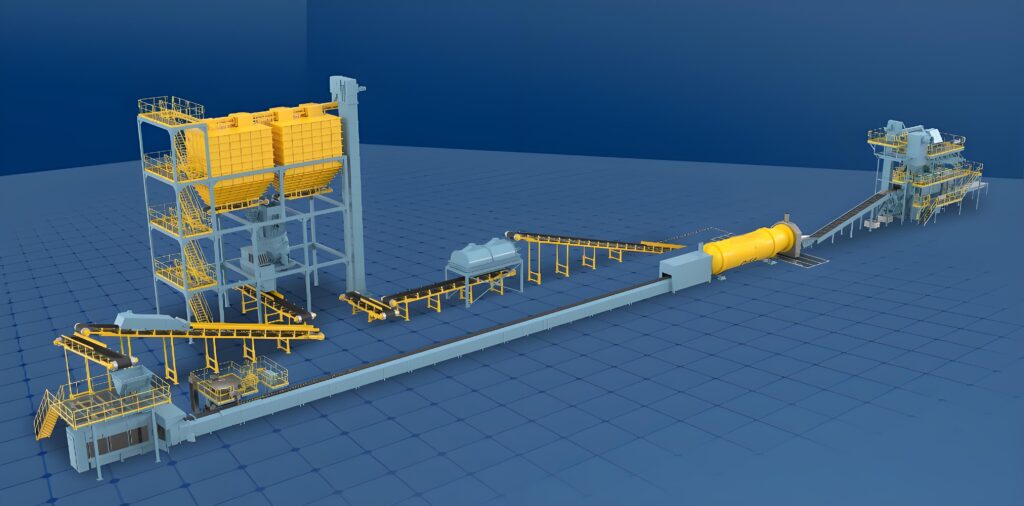
- When selecting a wheel blasting machine, users must first confirm production scale: small-batch and intermittent processing adapts to semi-automatic wheel blast models, while large-scale assembly line production requires fully automatic continuous blasting machines.
- Second, match equipment power and abrasive circulation capacity according to workpiece size, material hardness and rust degree.
- Third, focus on core accessory quality, especially blast wheel blades, separators and dust removal systems, as high-quality accessories effectively reduce failure rates and maintenance costs.
In addition, customized structural design such as roller conveyor, hook type and tumble blast models can adapt to different workpiece shapes and processing needs. Scientific selection ensures that the wheel blasting machine perfectly matches actual production scenarios, achieving high efficiency, low consumption and stable operation.
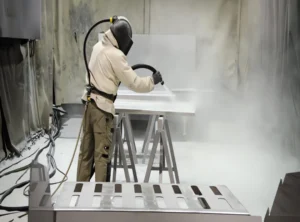
Daily Maintenance Tips to Extend Blasting Machine Service Life
Scientific daily maintenance is the most cost-effective way to maintain long-term stable wheel blast performance and extend the wheel blasting machine’s service life.
- Most industrial blasting machine failures are caused by neglected daily upkeep rather than quality problems. Operators need to implement daily, weekly and monthly maintenance plans. Daily work includes cleaning residual dust and abrasives, checking blade operation and ensuring normal dust removal system work.
- Weekly maintenance focuses on fastening loose bolts, lubricating transmission parts and screening deteriorated abrasives. Monthly inspection requires comprehensive calibration of blast wheel rotating speed, circulation system efficiency and sealing performance to eliminate hidden faults.
Timely replacement of worn accessories avoids secondary damage to core components. Standard maintenance reduces equipment failure rates by more than 80%, greatly lowering later maintenance costs and improving the long-term utilization value of the wheel blasting machine.
Conclusion
Master selection, operation and maintenance to optimize wheel blast machine performance.
Contact Chong Jen Machinery
For customized wheel blasting machine solutions, professional wheel blast debugging and long-term maintenance support,
consult Chong Jen Machinery:[email protected].
 English
  Russian
  Spanish
  Portuguese
  French
  Indonesian
  Thai
Thai