Pitfalls in shot blasting machine purchase cause equipment idleness and cost overruns; grasp three factors for rational procurement.
This guide analyzes parameters, manufacturers and costs in shot blasting machine purchase, identifies common pitfalls, helping buyers select cost-effective shot blasters.
Explore the following to master key points and avoid pitfalls in shot blasting machine procurement.
How to Avoid Parameter Pitfalls in Shot Blasting Machine Purchase?
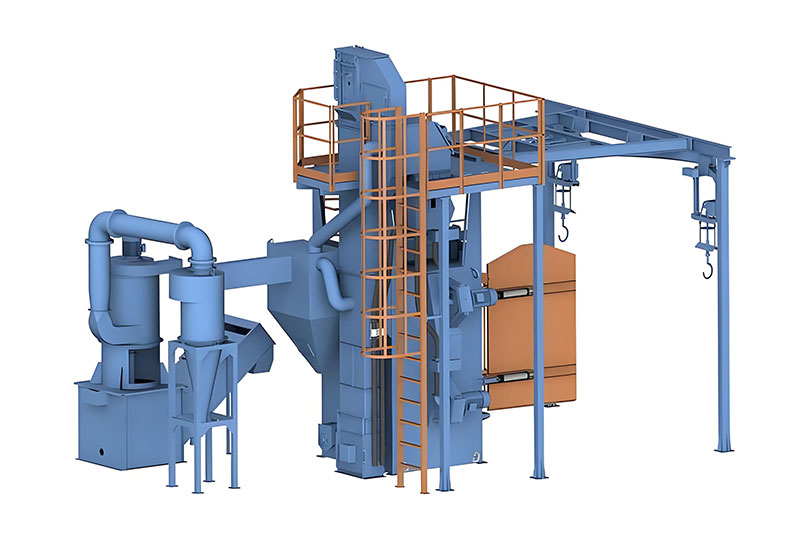
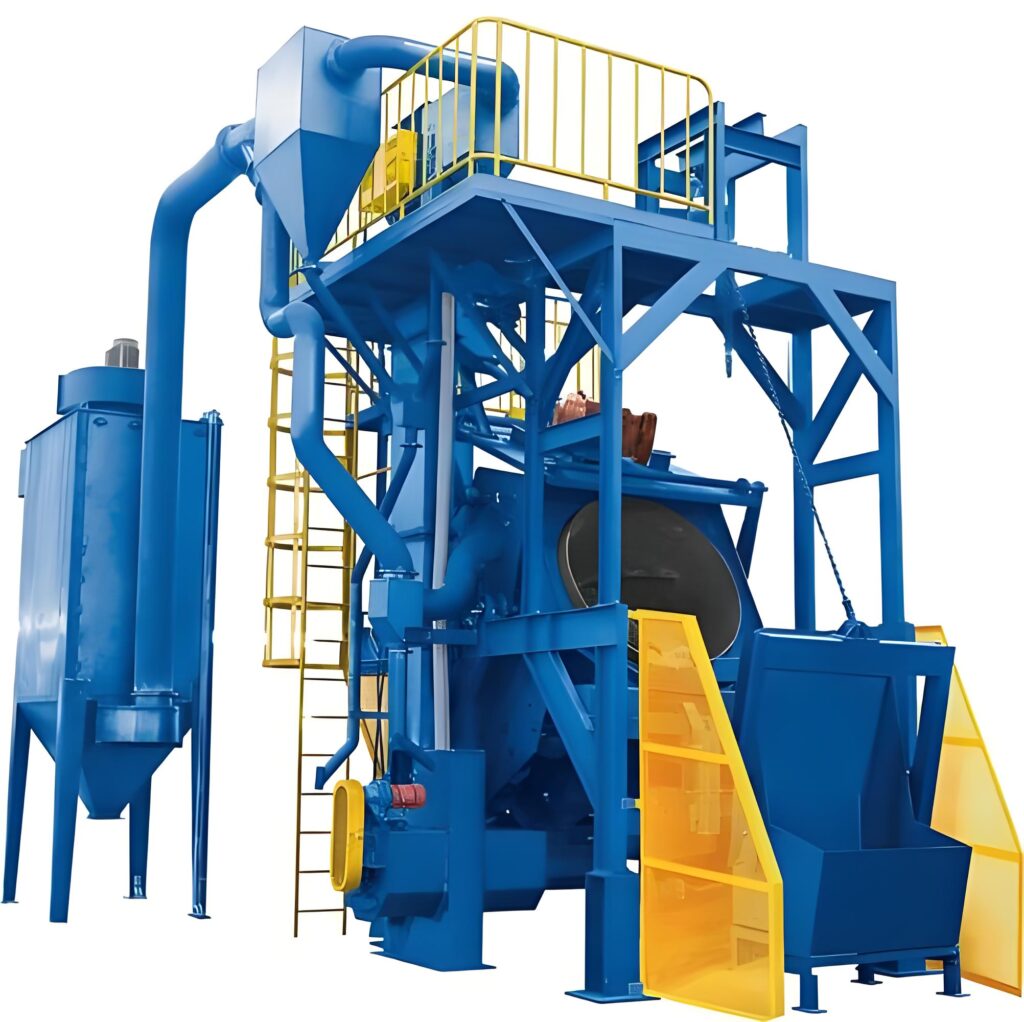
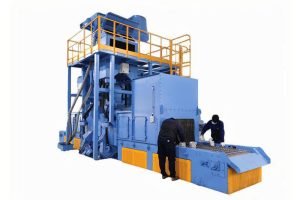
Parameters are the core of shot blasting machine selection and the most error-prone link, requiring accurate demand matching and avoiding false labeling. First, clarify the matching degree between core parameters and production needs: determine the chamber size, shot blasting capacity and power of the shot blasting machine according to workpiece size and material, avoiding “over-equipment” or “under-equipment”. For example, purchasing a large hook-type shot blaster for small precision parts will cause energy waste and cost increase; on the contrary, it cannot meet shot blast requirements. Second, be alert to false parameter labeling. Some manufacturers exaggerate key indicators such as shot blasting efficiency and motor power. When purchasing, ask for third-party test reports and conduct on-site tests on the shot blasting effect and operation stability of the shot blaster. In addition, ignoring supporting parameters may leave hidden dangers. For example, failing to pay attention to the filtration efficiency and abrasive recovery rate of the dust removal system will lead to subsequent failure to meet environmental standards and soaring operating costs. Finally, reserve parameter redundancy, consider future capacity expansion, and choose an upgradeable shot blasting machine to avoid repurchasing due to increased capacity. In short, parameter selection needs “accurate matching + on-site verification + reserved space” to avoid pitfalls.
How to Identify High-Quality Shot Blasting Machine Manufacturers and Avoid Cooperation Pitfalls?
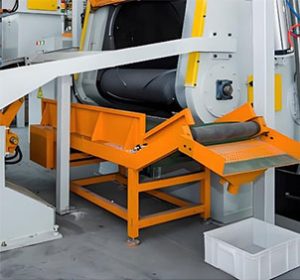
Manufacturer qualifications directly determine the quality of shot blasters and subsequent services, requiring multi-dimensional identification to avoid cooperation risks. First, verify the core qualifications of manufacturers: prioritize those with production licenses and ISO quality certifications, and reject unqualified small workshops. Shot blasting machines produced by such workshops are prone to problems such as substandard welding and inferior components. Second, conduct on-site inspections of manufacturer strength to avoid “empty-shell companies”: check production workshops, R&D teams and inventory, understand the production process and quality control system of shot blasters, and ask for past customer cases to verify the use experience and after-sales service quality of shot blasting machines. Third, be alert to low-price temptations and bundled sales. Some manufacturers attract buyers with “ultra-low prices” but use inferior accessories, or force bundle high-priced consumables and maintenance services. Finally, clarify after-sales service terms to avoid after-sales “shirking responsibilities”: specify the warranty period (at least 1 year is recommended), maintenance response time and spare parts supply in the contract, and reject “verbal commitments”. High-quality manufacturers can not only provide qualified shot blasting machines but also offer customized solutions and timely after-sales support, which is the key to avoiding procurement pitfalls.
How to Accurately Calculate Costs and Avoid Cost Pitfalls in Shot Blasting Machine Purchase?
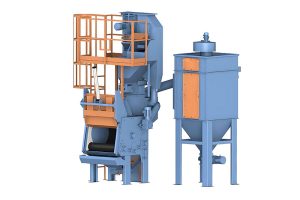
Purchasing a shot blasting machine requires calculating the whole-life cycle cost instead of only the purchase price, avoiding “choosing cheap but suffering great losses”. First, reject the cost trap of low-price equipment: some shot blasters have low purchase prices, but their core components (such as blast wheels and motors) are inferior, resulting in high subsequent maintenance frequency, expensive spare parts costs, and the long-term operating total cost is far higher than that of high-quality shot blasting machines. Second, accurately calculate hidden costs: including energy consumption costs (calculated according to the power and operating time of the shot blasting machine), abrasive consumption costs (high-quality shot blasters have high abrasive recovery rates, which can reduce consumption), labor costs (automatic shot blasting machines can reduce labor input) and environmental protection costs (qualified dust removal systems can avoid fines). Third, be alert to payment pitfalls. Some manufacturers require full prepayment but delay delivery, or increase prices for various reasons after delivery. It is recommended to adopt the payment method of “prepayment + delivery acceptance + quality deposit” to protect their own rights and interests. Finally, calculate cost performance combined with capacity. Under the same purchase price, choose shot blasters with high shot blast efficiency, low energy consumption and low maintenance costs, instead of simply pursuing low prices. In short, cost calculation needs to “balance purchase price and whole-cycle cost” to avoid hidden pitfalls.
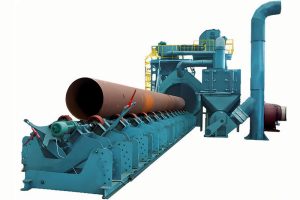
What Other Common Pitfalls Need to Be Avoided in Shot Blasting Machine Purchase?
In addition to the three core factors of parameters, manufacturers and costs, there are two types of pitfalls that need to be focused on avoiding. First, contract pitfalls. When signing the contract, carefully check the terms, clarify the model, parameters, configuration, delivery date and warranty scope of the shot blasting machine, and avoid manufacturers “cutting corners“—for example, the contract stipulates an automatic dust removal system, but the actual delivery is a manual system; or the component brand is vague, and inferior accessories are used instead. Second, ignoring on-site adaptability. Failure to measure workshop space and power load before purchase leads to the shot blaster being unable to be installed after delivery; or failing to consider the workpiece conveying method, resulting in the shot blasting machine being unable to connect with the existing production line and causing equipment idleness. In addition, blindly pursuing “high configuration” is also a common pitfall. In scenarios that do not require high-precision shot blast, purchasing high-end shot blasting machines with intelligent monitoring systems will increase unnecessary purchase costs. When purchasing, it is necessary to “configure on demand + carefully check the contract + plan the site in advance” to avoid pitfalls in all aspects.
Conclusion
Grasp parameters, manufacturers and costs to avoid pitfalls and purchase shot blasting machines rationally.
E-mail:[email protected]