Manual operation of shot blasting machines causes inefficiency and errors, leading to high costs—PLC control and intelligent monitoring enable impactful upgrades.
This guide explains optimizing shot blasting machine efficiency, intelligent monitoring applications, safety enhancements, cost-benefits, and future trends of automation upgrades with PLC and monitoring tech.
Explore practical insights below to unlock the full potential of your shot blasting machine through automation.
How to Optimize Shot Blasting Machine Efficiency Through PLC Control Systems?
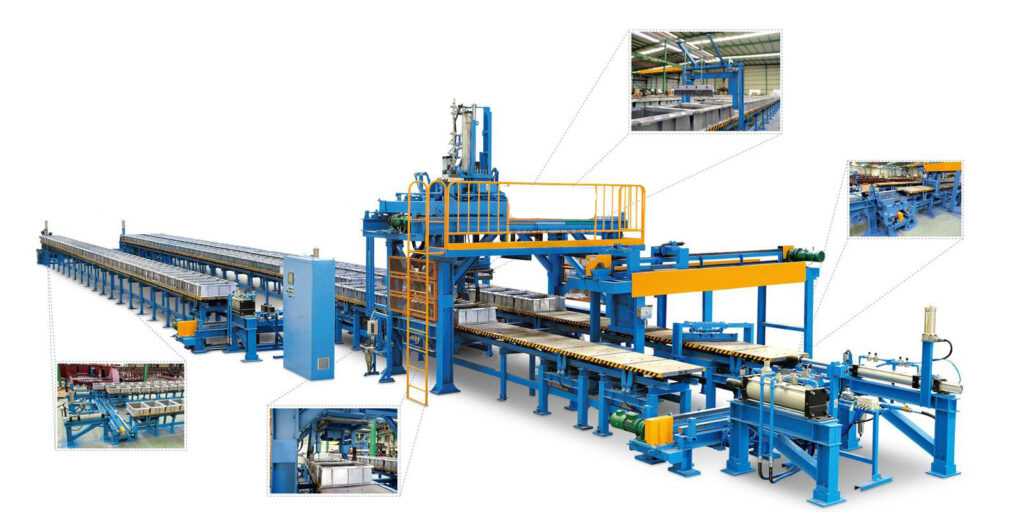
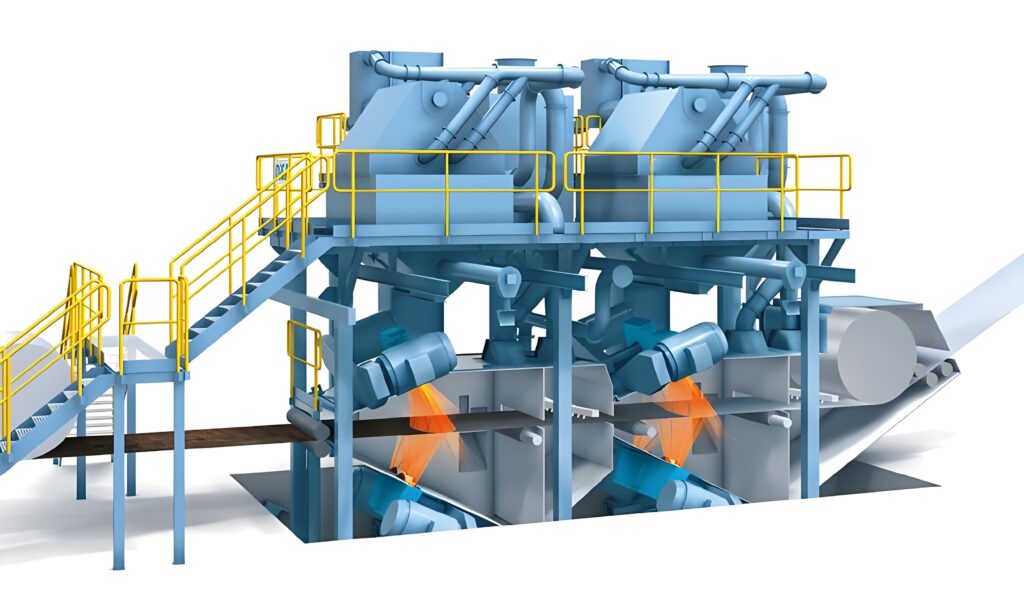
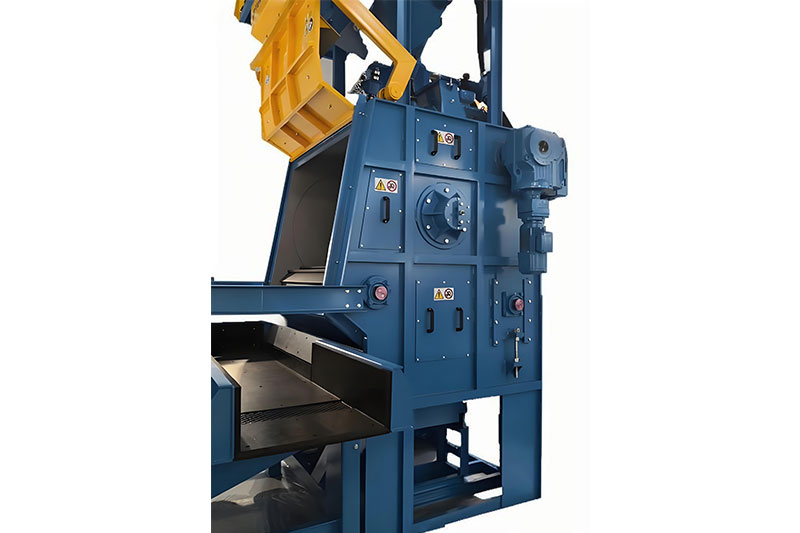
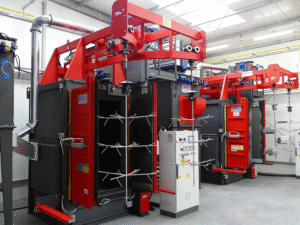
PLC (Programmable Logic Controller) systems are pivotal in optimizing the efficiency of a shot blasting machine by automating core workflows and eliminating manual bottlenecks. A PLC integrates seamlessly with the shot blasting machine’s mechanical components, enabling precise control over blasting parameters such as shot flow rate, blast wheel speed, conveyor velocity, and processing time. For example, when processing different workpiece batches, the PLC retrieves preprogrammed parameter sets—adjusting the shot flow to 50 kg/min for small parts and 80 kg/min for large castings—ensuring optimal resource usage without human intervention. This automation reduces setup time by 40% compared to manual adjustments, allowing the shot blasting machine to handle more batches per hour. Additionally, PLCs synchronize the shot blasting process with upstream and downstream production lines, enabling continuous operation. By minimizing idle time and ensuring consistent parameter execution, PLC control boosts the shot blasting machine’s throughput by 30-50% while reducing shot media waste by 15-20%. The centralized control also allows operators to monitor multiple shot blasting machines simultaneously, further improving overall operational efficiency in industrial settings.
Application Examples and Advantages of Intelligent Monitoring Technology in Shot Blasting Machines?
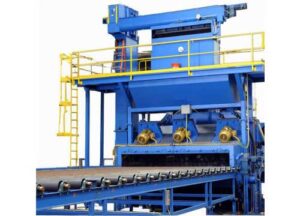
Intelligent monitoring technology offers tangible applications and advantages that elevate the performance of a shot blasting machine. Real-world examples include vibration sensors installed on blast wheels to detect imbalance, temperature sensors monitoring motor heat, and laser sensors measuring workpiece surface roughness post-blasting. In an automotive component factory, these sensors enabled the shot blasting machine to automatically adjust blast intensity based on real-time data—reducing over-processing by 25% and ensuring uniform surface quality. Another example is ultrasonic sensors tracking shot media levels, triggering automatic refills to avoid production pauses. The key advantages are multifaceted: intelligent monitoring provides real-time visibility into the shot blasting machine’s operation, identifies inefficiencies promptly, and enables data-driven decision-making. It also reduces unplanned downtime by 45% through early fault detection, as sensors alert operators to potential issues (e.g., bearing wear, media clogs) before they escalate. For shot blasting processes requiring strict quality control, vision-based monitoring systems verify workpiece compliance, eliminating the need for manual inspections and accelerating throughput.
How PLC Control and Intelligent Monitoring Technology Enhance Equipment Safety?
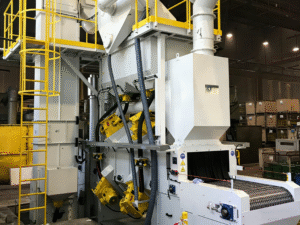
PLC control and intelligent monitoring technology significantly enhance the safety of shot blasting machines by minimizing human-machine interaction and mitigating operational risks. PLCs integrate safety interlocks that automatically shut down the shot blasting machine if unsafe conditions are detected—such as open chamber doors, excessive vibration, or abnormal pressure in the dust collection system. This prevents operators from being exposed to high-velocity shot media or hazardous dust. Intelligent monitoring complements this by providing 24/7 oversight: gas sensors detect dust concentration exceeding safe limits, triggering the shot blasting machine to pause and activate additional ventilation. In heavy-industry applications, emergency stop signals from the PLC can halt all operations within 0.5 seconds, reducing accident severity. Furthermore, automated workflows reduce the need for operators to enter the shot blasting machine’s vicinity during operation, lowering the risk of injuries from moving parts or flying debris. Data logged by the monitoring system also supports safety audits, allowing managers to identify potential hazards and refine protocols. Together, these technologies create a safer working environment for operators while ensuring the shot blasting machine adheres to global safety standards.
Cost-Benefit Analysis of Shot Blasting Machine Automation Upgrades?
The cost-benefit analysis of shot blasting machine automation upgrades reveals substantial long-term value despite initial investment. Upfront costs typically include PLC hardware (3,000-8,000), sensors and monitoring devices (2,000-5,000), and integration services (5,000-10,000). However, the return on investment (ROI) is achieved within 6-12 months for most industrial users. Labor cost savings are significant: automation reduces the need for full-time operators by 60-70%, as one technician can oversee multiple shot blasting machines. Maintenance costs drop by 30-40% due to predictive maintenance enabled by intelligent monitoring—replacing components only when data indicates wear, rather than on a fixed schedule. Operational savings include reduced shot media consumption (15-20%) and lower energy usage (10-15%), thanks to PLC-optimized parameters. Additionally, the shot blasting machine’s extended lifespan (2-3 years longer) and reduced scrap rates (25-30%) further enhance profitability. For high-volume production facilities, the annual cost savings can exceed $50,000 per shot blasting machine, making automation upgrades a financially prudent decision.
Future Trends and Challenges in Shot Blasting Machine Automation Development?
The future of shot blasting machine automation is shaped by emerging trends and key challenges. A prominent trend is the integration of IoT (Internet of Things) technology, enabling remote monitoring and control of shot blasting machines via cloud platforms—allowing operators to adjust parameters or troubleshoot issues from anywhere. AI-driven predictive maintenance is another advancement, where machine learning algorithms analyze monitoring data to predict failures with greater accuracy. Additionally, the shift toward green manufacturing will drive the development of energy-efficient shot blasting machines with smarter power management via PLCs. However, challenges persist: compatibility issues between legacy shot blasting machines and modern automation systems require costly retrofitting. Cybersecurity risks also emerge as connected shot blasting machines become vulnerable to data breaches. Furthermore, the need for skilled technicians to operate and maintain PLC and monitoring systems creates a labor gap in some regions. Overcoming these challenges will require collaboration between manufacturers, tech providers, and training institutions to ensure seamless, secure, and accessible automation for the shot blasting industry.
Conclusion
Automation upgrades with PLC and monitoring tech optimize shot blasting machines for efficiency, safety, and value.
E-mail:[email protected]