
Is an Unclear Shot Blasting Machine Cost Putting Your Project Budget at Risk?
A low quotation may appear attractive until installation, dust collection, abrasive consumption, maintenance, and production integration create unexpected expenses. Without separating upfront investment from ongoing operating costs, procurement teams may submit incomplete budgets, delay approvals, or select equipment that is too expensive to operate over its working life.
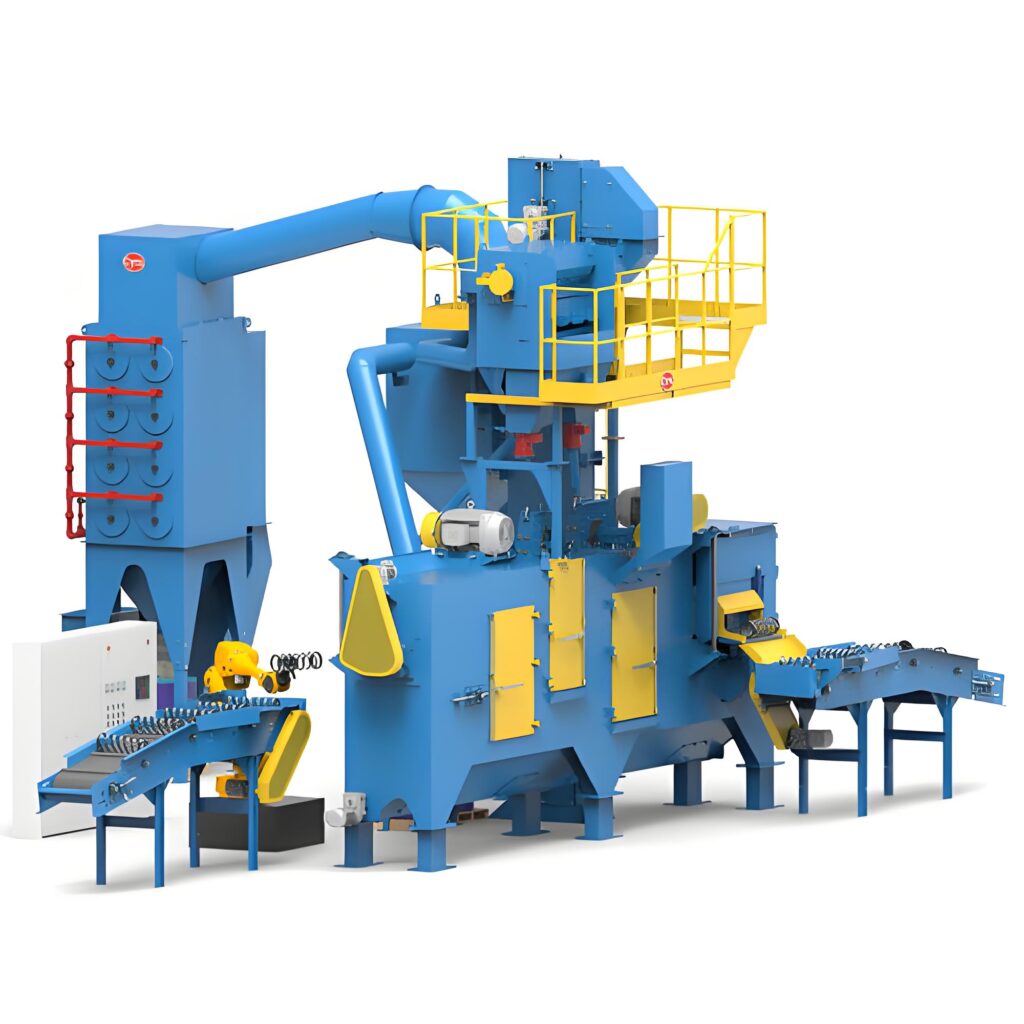
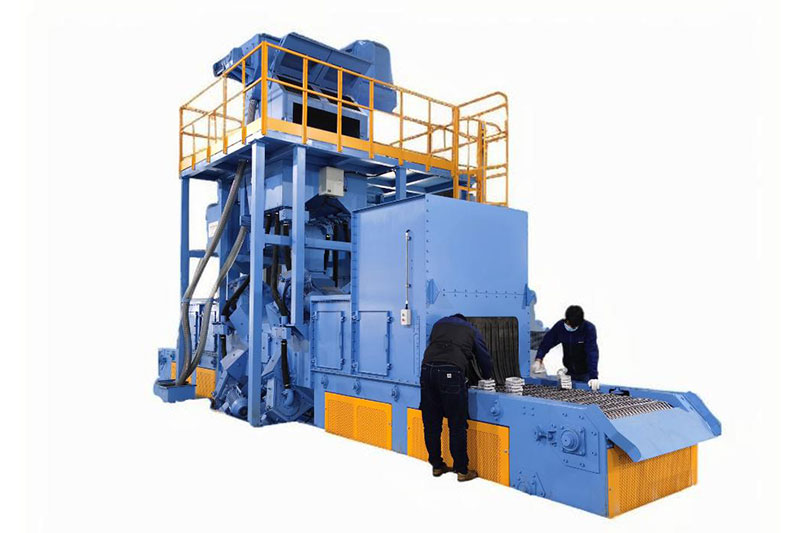
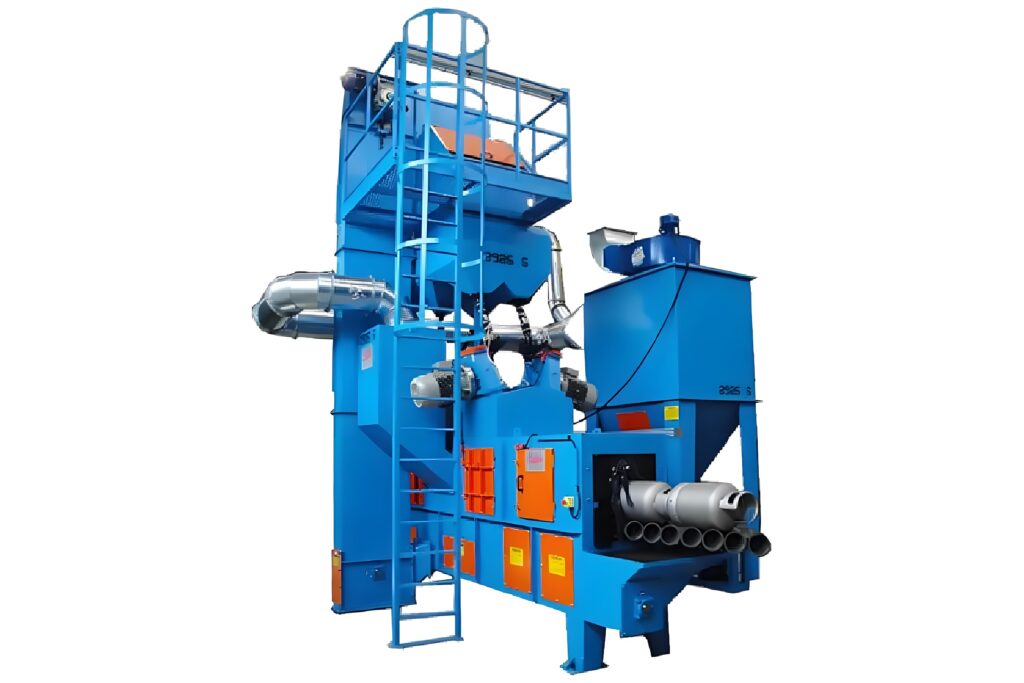
The best cost evaluation includes the Shot Blasting Machine price, installation, infrastructure, energy, abrasive media, wear parts, labor, maintenance, and downtime. Our company is an experienced Manufacturer and Supplier offering Customizable OEM and ODM Wheelblast Equipment with a transparent total cost breakdown for accurate purchasing decisions.
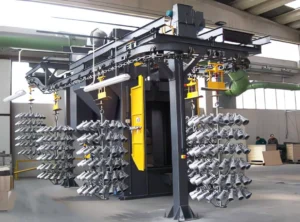
Separate Upfront Investment from Ongoing Operating Cost
A professional procurement proposal should show two financial categories clearly. Upfront investment covers the cost required to purchase and install the system. Ongoing operating cost covers the expenses required to run, maintain, and support the equipment throughout production.
This separation helps factory management compare quotations fairly. One Supplier may offer a lower machine price but exclude dust collection, conveyors, commissioning, or essential spare parts. Another Manufacturer may provide a more complete system with a higher initial quotation but lower operating risk and stronger long term value.
Items included in upfront investment
- Shot blasting machine or Wheelblast Equipment purchase price
- Loading and unloading systems
- Roller conveyors, fixtures, and transfer equipment
- Dust collector, ducting, filters, and ventilation equipment
- Electrical control cabinet and safety interlocks
- Foundation, installation, commissioning, and operator training
- Freight, insurance, customs charges, and local delivery
- Initial abrasive media and recommended spare parts
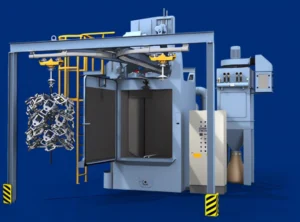
Understand the Shot Blasting Machine Price
The Shot Blasting Machine price depends on capacity, chamber size, blast wheel quantity, workpiece handling, automation level, material protection, and environmental configuration. A batch machine for small components usually has a different cost structure from continuous Wheelblast Equipment for foundry castings, steel plates, or structural sections.
Factors that influence the initial investment
- Maximum workpiece size, weight, and production quantity
- Required cleaning intensity and surface quality
- Number and power of blast wheels
- Manual, semi automatic, or fully automatic loading
- Continuous, batch, tumble, hanger, or roller conveyor handling
- Dust control and workplace environmental requirements
- Control system, inspection functions, and production data recording
- Custom fixtures, special liners, or integration with an existing line
For an OEM or ODM project, procurement teams should request a detailed technical and commercial schedule. Each optional component should be identified as included, excluded, or conditionally priced. This prevents later disputes when site conditions require additional electrical, foundation, or ventilation work.
| Upfront cost category | What to verify | Budget risk if excluded |
| Machine body and blast wheels | Capacity, materials, configuration, and warranty | Insufficient output or early wear |
| Handling system | Loading method, conveyor length, and fixtures | Manual bottlenecks and integration delays |
| Dust collection | Airflow, filtration, discharge, and safety provisions | Environmental nonconformity and unsafe operation |
| Installation and commissioning | Scope, travel, labor, testing, and training | Unexpected site expenditure |
| Spare parts package | Wear parts, delivery time, and inventory responsibility | Extended downtime after installation |
Break Down the Operating Costs of Shot Blasting Machines
Operating costs of shot blasting machines should be calculated using expected annual production rather than a single operating day. The cost model should reflect production hours, workpiece mix, abrasive consumption, energy demand, maintenance intervals, and the availability of replacement parts.
Core recurring expenses
- Electricity for blast wheels, conveyors, elevators, separators, and dust collectors
- Steel shot, steel grit, or other approved abrasive media
- Replacement blades, liners, seals, filters, screens, and conveyor components
- Lubricants, cleaning materials, and dust disposal
- Routine inspection, service labor, and technical support
- Operator labor and training for process changes
- Production losses caused by planned or unexpected downtime
Abrasive consumption is affected by blasting intensity, workpiece contamination, media separation efficiency, leakage, and dust removal. An efficient Supplier should explain the expected consumption rate and identify which factors may change it. Low quality separation or excessive dust discharge can increase both media purchases and waste disposal costs.
Energy cost should include the complete system rather than only the blast wheel motor. Add conveyor motors, bucket elevators, dust collectors, lighting, control equipment, and compressed air where applicable. A machine with a higher initial investment may provide lower total energy cost if its process design reduces unnecessary operating time.
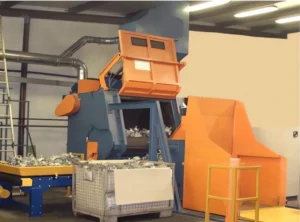
Calculate the Total Cost of Ownership
Total cost breakdown for shot blasting machines should combine capital expenditure with recurring expenses over a defined evaluation period. Procurement teams commonly use five or ten years, depending on equipment life, production strategy, and financial policy.
Total cost of ownership equals initial investment plus cumulative operating costs, maintenance costs, spare parts, downtime losses, and disposal costs, minus any verified residual value.
- Define the evaluation period and expected annual production.
- Record the complete installed investment.
- Estimate annual electricity and abrasive consumption.
- Calculate labor, maintenance, spare parts, and dust disposal costs.
- Estimate planned downtime and probable repair losses.
- Compare the total with outsourcing or manual processing costs.
- Review conservative, expected, and high production scenarios.
| Cost model | Calculation basis | Procurement purpose |
| Initial investment | Equipment, infrastructure, delivery, installation, and commissioning | Capital budget approval |
| Annual operating cost | Energy, abrasive, labor, maintenance, and consumables | Production budget planning |
| Quality related cost | Rework, scrap, inspection, and customer claims | Process value assessment |
| Downtime cost | Lost production multiplied by contribution value | Reliability comparison |
| Five year ownership cost | Investment plus five years of operating expenses | Supplier and technology comparison |
When reviewing proposals, do not compare only the lowest purchase quotation. Compare the cost per treated workpiece, expected availability, maintenance response, spare parts access, and surface quality consistency. A reliable Manufacturer should support the assumptions with sample testing, technical documentation, and clearly defined acceptance criteria.
Request a Complete Commercial Proposal Before Ordering
Ask each Manufacturer or Supplier to submit a line by line quotation, operating cost estimate, installation scope, delivery schedule, warranty terms, service plan, and spare parts list. For Customizable OEM and ODM Wheelblast Equipment, document every design change that may affect the Shot Blasting Machine price, construction period, energy use, or future maintenance.
Before approval, procurement teams should:
- Confirm that all site preparation costs are included.
- Validate energy and abrasive assumptions with production data.
- Review wear part prices and delivery lead times.
- Check dust control and workplace safety responsibilities.
- Define factory acceptance and performance testing procedures.
- Compare total ownership cost rather than purchase price alone.
Build a Cost Model That Supports Confident Purchasing
Separate upfront investment from operating cost before approving any Shot Blasting Machine project. Contact our team for a complete technical quotation, production based cost breakdown, and Customizable OEM or ODM Wheelblast Equipment proposal that helps your factory control both capital spending and long term operating risk.
 English
  Russian
  Spanish
  Portuguese
  French
  Indonesian
  Thai
Thai