
Why Most Foundries Waste Budget on Mismatched Casting Molding Equipment
After 30 years serving global foundry clients, I’ve identified a pervasive technical pain point across small job shops and large-scale casting plants. Most buyers select sand molding machine units based solely on initial budget instead of core technical parameters. This flawed decision triggers unstable mold compaction density, frequent mold collapse, elevated casting defect rates, and mismatched cycle speeds. Ultimately, improperly specified Molding Machines increase long-term maintenance costs and bottleneck daily production output for high-volume foundry operations.
The optimal sand molding machine must match your daily output, casting complexity, and sand type, backed by verified Manufacturer support and Customizable OEM/ODM specs. Our factory delivers data-driven equipment recommendations for global industrial buyers.
Many buyers only compare surface quotations and ignore hidden technical gaps. Below, I break down actionable technical standards, parameter benchmarks, and Supplier screening rules to help you select error-free Molding Machines.
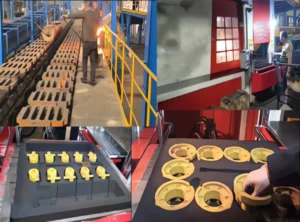
How to Classify Molding Machines Based on Automation Grade
The first step of standardized selection is clarifying equipment automation tiers, as each category targets distinct production scales and operator skill levels. All mainstream Molding Machines in the foundry industry fall into three categories: manual, semi-automatic, and fully automatic variants, with the automatic sand molding machine standing out as the mainstream solution for modern medium-to-large foundries.
- Manual Sand Molding Machine: Features basic hydraulic compaction without automated sand feeding or mold flipping. This low-cost device suits small-batch prototype casting and low-budget job shops. Its core downside is heavy labor dependence and inconsistent manual compaction strength, limiting finished casting precision and daily output.
- Semi-Automatic Sand Molding Machine: Integrates automated sand shooting modules with manual mold loading and unloading. It balances cost and efficiency, ideal for medium-sized foundries with mixed simple and moderately complex castings. Most reliable Supplier partners provide basic Customizable upgrades for mold box dimensions on this model.
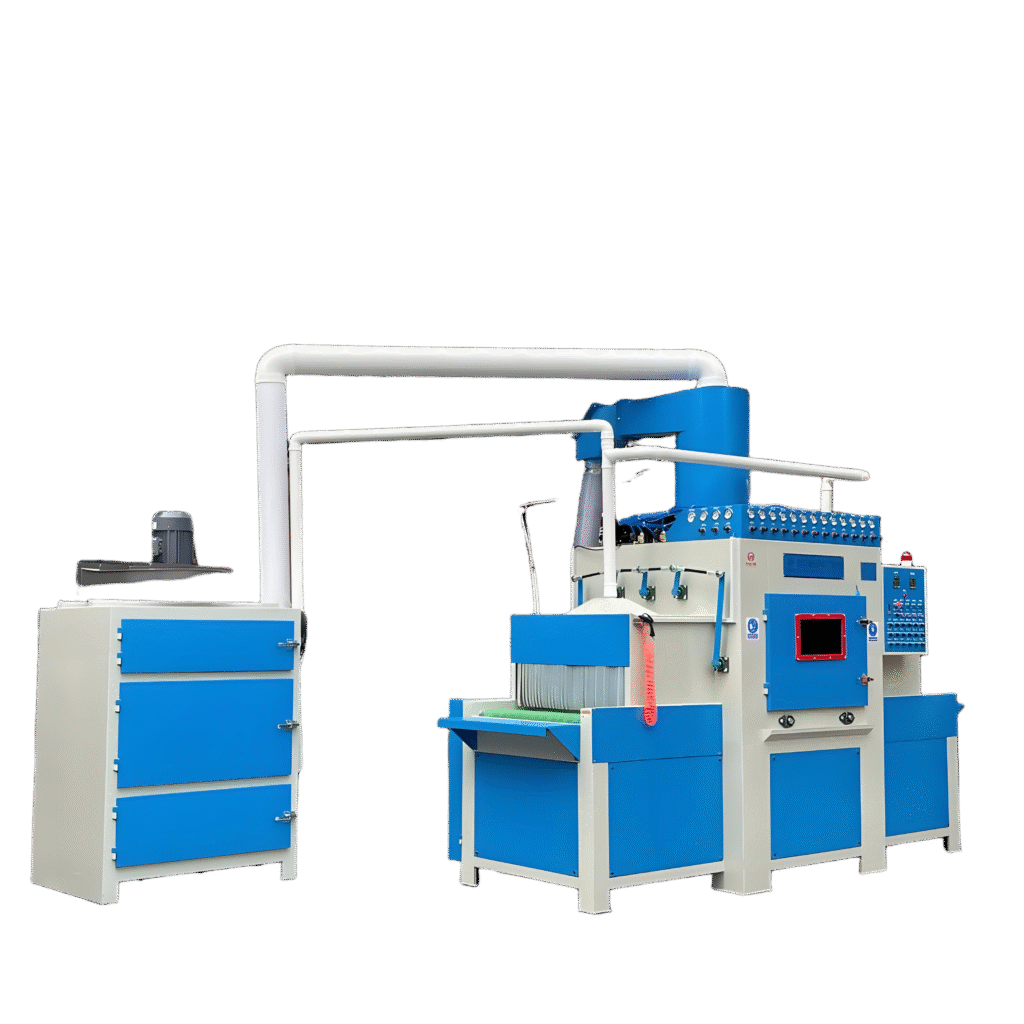
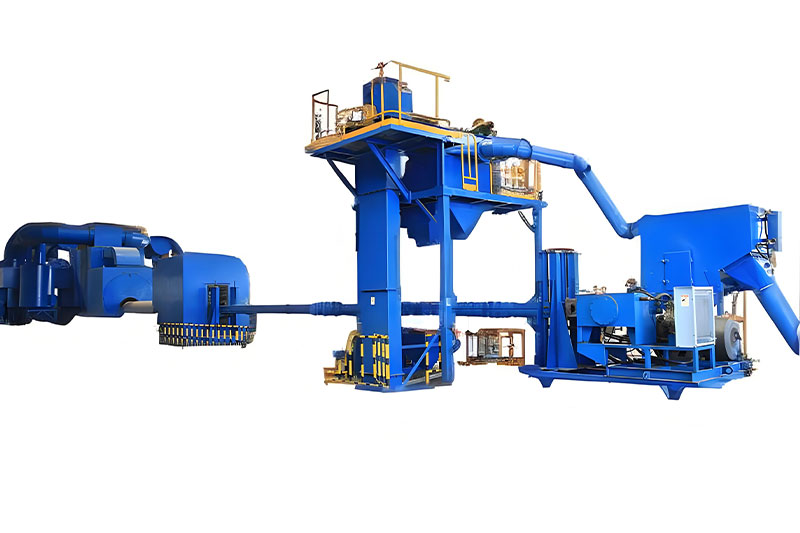
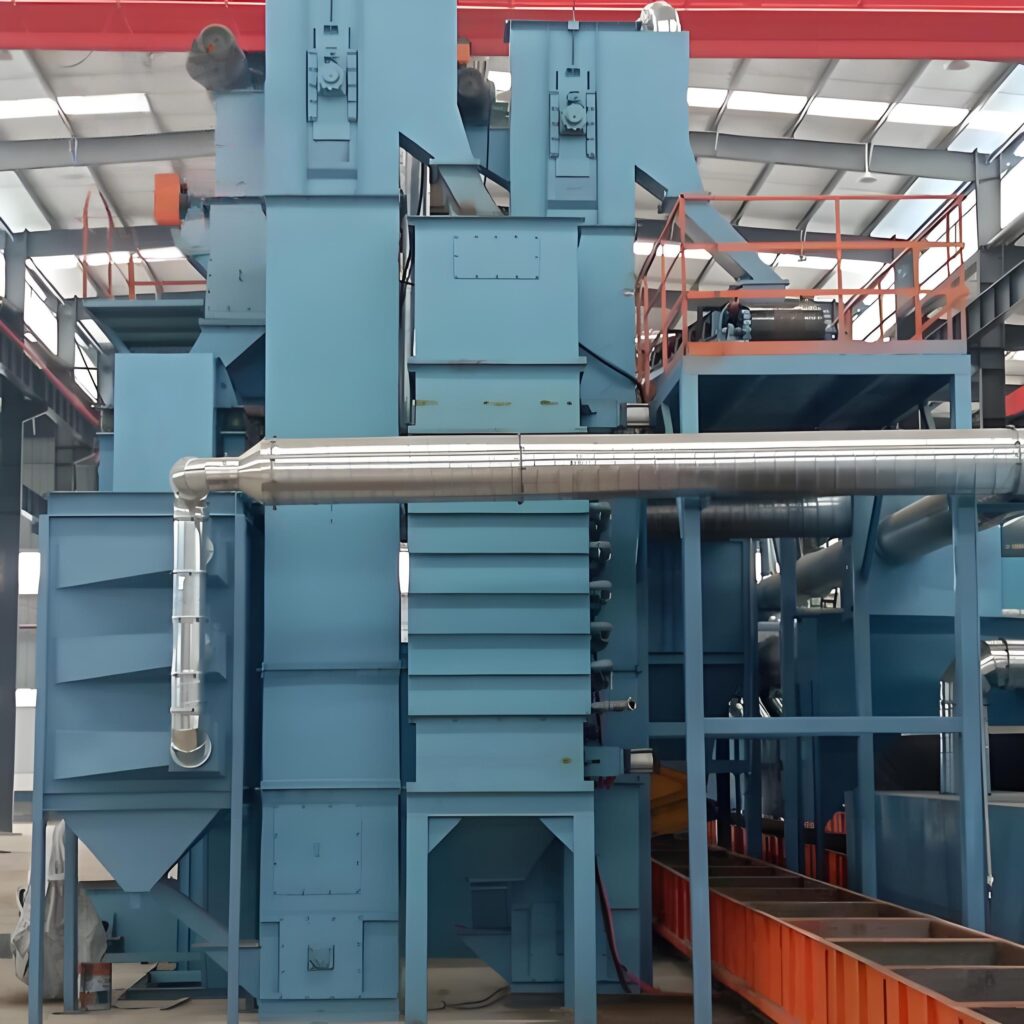
- Automatic Sand Molding Machine: Equipped with integrated auto feeding, bi-directional compaction, intelligent mold flipping, and conveyor docking systems. This high-end Molding Machine minimizes human error and supports continuous 24-hour batch production. Professional Manufacturer teams offer full OEM and ODM structural optimization to align with existing assembly lines.
A common sourcing mistake here is over-specification: small foundries purchasing high-power automatic sand molding machine units suffer excessive idle energy consumption, while large factories using semi-automatic devices face irreversible production bottlenecks during order peaks.
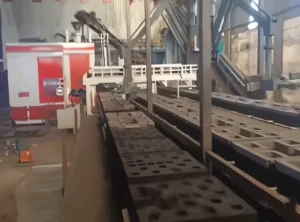
Core Technical Parameters That Determine Final Casting Quality
Automation grade only reflects operational efficiency; core mechanical parameters directly decide mold stability and finished product qualification rates. Any qualified sand molding machine must meet fixed industry benchmarks for compaction pressure, molding cycle, mold box size, and sand material compatibility. As a senior technical director, I prioritize these four bolded technical indicators during all client project evaluations.
Compaction Pressure & Mold Density
Compaction pressure is the most critical parameter for sand mold quality. Insufficient pressure leads to loose sand structures and surface scabs during pouring; excessive pressure causes poor gas permeability and sand hole defects. Standard green sand-based Molding Machines require adjustable pressure ranging from 0.3MPa to 0.8MPa. High-precision automatic sand molding machine units support segmented pressure regulation for thin-walled intricate castings.
Molding Cycle & Output Matching
Molding cycle time refers to the time required to complete one full mold loading, compacting, and demolding workflow. Manual models take 60–120 seconds per mold; semi-automatic versions range from 35–60 seconds; premium automatic sand molding machine units stabilize at 20–30 seconds. Buyers must calculate daily required molds and match corresponding cycle time to avoid overinvestment or capacity shortages.
Sand Material Adaptability
Not all Molding Machines support multiple molding sand types. Basic entry-level devices only adapt to ordinary green clay sand, while upgraded Customizable models are compatible with resin sand and water glass sand. For buyers producing high-temperature steel castings instead of conventional aluminum parts, partnering with a Manufacturer that supports sand type-based ODM parameter tuning is non-negotiable.
Parameter Comparison: Select Suitable Machine by Production Demand
To help buyers make intuitive data-driven decisions, I compiled a technical comparison table covering three mainstream sand molding machine models. This table simplifies cross-team evaluation and eliminates subjective judgment errors during Molding Machines procurement:
| Technical Parameter | Manual Sand Molding Machine | Semi-Automatic Molding Machine | Automatic Sand Molding Machine |
| Compaction Pressure Range | 0.2–0.4MPa (fixed) | 0.3–0.6MPa (adjustable) | 0.3–0.8MPa (segmented control) |
| Single Molding Cycle | 60–120s/mold | 35–60s/mold | 20–30s/mold |
| Daily Max Output | 300–500 molds | 800–1200 molds | 1800–2500 molds |
| Supported Sand Type | Green clay sand only | Green clay sand & basic resin sand | All sand types (Customizable via ODM) |
| Customization Scope | Fixed specs only | Limited mold box OEM tweaks | Full Customizable OEM/ODM upgrades |
Why Customizable OEM & ODM Services Cannot Be Overlooked
Standard off-the-shelf Molding Machines cannot cover all localized production constraints, including regional voltage differences, fixed workshop space, and exclusive casting specifications. This explains why Customizable OEM and ODM services have become essential rather than optional features for cross-border procurement.
Qualified Manufacturer teams provide layered customization solutions for sand molding machine products. Basic OEM services include private logo printing, exterior color adjustment, voltage conversion, and customized mold box size modification for regional distributors. Advanced ODM services cover core functional upgrades, such as dual-direction sand shooting systems, enhanced dust removal modules, and intelligent frequency conversion energy-saving systems for automatic sand molding machine units.
Conversely, unprofessional Supplier traders can only provide superficial cosmetic changes without technical ODM capabilities. They often sell over-configured standard machines to clients with limited workshop space, resulting in layout reconstruction costs and unnecessary energy waste. Always verify a supplier’s past Customizable project cases before signing formal purchasing contracts.
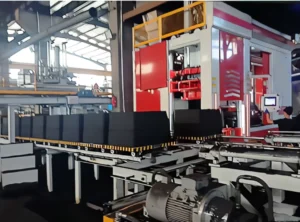
Standard Supplier Audit Criteria for Molding Machine Procurement
Even perfectly matched technical parameters will lose value without reliable after-sales support. Based on 30 years of technical marketing and export experience, I summarized a four-step audit checklist to screen high-quality Supplier and Manufacturer partners for Molding Machines sourcing:
- Qualification Verification: Confirm valid ISO9001 quality certification and CE mechanical safety certificatesto guarantee smooth customs clearance and legal local operation for cross-border shipments.
- Workshop Inspection: Require real-time production videos to verify independent assembly lines and dedicated R&D teams, filtering out pure intermediary resellers with zero technical capabilities.
- Parameter Validation: Request offline molding test videos with the same raw sand and workpieces as your projects to confirm real-world performance of the sand molding machine.
- Customization Confirmation: Review OEM/ODM drawing archives and finished case footage to ensure the supplier can deliver tailored adjustable parameters as negotiated.
The biggest red flag during auditing is suppliers refusing to provide test videos and detailed parameter sheets. Such vendors usually downgrade internal hydraulic components to cut costs, which directly increases long-term failure rates of Molding Machines.
Optimize your casting workflow with parameter-matched Molding Machines. Reach out to our expert Manufacturer team to get tailored Customizable OEM/ODM sand molding machine solutions and free technical parameter evaluation today.
 English
  Russian
  Spanish
  Portuguese
  French
  Indonesian
  Thai
Thai