Abrasive circulation issues cause downtime; optimization boosts shot blasting efficiency and reduces costs.
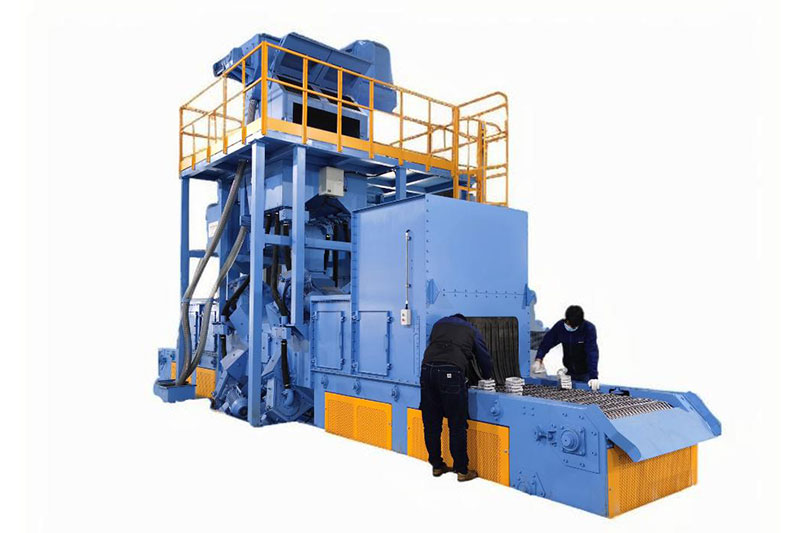
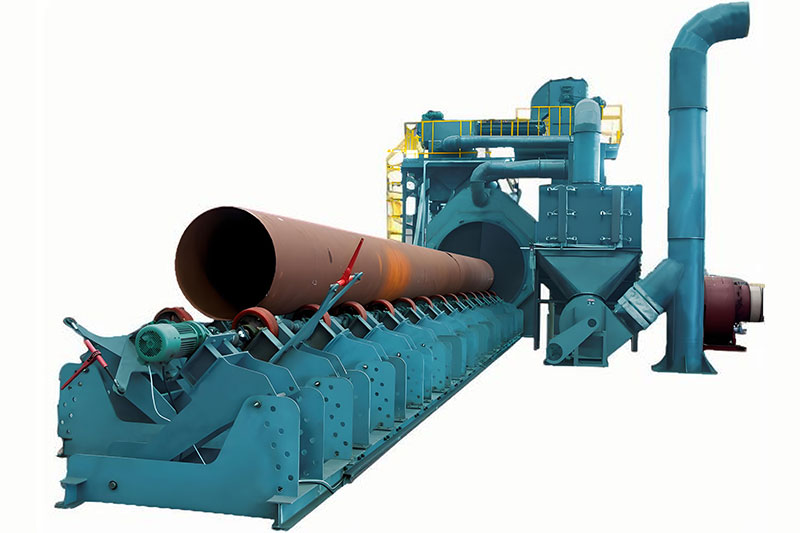
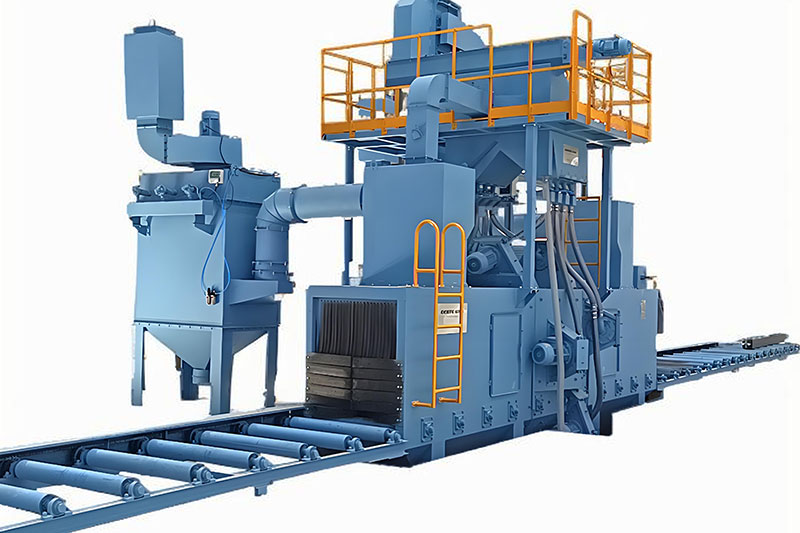
This guide details shot blasting machine abrasive circulation optimization methods, focusing on clogging prevention and recovery improvement for stable machine shot.
Explore core optimization strategies and key technical points below.
What Are the Main Causes of Abrasive Clogging in Shot Blasting Machine Circulation Systems?
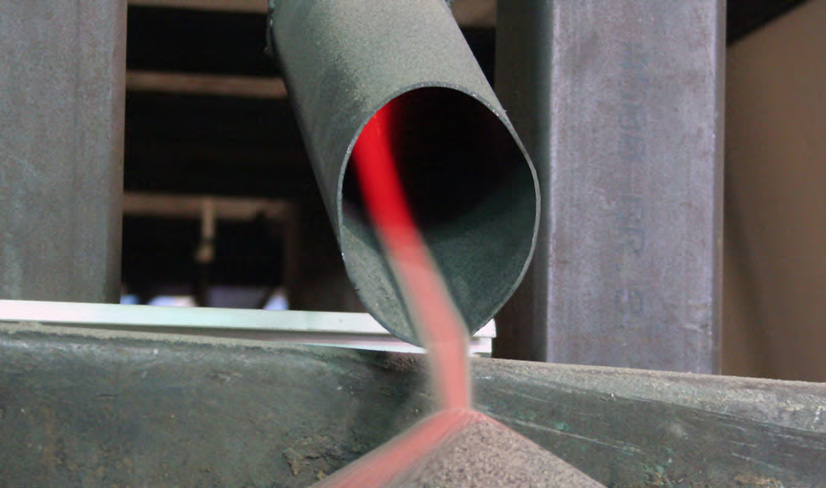
Abrasive clogging in shot blasting machine circulation systems stems from multiple factors, directly disrupting shot blasting operations and reducing production efficiency. First, abrasive quality issues are primary—impure abrasives mixed with debris, moisture, or oversized particles easily accumulate in pipelines, hoppers, and nozzles. For example, damp steel shot agglomerates into clumps, blocking the feeding pipeline of the shot blasting machine. Second, unreasonable structural design of the circulation system, such as narrow pipelines, sharp bends, or insufficiently inclined chutes, hinders abrasive flow, leading to retention and clogging. Third, improper machine shot parameters, including excessive abrasive flow rate beyond the system’s handling capacity, cause abrasive backlog in the conveying process. Additionally, lack of regular maintenance results in abrasive residue buildup and pipeline wear, which exacerbates clogging over time. Understanding these causes is the foundation for targeted optimization of the shot blasting machine’s abrasive circulation system.
How to Optimize Shot Blasting Machine Structure to Prevent Abrasive Clogging?
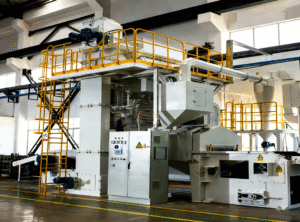
Structural optimization of the shot blasting machine is a long-term solution to prevent abrasive clogging, targeting key components of the circulation system. For the feeding pipeline, replace narrow, sharp-bend pipes with large-diameter ones with smooth transitions, and maintain a slope of 30-45° to ensure gravity-assisted abrasive flow. Install anti-clogging vibrators on hoppers and chutes—regular vibration breaks up agglomerated abrasives and prevents residue buildup. Optimize the abrasive screening mechanism by adding a multi-layer sieve to filter out oversized debris and broken abrasives before they enter the circulation system. For the impeller head, a core component of the shot blasting machine, adjust the blade angle to match the abrasive flow rate, avoiding abrasive backflow and clogging at the discharge port. Additionally, adopt a modular design for the circulation system, making it easy to disassemble and clean, reducing maintenance time when clogging occurs. These structural improvements fundamentally reduce the risk of abrasive clogging during shot blasting.
What Measures Improve Abrasive Recovery Rate of Shot Blasting Machines?
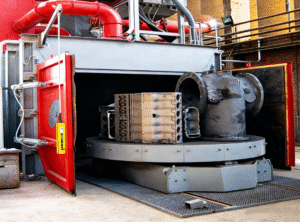
Improving abrasive recovery rate is crucial for reducing operational costs of shot blasting machines, as it maximizes the reuse of abrasives. First, optimize the recovery system layout by installing full-coverage collection chutes around the shot blasting area, ensuring no abrasive is lost during machine shot. Equip the recovery system with high-power vacuum suction devices to collect scattered abrasives efficiently, especially in hard-to-reach corners. Second, upgrade the separation mechanism—use a combination of cyclone separators and vibration sieves to separate reusable abrasives from dust, debris, and worn particles with high precision. The separated abrasives are directly sent back to the storage tank for reuse, while waste is discharged centrally. Third, seal the shot blasting machine and its circulation system tightly to prevent abrasive leakage during transportation and recovery. Regularly calibrate the recovery system’s suction power and separation efficiency to maintain stable performance, increasing the abrasive recovery rate by 20-30% and significantly cutting abrasive procurement costs.
How to Adjust Machine Shot Parameters to Optimize Abrasive Circulation?
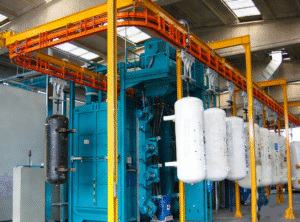
Reasonable adjustment of machine shot parameters is a cost-effective way to optimize abrasive circulation, ensuring the system operates efficiently without clogging. First, control the abrasive flow rate according to the shot blasting machine’s model and processing needs—avoid overloading the circulation system by keeping the flow rate within 80% of the system’s maximum capacity. For example, adjust the feeding valve to maintain a stable flow of 200-300kg/min for medium-sized shot blasting machines. Second, optimize the shot blasting pressure and impeller speed—excessively high pressure or speed causes excessive abrasive collision and wear, generating more debris that clogs the system. Adjust the pressure to 0.6-0.8MPa and the impeller speed to 1500-2000rpm for balanced performance. Third, match the abrasive type and size with the circulation system—use spherical abrasives with uniform particle size, which flow more smoothly than angular ones, reducing clogging risks. Regularly monitor parameters during shot blasting and make real-time adjustments based on circulation status, ensuring the system operates in an optimal state.
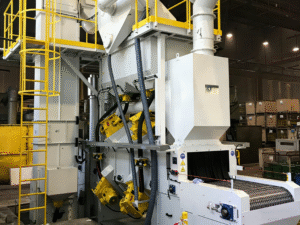
What Maintenance Strategies Ensure Stable Abrasive Circulation of Shot Blasting Machines?
Regular maintenance is essential to maintain stable abrasive circulation of shot blasting machines, extending the system’s service life and avoiding unexpected downtime. Establish a daily maintenance routine: clean the circulation pipeline, hopper, and sieve to remove abrasive residue and debris; inspect for pipeline wear, leaks, or loose connections and repair them promptly. Conduct weekly maintenance: lubricate moving parts of the circulation system, such as bearings and valves, to reduce friction; calibrate the abrasive screening and separation devices to ensure accuracy. Perform monthly maintenance: disassemble key components for thorough cleaning and inspection, replace severely worn parts like nozzles and blades, and test the overall circulation efficiency. Additionally, train operators to identify early signs of clogging, such as abnormal noise or reduced shot blasting intensity, and take timely measures. Proper maintenance ensures the shot blasting machine’s abrasive circulation system operates stably for long periods, minimizing operational disruptions.
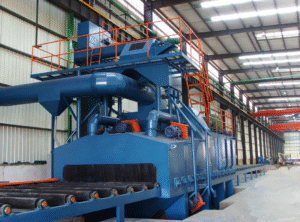
How to Integrate Intelligent Technology into Abrasive Circulation Optimization?
Integrating intelligent technology into shot blasting machines upgrades abrasive circulation optimization to a precise, automated level. Install sensors throughout the circulation system to monitor real-time data, including abrasive flow rate, pipeline pressure, and recovery efficiency. Connect the sensors to a central control system, which analyzes data and identifies potential clogging risks—triggering alarms or automatically adjusting parameters (e.g., reducing flow rate, activating vibrators) to prevent issues. Equip the shot blasting machine with IoT technology, enabling remote monitoring and control of the circulation system, allowing operators to adjust settings and perform maintenance checks from a distance. Use machine learning algorithms to optimize machine shot parameters based on historical data, adapting to different abrasive types and workpiece requirements for optimal circulation efficiency. Intelligent integration not only improves the stability of abrasive circulation but also reduces manual intervention, making shot blasting operations more efficient and reliable.
Conclusion
Comprehensive optimization ensures efficient, stable abrasive circulation for shot blasting machines.