
Poor dust collection disrupts shot blasting, causes pollution and triggers machine failures.
Use fast troubleshooting and targeted fixes for shot blasting machine dust blockage and air leakage to restore clean, stable shot blasting workshop operation.
Master actionable fixes to resolve dust collection anomalies right away.
Common Dust Collection Abnormalities Affecting Shot Blasting Operation
Abnormal dust collection is one of the most frequent hidden faults during daily shot blasting production.
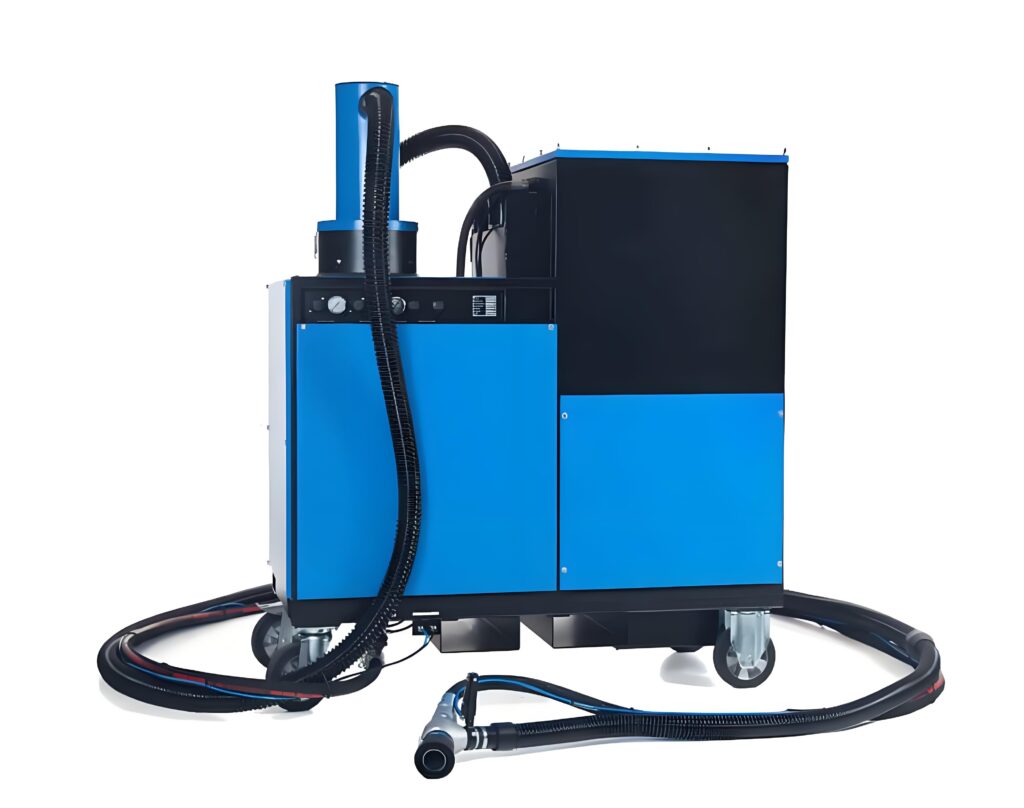
- Most industrial shot blasting machine units rely on matched dust removal systems to capture metal powder and abrasive debris generated in shot blasting cycles. Once the system works abnormally, floating dust overflows the blasting chamber, polluting the workshop environment and violating industrial environmental standards.
- Severe dust accumulation also blocks ventilation pipelines, reduces internal negative pressure, and leads to incomplete dust separation, which lowers shot blasting cleanliness and leaves residual impurities on workpiece surfaces. Long-term unaddressed dust issues will also wear internal motor components, block heat dissipation structures, and increase equipment overheating and shutdown risks.
Many operators ignore minor dust anomalies, resulting in worsening faults, reduced shot blasting efficiency, and increased workshop safety hazards.
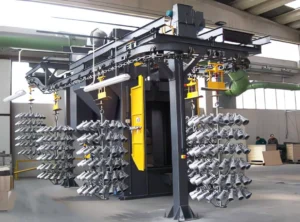
Rapid Troubleshooting Methods for Shot Blasting Machine Dust Failures
Quick troubleshooting can accurately locate dust collection faults without affecting normal shot blasting progress.
- The most common causes include blocked filter cartridges, damaged sealing gaskets, insufficient fan power, and pipeline blockage.
- Operators should first check for air leakage at chamber doors and pipeline interfaces, as loose seals directly reduce negative pressure and cause dust overflow.
- Next, inspect filter cartridge clogging; accumulated fine dust blocks air circulation and weakens dust absorption capacity.
- Finally, confirm fan operating speed and motor stability to rule out power attenuation caused by component aging. The following data shows fault proportion of different dust collection issues:
| Dust Collection Fault Type | Failure Proportion | Processing Difficulty |
| Filter Cartridge Blockage | 65% | Simple & Fast |
| Pipeline & Seal Leakage | 25% | Moderate |
| Fan Power Attenuation | 10% | Professional Maintenance |
Chong Jen Machinery summarizes one-click rapid maintenance solutions for shot blasting machine dust systems. Our professional inspection and part replacement guidance help users quickly restore dust collection performance and stabilize shot blasting quality.
Long-Term Prevention Strategies to Avoid Recurring Dust Abnormalities
To avoid repeated dust collection failures during continuous shot blasting production, standardized daily maintenance and regular system optimization are essential.
- Operators need to clean or replace filter cartridges every 7 to 10 working days to ensure unobstructed air circulation of the shot blasting machine’s dust removal system. Regularly check and replace aging sealing accessories to maintain stable negative pressure inside the blasting chamber.
- It is also necessary to clean pipeline deposits regularly to prevent accumulated debris from blocking air ducts. In addition, adjusting shot blasting parameters reasonably can reduce excessive fine dust generation, lowering the operating load of the dust collection system.
Adhering to daily maintenance can effectively maintain long-term stable dust removal performance, ensure environmentally friendly and efficient shot blasting operation, and reduce unplanned equipment maintenance costs.
Conclusion
Troubleshoot and maintain dust systems to stabilize shot blasting machine operation.
Contact Chong Jen Machinery
For professional shot blasting machine maintenance and customized dust removal optimization solutions,
consult Chong Jen Machinery :[email protected].
 English
  Russian
  Spanish
  Portuguese
  French
  Indonesian
  Thai
Thai