Poor coordination in horizontal molding lines causes inefficiencies; optimize design for smooth operation of horizontal iron casting molding line.
This guide details horizontal molding line design, focusing on coordination between molding machines and conveyor systems for efficient horizontal iron casting molding line.
Explore horizontal molding line design and equipment-conveyor coordination below.
The Core Significance of Coordination in Horizontal Molding Line Design
Coordination between molding machines and conveyor systems is the core of horizontal molding line design, directly determining the efficiency, stability, and quality of the horizontal iron casting molding line.
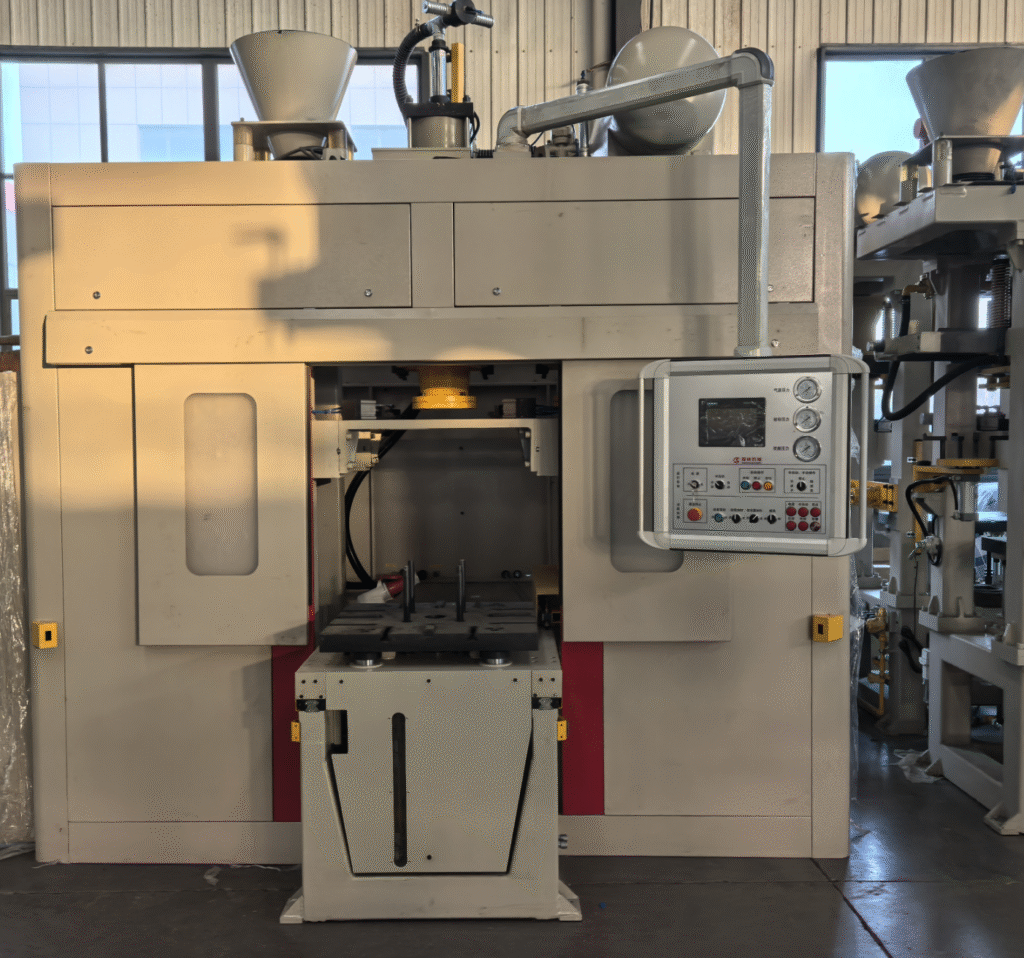
- Horizontal molding relies on a seamless workflow where each link, from mold formation to casting transfer, works in harmony—this is especially critical for the horizontal iron casting molding line, which handles high-volume, precision iron casting production. The horizontal flaskless molding line machine, as a key component of many horizontal molding lines, requires close coordination with conveyor systems to maximize its performance.
- Without proper coordination, the horizontal molding line will suffer from bottlenecks: molding machines may produce molds faster than conveyors can transfer them, leading to backlogs, or conveyors may move too quickly, causing mold damage. This inefficiency not only reduces production output but also increases labor costs and casting defects.
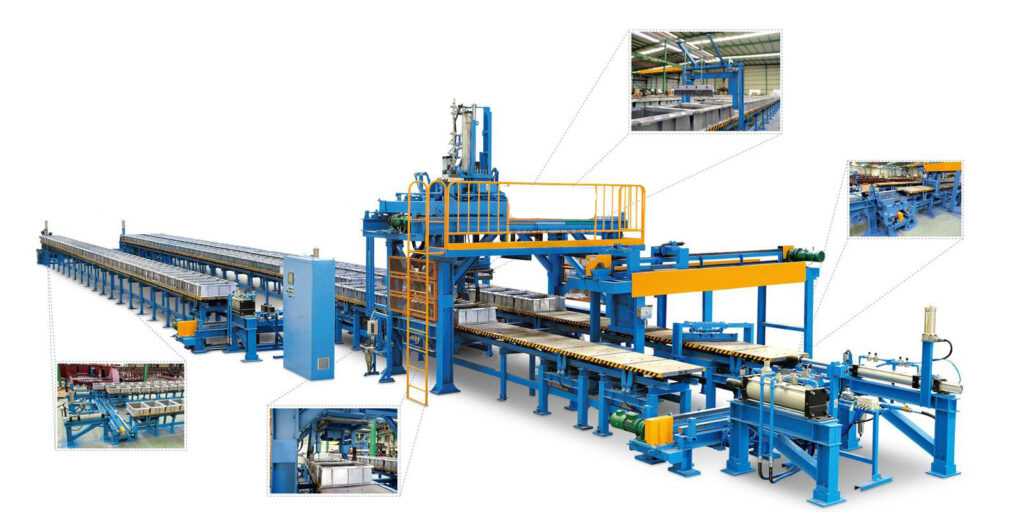
- A well-coordinated horizontal molding line, integrating molding machines (including horizontal flaskless molding line machine) and conveyor systems, ensures a continuous, smooth workflow, laying the foundation for a high-performance horizontal iron casting molding line. Every aspect of horizontal molding line design must prioritize this coordination to unlock the full potential of the equipment.
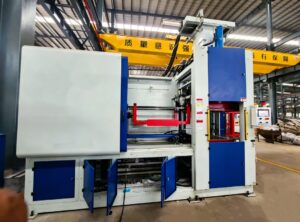
Key Principles of Coordination Between Molding Machines and Conveyor Systems in Horizontal Molding
Designing a coordinated horizontal molding line requires adhering to key principles that align molding machines (such as horizontal flaskless molding line machine) with conveyor systems, ensuring compatibility and efficiency.
- The first principle is speed matching: the production speed of the molding machine (whether a standard horizontal molding machine or horizontal flaskless molding line machine) must align with the conveying speed of the conveyor system. For example, a horizontal flaskless molding line machine with a high production rate requires a conveyor system that can quickly transfer molds without delay, preventing backlogs in horizontal molding.
- The second principle is spatial alignment: the conveyor system must be positioned to seamlessly receive molds from the molding machine, with precise alignment to avoid mold misalignment or damage during transfer. This is particularly important for horizontal iron casting molding line, where mold integrity directly affects casting quality.
- The third principle is flexibility: the horizontal molding line design should allow for adjustments in both molding machine speed and conveyor speed, adapting to different production demands and workpiece types.
- The fourth principle is reliability: both the molding machine and conveyor system must be durable and consistent, as a single equipment failure can disrupt the entire horizontal molding line. Following these principles ensures that the horizontal molding line operates smoothly, with optimal coordination between all components.
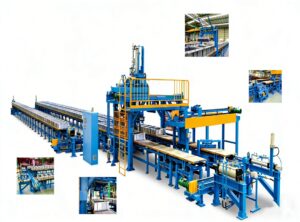
Design Considerations for Horizontal Flaskless Molding Line Machine and Conveyor Coordination
The horizontal flaskless molding line machine is a specialized equipment in horizontal molding, and its coordination with conveyor systems requires specific design considerations to maximize the efficiency of the horizontal iron casting molding line.
- First, the horizontal flaskless molding line machine’s mold ejection system must be aligned with the conveyor belt, ensuring molds are smoothly transferred without jamming or damage. The horizontal flaskless molding line machine typically produces flaskless molds, which are lighter but require careful handling—conveyor systems should have soft, non-abrasive surfaces to protect the molds.
- Second, the horizontal flaskless molding line machine’s production cycle must be synchronized with the conveyor’s transfer cycle; this may require integrating a control system that links the two, adjusting speed in real time.
- Third, the conveyor system for horizontal flaskless molding line machine should include positioning sensors to ensure each mold is placed correctly on the conveyor, maintaining alignment throughout the horizontal molding process.
Additionally, the horizontal flaskless molding line machine’s sand feeding and compaction systems should be coordinated with the conveyor’s movement, ensuring that molds are fully formed before transfer. These considerations ensure that the horizontal flaskless molding line machine and conveyor system work in perfect harmony, enhancing the overall efficiency of the horizontal molding line.
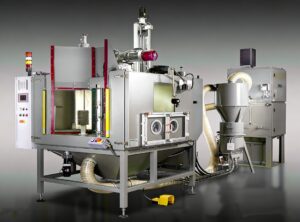
Coordination Optimization for Horizontal Iron Casting Molding Line
The horizontal iron casting molding line has unique requirements for coordination between molding machines and conveyor systems, as it handles heavy iron castings and requires high precision.
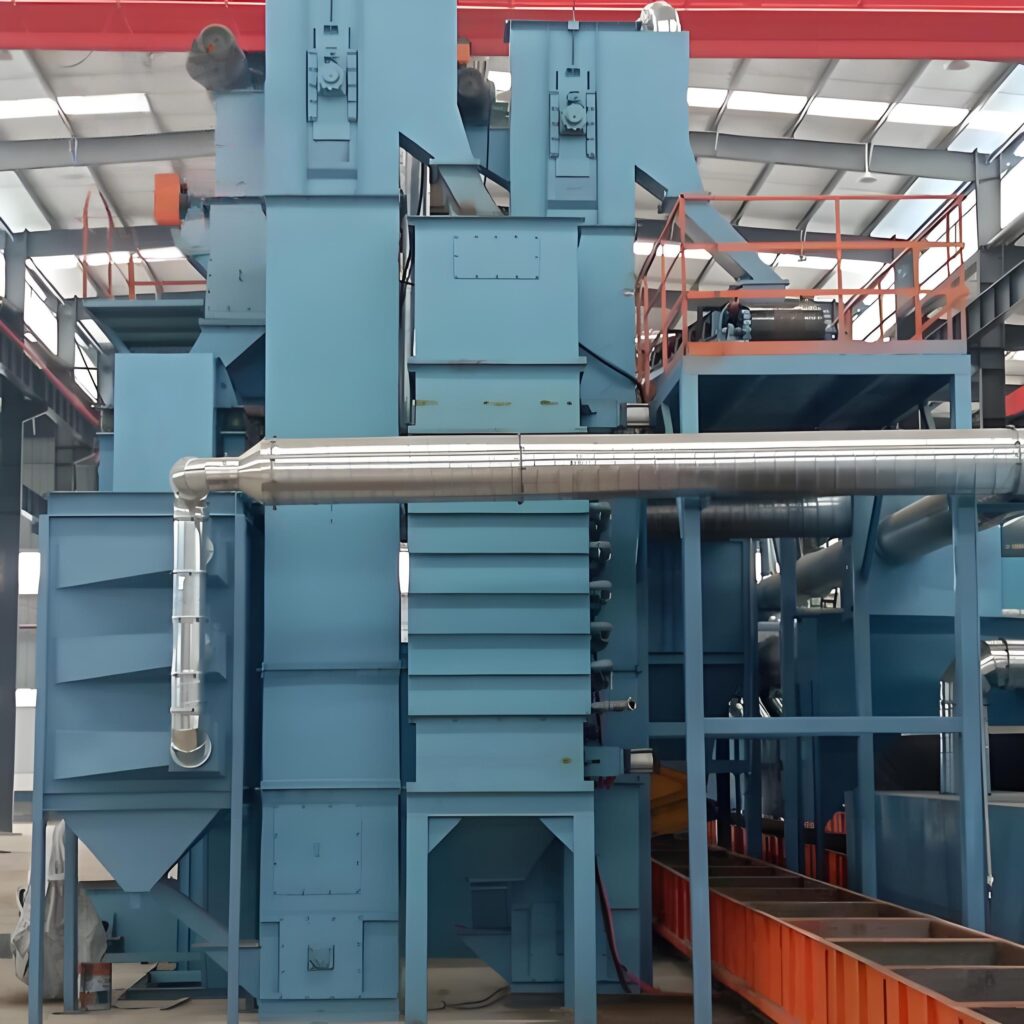
- To optimize coordination, the horizontal molding line design should first select molding machines (including horizontal flaskless molding line machine) and conveyor systems that are compatible with iron casting production. Conveyor systems for horizontal iron casting molding line should be robust, with high load-bearing capacity to handle the weight of iron castings and molds.
- The coordination between the molding machine and conveyor should also account for the cooling time of iron castings—conveyors should move at a speed that allows sufficient cooling while maintaining production efficiency.
Additionally, the horizontal iron casting molding line can benefit from automated control systems that monitor both the molding machine and conveyor, detecting and resolving coordination issues in real time. For example, if the molding machine produces a defective mold, the control system can signal the conveyor to bypass it, preventing delays. By optimizing coordination specifically for the horizontal iron casting molding line, manufacturers can reduce defects, improve efficiency, and ensure consistent production of high-quality iron castings.
Common Coordination Issues in Horizontal Molding Line Design and Solutions
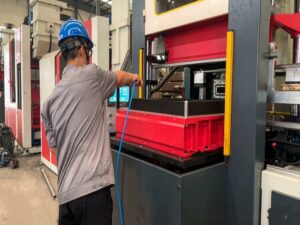
During horizontal molding line design, several common coordination issues may arise between molding machines and conveyor systems, but targeted solutions can ensure smooth operation of the horizontal iron casting molding line.
- One common issue is speed mismatch: molding machines (especially horizontal flaskless molding line machine) may operate faster than the conveyor, leading to mold backlogs. The solution is to install a variable-speed conveyor system that can adjust its speed to match the molding machine’s output, or upgrade the conveyor to handle higher volumes.
- Another issue is mold misalignment during transfer, which can damage molds and affect casting quality. This can be solved by aligning the molding machine’s ejection port with the conveyor’s centerline and installing guide rails to keep molds in place.
- A third issue is communication failure between the molding machine and conveyor, leading to asynchronous operation. The solution is to integrate a centralized control system that links all components of the horizontal molding line, enabling real-time communication and parameter adjustment.
Additionally, wear and tear on conveyor belts or molding machine components can disrupt coordination—regular maintenance and timely replacement of worn parts are essential. Resolving these issues ensures that the horizontal molding line, including horizontal flaskless molding line machine and conveyor systems, operates in perfect coordination.
Case Study: Coordinated Horizontal Molding Line Design for Iron Casting
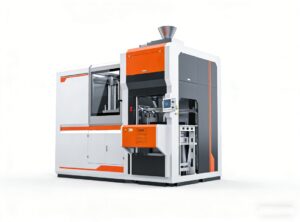
A medium-sized foundry specializing in iron castings successfully designed a horizontal molding line with optimal coordination between molding machines, horizontal flaskless molding line machine, and conveyor systems, achieving significant improvements.
- Before the new design, the foundry’s horizontal iron casting molding line suffered from poor coordination: the horizontal flaskless molding line machine produced molds faster than the conveyor could transfer them, leading to backlogs and mold damage. The production cycle was long, and the rejection rate was 8%.
- To solve this, the foundry redesigned the horizontal molding line, focusing on coordination: they installed a variable-speed conveyor system that synchronized with the horizontal flaskless molding line machine’s production speed, aligned the mold ejection port with the conveyor, and integrated a centralized control system. The horizontal molding line now operates seamlessly: the horizontal flaskless molding line machine produces molds, which are smoothly transferred by the conveyor to the pouring and cooling stations.
- The coordination optimization reduced the production cycle by 30%, lowered the rejection rate to 2%, and increased daily output by 40%. This case demonstrates the importance of coordination in horizontal molding line design, especially for horizontal iron casting molding line integrating horizontal flaskless molding line machine and conveyor systems.
Conclusion
Optimize horizontal molding line design for seamless coordination between machines and conveyors.
For horizontal molding line design and horizontal iron casting molding line solutions,
email: [email protected]
 English
  Russian
  Spanish
  Portuguese
  French
  Indonesian
  Thai
Thai