Choosing the wrong tumblast machine wastes costs and reduces efficiency. This guide outlines key factors for a tailored selection.
This guide covers workpiece matching, capacity evaluation, media compatibility, budget balance, and manufacturer vetting to select the ideal tumblast shot blaster for your needs.
Explore detailed selection criteria below to pick a tumblast machine that fits your production demands.
How to match tumblast machines to your workpiece characteristics?
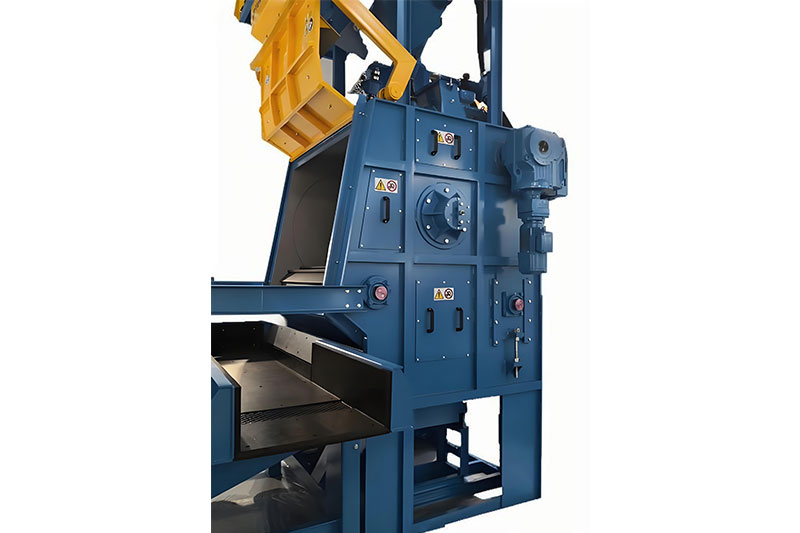
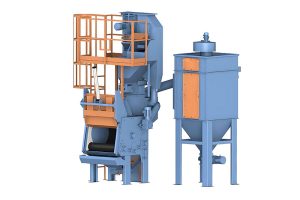
Workpiece characteristics are the foundation of tumblast machine selection, dictating the machine’s size, drum design, and operating parameters. First, assess workpiece size and weight: small, lightweight parts (e.g., screws, nuts, small gears) suit compact tumblast machines with drum volumes of 0.1–0.5 m³, while larger bulk parts (e.g., small castings, valve components) require drums of 0.5–1.5 m³. Workpiece material also matters: delicate materials like aluminum or brass need machines with adjustable tumbling speed (5–8 RPM) to avoid collision damage, while sturdy steel parts can handle higher speeds (10–15 RPM) for faster cleaning. Surface contamination level is critical too—heavily rusted parts need machines with powerful blast wheels (≥15 kW) and high abrasive flow rates, while lightly oiled parts work with smaller blast wheels (7.5–11 kW). Additionally, workpiece geometry (e.g., threaded parts, complex castings) may require specialized drum liners (rubber vs. steel) to prevent jamming or surface scratches. By aligning the machine’s specs with your workpiece details, you ensure optimal cleaning results without part damage.
How to evaluate tumblast machine capacity for your production needs?
Production capacity directly determines the tumblast machine’s model and efficiency, so it’s essential to match capacity to your daily output targets. Start by calculating your hourly workpiece volume: if you process 500 kg of small parts per hour, a tumblast machine with a processing capacity of 50–80 kg/batch and a cycle time of 5–8 minutes (including loading/unloading) is suitable. For high-volume production (1000+ kg/hour), choose continuous-feed tumblast machines instead of batch-type models, as they enable non-stop processing and integrate with assembly lines. Batch-type machines are better for small-batch, multi-variety production, as they allow easy changeovers between different workpiece types. Also, consider the machine’s loading/unloading efficiency: models with automatic loading systems reduce labor costs and speed up production, while manual loading is sufficient for low-volume workshops. Don’t overlook future scalability—select a machine with a drum size or blast power that can accommodate potential increases in production volume, avoiding the need for premature replacement. By balancing current and future capacity needs, you ensure the machine delivers long-term value.
How to ensure media compatibility with your tumblast machine and workpieces?
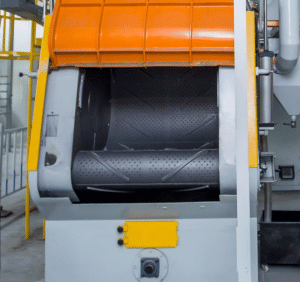
Abrasive media compatibility impacts both cleaning quality and machine longevity, making it a key selection factor. First, match media type to your workpiece material: steel shot/grit is ideal for steel or cast iron parts (providing strong cleaning power and surface strengthening), while glass beads or ceramic media suit aluminum, copper, or polished parts (preventing surface embedding and maintaining finish). Media size is equally important—fine media (0.2–0.5 mm) works for small, detailed parts (e.g., precision gears), while coarse media (0.8–1.2 mm) is for heavy rust or scale removal on larger parts. Ensure the tumblast machine’s blast wheel and recycling system are compatible with your chosen media: some machines are optimized for steel media, while others handle glass beads or organic media (e.g., walnut shells) for delicate cleaning. Also, check the machine’s media storage and feeding system—adequate hopper capacity (≥50 kg) reduces refill frequency, and adjustable feed rates let you control abrasive consumption. Incompatible media can damage the blast wheel, clog the recycling system, or scratch workpieces, so consult the manufacturer for media recommendations tailored to your machine and parts.
How to balance upfront cost and long-term value in tumblast machine selection?
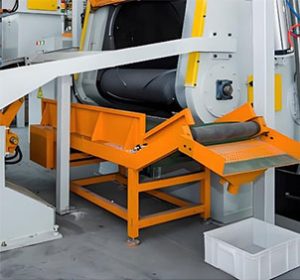
Balancing upfront cost with long-term value avoids overspending or settling for low-quality machines that incur high maintenance costs. While budget constraints are important, avoid choosing the cheapest model—low-cost machines often use inferior components (e.g., thin drum liners, low-grade blast wheels) that wear out quickly, leading to frequent downtime and replacement costs. Instead, evaluate the total cost of ownership (TCO), including purchase price, energy consumption, media costs, maintenance fees, and lifespan. Energy-efficient models (with variable frequency drives for blast wheels) may cost 10–15% more upfront but reduce electricity bills by 20–30% annually. Machines with durable components (manganese steel drum liners, high-chromium blast wheels) have longer lifespans (5–8 years vs. 2–3 years for budget models) and lower maintenance costs. Also, factor in after-sales service: manufacturers that offer free installation, operator training, and 1–2 year warranties save you money on post-purchase support. For small workshops, mid-range machines with basic features may suffice, while large factories should invest in premium models with automation and robust construction. By prioritizing TCO over initial price, you select a machine that delivers consistent performance and minimizes long-term expenses.
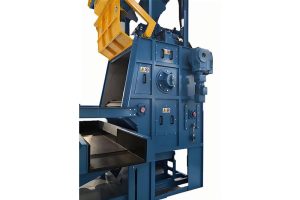
How to vet tumblast machine manufacturers for reliable selection?
Choosing a reputable manufacturer ensures your tumblast machine is durable, supported, and built to industry standards—critical for avoiding post-purchase headaches. First, verify the manufacturer’s credentials: look for ISO 9001 quality certification, CE marking (for European markets), or local industry certifications to ensure compliance with safety and performance norms. Experience matters too—manufacturers with 10+ years in the industry have refined their designs and understand common production pain points, while new or unknown brands may lack quality control. Evaluate their after-sales service: check if they offer on-site installation, operator training, and responsive technical support (24–48 hour turnaround for repairs). Spare parts availability is also key—manufacturers with a local parts warehouse or fast delivery from overseas ensure minimal downtime if components fail. Customer reviews and case studies provide real-world insights: ask for references from businesses in your industry, or check online reviews to gauge satisfaction with machine performance and service. Additionally, assess customization capabilities: if you have unique needs (e.g., special drum liners, automated loading), choose a manufacturer that can tailor the machine to your requirements. By thoroughly vetting manufacturers, you reduce the risk of buying a faulty or unsupported machine and ensure long-term reliability.
Conclusion
Follow these criteria to select a tumblast machine that fits your workpieces, capacity, and budge.
E-mail:[email protected]