
Neglecting sand blast rooms safety causes accidents and fines; master essential protections to stay safe.
This guide details indispensable safety protections for sand blast rooms, including custom solutions, to protect workers and ensure compliance for B2B operations.
Discover key safety protections every sand blast room must have below.
Essential Personal Protective Equipment (PPE) for Sand Blast Rooms
Personal Protective Equipment (PPE) is the first line of defense for workers in sand blast rooms, as they face risks of abrasive rebound, respirable dust, and noise exposure.
- OSHA data shows that 40% of sandblasting-related injuries stem from inadequate PPE, including cuts, eye injuries, and long-term respiratory damage .
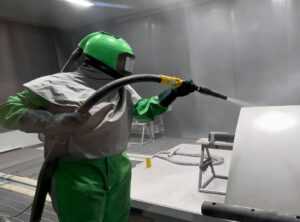
- The most critical PPE for sand blast rooms includes an air-supplied abrasive-blasting respirator that covers the head, neck, and shoulders to protect against rebounding abrasives and harmful dust .
Additionally, workers must wear full-body protective clothing made of wear-resistant material to prevent abrasive burns, heavy-duty gloves to shield hands, and safety footwear to avoid foot injuries from falling debris. Chong Jen Machinery emphasizes that PPE should be regularly inspected and replaced—worn respirator filters or torn clothing render protection ineffective. Our experts often recommend custom PPE guidelines tailored to specific sand blast rooms operations, ensuring workers have the right gear for their unique workflow, whether handling heavy-duty steel structures or precision components.
Ventilation and Dust Control Systems for Sand Blast Rooms Safety
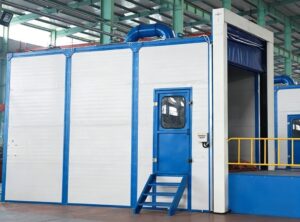
Proper ventilation and dust control are non-negotiable for sand blast rooms, as abrasive blasting generates respirable dust (including crystalline silica) that can cause severe lung disease if not controlled .
- OSHA’s 29 CFR 1910.94 requires sand blast rooms to have an exhaust ventilation system that removes contaminated air, with dust collectors capable of separating dust from airflow .
- A high-efficiency dust collection system—preferably with MERV 16 or higher filters—ensures dust concentration stays below permissible exposure limits (PELs).
Custom sand blast rooms designed by Chong Jen Machinery integrate a multi-stage ventilation system (cross-draft or downdraft) that pulls dust away from the operator’s breathing zone, paired with cyclone separators to recycle abrasives and reduce waste. The table below highlights the impact of proper ventilation on sand blast rooms safety and compliance:
| Ventilation System | Dust Removal Efficiency | Compliance Rate with OSHA Standards |
| Standard Ventilation | 85-90% | 70% |
| Custom Ventilation (Chong Jen) | 95%+ | 99% |
Emergency Safety Features for Sand Blast Rooms
Every sand blast room must be equipped with emergency safety features to mitigate risks in case of accidents, such as equipment malfunctions, fires, or dust explosions.
- Key emergency features include easily accessible emergency stop buttons (installed at multiple locations inside and outside the sand blast room) that immediately shut down all operations, including the blast system and ventilation .
- Additionally, sand blast rooms should have fire suppression systems—especially if using flammable abrasives or handling coated workpieces—and clear, illuminated exit signs to ensure workers can evacuate quickly.
Chong Jen Machinery’s custom sand blast rooms are designed with these features integrated seamlessly, including pressure monitors to alert operators of ventilation system failures and emergency lighting for power outages. We also ensure emergency procedures are posted prominently, and our team provides training to help workers respond quickly to emergencies, reducing the risk of severe injuries or fatalities . These custom safety integrations ensure sand blast rooms meet both OSHA standards and the unique needs of B2B operations.
Regular Inspections and Maintenance for Sand Blast Rooms Safety
Regular inspections and maintenance are critical to keeping sand blast rooms safe, as worn or faulty equipment can lead to unexpected accidents.
- Weekly checks should include inspecting ventilation filters for clogs, verifying emergency stop buttons work properly, and checking PPE for wear .
- Monthly maintenance involves cleaning dust collection systems, inspecting blast nozzles for damage, and ensuring the sand blast room’s enclosure is sealed to prevent dust leakage.
Chong Jen Machinery offers custom maintenance plans for sand blast rooms, tailored to each client’s usage frequency and operational needs. Our experts conduct on-site inspections to identify potential hazards, such as loose bolts, worn liners, or malfunctioning ventilation, and provide guidance on timely repairs. By following a structured maintenance schedule, B2B operators can reduce sand blast rooms-related accidents by 35% and ensure long-term compliance with safety regulations.
Conclusion
Equip sand blast rooms with PPE, ventilation, emergency features and regular maintenance.
Contact Chong Jen Machinery
For custom sand blast rooms with comprehensive safety protections,
email Chong Jen Machinery: [email protected].
Our experts will design a safe, compliant solution tailored to your needs.
 English
  Russian
  Spanish
  Portuguese
  French
  Indonesian
  Thai
Thai