Unclear Sandblasting Machine process causes poor results and safety risks. This guide details its working process for proper operation.
This guide explains the full working process of a Sandblasting Machine, from preparation to post-operation, ensuring safe and efficient use.
Explore the step-by-step process below to master how a Sandblasting Machine works.
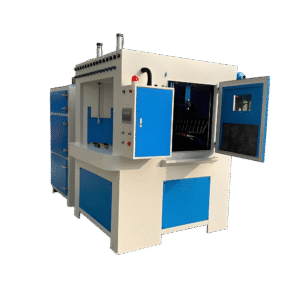
What is the process of a sandblasting machine?
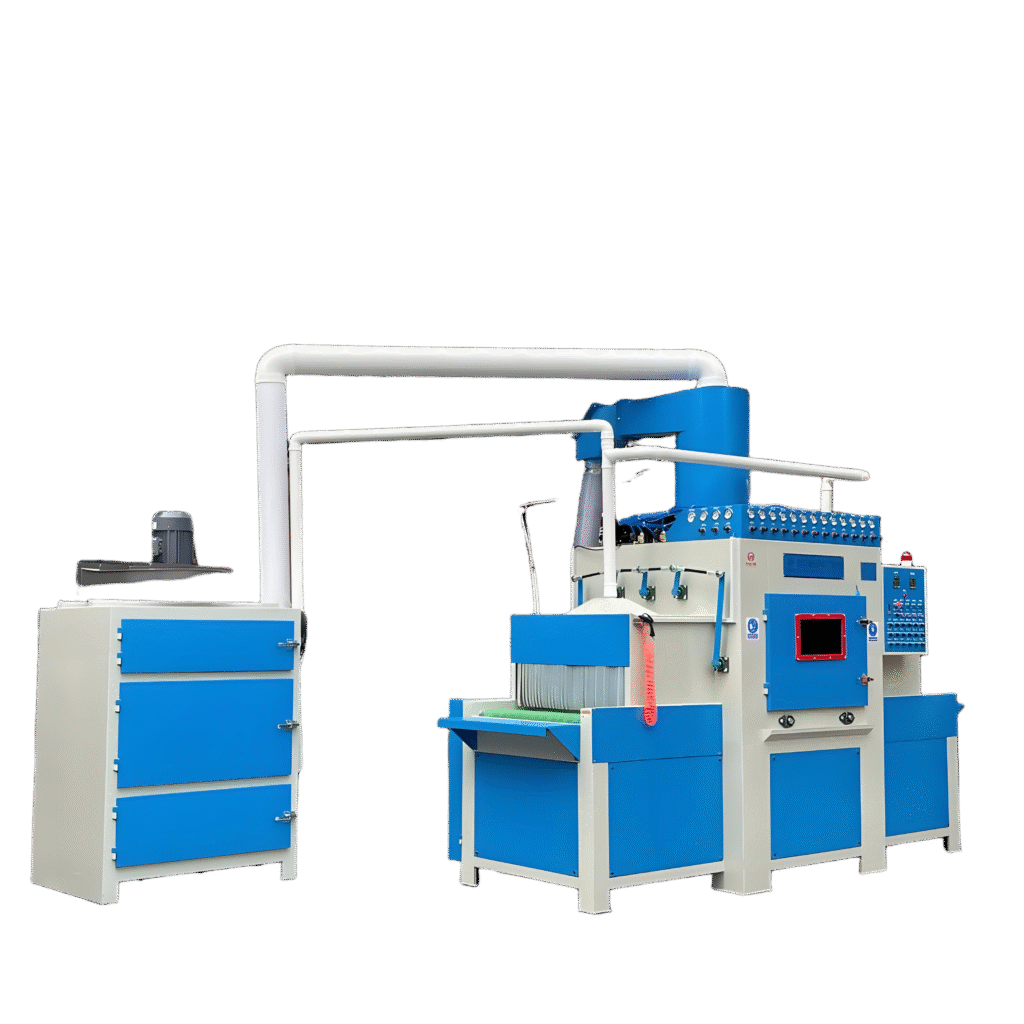
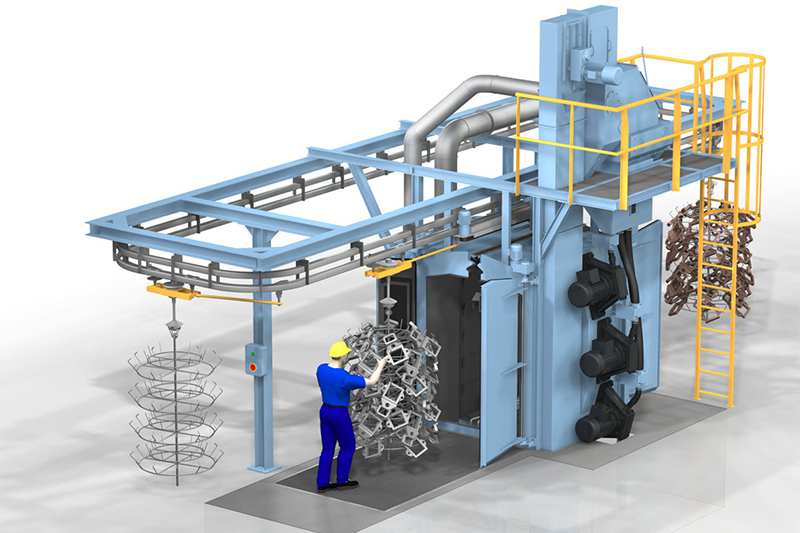
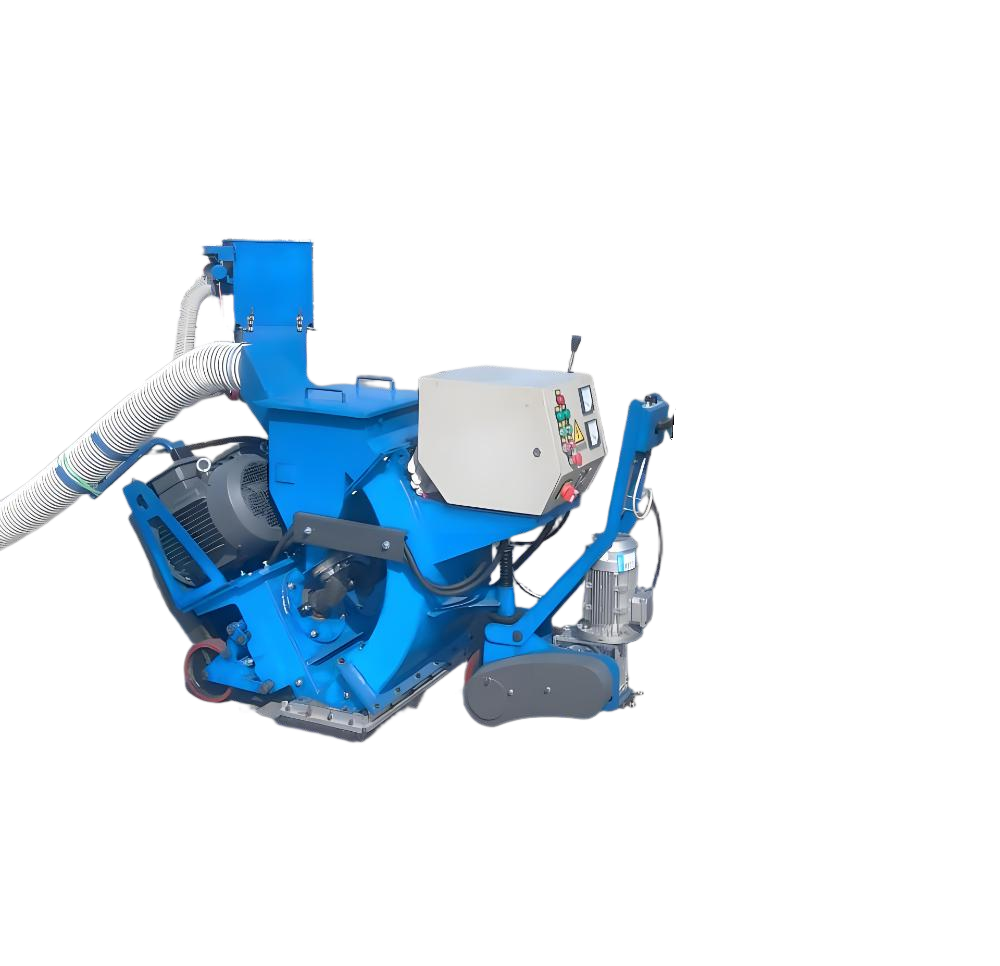
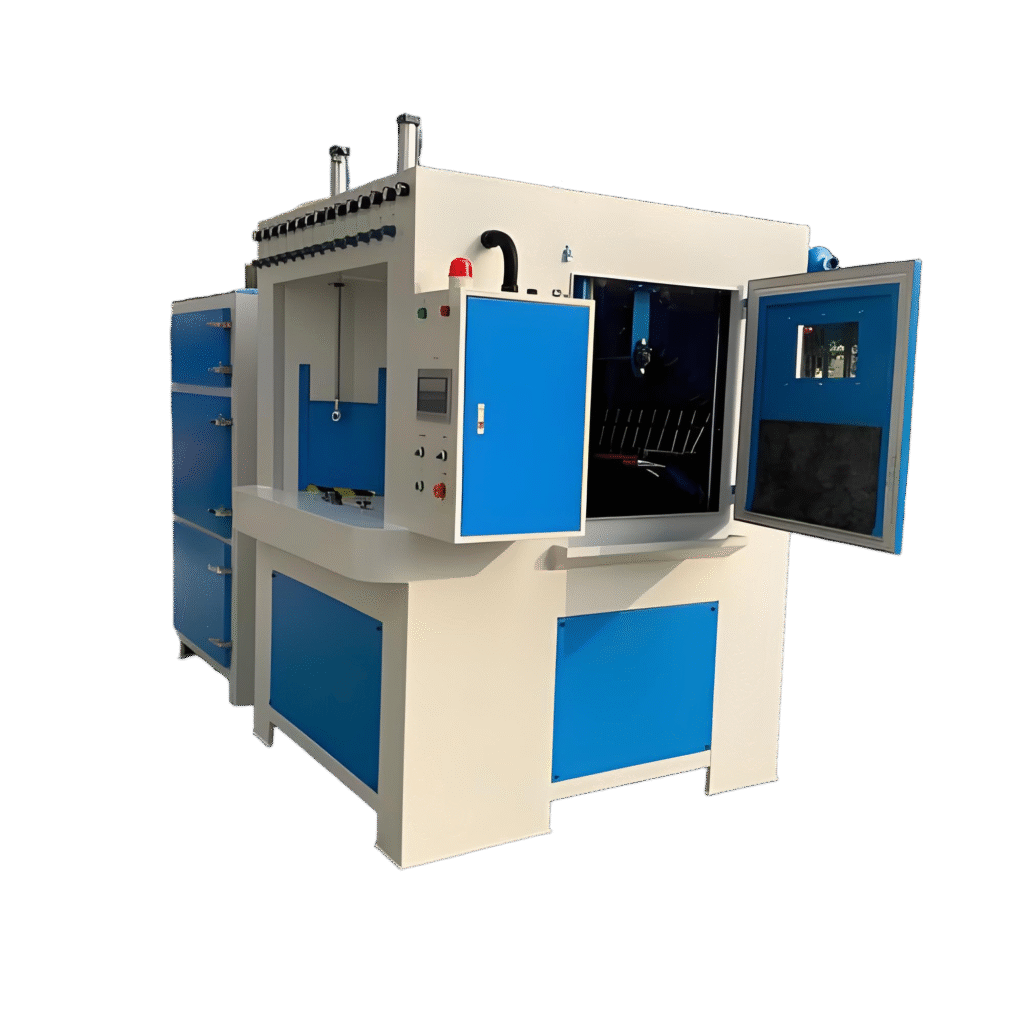
The working process of a Sandblasting Machine is a systematic cycle involving preparation, operation, and post-processing, ensuring stable and effective sandblasting. First, pre-operation preparation: Wear full protective gear (goggles, dust mask, gloves, protective suit) to prevent dust inhalation and debris injury. Inspect the Sandblasting Machine comprehensively—check air compressor pressure (ensure it reaches 0.4-0.8MPa), air hoses for leaks, nozzles for blockages, and abrasive storage for sufficient quantity. Select appropriate abrasives (e.g., sand, glass beads, corundum) based on workpiece material and processing needs. Second, start-up and operation: Turn on the Sandblasting Machine and air compressor, adjust pressure and abrasive flow rate as needed. Hold the nozzle 15-25cm from the workpiece, move it evenly at a steady speed to ensure uniform sandblasting, avoiding over-processing in one area. The Sandblasting Machine propels abrasives at high speed via compressed air, removing rust, burrs, or smoothing surfaces. Third, post-operation steps: Turn off the Sandblasting Machine and air compressor, release residual pressure. Clean the workpiece to remove residual abrasives and dust, then inspect the processing effect. Clean the Sandblasting Machine—clear leftover abrasives, wipe the nozzle and hoses, and check for wear parts. Regularly maintain the Sandblasting Machine to extend its service life.
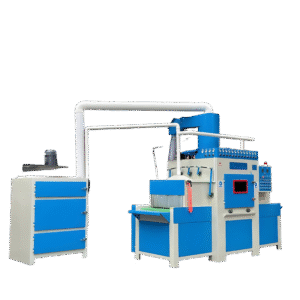
What Key Details Should Be Noted in the Sandblasting Machine Process?
Mastering key details in the Sandblasting Machine process is crucial for quality and safety. During pre-operation, ensure the work area is well-ventilated to reduce dust accumulation—poor ventilation not only affects health but also reduces processing visibility. Avoid using damp or contaminated abrasives, as they will damage the Sandblasting Machine and affect workpiece quality. During operation, maintain a stable distance and moving speed; too close may scratch the workpiece, too far reduces sandblasting efficiency. Do not point the nozzle at people or non-processing areas to prevent safety accidents. For complex workpieces, adjust the Sandblasting Machine’s nozzle angle to cover all surfaces without dead ends. Post-operation, never skip equipment cleaning—residual abrasives may corrode or block the Sandblasting Machine’s internal components. Record the Sandblasting Machine’s operation parameters (pressure, abrasive type) for future reference, ensuring consistent processing quality for similar workpieces.
Conclusion
Follow the Sandblasting Machine process and details for safe, efficient results.
E-mail:[email protected]