
เครื่องยิงพ่นทรายที่มีแรงดันผิดพลาดทำให้คุณภาพไม่ดี; การปรับพารามิเตอร์และฉากช่วยให้ได้ผลการพ่นทรายที่ดีที่สุด.
คู่มือนี้เปรียบเทียบความแตกต่างของพารามิเตอร์ระหว่างเครื่องยิงพ่นทรายแรงดันสูงและต่ำ วิเคราะห์การปรับตัวของฉาก และช่วยในการเลือกอุปกรณ์ Wheelblast ที่เหมาะสม.
สำรวจการเปรียบเทียบที่ละเอียดและเคล็ดลับการใช้งานของเครื่องยิงพ่นทรายทั้งสองแบบด้านล่าง.
ความแตกต่างของพารามิเตอร์แรงดันและวัสดุเจียระไนแกนหลักระหว่างเครื่องยิงพ่นทรายแรงดันสูงและต่ำคืออะไร?
ความแตกต่างที่สำคัญที่สุดระหว่างเครื่องยิงพ่นทรายแรงดันสูงและต่ำอยู่ที่พารามิเตอร์หลัก เช่น แรงดันทำงานและการปรับตัวของวัสดุเจียระไน. เครื่องยิงพ่นทรายแรงดันสูงมีการทำงานที่ 0.7-1.2MPa สร้างแรงกระแทกที่แข็งแกร่งผ่านการไหลของอากาศที่มีแรงดันสูงเพื่อขับเคลื่อนวัสดุเจียระไน พวกมันเข้ากันได้กับวัสดุเจียระไนหยาบ (เกล็ดเหล็ก 1.0-2.0 มม., ลูกเหล็ก) และอัตราการไหลของวัสดุเจียระไนขนาดใหญ่ (300-500 กก./นาที) เหมาะสำหรับการทำความสะอาดที่มีน้ำหนักมาก ในทางตรงกันข้ามแรงดันต่ำ เครื่องพ่นทราย ทำงานที่ 0.3-0.6MPa โดยมีการไหลของอากาศที่นุ่มนวลซึ่งปรับให้เข้ากับวัสดุเจียระไนละเอียด (เม็ดแก้ว 0.2-0.8 มม., ออกไซด์อลูมิเนียม) และอัตราการไหลต่ำ (50-200 กก./นาที) อุปกรณ์ Wheelblast โดยเป็นประเภทแรงดันสูงทั่วไป ใช้การหมุนของใบพัดเพื่อเพิ่มความเร็วของวัสดุเจียระไน ขณะที่เครื่องแรงดันต่ำใช้อากาศดูดหรือการจ่ายอากาศแรงดันต่ำ. นอกจากนี้ เครื่องที่ใช้แรงดันสูงจำเป็นต้องใช้พลังงานมอเตอร์ที่สูงขึ้น (15-37kW) เพื่อรักษาแรงดัน ขณะที่เครื่องแรงดันต่ำต้องการพลังงาน 5-15kW ความแตกต่างของพารามิเตอร์เหล่านี้กำหนดโดยตรงถึงความเข้มของการพ่นและขอบเขตการใช้งานของแต่ละเครื่องยิงพ่นทราย.
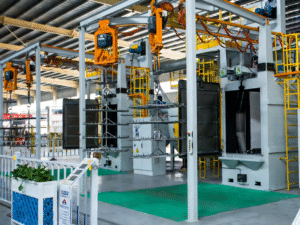
เครื่องยิงพ่นทรายแรงดันสูงและต่ำแตกต่างกันอย่างไรในด้านการออกแบบโครงสร้าง?
การออกแบบโครงสร้างของเครื่องยิงพ่นทรายแรงดันสูงและต่ำถูกปรับให้เข้ากับลักษณะของพารามิเตอร์ เครื่องยิงพ่นทรายแรงดันสูงมีระบบจ่ายอากาศที่เสริมแรง รวมถึงท่อที่หนาขึ้นและวาล์วทนแรงดันสูง เพื่อหลีกเลี่ยงการรั่วไหลของอากาศภายใต้แรงดันสูง ใบพัดของพวกเขา (แกนของอุปกรณ์ Wheelblast) ทำจากวัสดุที่ทนต่อการสึกหรอสูง มีมุมใบพัดที่ปรับแต่งเพื่อปรับปรุงประสิทธิภาพการเร่งความเร็วของวัสดุเจียระไน ถังเก็บวัสดุเจียระไนมีความจุที่ใหญ่ขึ้นและการออกแบบต้านการอุดตันเพื่อให้เข้ากับอัตราการไหลสูง เครื่องยิงพ่นทรายแรงดันต่ำใช้โครงสร้างที่เบากว่า โดยมีหัวฉีดที่เล็กลงและท่อที่ยืดหยุ่นเพื่อการใช้งานที่แม่นยำ. รุ่นแรงดันต่ำแบบดูดรวมระบบสูญญากาศเพื่อทำให้โครงสร้างเรียบง่ายและลดการใช้พลังงาน แตกต่างจากเครื่องแรงดันสูงที่ต้องการฐานที่ทนทานต่อความเสถียร, เครื่องแรงดันต่ำมีโครงสร้างที่กะทัดรัดและเคลื่อนย้ายได้ นอกจากนี้ เครื่องยิงพ่นทรายแรงดันสูงยังมีระบบการกำจัดฝุ่นที่แข็งแรงขึ้นเพื่อจัดการกับการสร้างฝุ่นจำนวนมากในระหว่างการพ่น, ในขณะที่รุ่นแรงดันต่ำใช้เครื่องเก็บฝุ่นที่เรียบง่ายเนื่องจากการทำงานที่เบาลง ความแตกต่างทางโครงสร้างเหล่านี้ทำให้เครื่องยิงพ่นทรายแต่ละเครื่องทำงานได้อย่างมั่นคงภายใต้แรงดันทำงานของตน.
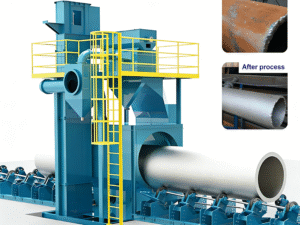
ความแตกต่างด้านประสิทธิภาพและการใช้พลังงานระหว่างเครื่องยิงพ่นทรายทั้งสองแบบคืออะไร?
ประสิทธิภาพและการใช้พลังงานจะแตกต่างกันอย่างมากระหว่างเครื่องยิงพ่นทรายแรงดันสูงและต่ำ. เครื่องยิงพ่นทรายแรงดันสูงด้วยแรงกระแทกที่แข็งแกร่งและการไหลของวัสดุเจียระไนสูง ทำให้มีประสิทธิภาพการทำความสะอาดที่สูงกว่าจริงถึง 2-3 เท่าเมื่อเปรียบเทียบกับเครื่องแรงดันต่ำ พวกมันสามารถทำลายสนิมหนา, คราบ และชั้นสีในเวลาอันสั้น เหมาะสำหรับชิ้นงานขนาดใหญ่ที่หนัก. อย่างไรก็ตาม การใช้พลังงานของพวกมันสูงกว่ามาก—การใช้พลังงานต่อชั่วโมงสูงกว่ารุ่นแรงดันต่ำ 3-5 เท่า และการสึกหรอของวัสดุเจียระไนเร็วขึ้น ทำให้ค่าใช้จ่ายในการดำเนินการเพิ่มขึ้น เครื่องแรงดันต่ำ เครื่องพ่นทราย มีประสิทธิภาพต่ำกว่าแต่เก่งในการทำความสะอาดที่แม่นยำ ด้วยการพ่นที่ช้าลงแต่ควบคุมได้มากขึ้น พวกมันใช้พลังงานน้อยกว่าถึง 40-60% และสูญเสียวัสดุเจียระไนต่ำ ทำให้มีต้นทุนที่เหมาะสมสำหรับชิ้นงานที่ละเอียดในปริมาณน้อย อุปกรณ์ Wheelblast (แรงดันสูง) มีผลผลิตต่อชั่วโมงสูงกว่าแต่ต้องการการเปลี่ยนวัสดุเจียระไนบ่อยครั้ง, while low-pressure machines balance efficiency and cost for long-term use. The choice depends on whether the project prioritizes speed or cost control.
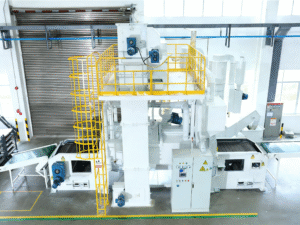
Which Industrial Scenarios Are High-Pressure Shot Blasting Machines Suitable For?
High-pressure shot blasting machines, including professional Wheelblast Equipment, are ideal for heavy-duty, large-scale shot blasting scenarios. They are widely used in steel structure manufacturing to remove thick rust and scale from steel plates, beams, and columns, ensuring coating adhesion. In the automotive industry, they clean engine blocks, gearboxes, and other large metal parts, removing casting sand and burrs. Shipbuilding and marine engineering rely on high-pressure shot blasting machines for hull and offshore platform pretreatment, as they can handle large workpieces and harsh corrosion layers. Additionally, they are used in concrete surface roughening for bridge and highway projects, where strong impact force is needed to enhance bonding with new materials. High-pressure เครื่องพ่นทราย are also suitable for military equipment maintenance, effectively removing old coatings and corrosion from armored vehicles and weapons. Their high efficiency and strong cleaning ability make them indispensable for industrial projects requiring thorough heavy-duty shot blasting.
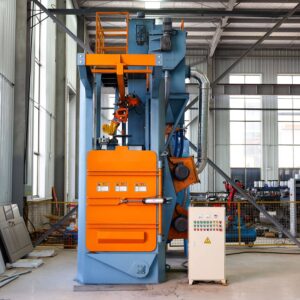
Which Industrial Scenarios Are Low-Pressure Shot Blasting Machines Suitable For?
Low-pressure shot blasting machines are designed for precision, delicate, and small-scale shot blasting scenarios. In the electronic component industry, they clean circuit boards, connectors, and sensor parts, removing dust and oxide layers without damaging delicate structures. The aerospace field uses low-pressure machines for precision cleaning of aluminum alloy and titanium alloy parts, ensuring surface smoothness meets strict standards. Jewelry and hardware manufacturing relies on them for polishing and deburring small workpieces like rings, screws, and watch parts. They are also suitable for automotive maintenance, such as cleaning small parts like carburetors and injectors. In the furniture and woodworking industry, low-pressure shot blasting machines create decorative textures on wood surfaces with fine abrasives. For cultural relic restoration, they gently remove dirt and rust from fragile artifacts without causing damage. Their mild operation and precise control make them the first choice for scenarios requiring high surface quality.
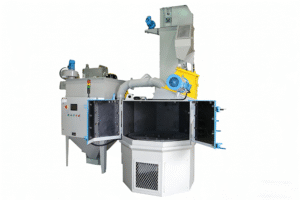
How to Select Between High-Low-Pressure Shot Blasting Machines Based on Project Needs?
Selecting between high-low-pressure shot blasting machines requires comprehensive consideration of project factors. First, assess workpiece characteristics: thick, heavy, and heavily corroded workpieces need high-pressure machines, while delicate, small, or precision workpieces require low-pressure ones. Second, consider project scale: large-batch, high-efficiency requirements favor high-pressure Wheelblast Equipment, while small-batch, precision-focused projects suit low-pressure models. Third, evaluate cost budgets: high-pressure machines have higher initial purchase and operational costs, suitable for large enterprises, while low-pressure ones are cost-effective for small and medium-sized businesses. Additionally, consider on-site conditions: high-pressure machines need more space and stable power supply, while low-pressure ones are compact and movable. Finally, factor in surface quality requirements: high-pressure machines achieve Sa3-level cleaning, while low-pressure ones meet Sa2-level or precision finishing needs. Rational selection based on these factors ensures the shot blasting machine matches project demands.
บทสรุป
High-low-pressure shot blasting machines differ in parameters and adapt to distinct scenarios.
 Thai
Thai  English
  Russian
  Spanish
  Portuguese
  French
  Indonesian