
Confusion about shot blasters leads to poor choices, wasted costs, and inefficient cleaning. This guide simplifies Shot Blaster Types, tips, and tricks for success.
This guide demystifies shot blasters: explore mainstream Shot Blaster Types, essential Selection Tips, efficiency-boosting Efficiency Tricks, and maintenance insights to extend service life.
Dive into detailed, practical advice to master shot blasters from selection to long-term use.
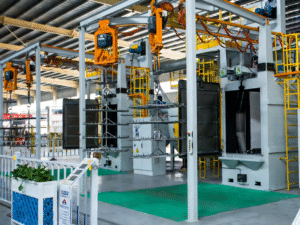
What are the mainstream shot blaster types and their key uses?
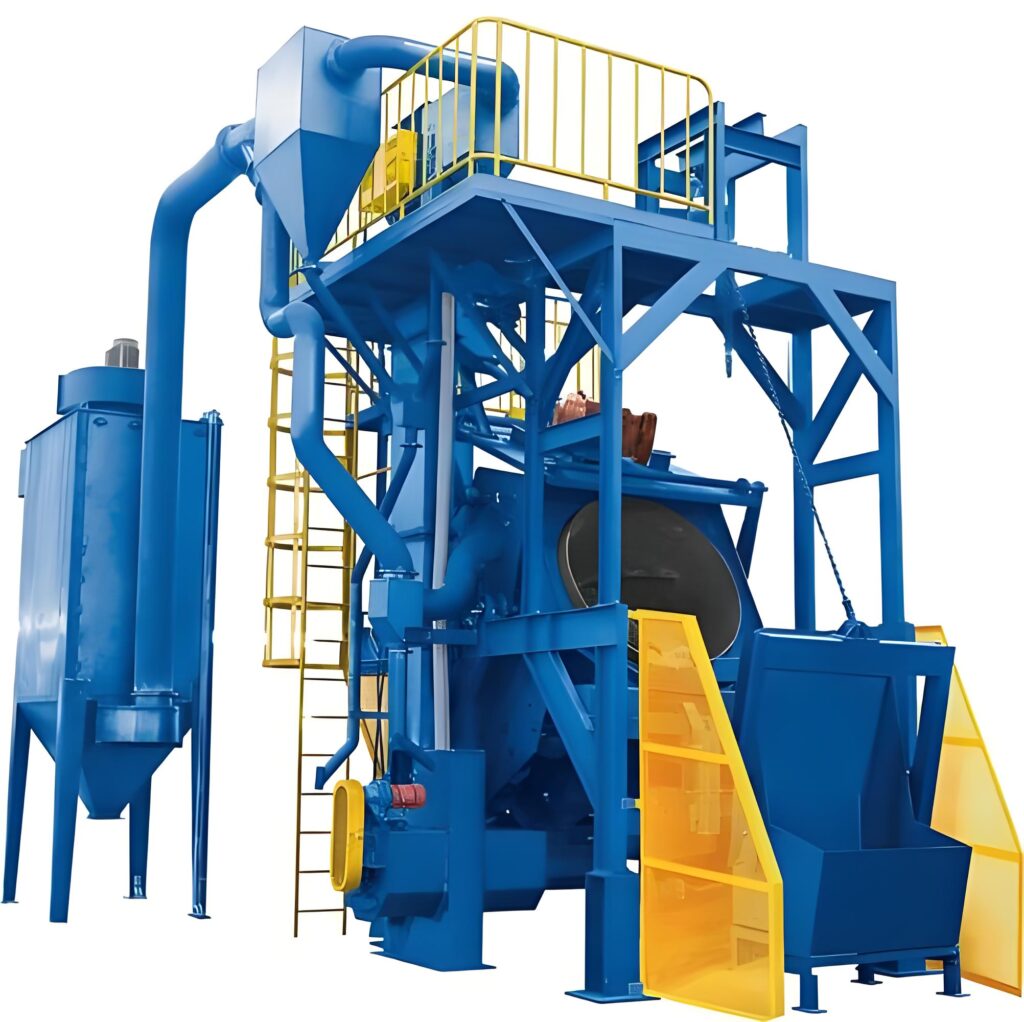
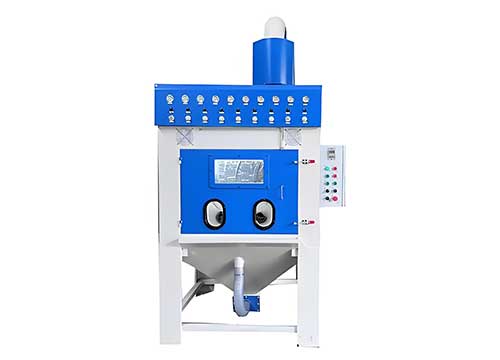
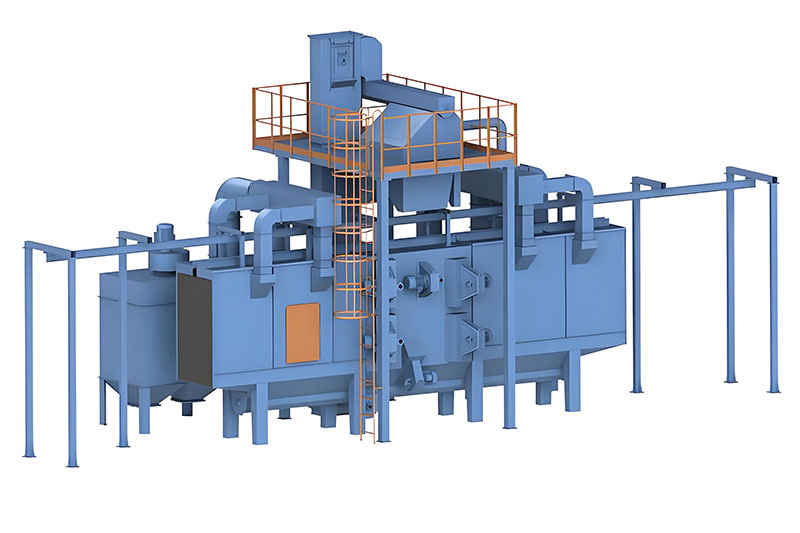
Understanding Shot Blaster Types is foundational to matching equipment with industrial needs. เครื่องพ่นทรายแบบ tumbBlast are ideal for small, bulk workpieces like screws, gears, or stampings. Their rotating cylindrical drum tumbles parts, ensuring uniform contact with abrasive media—perfect for low-to-medium volume production in hardware or automotive parts industries. Track-type shot blasters use a rubber or steel track to convey medium-sized workpieces (e.g., castings, brake discs) through the blasting chamber. Equipped with multi-angle shot blasters, they balance efficiency and versatility, suiting batch production in foundries or auto component plants. Hook-type models feature suspended, rotating hooks that hold large, heavy workpieces such as steel beams, engine blocks, or hull segments. This design eliminates cleaning dead ends, making them indispensable in steel structure, shipbuilding, or heavy machinery industries. Through-type shot blasters are tailored for long workpieces like profiles, plates, or pipes, enabling continuous processing for high-volume assembly lines in construction steel or aerospace sectors. Each type is engineered for specific workpiece sizes, weights, and production demands, so identifying your use case is the first step to effective selection.
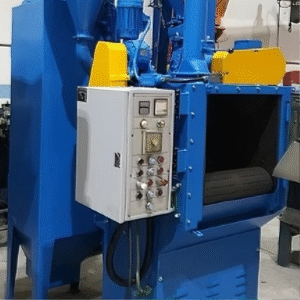
What critical selection tips ensure you pick the right shot blaster?
Mastering Selection Tips is key to avoiding costly mismatches. Start by analyzing workpiece characteristics: size, weight, material, and surface contamination level. For delicate aluminum parts, a tumblast machine with fine abrasive media prevents damage, while heavy steel components require the power of a hook-type model. Next, assess production volume: high-volume operations benefit from through-type or track-type machines for continuous processing, while small-batch workshops thrive with compact tumblast or tabletop models. Consider site constraints: hook-type machines need ample vertical space (minimum 5 meters ceiling height), while track-type models require more floor space for conveyor systems. Don’t overlook environmental compliance—choose machines with efficient dust collection systems (99%+ separation rate) and noise reduction features (below 85dB) to meet regulations. Finally, prioritize manufacturers with reliable after-sales support and readily available spare parts, as this impacts long-term operational efficiency. By aligning these factors with your needs, you select a shot blaster that delivers optimal performance and value.
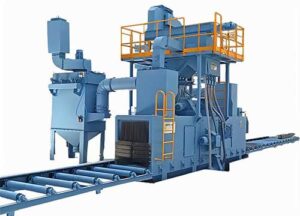
What pro tricks maximize shot blaster efficiency and cleaning quality?
Implementing Efficiency Tricks elevates both productivity and cleaning results. First, optimize abrasive media selection: use harder media (e.g., steel shot) for tough materials like cast iron, and softer options (e.g., glass beads) for delicate surfaces. Regularly check media size—worn or oversized media reduces cleaning power, so replace it when it falls below the recommended diameter. Adjust blasting parameters (shot speed, angle, and intensity) based on workpiece requirements: increase intensity for heavily rusted parts, and reduce it for thin or fragile components. Invest in automation features like PLC control systems to ensure consistent processing, especially for high-volume production. Regularly clean the blasting chamber and dust collection system to prevent clogs, which hinder airflow and reduce efficiency. Additionally, schedule preventive maintenance for shot blasters—lubricate rotating parts, inspect nozzles for wear, and calibrate sensors—to avoid unexpected downtime. เคล็ดลับเหล่านี้ไม่เพียงเพิ่มคุณภาพการทำความสะอาด (เช่น การบรรลุความสะอาดพื้นผิว Sa2.5-Sa3) แต่ยังช่วยลดต้นทุนการดำเนินงานโดยการลดของเสียและเพิ่มการผลิตสูงสุด.

จะหลีกเลี่ยงข้อผิดพลาดทั่วไปในการดำเนินงานและบำรุงรักษาช็อตเบลสเตอร์ได้อย่างไร?
การหลีกเลี่ยงข้อผิดพลาดต้องใช้การอิงจากฮักการบำรุงรักษา และแนวทางปฏิบัติที่ดีที่สุด ข้อผิดพลาดในการดำเนินงานทั่วไปคือการทำให้เครื่องเกินขีดความสามารถ—นี้จะนำไปสูการทำความสะอาดที่ไม่สม่ำเสมอ การสึกหรอที่เพิ่มขึ้นในส่วนประกอบ และประสิทธิภาพที่ลดลง ปฏิบัติตามความจุที่แนะนำจากผู้ผลิตเพื่อให้มั่นใจถึงประสิทธิภาพที่ดีที่สุด. ข้อผิดพลาดอีกอย่างคือการละเลยคุณภาพของมีเดียเจียรใช้: การใช้มีเดียที่ปนเปื้อนหรือไม่ถูกต้องจะทำให้เกิดความเสียหายต่อพื้นผิว การทำความสะอาดที่ไม่สม่ำเสมอ และการสึกหรออย่างรวดเร็วบนผนังและหัวฉีดของเครื่อง. ทำการร่อนและเปลี่ยนมีเดียเป็นระยะๆ เพื่อรักษาประสิทธิภาพของมัน ด้านการบำรุงรักษา การข้ามการตรวจสอบตามกำหนดเวลาเป็นความผิดพลาดที่สำคัญ ความล้มเหลวในการตรวจสอบน็อตหลวม ผนังที่สึกหรอ หรือกรองฝุ่นอุดตันอาจนำไปสู่การพังทลายที่มีค่าใช้จ่ายสูง ทำความสะอาดเครื่องหลังแต่ละกะเพื่อกำจัดเศษและป้องกันการกัดกร่อน และหล่อลื่นชิ้นส่วนเคลื่อนไหว (ตะขอ ราง ระบบลำเลียง) ตามช่วงเวลาที่แนะนำ หลีกเลี่ยงการใช้สารเคมีรุนแรงในการทำความสะอาด เนื่องจากอาจทำให้พื้นผิวและชิ้นส่วนของเครื่องเสียหาย นอกจากนี้ให้ฝึกอบรมพนักงานในการใช้งานอย่างถูกต้อง—พนักงานที่ไม่ได้รับการฝึกอาจใช้งานควบคุมผิดพลาดนำไปสูการดำเนินงานที่ไม่มีประสิทธิภาพหรืออันตรายด้านความปลอดภัย โดยการแก้ไขข้อผิดพลาดทั่วไปเหล่านี้ คุณสามารถมั่นใจได้ว่าประสิทธิภาพของเครื่องจะราบรื่นและเชื่อถือได้.
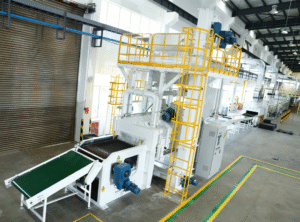
ปัจจัยใดบ้างที่ช่วยยืดอายุการใช้งานของช็อตเบลสเตอร์ของคุณ?
การให้ความสำคัญกับ การขยายอายุการใช้งาน ต้องใช้แนวทางเชิงรุกในการดูแลและใช้งาน ก่อนอื่น ลงทุนในชิ้นส่วนที่มีคุณภาพสูงและทนต่อการสึกหรอ: เลือกเครื่องที่มีผนังเหล็กแมงกานีส ใบมีดโครเมียมสูง, และรางยางที่ทนทาน, เนื่องจากชิ้นส่วนเหล่านี้สามารถทนต่อธรรมชาติที่ขัดของกระบวนการ การบำรุงรักษาเป็นสิ่งที่ไม่สามารถต่อรองได้—กำหนดตารางการตรวจสอบน็อต ผนัง และระบบรีไซเคิลเจียรในแต่ละสัปดาห์ และเปลี่ยนชิ้นส่วนที่สึกหรอโดยทันที การเก็บรักษาและสภาพแวดล้อมก็สำคัญ: รักษาเครื่องอยู่ในพื้นที่ที่แห้งและมีอากาศถ่ายเทดีเพื่อป้องกันสนิมและการกัดกร่อน และป้องกันไม่ให้เผชิญกับอุณหภูมิหรือความชื้นสูงเกินไป ใช้มีเดียเจียรตามที่ผู้ผลิตแนะนำ—การใช้ประเภทหรือตาขนาดที่ไม่ถูกต้องจะเร่งการสึกหรอขององค์ประกอบ หลีกเลี่ยงการทำให้เครื่องทำงานเกินไป; อนุญาตให้มีเวลาให้เย็นระหว่างการผลิตที่ยาวนานเพื่อป้องกันความร้อนสูงเกินไป นอกจากนี้ ร่วมมือกับผู้ผลิตที่ให้การสนับสนุนหลังการขายที่ครอบคลุม รวมถึงการช่วยเหลือทางเทคนิคและความพร้อมในการให้ชิ้นส่วนสำรอง. โดยการรวมกันของชิ้นส่วนคุณภาพ การบำรุงรักษาเป็นประจำ และการใช้งานที่เหมาะสม คุณสามารถขยายอายุการใช้งานของช็อตเบลสเตอร์ของคุณได้ 30-50% ซึ่งเป็นการเพิ่มผลตอบแทนการลงทุนของคุณ.
บทสรุป
คู่มือนี้ทำให้ช็อตเบลสเตอร์ทำงานได้ง่ายขึ้น—เรียนรู้ประเภท คำแนะนำ และเคล็ดลับสำหรับประสิทธิภาพที่ยาวนานและมีประสิทธิภาพ.
 Thai
Thai  English
  Russian
  Spanish
  Portuguese
  French
  Indonesian