
ผู้ประกอบการใหม่ใช้งานเครื่องยิงอัตโนมัติเพื่อยิงวัสดุผิดวิธี ทำให้เกิดข้อบกพร่องและการยิงวัสดุไม่ดี; คู่มือนี้สอนการปฏิบัติงานของเครื่องอย่างปลอดภัยและเป็นมาตรฐานตามขั้นตอนทีละขั้น.
คู่มือปฏิบัติการที่ครบถ้วนนี้ครอบคลุมการเริ่มต้น การดำเนินการ การจัดการวัสดุของเครื่องยิง และกฎความปลอดภัยสำหรับผู้ประกอบการใหม่เพื่อให้สามารถเชี่ยวชาญการยิงวัสดุได้อย่างรวดเร็ว.
ปฏิบัติตามคู่มือทีละขั้นตอนนี้เพื่อให้การใช้งานเครื่องยิงเป็นไปอย่างปลอดภัยและมีประสิทธิภาพ.
การตรวจสอบก่อนการดำเนินงานที่จำเป็นสำหรับเครื่องยิงอัตโนมัติแบบเต็มรูปแบบคืออะไร?
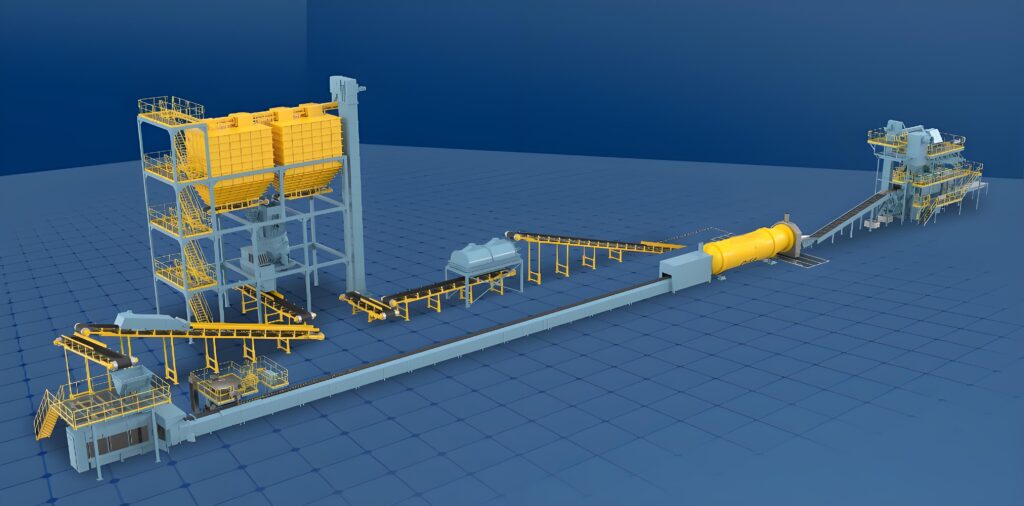
ก่อนเริ่มการยิงวัสดุใด ๆ ด้วยเครื่องยิงอัตโนมัติแบบเต็มรูปแบบ การตรวจสอบก่อนการดำเนินงานอย่างละเอียดเป็นสิ่งที่ยอมรับไม่ได้สำหรับผู้ประกอบการใหม่ เนื่องจากการข้ามขั้นตอนอาจทำให้เกิดความเสียหายต่ออุปกรณ์และการยิงวัสดุที่ไม่ปลอดภัย.
- เริ่มต้นด้วยการตรวจสอบลักษณะโดยรวม ของเครื่องยิงเพื่อให้แน่ใจว่าไม่มีสกรูหลวม เปลือกหุ้มแตก หรือสายไฟที่เปิดเผย ซึ่งมีความเสี่ยงต่อความปลอดภัยในระหว่างการดำเนินงาน.
- ถัดไป ตรวจสอบถังเก็บวัสดุของเครื่อง: ยืนยันว่ามีวัสดุเพียงพอ machine shot ภายใน และนำวัตถุต่างประเทศ เช่น เศษโลหะหรือเศษขยะออกที่อาจทำให้ระบบการส่งวัสดุถูกบล็อกและขัดขวางการยิงวัสดุ.
- จากนั้น ตรวจสอบส่วนประกอบล้อของเครื่องยิง, ให้แน่ใจว่ายึดแน่นและปราศจากการสึกหรออย่างมาก เนื่องจากชิ้นส่วนที่สึกหรอจะทำให้ความเข้มของการยิงวัสดุลดลง ตรวจสอบระบบการเก็บฝุ่นที่เชื่อมต่อกับเครื่องยิง ให้แน่ใจว่าแผ่นกรองสะอาดและท่ออากาศไม่มีการอุดตันเพื่อหลีกเลี่ยงการสะสมของฝุ่นในระหว่างการยิงวัสดุ ตรวจสอบการทำงานของแผงควบคุม: ทดสอบปุ่มหยุดฉุกเฉิน สวิตช์ไฟ และปุ่มปรับพารามิเตอร์เพื่อให้แน่ใจว่าตอบสนองตามปกติ.
- สุดท้าย ตรวจสอบระบบสายพานถ้าหากเครื่องยิง มีระบบนี้ ให้แน่ใจว่ามีการเคลื่อนไหวอย่างราบรื่นโดยไม่มีการติดขัด การทำการตรวจสอบเหล่านี้ช่วยปกป้องเครื่องยิง รับประกัน การยิงวัสดุที่มีเสถียรภาพ, และปกป้องผู้ประกอบการใหม่จากอุบัติเหตุ.
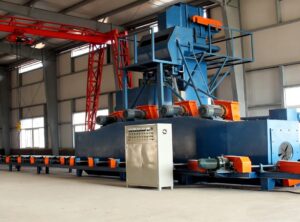
จะเริ่มต้นเครื่องยิงอัตโนมัติแบบเต็มรูปแบบอย่างถูกต้องสำหรับผู้เริ่มต้นได้อย่างไร?
ขั้นตอนการเริ่มต้นที่ถูกต้องเป็นพื้นฐานสำหรับผู้ประกอบการใหม่ในการใช้งานเครื่องยิงอัตโนมัติแบบเต็มรูปแบบและเพื่อให้ได้ผลลัพธ์การยิงวัสดุที่สม่ำเสมอ หลีกเลี่ยงความล้มเหลวของอุปกรณ์อย่างกะทันหัน.
- เริ่มต้นด้วยการเปิดไฟหลักของเครื่องยิง และรอให้แผงควบคุมสว่างขึ้นซึ่งบ่งชี้ว่าระบบเปิดใช้งานอยู่ ถัดไป ให้เปิดระบบการจัดเก็บฝุ่นก่อน—นี่คือขั้นตอนสำคัญเพื่อจับฝุ่นทันทีเมื่อ การพ่นวัสดุ begins, keeping the working environment clean and preventing dust from damaging the shot blaster’s internal parts.
- Then, set basic parameters on the control panel: adjust shot blasting time, machine shot flow rate, and conveyor speed (if applicable) based on workpiece size and cleaning requirements; start with standard parameters recommended in the shot blaster manual for beginners.
- After parameter setting, start the shot blaster’s impeller and machine shot delivery system in sequence, allowing them to run idle for 2-3 minutes to warm up. During idle running, observe the shot blaster for abnormal noise, vibration, or machine shot leakage; if any issues occur, press the emergency stop button immediately and recheck.
Once idle running is normal, place workpieces onto the conveyor or into the working chamber, close the safety door tightly, and start the automatic shot blasting cycle. Never open the safety door during operation, as flying machine shot and high-speed components cause severe injuries.
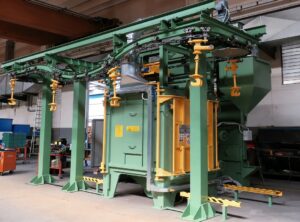
How to Manage Machine Shot During Automatic Shot Blasting Operations?
Proper machine shot management directly affects shot blasting quality and the service life of a fully automatic shot blaster, making it a key skill for beginner operators.
- First, choose the right type of machine shot for the shot blaster: use steel shot for heavy rust removal and hard workpieces, and softer shot for delicate surfaces to avoid damage, as mismatched machine shot ruins workpieces and accelerates shot blaster wear. Monitor machine shot levels continuously during shot blasting: check the storage bin every 30 minutes, and add new machine shot promptly when levels drop below the minimum mark to prevent insufficient shot blasting intensity.
- Regularly screen machine shot to remove broken, worn, or oversized particles—worn machine shot reduces cleaning efficiency, while oversized shot blocks the delivery pipeline of the shot blaster. Avoid mixing different types of machine shot in the shot blaster, as this causes uneven shot blasting and increases equipment wear.
- After each shift of shot blasting, collect and filter residual machine shot from the working chamber, removing dust and impurities, and return usable machine shot to the storage bin. Proper machine shot management not only improves shot blasting consistency but also reduces operational costs by extending the life of both the machine shot and the shot blaster itself.
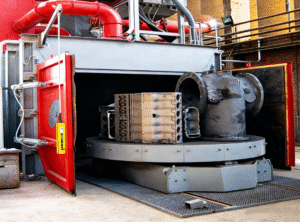
What Are the Standard Operating Steps During Automatic Shot Blasting?
Once the fully automatic shot blaster is running, beginners must follow standard operating steps to maintain stable shot blasting and avoid operational errors.
- First, after starting the automatic cycle, stand outside the safety barrier and monitor the shot blaster in real time: watch for consistent machine shot ejection, smooth workpiece movement, and normal dust collection. Avoid leaning close to the shot blaster or touching moving parts during shot blasting, as this poses severe safety hazards. If the shot blaster shows abnormal vibration, loud noise, or uneven shot blasting during operation, press the emergency stop button immediately instead of trying to fix it while the machine runs.
- For workpieces that need adjusted shot blasting intensity, pause the machine completely, reset parameters on the control panel, and restart the cycle—never adjust parameters during operation. Keep the working area around the shot blaster clean and free of clutter during การพ่นวัสดุ, ensuring easy access to emergency controls.
Track the shot blasting time for each batch of workpieces, and remove workpieces promptly once the cycle ends to avoid over-blasting, which damages workpiece surfaces. Beginners should take simple notes during initial operations, recording parameter settings and shot blasting results to refine operations over time and master the shot blaster faster.
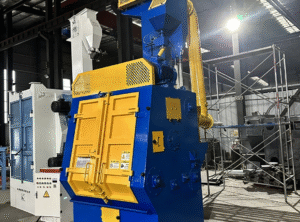
How to Shut Down a Fully Automatic Shot Blaster Safely After Operation?
Safe shutdown procedures protect the fully automatic shot blaster from damage and prepare it for the next use, a step beginners often overlook but must master.
- First, wait for the current shot blasting cycle to finish completely, and ensure all workpieces are removed from the working chamber before shutdown. Next, stop the machine shot delivery system first, allowing remaining machine shot to be ejected completely to avoid buildup inside the shot blaster.
- Then, turn off the shot blasting impeller and conveyor system, and let the dust collection system run for an additional 5-10 minutes to clear residual dust from the shot blaster and ducts. After dust collection stops, turn off the main power supply of the shot blaster, and lock the power switch to prevent accidental startup.
- Conduct a post-operation inspection: clean the shot blaster’s working chamber, remove residual machine shot and dust, check for worn parts, and tighten any loose screws. Empty and filter the machine shot if needed, and cover the storage bin to keep it clean. Wipe the control panel and exterior of the shot blaster clean, and organize the working area.
Following this shutdown routine extends the shot blaster’s service life, reduces maintenance needs, and ensures safe and smooth shot blasting for the next operation.
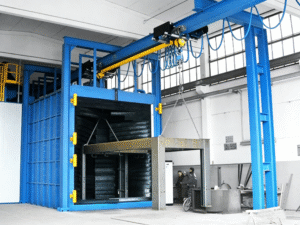
What Safety Rules Must Beginners Follow for Shot Blaster Operation?
Safety is the top priority when operating a fully automatic shot blaster for shot blasting, and beginners must memorize and follow all safety rules to avoid accidents.
- First, always wear full personal protective equipment (PPE) before operating the shot blaster: safety goggles, dust masks, heat-resistant gloves, and non-slip work shoes to protect against flying machine shot, dust, and noise. Never operate the shot blaster with loose clothing, long hair unbound, or jewelry, as these can get caught in moving parts.
- Never open the safety door or reach into the working chamber during shot blasting, even if the machine seems to stop—flying machine shot can cause serious injuries. Only operate the shot blaster in a well-ventilated area, and ensure the dust collection system is always on during shot blasting to avoid inhaling harmful dust.
- Do not modify the shot blaster’s parameters or internal structure without permission, and do not overload the machine beyond its rated capacity for shot blasting. Keep the emergency stop button accessible and know its location at all times; do not hesitate to use it if any abnormality occurs.
Finally, receive basic training before operating the shot blaster independently, and refer to the equipment manual or ask for guidance instead of taking risky actions during shot blasting.
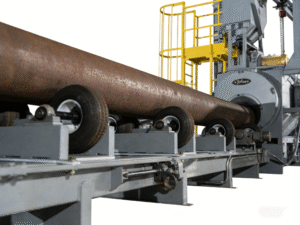
Common Beginner Mistakes to Avoid in Automatic Shot Blasting
New operators often make avoidable mistakes when learning to use a fully automatic shot blaster, which affect shot blasting quality and damage the equipment.
- The most common mistake is skipping pre-operation checks, leading to machine shot blockages or equipment failures mid-operation.
- Another mistake is setting incorrect การพ่นวัสดุ parameters: excessive intensity damages workpieces, while insufficient intensity leads to poor cleaning results. Many beginners also forget to run the shot blaster idle before starting shot blasting, causing unstable machine shot flow and uneven treatment. Neglecting machine shot management, such as using worn machine shot or mixing different types, is another frequent error that reduces shot blasting efficiency.
Additionally, some new operators rush shutdowns, turning off the dust collection system immediately and leaving dust buildup inside the shot blaster. Ignoring safety rules, such as opening the safety door during operation, is a dangerous mistake that causes injuries. By being aware of these errors and following the guide’s steps, beginners can avoid them, operate the shot blaster correctly, and achieve consistent, high-quality shot blasting results with minimal equipment issues.
บทสรุป
Master checks, operation, and safety rules to run shot blaster for steady shot blasting.
For professional fully automatic shot blaster operation guidance,
โปรดติดต่อเรา:[email protected]
 Thai
Thai  English
  Russian
  Spanish
  Portuguese
  French
  Indonesian