
Managing Blasting Media and Dust Safely around Aluminum Parts to Prevent Fires and Compliance Failures
Combustible aluminum dust and media-generated sparks create fire and regulatory risk. Operations using a shot blaster or jato de roda often underestimate static and fine particle hazards. Implement engineered ventilation, strict dust collection, and verified media selection with OEM or ODM guidance to reduce ignition and exposure in manufacturing lines.
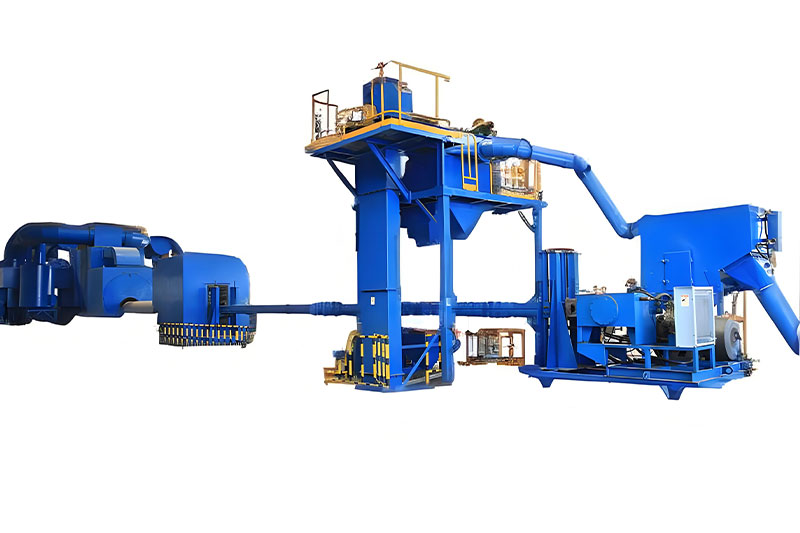
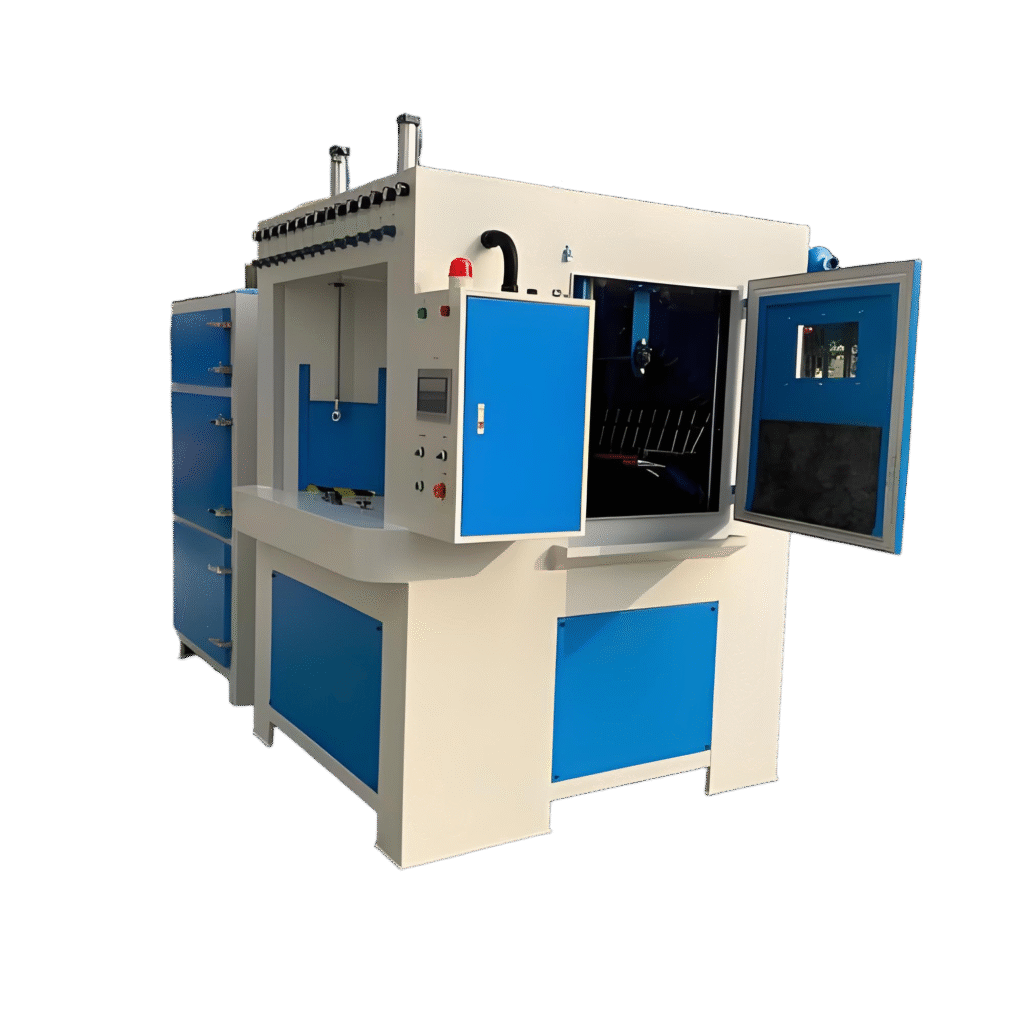
Our company recommends a combined approach of certified dust collection, bonded-grounded equipment, and operator PPE; prioritize selecting a shot blasting machine and media that are Customizable to part geometry and approved by your Manufacturer and Supplier.
Dust Collection and Ventilation
Effective dust collection and ventilation reduce airborne aluminum concentration and hot-spot formation.
- Install local exhaust ventilation at shot blaster discharge points.
- Specify HEPA or combustible-dust-rated collectors from your Supplier.
- Use negative pressure zones to prevent migration to other production areas.
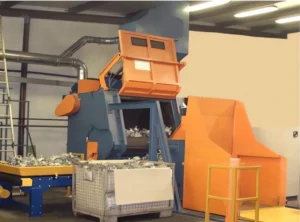
Media Selection and Wheel Blast Considerations
Choosing the correct blasting media minimizes heat and creates fewer fines.
- Assess media hardness and friability with your Manufacturer or OEM representative.
- Prefer low-friability media to limit generation of combustible fines.
- Validate Customizable media mixes in a pilot run from ODM/Supplier.
Shot Blasting Machine Setup
- Configure shielded housings and spark traps on the máquina de jateamento.
- Schedule regular inspections of impellers, liners, and seals to prevent metal-on-metal sparking.
- Ensure grounding and bonding of the wheel blast and adjacent structures to control static.
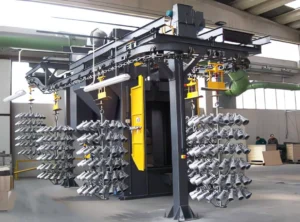
Static Control and Housekeeping
Static accumulation and poor housekeeping both increase ignition probability; control both rigorously.
- Implement continuous grounding/bonding protocols for equipment and conveyors.
- Use conductive mats and PPE where appropriate.
- Daily cleaning schedule focused on non-sparking tools and vacuum systems rated for combustible dust.
Fire Risk Review and Waste Handling
Regular risk reviews and safe waste practices close the loop on combustible dust management.
- Conduct fire hazard analysis with OEM safety data and Manufacturer input.
- Store collected media and dust in labeled, sealed, conductive containers.
- Dispose per local regulations; consider Supplier take-back for recyclable media.
| Concern | Recommended Control |
| Airborne aluminum dust | HEPA/compliant dust collectors, negative pressure |
| Sparks from equipment | Shielded wheel blast housings, spark traps, grounding |
| Role | Action Items |
| Manufacturer / OEM | Provide machine specs, safe media options, testing |
| Supplier / ODM | Offer Customizable media, collection systems, training |
Operator PPE and Training
Protect personnel and ensure procedures are followed.
- Provide conductive gloves, flame-resistant clothing, and appropriate respirators.
- Train operators on shot blaster cleanup, lockout-tagout, and emergency response.
- Audit competency regularly and update SOPs with Supplier/Manufacturer input.
Summary and Call to Action
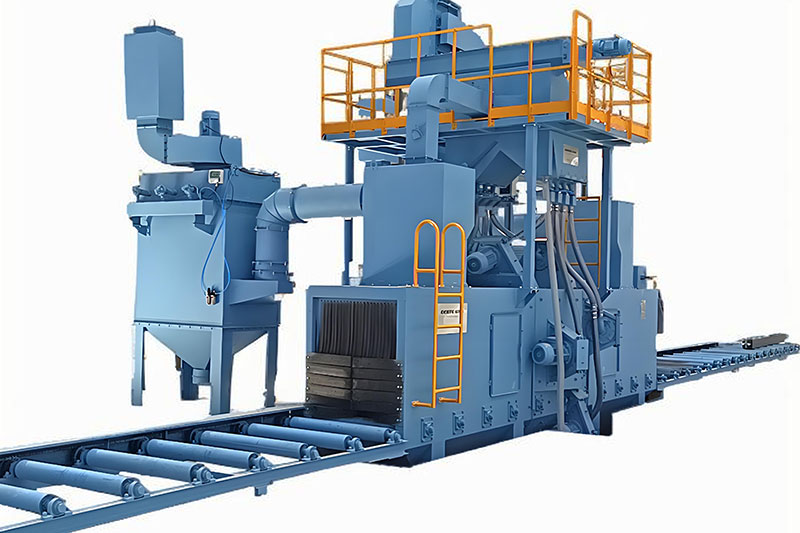
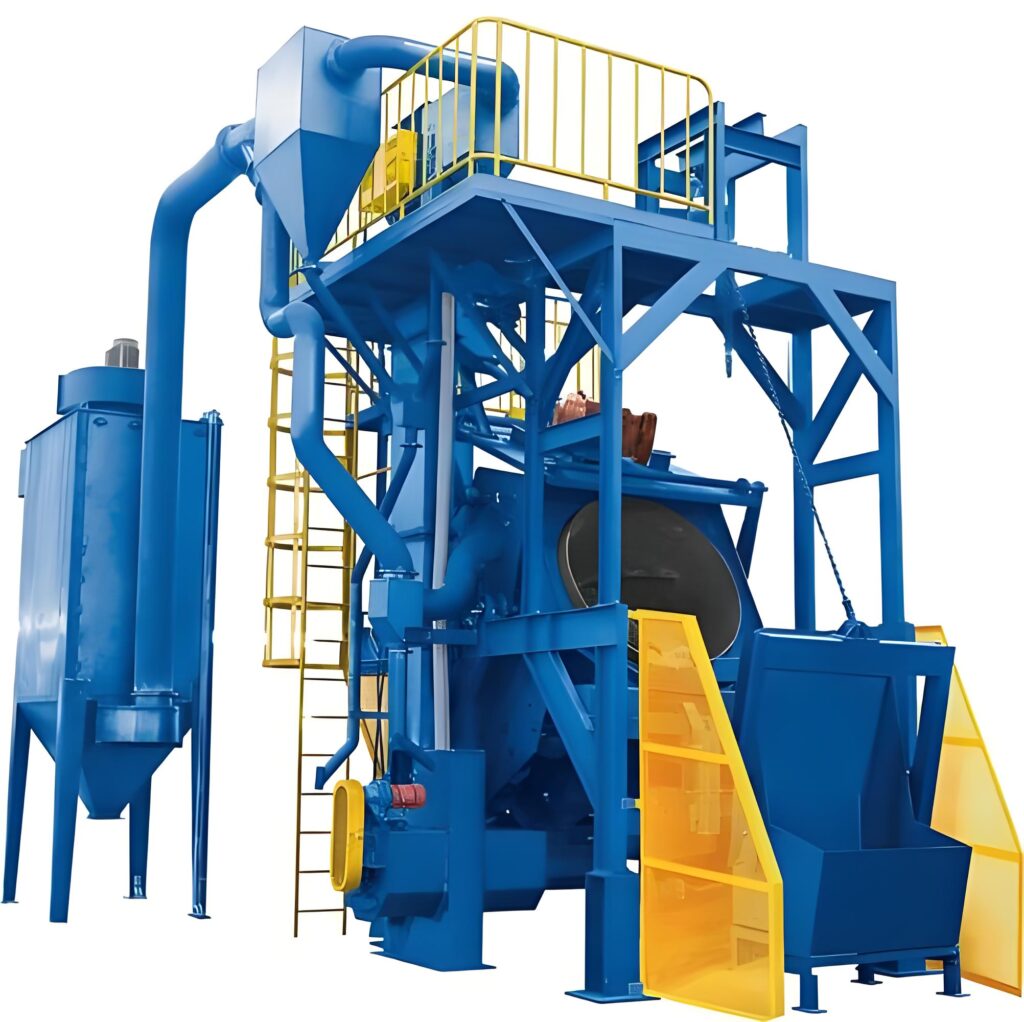
Reduce fire and exposure risk by auditing shot blasting machine setup, selecting low-friability media, and enforcing dust controls. Contact our company to evaluate your jato de roda and shot blaster processes and arrange a Customizable safety audit with OEM and Supplier coordination.
 Portuguese
  English
  Russian
  Spanish
  French
  Indonesian
  Thai
Thai