
Will the Quoted Equipment Price Leave Your Molding Project Unfinished?
A quotation may make a new molding line appear affordable, but the main unit is only the starting point. Factory renovations, electrical upgrades, dust removal, molds, installation, commissioning, and trial-run scrap can quickly consume the remaining budget. Without a complete cost plan, procurement may approve equipment that cannot be installed, tested, or operated on schedule.
The real budget should include the Equipamento de Moldagem, factory preparation, utilities, dust collection, molds, logistics, installation, commissioning, training, and trial production. Our company provides transparent, Customizable OEM and ODM proposals so buyers can estimate the complete investment required to produce the first qualified part.
The Quoted Main Unit Is Only One Part of the Investment
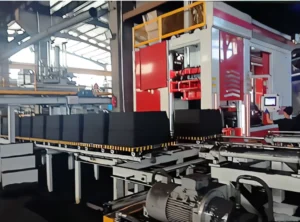
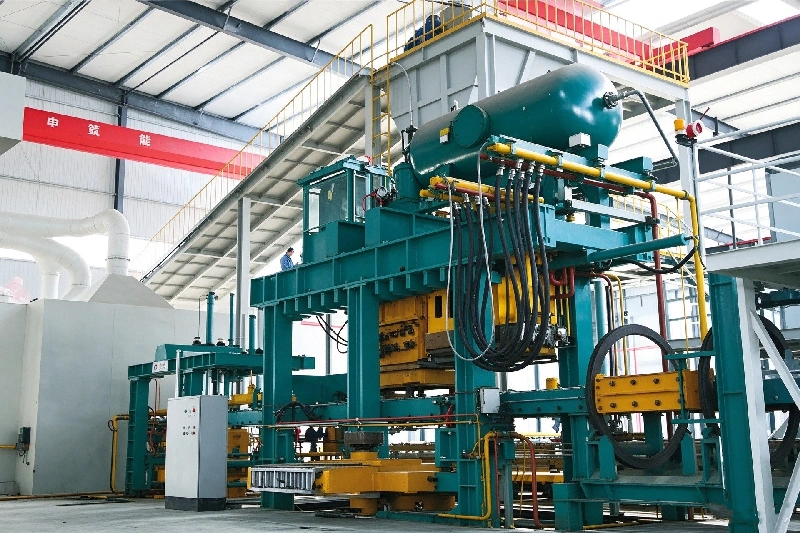
When comparing Suppliers, procurement teams often focus on the equipment price shown on the first page of the quotation. However, a linha de moldagem horizontal is a complete production system. Its total investment depends on whether the existing factory can support the required layout, power load, ventilation, material flow, and safety controls.
The final budget should separate the project into four categories:
- Main Equipamento de Moldagem and auxiliary machines
- Factory preparation and utility infrastructure
- Installation, commissioning, training, and acceptance
- Trial production, molds, consumables, and working capital
In many projects, these additional expenses can reach approximately one and a half times the quoted equipment price, depending on the factory condition, automation level, product range, and local installation requirements. This does not mean every project will have the same ratio. It means the equipment quotation should never be treated as the complete project budget.
Identify Costs That Are Not Included but Cannot Be Avoided
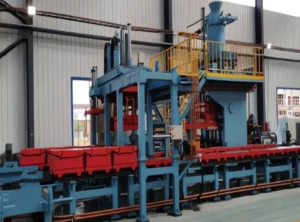
A professional Manufacturer should clearly state what is included and excluded. If the quotation only lists the main machine, the buyer must request a separate budget for every item required before production can begin.
Factory renovation and layout preparation
O molding line may require reinforced foundations, leveled floors, access routes, drainage, lighting, ventilation, fire protection, and space for material handling. Existing buildings may also need doors, platforms, barriers, or structural modifications to accommodate the equipment.
- Foundation and floor reinforcement
- Equipment placement and maintenance clearance
- Raw material, mold, and finished-part storage areas
- Forklift and crane access
- Operator walkways and safety barriers
- Drainage, lighting, ventilation, and fire-safety improvements
Electrical and utility infrastructure
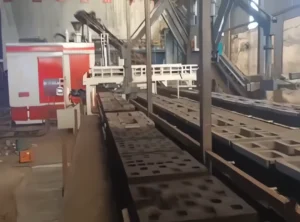
Electricity costs are not limited to the monthly energy bill. The factory may need new transformers, distribution cabinets, cables, grounding, compressed-air systems, cooling water, or backup capacity. The buyer should request the connected load and peak operating load from the Supplier before finalizing the plant layout.
A useful planning formula is:
Total electrical capacity = equipment connected load + auxiliary load + factory reserve capacity
The reserve should be confirmed by the local electrical engineer rather than guessed. Insufficient capacity can delay commissioning or cause unstable operation, while excessive capacity may create unnecessary infrastructure costs.
Budget for Dust Collection and Environmental Controls
Molding operations may generate dust, sand fines, fumes, noise, and waste material. Dust collection is therefore not an optional accessory. It may require hoods, ducts, fans, filters, control panels, discharge systems, and maintenance access.
| Área de custos | O que verificar | Budget impact |
| Recolha de poeira | Air volume, filtration method, duct length, discharge arrangement | Depends on equipment count, process points, and local emission requirements |
| Electrical system | Connected load, peak load, transformer, cables, grounding | Depends on existing factory capacity and utility distance |
| Factory renovation | Foundation, floor, access, drainage, ventilation, safety layout | Depends on building condition and equipment dimensions |
| Compressed air and cooling | Pressure, flow, water quality, cooling capacity | Depends on pneumatic and thermal requirements |
Ask the Manufacturer to provide airflow calculations, duct layouts, filter specifications, fan data, and emission-related documentation. A low initial quote that excludes dust removal may later require an expensive redesign after the equipment arrives.
Do Not Overlook Molds and Trial Production Scrap
Molds are often treated as a separate production expense, even though the molding line cannot generate saleable products without suitable tooling. The required budget depends on the number of product types, mold materials, expected service life, dimensional tolerance, changeover frequency, and whether the molds are new or transferred from another line.
Questions for mold budgeting
- How many product models will be produced?
- Will each model require dedicated tooling?
- Are existing molds compatible with the new Molding Equipment?
- What pattern, flask, box, or core dimensions are required?
- How often will mold changes occur?
- What spare molds or replacement components are recommended?
Trial production also creates unavoidable costs. During installation and commissioning, the line may consume sand, binders, metal, energy, cores, coatings, and labor before the first qualified product is approved. Some parts may require machining or inspection before the process is stable.
- Prepare trial materials and consumables.
- Run empty-machine tests and utility checks.
- Complete initial molding and casting trials.
- Inspect dimensions, surface quality, strength, and defects.
- Adjust process parameters and tooling.
- Repeat trials until the agreed acceptance criteria are met.
- Record scrap, rework, and consumable usage as project costs.
Clarify Installation and Commissioning Responsibilities
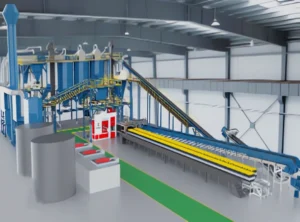
Installation and commissioning may be included, partially included, or excluded from the quotation. Buyers should never assume that a Supplier will provide free on-site service simply because the equipment is purchased from that company.
The contract should specify:
- Who pays for technician travel, accommodation, visas, and local transportation
- Who provides cranes, forklifts, rigging, tools, and temporary utilities
- Who installs electrical, pneumatic, hydraulic, and dust-collection connections
- How many technicians will attend and for how many working days
- Who provides operators, electricians, welders, and maintenance staff
- What happens if commissioning is delayed by incomplete factory preparation
- Which performance tests define successful acceptance
Installation costs may include both the Supplier’s service fee and the buyer’s local labor and infrastructure expenses. A complete quotation should identify these costs separately rather than hiding them inside a general service description.
Calculate the Cost From Contract Signing to the First Qualified Product
Procurement should prepare a project cash-flow schedule rather than approving only the machine purchase price. The following structure helps management understand when money will be required.
| Fase do projeto | Typical cost items | Procurement control point |
| Contract signing | Deposit, engineering, design confirmation, tooling planning | Confirm scope, exclusions, milestones, and payment conditions |
| Factory preparation | Foundation, renovation, electrical, ventilation, dust collection | Complete approved layout and utility calculations |
| Manufacturing and delivery | Balance payment, packing, freight, insurance, customs, unloading | Verify shipping scope and delivery responsibilities |
| Instalação | Technicians, local labor, lifting, connection, consumables | Confirm site readiness and installation schedule |
| Comissionamento | Training, trial materials, molds, adjustments, inspection | Define acceptance criteria and test records |
| First qualified product | Scrap, rework, inspection, process stabilization, spare parts | Reserve working capital until stable production begins |
The final project budget should include a contingency reserve approved by the finance and engineering teams. This reserve protects the project from unforeseen building conditions, utility changes, replacement parts, additional trials, or local compliance requirements.
Ask These Questions Before Comparing Supplier Quotations
To compare proposals fairly, buyers should request answers in writing. A low price is not meaningful if major obligations have been transferred to the customer without being disclosed.
- Does the price include the complete line or only the main machine?
- Which auxiliary machines, conveyors, controls, and safety devices are included?
- Are dust collection, ducting, filters, and emission-control components included?
- What electrical capacity, compressed-air pressure, and cooling utilities are required?
- Are molds, patterns, flasks, boxes, or tooling included?
- Who pays for installation, commissioning, travel, and local labor?
- How many trial runs are included before acceptance?
- Who pays for materials and scrap during trial production?
- What are the factory acceptance and site acceptance criteria?
- Which spare parts and consumables are included for the first operating period?
- What documentation, drawings, manuals, and training will be delivered?
- What costs may arise if the factory is not ready on the planned date?
Prepare the Full Budget Before Ordering the Line
Do not approve a Molding Equipment quotation until the complete investment is visible. Contact our team for a site-based assessment, transparent cost breakdown, and Customizable OEM or ODM solution for your linha de moldagem horizontal, including utilities, installation, commissioning, tooling, and startup planning.
 Portuguese
 English
 Russian
 Spanish
 French
 Indonesian
 Thai