
Poor dust collector debugging causes pollution and fines; master skills to ensure shot blasting machine compliance.
This guide details shot blasting machine dust collector debugging steps and environmental compliance tips, helping avoid pollution risks in shot blasting.
Explore below to master dust collector debugging and compliance for shot blaster.
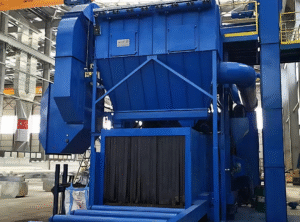
What Are the Key Steps to Debug Shot Blasting Machine Dust Collector?
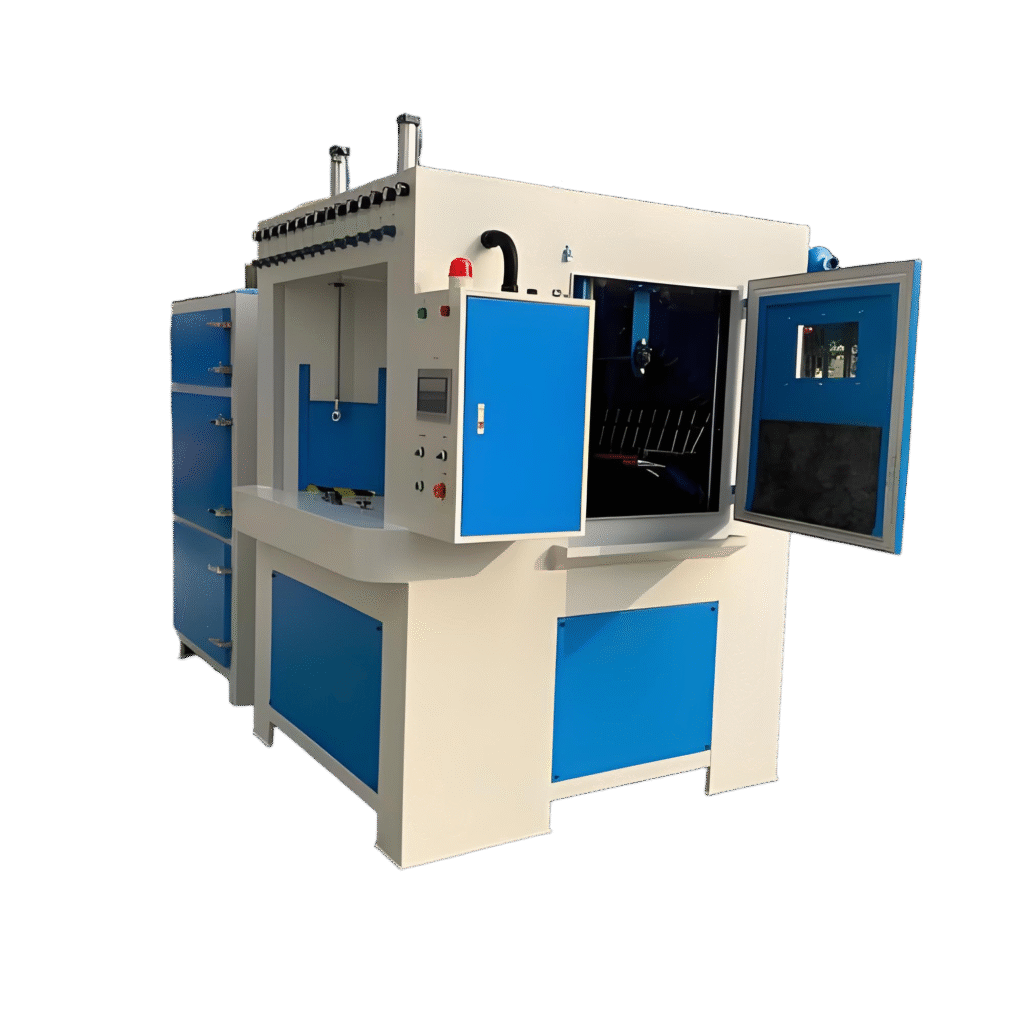
Debugging the dust collector is crucial for the normal operation of a shot blasting machine and ensuring clean shot blasting. First, pre-debugging inspection: Check if the dust collector’s components (filter cartridge/bag, fan, air duct, ash discharge device) are intact, free of loose connections or blockages. Verify that the mesin peledak dari dust duct is tightly connected to avoid air leakage, which reduces dust collection efficiency. Second, fan debugging: Start the fan and adjust its speed gradually—ensure the air volume meets the shot blasting machine’s dust emission requirements. Listen for abnormal noise from the fan; if there is vibration or noise, check if the impeller is stuck by debris or if the bearing lacks lubrication. Third, filter debugging: For cartridge/bag filters, test the pulse cleaning system—adjust the cleaning interval and air pressure to ensure filters are not clogged. Check the filter’s sealing performance; any air leakage will cause dust to escape during shot blasting. Fourth, ash discharge system debugging: Ensure the ash discharge device (screw conveyor, ash bucket) operates smoothly, avoiding dust accumulation. After debugging, run the shot blasting machine for 30 minutes to test dust collection effect and make fine adjustments. These steps ensure the dust collector works efficiently with the shot blaster.
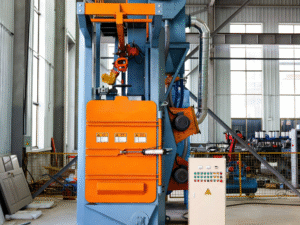
What Common Issues Occur During Dust Collector Debugging of Shot Blasting Machine?
During shot blasting machine dust collector debugging, several common issues may affect efficiency and compliance, requiring targeted solutions. First, insufficient dust collection: This is usually caused by air leakage in the duct or insufficient fan air volume. Seal the duct joints with sealant and increase the fan speed appropriately. Second, frequent filter clogging: It may result from damp dust or improper cleaning parameters. Replace damp filters and adjust the pulse cleaning interval to 10-15 seconds. Third, fan overheating: Overheating is often due to excessive load or blocked air ducts. Clean the air duct and reduce the fan speed to a reasonable range. Fourth, ash discharge blockage: This is caused by excessive dust accumulation in the ash bucket. Clean the ash bucket in time and check if the ash discharge device is worn. Fifth, dust emission exceeding standards: It may be due to damaged filters or improper fan adjustment. Replace damaged filters and re-calibrate the fan speed. Addressing these issues promptly ensures the shot blasting machine’s dust collector memenuhi persyaratan desain untuk peledakan pasir.
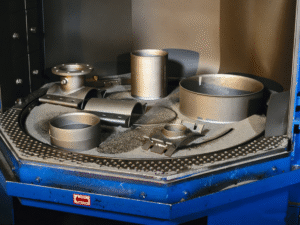
Bagaimana Mencapai Kepatuhan Lingkungan untuk Pengumpul Debu Mesin Peledakan Pasir?
Mencapai kepatuhan lingkungan untuk pengumpul debu mesin peledakan pasir adalah kewajiban untuk operasi peledakan pasir, menghindari denda dan polusi. Pertama, pilih peralatan yang sesuai: Pilih pengumpul debu yang memenuhi standar lingkungan setempat (misalnya, konsentrasi emisi debu ≤10mg/m³) dan cocok dengan output debu dari peledak pasir. Pilih filter efisiensi tinggi (filter HEPA) untuk meningkatkan efisiensi penghilangan debu. Kedua, standar kan operasi debugging: Ikuti langkah-langkah debugging secara ketat untuk memastikan volume udara pengumpul debu, tekanan negatif, dan efisiensi penghilangan debu memenuhi persyaratan. Lakukan uji emisi debu setelah debugging; jika melebihi standar, segera sesuaikan parameter. Ketiga, pemeliharaan rutin: Bersihkan atau ganti filter pengumpul debu secara berkala (setiap 3-6 bulan untuk mesin peledakan pasir yang digunakan terus-menerus) dan periksa kipas, saluran udara dan perangkat pembuangan abu. Penggantian bagian yang aus secara tepat waktu mencegah kebocoran debu. Keempat, optimalkan proses peledakan pasir: Kurangi produksi debu dengan menggunakan abrasif rendah debu dan mengontrol intensitas peledakan pasir dari peledak pasir. Jaga area peledakan pasir tetap tertutup untuk menghindari difusi debu. Kelima, buat catatan pemantauan: Uji emisi debu secara berkala dan catat debugging, pemeliharaan, dan data uji untuk memenuhi persyaratan inspeksi lingkungan.
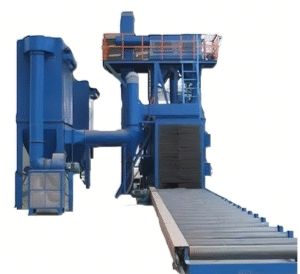
Apa Tindakan Pencegahan yang Harus Diambil Selama Debugging Pengumpul Debu Mesin Peledakan Pasir?
Mengambil langkah-langkah pencegahan yang tepat selama debugging pengumpul debu mesin peledakan pasir memastikan keamanan dan efektivitas debugging. Pertama, perlindungan keamanan: Operator harus mengenakan masker debu, kacamata dan pakaian pelindung untuk menghindari inhalasi debu selama debugging. Jangan buka pengumpul debu atau saluran udara saat peledak pasir beroperasi. Kedua, keselamatan daya: Cmatikan daya mesin peledakan pasir sebelum memeriksa pengumpul debu untuk mencegah startup yang tidak disengaja. Ketiga, operasi bertahap: Jangan terburu-buru untuk mengatur beberapa parameter sekaligus; debug kipas, filter, dan sistem pembuangan abu satu per satu untuk menghindari kebingungan sistem. Keempat, operasi profesional: Debugging harus dilakukan oleh teknisi profesional yang familiar dengan peledak pasir dan struktur pengumpul debu. Hindari operasi tanpa izin untuk mencegah kerusakan perangkat. Kelima, perlindungan lingkungan: Kumpulkan dan buang debu yang dibersihkan selama pemecahan masalah dengan benar, jangan buang secara sembarangan untuk menghindari pencemaran sekunder.. Mematuhi langkah-langkah pencegahan ini memastikan pemecahan masalah yang aman, efisien, dan kepatuhan lingkungan dari mesin peledakan.
Kesimpulan
Tips pemecahan masalah dan kepatuhan pengumpul debu untuk peledakan aman dan ramah lingkungan.
Surel:[email protected]
 Indonesian
  English
  Russian
  Spanish
  Portuguese
  French
  Thai
Thai