Excessive shot blaster noise and vibration cause hazards; targeted solutions ensure safe, compliant operations.
This guide details practical noise and vibration reduction solutions for shot blasters, optimizing shot blasting environments in industrial settings.
Explore core measures to control shot blaster noise and vibration below.
What Structural Improvements Can Reduce Shot Blaster Noise and Vibration?
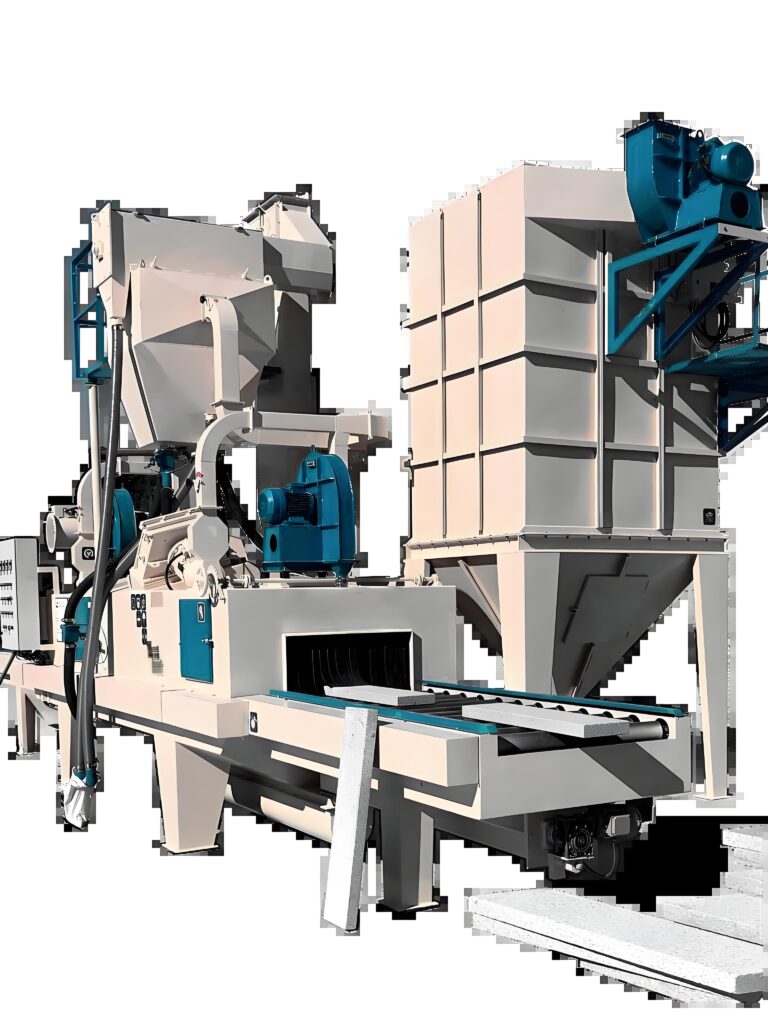
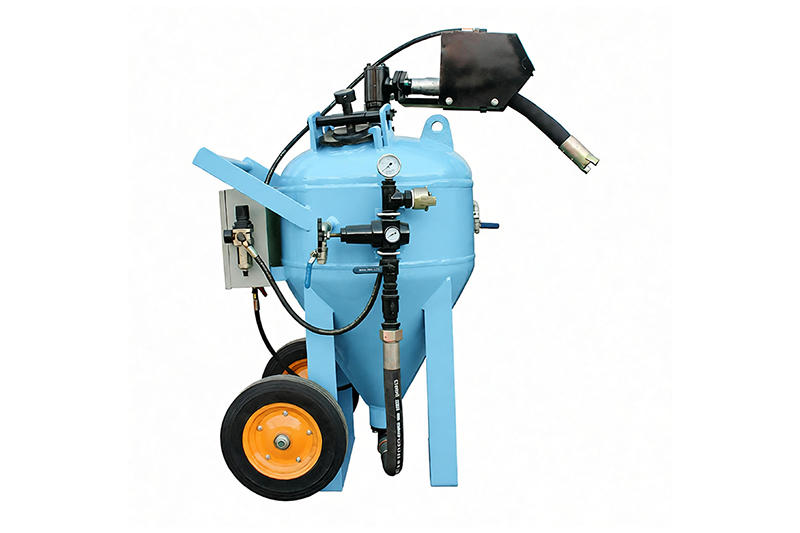
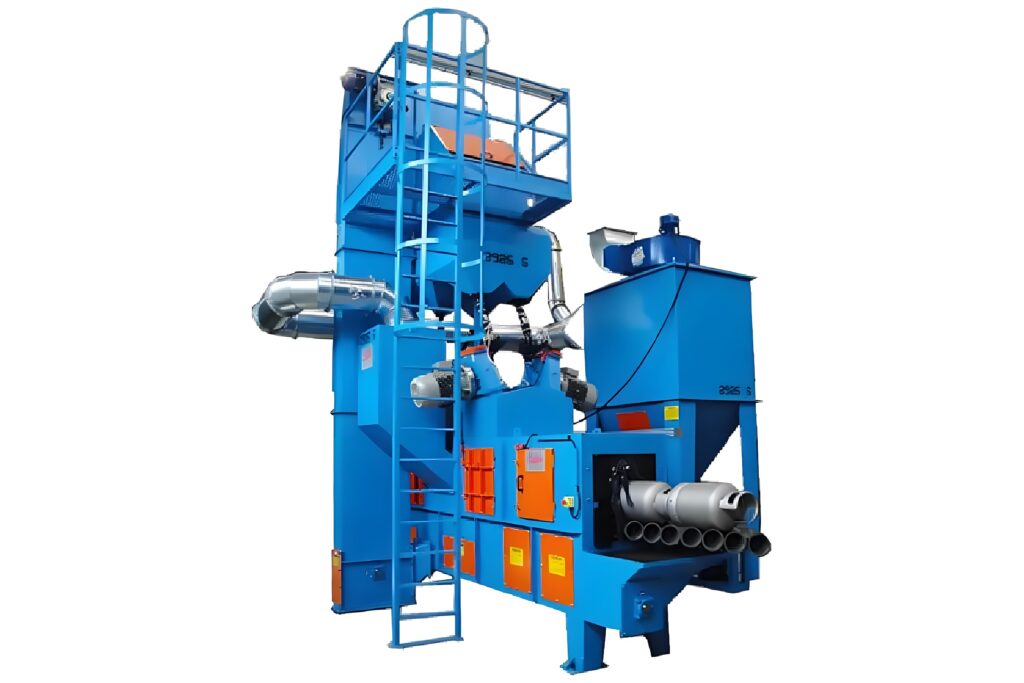
Structural optimization is the foundational step to cut noise and vibration of shot blasters during shot blasting operations. First, upgrading the shot blaster’s shell with sound-insulating and shock-absorbing materials is critical—adopting double-layer steel plates filled with sound-absorbing cotton can block noise generated by abrasive impact and motor operation by 30-40%. Second, reinforcing the shot blaster’s base with vibration-damping steel and rubber shock absorbers can isolate vibration transmission to the ground, preventing resonance with workshop buildings. For the shot blaster’s impeller head, replacing traditional rigid blades with flexible wear-resistant ones can reduce the collision noise between blades and abrasives, while optimizing the impeller speed to match abrasive flow rate minimizes vibration caused by unbalanced rotation. Additionally, installing soundproof enclosures around the shot blaster’s key noise sources (such as motors and abrasive hoppers) can further contain noise diffusion. These structural improvements not only lower noise and vibration levels but also extend the service life of the shot blaster by reducing mechanical wear during shot blasting.
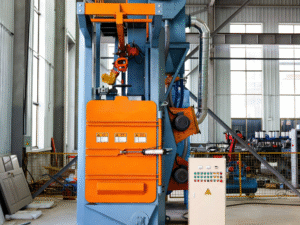
What Process Adjustments Optimize Shot Blasting to Cut Noise and Vibration?
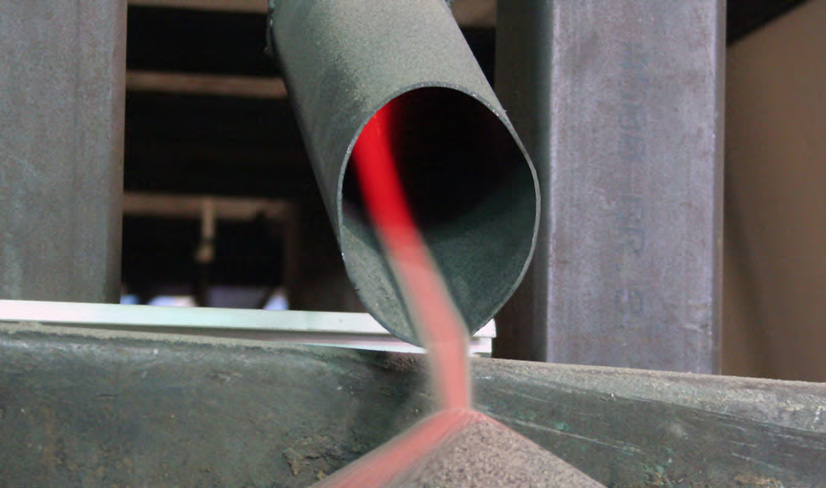
Adjusting shot blasting process parameters is a cost-effective way to reduce noise and vibration of shot blasters without major equipment modifications. First, optimizing abrasive selection plays a vital role—choosing spherical steel shots instead of angular steel grit can decrease impact noise by 15-20% during shot blasting, as spherical abrasives have smoother contact with workpiece surfaces and the shot blaster’s inner walls. Second, controlling the shot blasting intensity and abrasive flow rate is essential—overloading the shot blaster with excessive abrasives will cause severe internal friction and vibration, so operators should adjust the flow rate according to workpiece size and rust removal requirements. Third, adopting intermittent shot blasting modes for large workpieces can avoid continuous high-intensity operation of the shot blaster, reducing cumulative vibration damage to the equipment and workshop structures. Moreover, synchronizing the shot blaster’s operation with dust removal systems can ensure stable air pressure inside the machine, preventing noise spikes caused by air turbulence during shot blasting. These process adjustments are easy to implement and can quickly improve the shot blasting environment while maintaining processing efficiency.
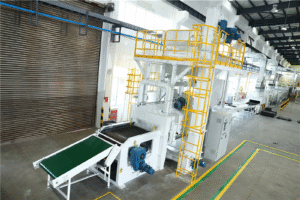
What Auxiliary Measures Can Enhance Shot Blaster Noise and Vibration Control?
Auxiliary measures complement structural and process improvements to achieve comprehensive noise and vibration control for shot blasters in industrial shot blasting scenarios. First, setting up dedicated shot blasting zones with soundproof walls and vibration-isolating floors can isolate the shot blaster’s noise and vibration from other workshop operations, protecting workers outside the zone from noise exposure. Second, installing noise and vibration monitoring devices near the shot blaster can track real-time data during shot blasting, allowing operators to adjust parameters promptly if levels exceed industrial standards. Third, regular maintenance of the shot blaster is indispensable—lubricating rotating components (such as bearings and impellers) on schedule reduces friction-induced vibration and noise, while replacing worn parts in time prevents abnormal operation that exacerbates noise and vibration. Additionally, providing workers with noise-canceling headphones and vibration-damping gloves can reduce occupational health risks while the shot blaster is running. These auxiliary measures, combined with structural and process optimizations, create a safe, compliant, and comfortable working environment for shot blasting operations.
Conclusion
Structural, process and auxiliary measures reduce shot blaster noise and vibration.