
Why Most Buyers Fail to Secure Fair Blasting Equipment Pricing in Cross-Border Deals
Most global industrial buyers struggle with unbalanced pricing negotiations when sourcing industrial surface treatment equipment. Many inexperienced purchasers only focus on unit prices while ignoring hidden cost factors, customized modifications, and after-sales bundling terms. This common negotiation flaw leads to hidden surcharge fees, downgraded core components, unhonored Customizable agreements, and inflated long-term operational costs, causing irreversible profit losses for foundry and metal finishing enterprises of all scales.
Successful price negotiation requires verified Supplier transparency, standardized equipment quoting, and flexible OEM & ODM pricing rules. As a professional Manufacturer with 20-year export experience, we deliver fair, itemized quotations for all Blasting Machine models.
Most suppliers disguise premium and low-end configurations with identical generic quotes. Below, we unpack insider pricing logic, negotiation tactics, and risk-avoidance rules to help you lock in cost-effective deals.
Core Factors That Determine Blasting Machine Quotation Differences
To negotiate prices professionally, buyers must first understand why identical-spec Blasting Machine models show huge quotation gaps across different suppliers. Most surface treatment equipment pricing is not based on superficial appearance, but on internal core configurations, production standards, and service packages. Blind price comparison without configuration verification is the biggest procurement mistake for cross-border buyers.
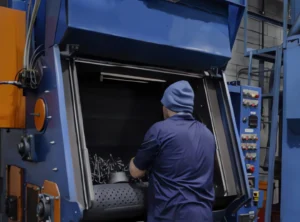
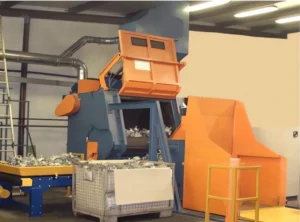
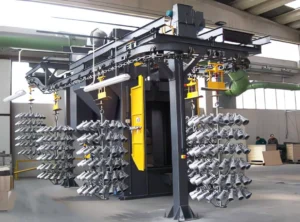
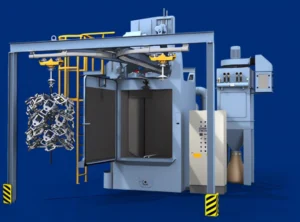
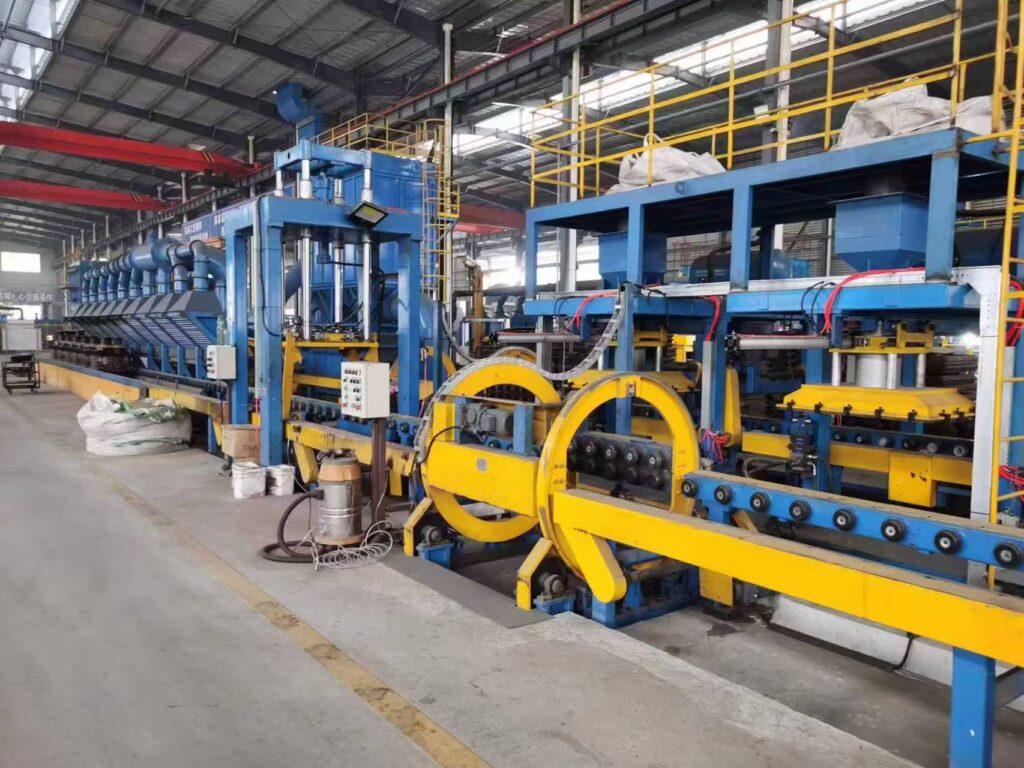
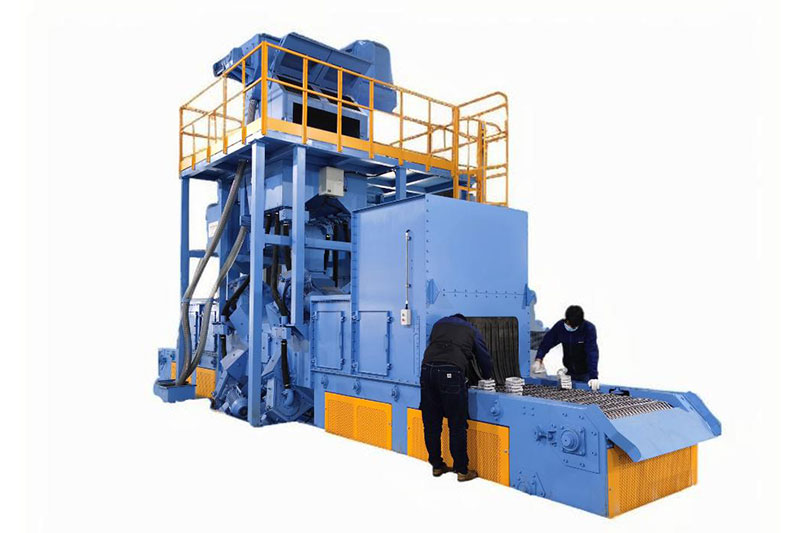
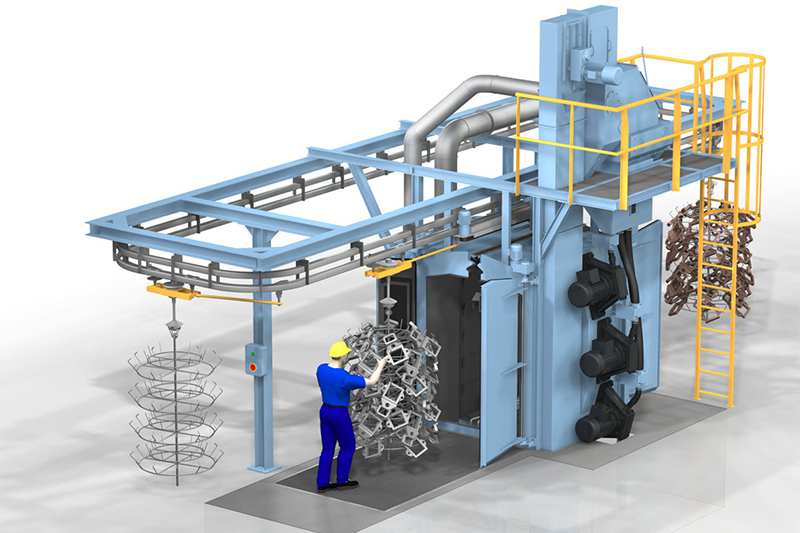
Different types of equipment including the shot blasting machine and Wheel Blasting Machine have unique cost structures. A standard Wheel Blast system relies on high-precision blast wheels, recycled abrasive systems, and sealed dust removal modules, which occupy over 60% of the total manufacturing cost. Low-cost Supplier vendors often replace imported core parts with inferior domestic accessories to lower quotations, seriously reducing equipment stability and service life.
In addition, Customizable functions directly affect final pricing. Basic Blasting Machine with fixed specifications has the lowest entry cost, while tailored OEM branding, ODM structural optimization, voltage conversion, and workshop layout adaptation will generate incremental manufacturing expenses. Professional Manufacturer teams provide itemized quotation lists to clarify every customized charge, avoiding arbitrary hidden fees common with trading suppliers.
Why Generic Low-Price Deals Cause Long-Term Financial Risks
Many buyers prioritize low upfront prices and sign deals with unvetted suppliers, mistakenly believing they have obtained cost-effective equipment. In fact, low-budget Blasting Machine orders always come with hidden commercial risks that far exceed initial savings. This explains why long-term procurement ROI is far more important than one-time low quotations in industrial equipment sourcing.
- Component Downgrade Risk: Unqualified suppliers downgrade wear-resistant liners, blast wheel bearings, and dust purification systems on shot blasting machine and Wheel Blasting Machine units. These inferior parts wear out rapidly, leading to frequent shutdowns and high replacement costs within one year of operation.
- Customization Default Risk: Many trading suppliers promise free Customizable OEM and ODM upgrades to win orders, but simplify functional modules after receiving deposits, resulting in equipment failing to meet production demands.
- Compliance Cost Risk: Low-priced equipment often lacks complete ISO9001 quality certificates and CE safety certifications, triggering customs detention, fines, and forced returns during cross-border transportation.
- After-Sales Blank Risk: Cheap orders exclude remote debugging, spare parts supply, and technical training services, leaving buyers helpless when equipment malfunctions.
Data from our 20-year export records shows that low-price unstandardized Blasting Machine purchases increase comprehensive operational costs by 25%–35% annually. Negotiation success does not mean squeezing the lowest price, but eliminating hidden charges and configuration downgrades while locking in complete service guarantees.
Standard Price Breakdown for Mainstream Blasting Equipment Models
Professional negotiation requires clear cost cognition. The following table sorts out the standard pricing composition and configuration differences of mainstream Wheel Blasting Machine products, helping buyers accurately judge quotation rationality and avoid supplier false pricing traps:
| Equipment Type | Core Cost Proportion | Standard Customizable Scope | Common Hidden Charges |
| Ordinary Shot Blasting Machine | 65% core parts + 20% assembly + 15% service | OEM logo, color, basic parameter tuning | Freight fees, basic training fees |
| Wheel Blasting Machine / Wheel Blast System | 75% precision components + 15% debugging + 10% service | Full ODM structural & automated upgrade | Dust removal module upgrade fees |
| Customized Blasting Machine | 50% standard body + 30% customization + 20% testing | Full Customizable workshop adaptation | Drawing modification & trial run fees |
Through this breakdown, buyers can clearly identify unreasonable quotation items during negotiation. Reliable Manufacturer teams never charge separate fees for basic OEM modifications and routine technical guidance, while unprofessional suppliers split service items to create additional hidden profits.
Step-by-Step Professional Negotiation Tactics for Blasting Machine Orders
Based on decades of cross-border negotiation experience, we have summarized a complete set of standardized negotiation processes suitable for Shot Blasting Machine procurement. These step-by-step tactics help buyers suppress inflated quotations, standardize contract terms, and lock in legitimate profit space without compromising equipment quality:
- Request Itemized Quotation First: Reject all vague one-line quotations. Ask the Supplier to list core configuration brands, component parameters, customization fees, logistics costs, and after-sales items in detail to prevent configuration downgrades.
- Verify Customization Quotation Rationality: For Customizable OEM and ODM demands, compare multiple manufacturer cases to confirm whether the modification fee matches the actual workload, avoiding excessive premium charges for simple upgrades.
- Bind Compliance Certification in Quotation: Clearly require valid certification documents to be included in the order without extra fees, eliminating hidden customs clearance risks.
- Negotiate Bulk & Long-Term Discounts: For repeated orders and batch procurement, apply for exclusive agent discounts and free spare parts benefits, which is the core advantage of cooperating directly with a professional Manufacturer.
- Lock After-Sales Terms in Price Clauses: Negotiate free remote debugging, warranty period extension, and low-cost spare parts supply to reduce long-term operating costs.
The core of high-level negotiation is not blind price reduction, but value matching. Skilled purchasers use configuration verification and term binding to ensure every penny of procurement budget is invested in effective equipment performance and service support.
How to Distinguish Reliable Manufacturers From Resellers During Negotiation
Supplier nature directly determines negotiation space and post-order reliability. Most trading resellers have fixed profit margins and cannot provide flexible Customizable solutions or price adjustments, while direct Manufacturer suppliers have controllable production costs and adjustable service policies, supporting more flexible negotiation strategies.During negotiations, buyers can quickly screen qualified partners through three key details.
- First, professional manufacturers can provide real-time workshop production videos and equipment test data for shot blasting machine and Wheel Blast products, while resellers can only provide fixed official materials.
- Second, manufacturers support flexible ODM structural adjustments and personalized scheme optimization according to buyer demands.
- Third, direct manufacturers can adjust pricing flexibly based on order quantity and cooperation cycle, providing long-term price protection for stable cooperative clients.
In contrast, resellers cannot optimize production links, so their negotiation space is extremely limited, and they often sacrifice equipment quality to meet low-price demands.
Common Negotiation Traps to Avoid in Blasting Equipment Sourcing
In cross-border Blasting Machine procurement, many supplier-designed negotiation traps lead to passive buyer situations.
- The first trap is “low upfront price + high hidden fee”, where suppliers offer low equipment quotes but charge high fees for customization, debugging, and certification documents separately.
- The second trap is “false customization commitment”. Many suppliers claim full Customizable OEM and ODM support to close deals quickly, but fail to deliver modified functions after payment, resulting in equipment incompatibility with production lines.
- The third trap is “ambiguous warranty terms”, with verbal promises of long-term warranty without written contract binding.
The most effective avoidance method is to attach all negotiated configuration parameters, customization contents, certification standards, and after-sales clauses as formal contract attachments. Strictly implementing contract milestone audit can eliminate almost all negotiation and post-order risks.
Master professional negotiation skills to obtain high-value Blasting Machine deals with zero hidden risks. Contact our team for transparent itemized quotes, Customizable OEM/ODM solutions, and sincere factory pricing today.
 English
  Russian
  Spanish
  Portuguese
  French
  Indonesian
  Thai
Thai