Traditional sand blasters cause pollution; green sand blasting machines meet environmental and safety demands.
This guide analyzes the low-dust and low-noise development trend of green sand blaster machines, adapting to modern industrial environmental standards.
Explore core technologies and future directions of green sand blaster machines below.
What Low-Dust Technologies Drive the Development of Green Sand Blasting Machines?
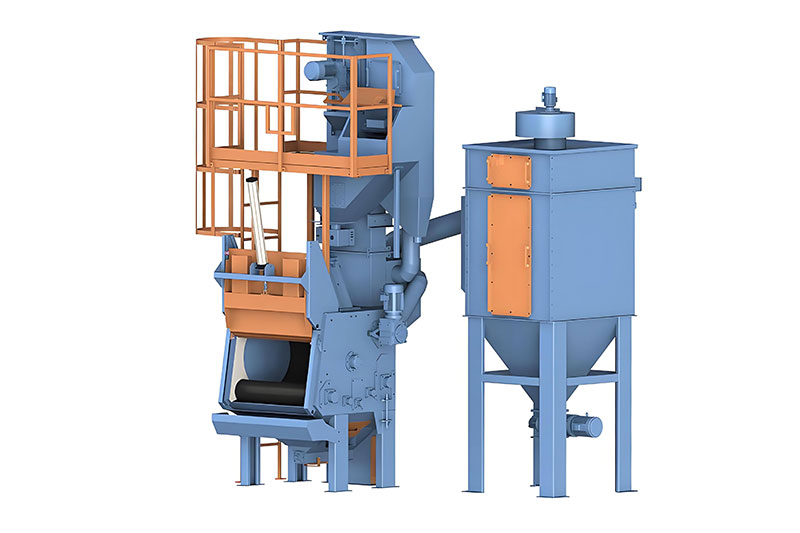
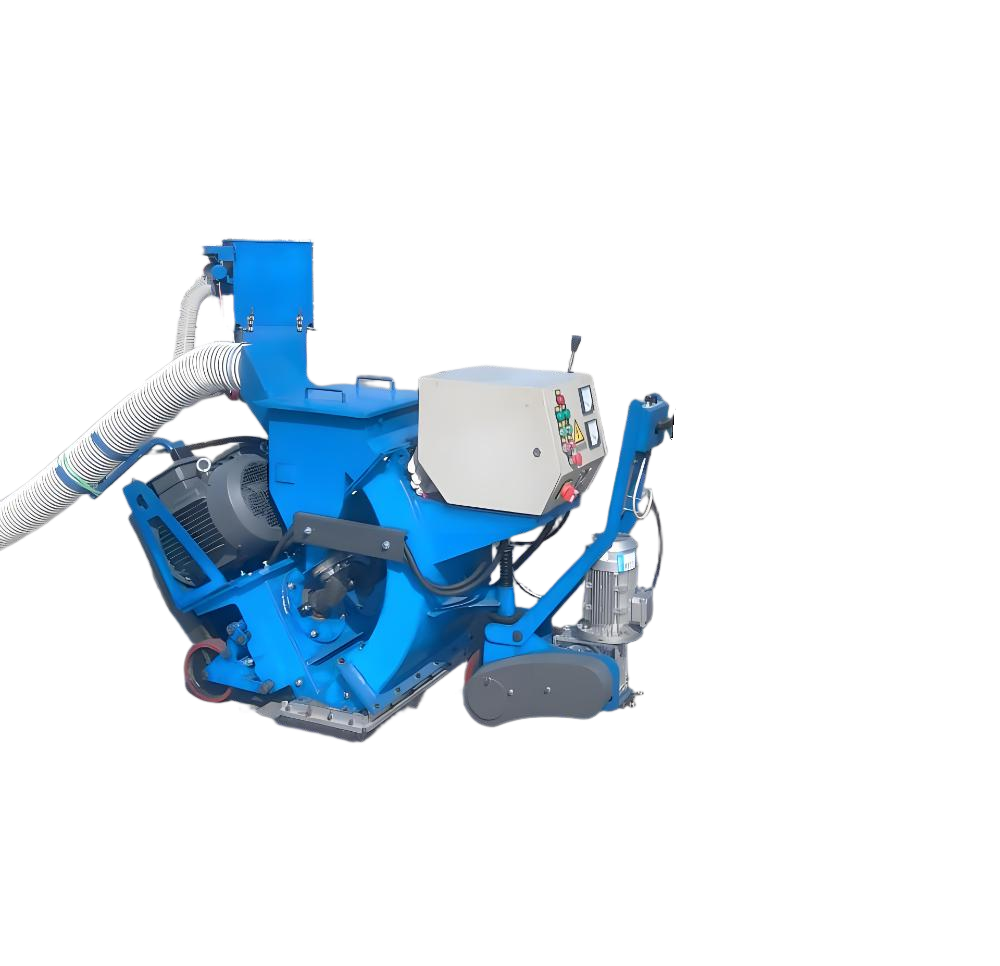
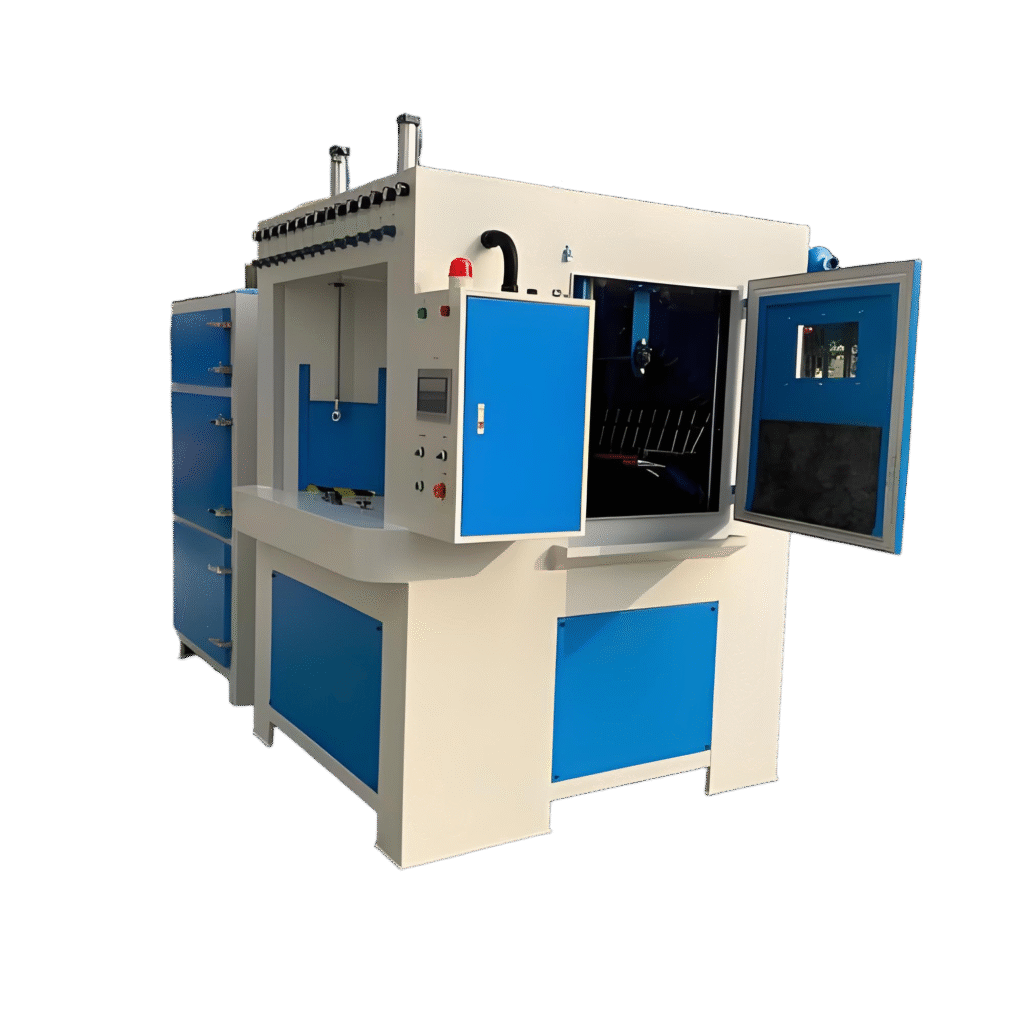
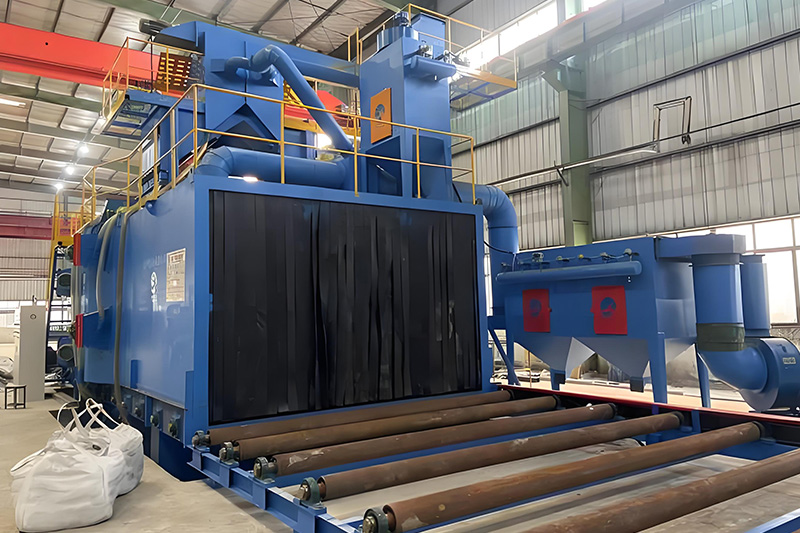
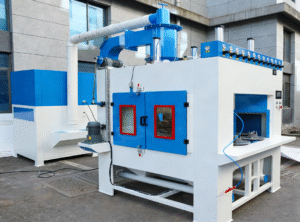
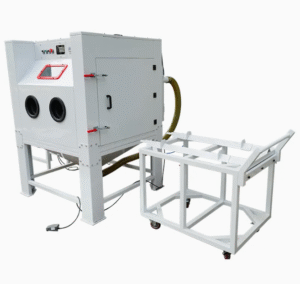
Low-dust technology is the core of green sand blaster machines, addressing the biggest pollution problem of traditional equipment. Advanced green sand blasting machines integrate multi-stage dust removal systems: primary cyclone separators capture large abrasive particles, while secondary HEPA filters trap fine dust (PM2.5 and below), achieving over 99% dust removal efficiency. Some models adopt closed-loop abrasive circulation systems, preventing dust leakage by recycling abrasives inside the sand blaster machine. Wet sand blasting technology is also widely applied—mixing abrasives with water reduces dust emission by 80% compared to dry sand blasters, while maintaining cleaning efficiency. Additionally, sealed nozzles and soundproof enclosures further contain dust, ensuring the sand blaster machine operates in a low-dust environment that meets industrial emission standards and protects workers’ health.
How Are Green Sand Blasting Machines Optimized for Low-Noise Performance?
Low-noise optimization is another key trend of green sand blaster machines, solving occupational noise hazards. Structural improvements include using sound-insulating materials (such as damping steel and sound-absorbing cotton) for the machine shell, reducing noise transmission by 30-40%. Optimized impeller and nozzle designs minimize vibration and airflow turbulence, which are the main noise sources of sand blaster machines. Variable frequency drives (VFDs) adjust motor speed according to workload, avoiding high noise from constant high-speed operation. Some high-end green sand blaster machines are equipped with noise-canceling devices, further reducing operational noise to below 75 decibels—meeting occupational health standards. These optimizations ensure the sand blaster machine operates quietly without compromising cleaning performance, improving the workshop working environment.
What Is the Future Development Direction of Green Sand Blasting Machines?
The future of green sand blaster machines leans toward intelligent integration and environmental efficiency. Manufacturers will combine low-dust low-noise technologies with IoT monitoring, allowing real-time tracking of dust, noise, and energy consumption. Energy-saving motors and renewable energy-powered sand blaster machines will become mainstream, reducing carbon emissions. Biodegradable abrasives will replace traditional ones, achieving full-cycle environmental protection from operation to waste disposal. Modular design will enable customized combinations of dust removal, noise reduction, and cleaning functions, adapting to diverse industrial scenarios. As environmental policies tighten, green sand blaster machines will replace traditional equipment, becoming the standard for surface treatment, balancing efficiency, safety, and sustainability.
Conclusion
Low-dust low-noise technologies lead the green sand blaster development trend.