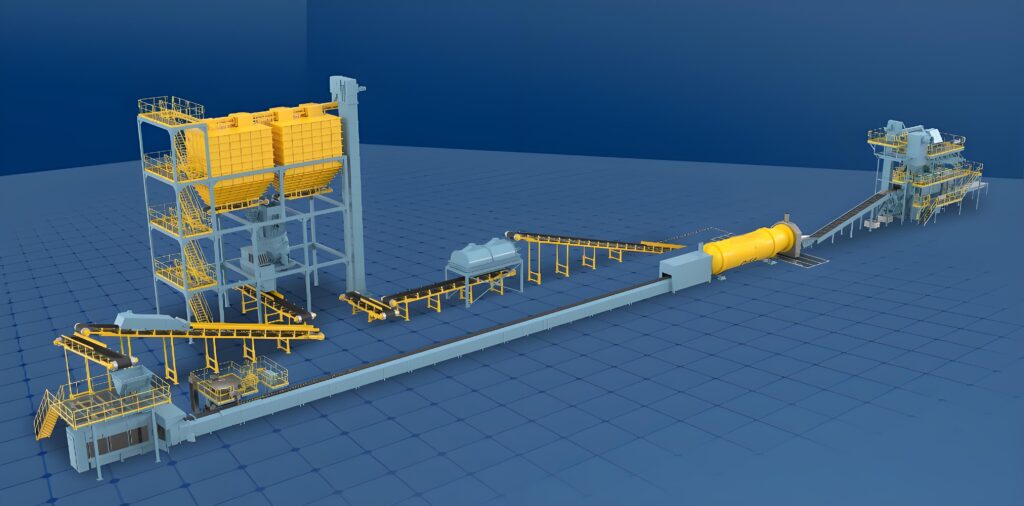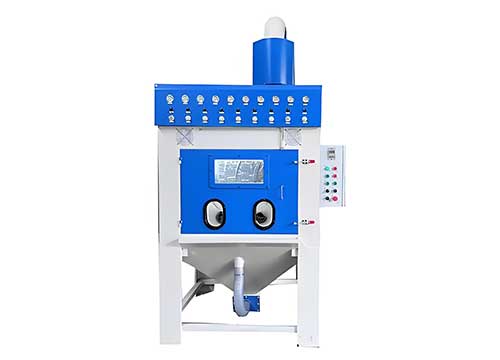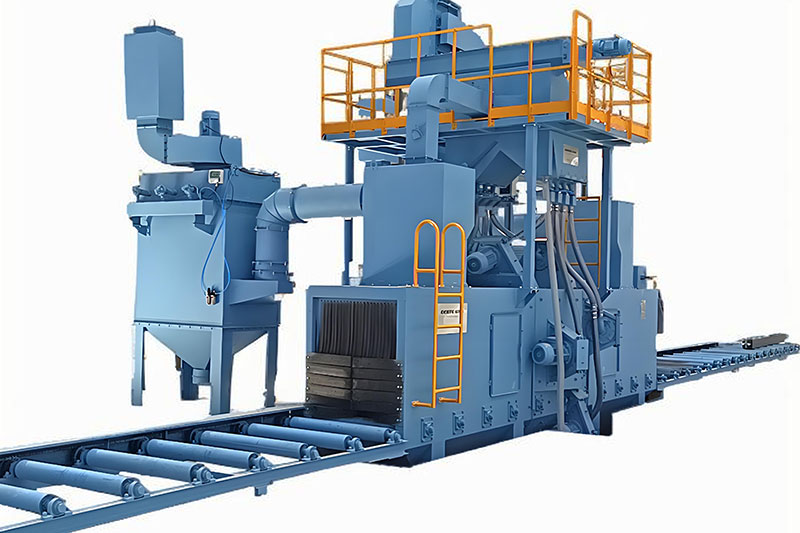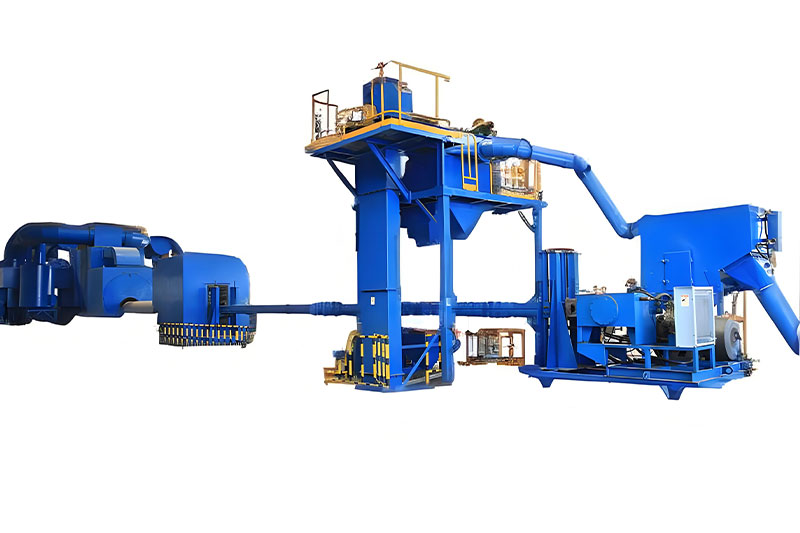
Improper horizontal molding parameters cause iron casting defects; master key parameters for stable horizontal iron casting molding line.
This guide details key parameters affecting horizontal molding quality in iron casting, ensuring stable operation of horizontal iron casting molding line.
Explore each key parameter of horizontal molding and horizontal iron casting molding line below.
Parameter 1: Molding Sand Quality—Foundation of Horizontal Molding Quality
Molding sand quality is the most basic key parameter affecting the quality of horizontal molding in iron casting production, directly determining the stability of the horizontal iron casting molding line.
- The horizontal iron casting molding line relies on high-quality molding sand to form precise, durable molds for horizontal molding, as poor sand quality leads to common defects like sand holes, scabs, and mold collapse. Key indicators of molding sand quality for horizontal molding include permeability, strength, viscosity, and temperature—each must be strictly controlled to match the requirements of the horizontal iron casting molding line.
- For horizontal molding, the molding sand must have sufficient permeability to allow gas generated during iron casting to escape, preventing porosity in castings. It must also have appropriate strength to withstand the pressure of molten iron without deformation, a critical factor for the horizontal iron casting molding line’s continuous operation.
The horizontal iron casting molding line is equipped with sand mixing equipment to adjust these parameters, ensuring the molding sand is uniform and meets horizontal molding standards. Neglecting molding sand quality will disrupt the horizontal iron casting molding line, reduce horizontal molding efficiency, and increase casting rejection rates, making it a non-negligible parameter for iron casting production.
Parameter 2: Sand Compaction Pressure—Critical for Horizontal Molding Precision
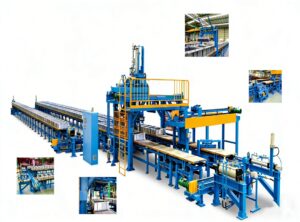
Sand compaction pressure is another core parameter affecting horizontal molding quality, directly influencing the dimensional accuracy and surface finish of iron castings produced by the horizontal iron casting molding line.
- The horizontal iron casting molding line uses precise pressure control to compact molding sand into molds during horizontal molding—insufficient pressure leads to loose molds, which collapse under molten iron pressure, causing casting deformation.
- Excessive pressure, on the other hand, makes the sand mold too dense, reducing permeability and leading to gas defects. The optimal compaction pressure for horizontal molding varies based on casting size, complexity, and sand type, and the horizontal iron casting molding line is designed to adjust this parameter flexibly. For small, precision iron castings, the horizontal iron casting molding line uses lower pressure to avoid sand mold damage; for large, thick-walled castings, higher pressure ensures mold stability.
The horizontal molding process relies on consistent compaction pressure across the entire mold, which the horizontal iron casting molding line achieves through automated pressure sensors. Controlling sand compaction pressure effectively ensures horizontal molding produces high-precision iron castings and maintains the horizontal iron casting molding line’s stable operation.
Parameter 3: Mold Temperature—Ensuring Stable Horizontal Molding and Casting Formation
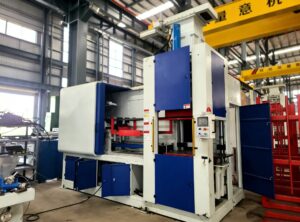
Mold temperature is a key parameter that directly affects the solidification process of molten iron and the quality of horizontal molding in iron casting production, closely related to the horizontal iron casting molding line’s efficiency.
- The horizontal iron casting molding line must maintain a stable mold temperature during horizontal molding to avoid defects like cold shuts, shrinkage, and cracks. If the mold temperature is too low, molten iron solidifies too quickly, leading to incomplete filling and cold shuts; if too high, solidification is delayed, causing shrinkage holes and deformation.
- The horizontal iron casting molding line is equipped with temperature control systems to adjust mold temperature according to horizontal molding requirements—preheating the mold to an optimal range before casting ensures uniform solidification.
- For horizontal molding of complex iron castings, the horizontal iron casting molding line uses localized temperature control to address different cooling rates in various mold areas.
Maintaining proper mold temperature not only improves horizontal molding quality but also extends the service life of the horizontal iron casting molding line’s mold components, reducing maintenance costs and ensuring continuous production.
Parameter 4: Pouring Temperature and Speed—Key to Horizontal Molding Success
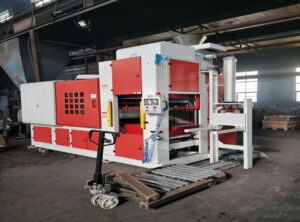
Pouring temperature and speed are critical parameters affecting horizontal molding quality, as they determine how molten iron fills the mold in the horizontal iron casting molding line.
- The horizontal iron casting molding line relies on precise control of these two parameters to ensure complete, uniform filling without defects. Pouring temperature for horizontal molding must be high enough to keep molten iron fluid but not so high that it causes mold erosion or casting oxidation.
- The optimal temperature varies based on iron casting composition and size, and the horizontal iron casting molding line is calibrated to maintain this temperature consistently. Pouring speed is equally important: too fast, and molten iron splashes, causing sand erosion and uneven filling; too slow, and molten iron solidifies prematurely, leading to incomplete castings.
The horizontal iron casting molding line uses automated pouring systems to control speed, matching it to the mold’s gating system and horizontal molding requirements. Proper coordination of pouring temperature and speed ensures horizontal molding produces defect-free iron castings and maximizes the horizontal iron casting molding line’s productivity.
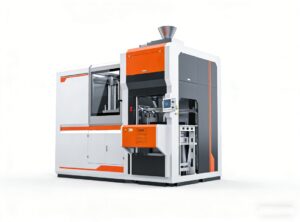
Parameter 5: Mold Parting and Clamping Force—Ensuring Horizontal Molding Precision
Mold parting and clamping force are key parameters that affect the alignment and stability of molds in horizontal molding, directly impacting the horizontal iron casting molding line’s performance.
- The horizontal iron casting molding line uses horizontal mold parting, where the mold is split into two halves for easy casting removal—precise parting alignment is essential to avoid casting misalignment and flash. The horizontal iron casting molding line’s clamping mechanism applies uniform force to hold the mold halves together during horizontal molding, preventing molten iron leakage and mold movement.
- Insufficient clamping force leads to mold separation and casting defects; excessive force damages the mold and increases wear on the horizontal iron casting molding line. The horizontal molding process relies on the horizontal iron casting molding line’s automated clamping system to adjust force based on mold size and complexity.
Proper control of mold parting and clamping force ensures horizontal molding produces high-precision iron castings and extends the service life of the horizontal iron casting molding line’s components.
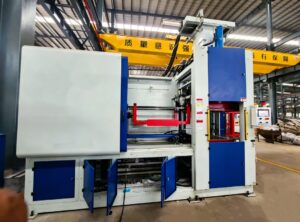
Parameter 6: Cooling Time—Guaranteeing Horizontal Molding Casting Quality
Cooling time is a critical parameter affecting the quality of iron castings produced by horizontal molding and the efficiency of the horizontal iron casting molding line.
- The horizontal iron casting molding line must control cooling time to ensure molten iron solidifies completely and uniformly, avoiding defects like shrinkage, cracks, and residual stress. Cooling time varies based on casting size, thickness, and material—thick-walled iron castings require longer cooling times to prevent internal defects, while thin-walled castings can cool faster to improve horizontal molding efficiency.
- The horizontal iron casting molding line integrates cooling systems to adjust cooling rate, ensuring consistent cooling across the entire casting. Rushing the cooling process leads to premature mold removal and casting deformation; overly long cooling times reduce the horizontal iron casting molding line’s productivity.
Proper cooling time control balances horizontal molding quality and efficiency, ensuring the horizontal iron casting molding line produces high-quality iron castings while maintaining optimal production throughput.
Conclusion
Control key parameters to ensure horizontal molding quality and stable horizontal iron casting molding line.
For horizontal molding and horizontal iron casting molding line solutions,
email:[email protected]