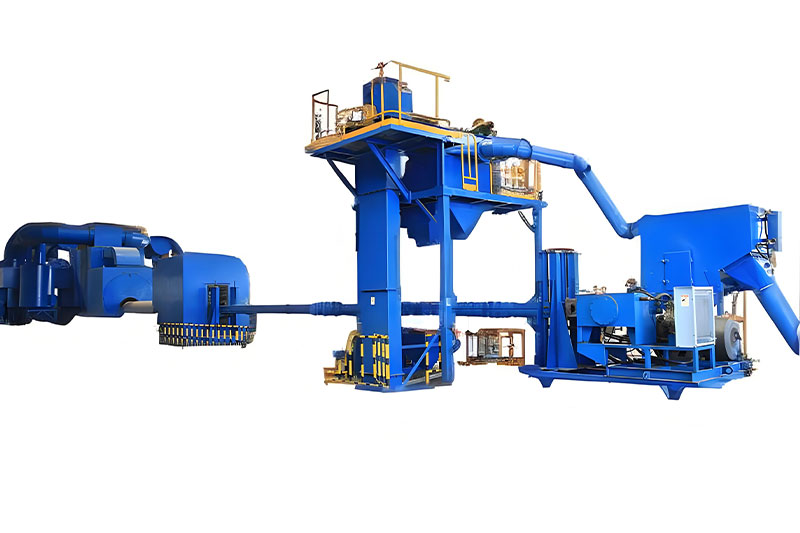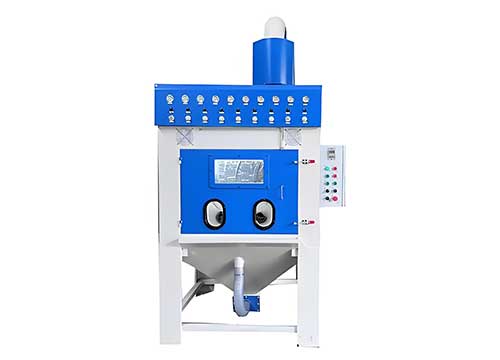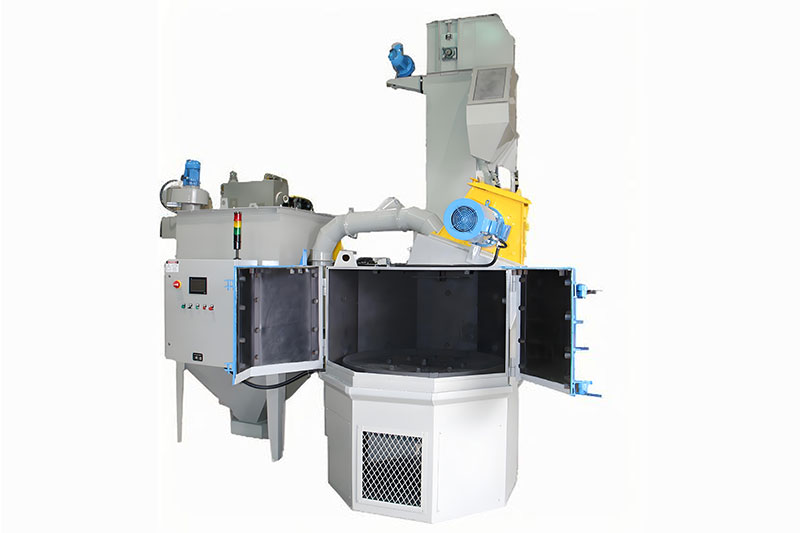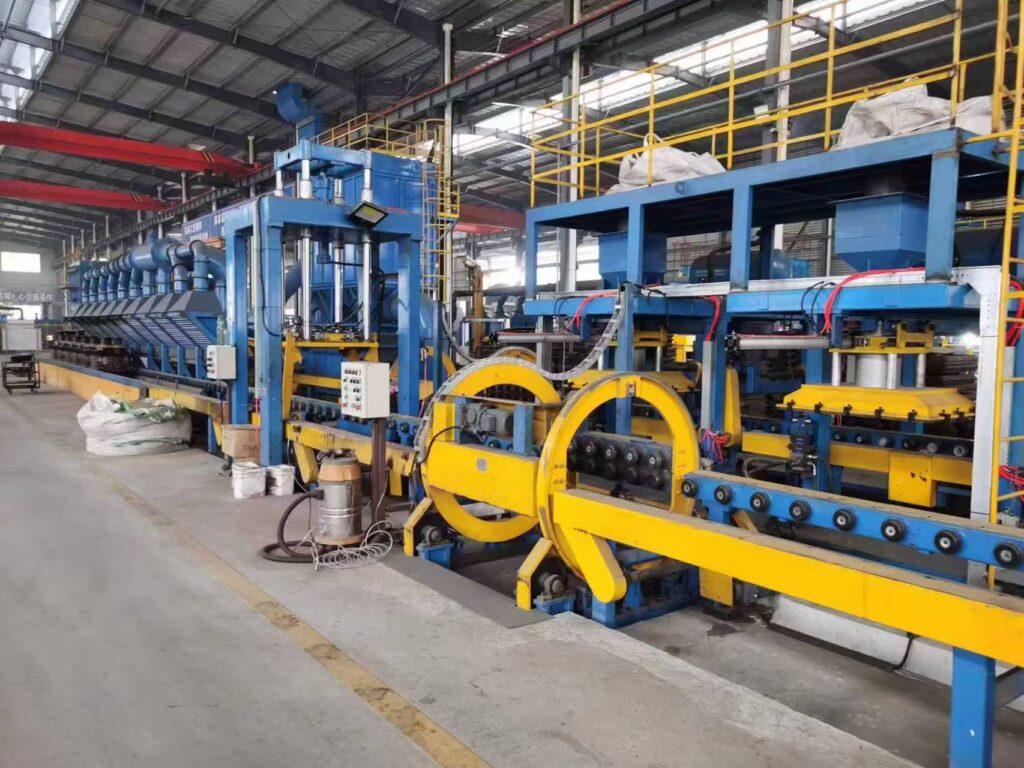
Traditional molding machine limits horizontal molding efficiency; Horizontal flaskless molding machine solves pain points with advanced principles.
This guide details the core working principles of Horizontal flaskless molding machine and its technical advantages for efficient, high-quality horizontal molding.
Explore the working principles and advantages of this advanced molding machine below.
Core Working Principles of Horizontal Flaskless Molding Machine: Overview
The Horizontal flaskless molding machine is a revolutionary molding machine designed to optimize horizontal molding, with core working principles centered on flask-free operation, automated sand handling, and precise mold formation.
- Unlike traditional molding machine that relies on flasks to contain molding sand, the Horizontal flaskless molding machine eliminates flasks entirely, streamlining the horizontal molding process and reducing manual intervention.
- The core principle of the Horizontal flaskless molding machine revolves around integrating sand feeding, compaction, mold clamping, and mold ejection into a continuous, automated cycle—all tailored to enhance horizontal molding efficiency and quality. This molding machine operates on the basis of horizontal mold parting, where the mold is formed horizontally and split into two halves for easy casting pouring and removal.
Every component of the Horizontal flaskless molding machine works in harmony to ensure consistent, high-precision horizontal molding, addressing the inefficiencies and defects common with traditional molding machine used in horizontal molding processes.
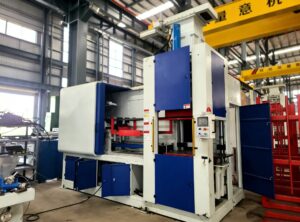
Key Working Principles: Sand Feeding and Compaction of Horizontal Flaskless Molding Machine
Sand feeding and compaction are two foundational working principles of the Horizontal flaskless molding machine, directly determining the quality of horizontal molding and distinguishing it from conventional molding machine.
- The Horizontal flaskless molding machine uses an automated sand feeding system to deliver uniformly mixed molding sand into the molding cavity—this system is calibrated to ensure consistent sand volume and distribution, a critical factor for stable horizontal molding.
- Unlike traditional molding machine that requires manual sand feeding (prone to unevenness), the Horizontal flaskless molding machine’s automated system eliminates human error, ensuring every mold has the same sand density. After sand feeding, the Horizontal flaskless molding machine applies precise, uniform pressure to compact the sand, a key step in horizontal molding.
- The molding machine uses either hydraulic or pneumatic pressure to compress the sand, with adjustable pressure settings to match different horizontal molding requirements (e.g., different casting sizes and materials). This compaction principle ensures the mold has sufficient strength to withstand molten metal pressure during horizontal molding, avoiding mold collapse and casting defects.
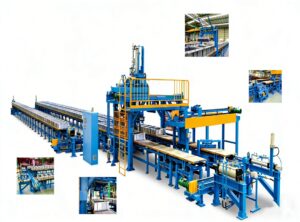
Key Working Principles: Mold Clamping and Ejection of Horizontal Flaskless Molding Machine
Mold clamping and ejection are essential working principles of the Horizontal flaskless molding machine, enabling efficient, continuous horizontal molding that outperforms traditional molding machine.
- After sand compaction, the Horizontal flaskless molding machine clamps the two mold halves tightly together using a precision clamping mechanism—this ensures no gaps between the mold halves, preventing molten metal leakage during horizontal molding.
- The clamping force of the molding machine is adjustable, tailored to the size and complexity of the casting, ensuring a secure seal without damaging the mold. Once the casting is solidified, the Horizontal flaskless molding machine executes the ejection principle: it separates the mold halves horizontally and ejects the finished casting automatically.
- This ejection process is gentle yet efficient, avoiding casting damage and reducing manual labor. Unlike traditional molding machine that requires manual mold splitting and casting removal, the Horizontal flaskless molding machine’s automated clamping and ejection principles streamline horizontal molding, reducing cycle times and improving productivity.
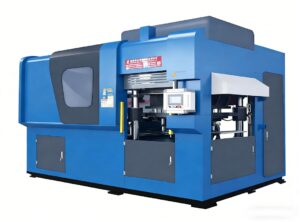
Technical Advantage 1: High Automation and Efficiency of Horizontal Flaskless Molding Machine
One of the most significant technical advantages of the Horizontal flaskless molding machine over traditional molding machine is its high automation, which drastically improves horizontal molding efficiency.
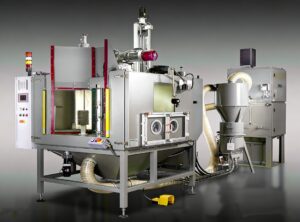
- The Horizontal flaskless molding machine integrates all horizontal molding steps—sand feeding, compaction, clamping, pouring assistance, and ejection—into a fully automated cycle, requiring minimal manual intervention. Operators only need to set parameters and monitor the molding machine, reducing labor costs and human error.
- This automation also shortens the horizontal molding cycle: a single Horizontal flaskless molding machine can complete 15-30 molds per hour, far exceeding the efficiency of a traditional molding machine (which typically completes 5-10 molds per hour).
- The molding machine’s continuous operation capability allows for 24/7 horizontal molding production, making it ideal for mass casting manufacturing. This efficiency advantage not only boosts production output but also reduces per-unit casting costs, a key benefit for manufacturers relying on horizontal molding.
Technical Advantage 2: Superior Precision and Consistency for Horizontal Molding
The Horizontal flaskless molding machine offers superior precision and consistency in horizontal molding, a critical technical advantage over conventional molding machine.
- The molding machine’s automated systems—from sand feeding to compaction—ensure every mold has uniform density, dimensional accuracy, and surface smoothness, directly translating to high-quality castings.
- Unlike traditional molding machine, which is prone to manual errors (e.g., uneven sand compaction, misaligned mold halves), the Horizontal flaskless molding machine uses advanced sensors and control systems to maintain precise parameters throughout horizontal molding. This consistency reduces casting defects (e.g., shrinkage, cracks, misalignment) and lowers rejection rates, a major pain point solved by this molding machine.
The Horizontal flaskless molding machine’s horizontal mold parting design also ensures better mold alignment, further enhancing casting precision. For manufacturers requiring consistent, high-quality horizontal molding, this technical advantage makes the Horizontal flaskless molding machine an indispensable tool.
Technical Advantage 3: Cost-Effectiveness and Space-Saving Design of Horizontal Flaskless Molding Machine
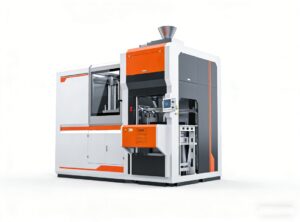
The Horizontal flaskless molding machine delivers significant cost-saving benefits and a space-saving design, outperforming traditional molding machine in horizontal molding applications.
- By eliminating flasks, the Horizontal flaskless molding machine reduces equipment costs (no need to purchase, maintain, or store flasks) and labor costs (no manual flask handling). The molding machine’s automated sand recovery system also reduces sand waste, cutting material costs for horizontal molding.
Additionally, the Horizontal flaskless molding machine has a compact design compared to traditional molding machine, occupying 30-50% less workshop space. This space-saving advantage is critical for manufacturers with limited workshop area, allowing them to optimize their horizontal molding production layout. The molding machine’s long service life and low maintenance requirements further reduce long-term operational costs. Overall, the Horizontal flaskless molding machine offers a cost-effective solution for horizontal molding, helping manufacturers improve profitability while maintaining high production standards.
Technical Advantage 4: Environmental Friendliness of Horizontal Flaskless Molding Machine for Horizontal Molding
In modern manufacturing, environmental friendliness is a key consideration, and the Horizontal flaskless molding machine excels in this area compared to traditional molding machine used in horizontal molding.
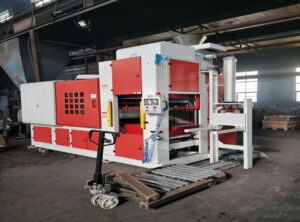
- The molding machine’s sealed design prevents sand dust leakage during horizontal molding, reducing air pollution and protecting operator health. The automated sand recovery system of the Horizontal flaskless molding machine collects and filters used molding sand, allowing it to be reused in horizontal molding—this reduces sand waste and minimizes environmental impact.
- Unlike traditional molding machine, which often generates excessive sand dust and waste, the Horizontal flaskless molding machine optimizes sand usage and reduces emissions.
Additionally, the molding machine’s energy-efficient design consumes less power than traditional molding machine, lowering carbon footprints. This environmental advantage aligns with global sustainability trends, making the Horizontal flaskless molding machine a responsible choice for manufacturers implementing horizontal molding processes.
Conclusion
Horizontal flaskless molding machine excels in horizontal molding with advanced principles and advantages.
For Horizontal flaskless molding machine solutions,
email:[email protected]