Poor sandblasting booth design causes inefficiency; mastering core points ensures stable Blast System operation.
This guide outlines core design points of a sandblasting booth, optimizing Blast System performance and ensuring safe, efficient operations.
Explore key design aspects to build a high-performance sandblasting booth below.
How to Design the Ventilation and Dust Removal System of a Sandblasting Booth?
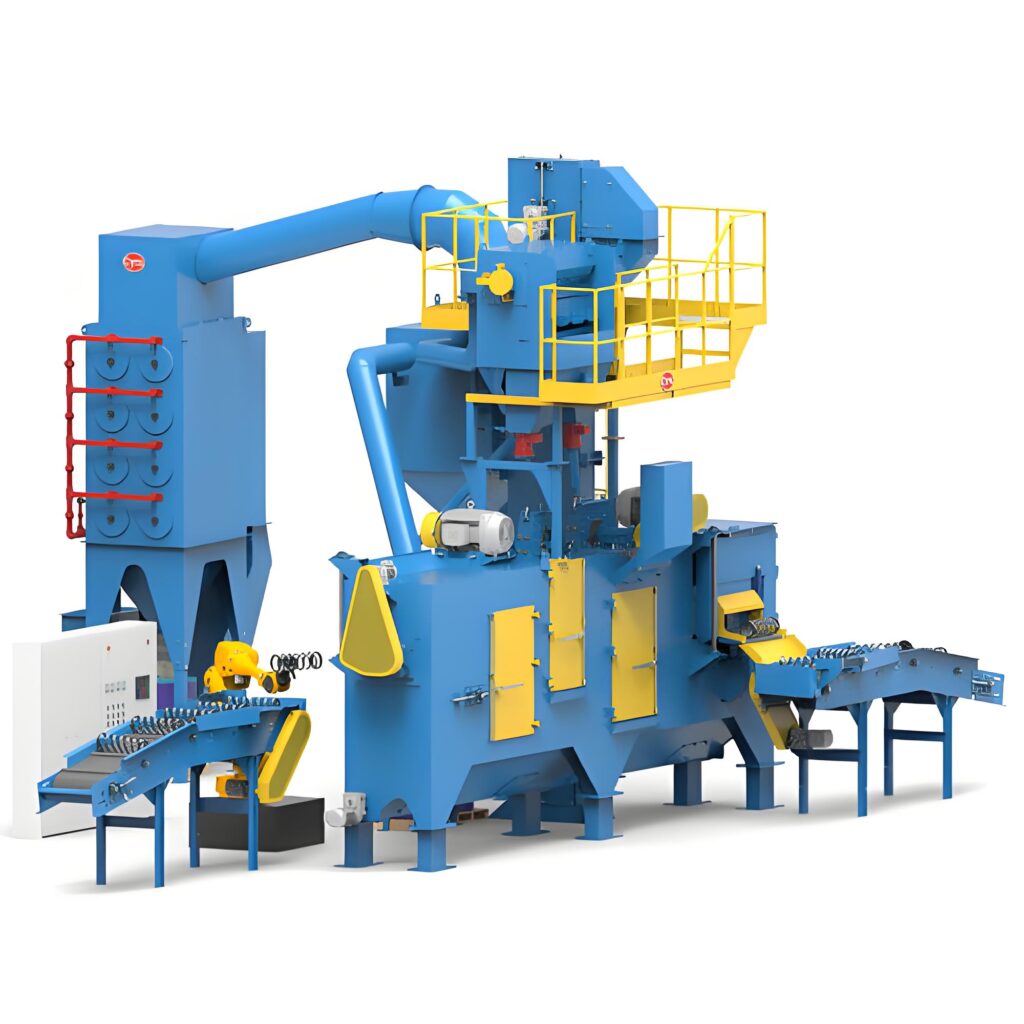
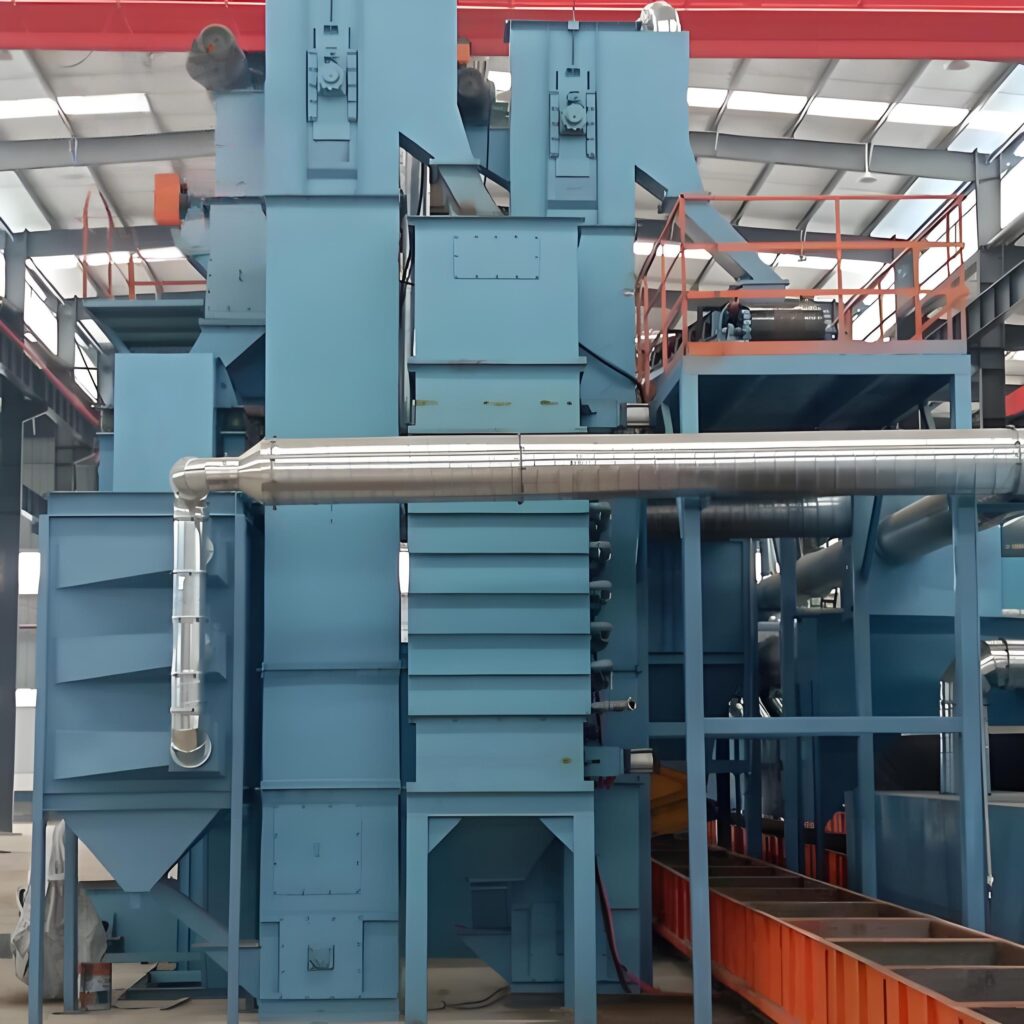
The ventilation and dust removal system is critical for a sandblasting booth, directly affecting environment and Blast System efficiency. Design a negative-pressure ventilation structure to draw dust and abrasive residues into the dust removal device, preventing leakage. Equip a two-stage dust removal system: cyclone separators capture large abrasive particles for recycling, while HEPA filters trap fine dust, achieving over 99% removal efficiency. Ensure air exchange rate meets 8-10 times per hour to maintain clean air. Arrange air inlets and outlets reasonably to avoid dead zones, ensuring uniform airflow. This design protects workers’ health and extends the service life of the Blast System.
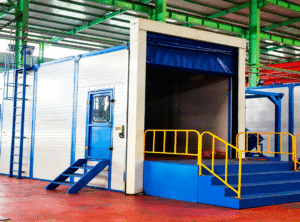
What Are the Key Points for Structural Design of a Sandblasting Booth?
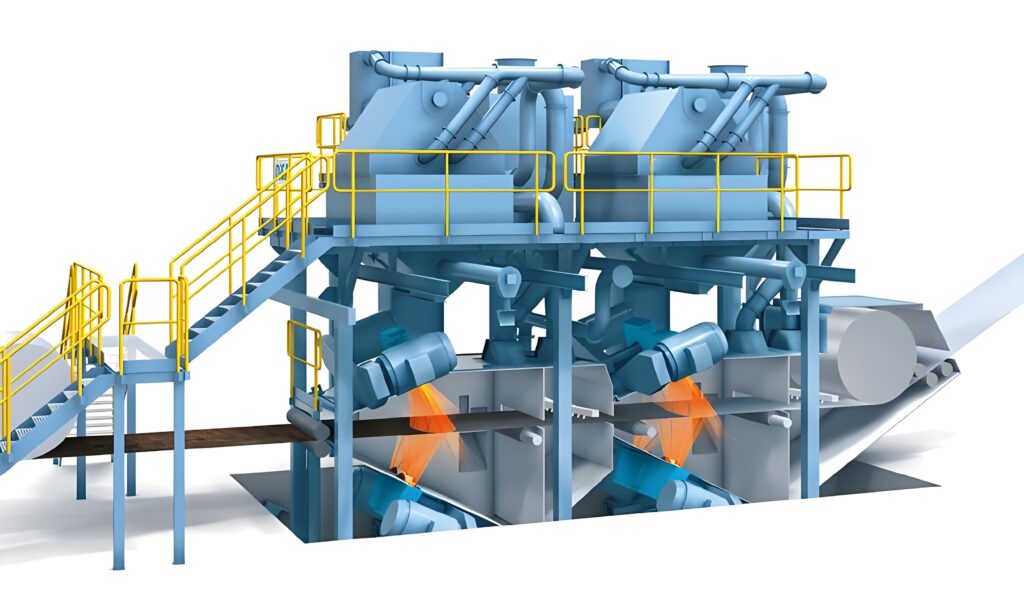
Structural design of a sandblasting booth must prioritize durability, sealing, and space utilization. Adopt steel frame structures with wear-resistant lining plates to resist abrasive impact during sandblasting. Ensure full sealing of the booth body—use rubber gaskets for door seams and pipeline connections to prevent dust leakage and Blast System pressure loss. Design the internal space based on workpiece size, leaving sufficient operating room and maintenance channels. The floor should have a slope of 3-5° to guide abrasive flow to the recovery area, facilitating Blast System circulation. Rational structural design ensures the sandblasting booth operates stably for long periods.
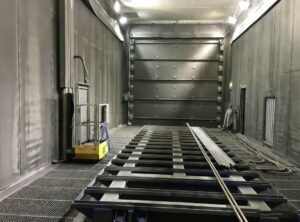
How to Match the Blast System with the Sandblasting Booth Design?
Matching the Blast System with sandblasting booth design is essential for optimal performance. Select Blast System parameters (air pressure, abrasive flow rate) based on the booth’s internal volume and workpiece requirements—avoid overloading to prevent system failure. Install the Blast System’s nozzle and abrasive delivery pipeline at appropriate positions to ensure uniform sandblasting coverage. Integrate the abrasive recovery system with the booth’s floor design to realize closed-loop circulation, reducing waste. Equip the Blast System with pressure regulators and flow meters for real-time adjustment. Proper matching maximizes the sandblasting booth’s efficiency and the Blast System’s service life.
Conclusion
Grasp core design points to build an efficient, safe sandblasting booth.