Sandblasting booth dust exceeds standard, endangering health and violating regulations; this guide helps排查 and solve it.
This guide details root cause investigation and solutions for sandblasting booth dust exceeding standard, optimizing Blast System to ensure compliance and safety.
Explore root causes and practical solutions to fix your sandblasting booth dust problem.
What Are the Root Causes of Sandblasting Booth Dust Exceeding Standard?
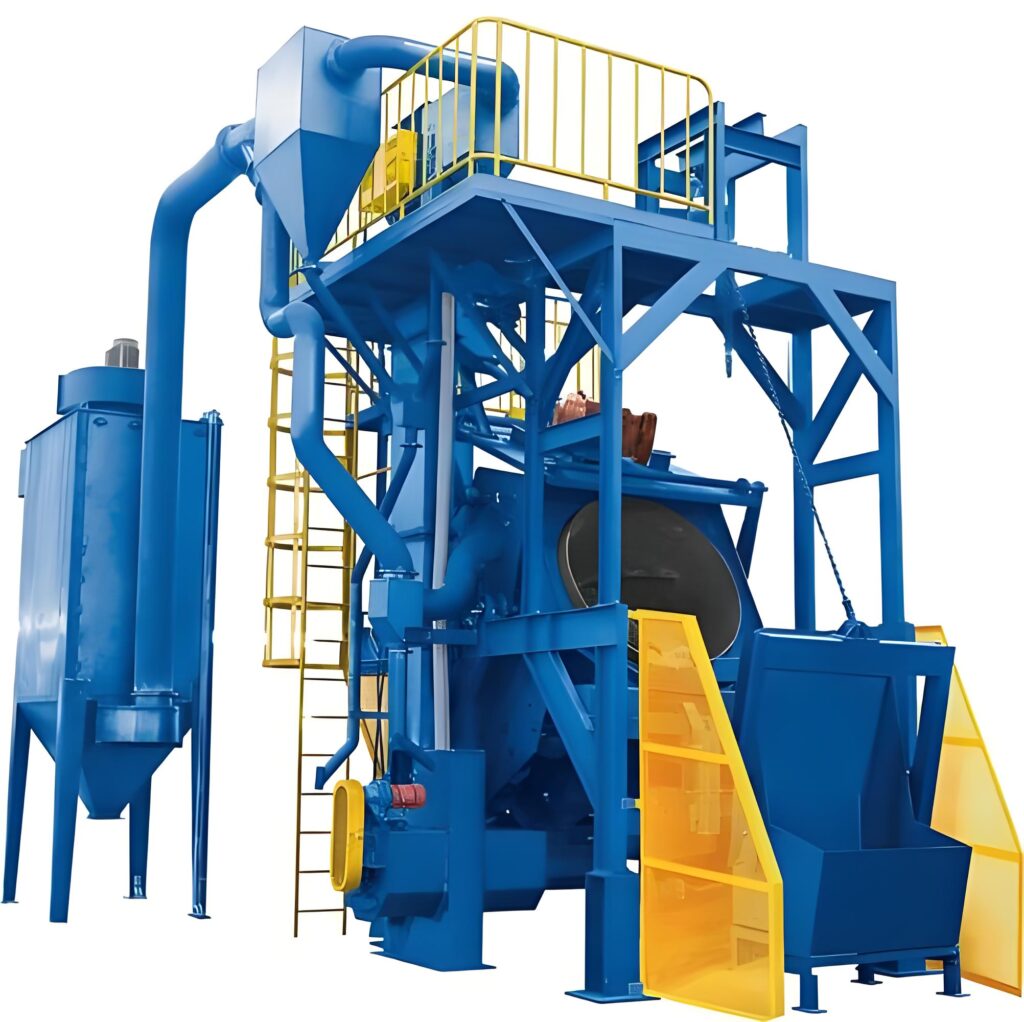
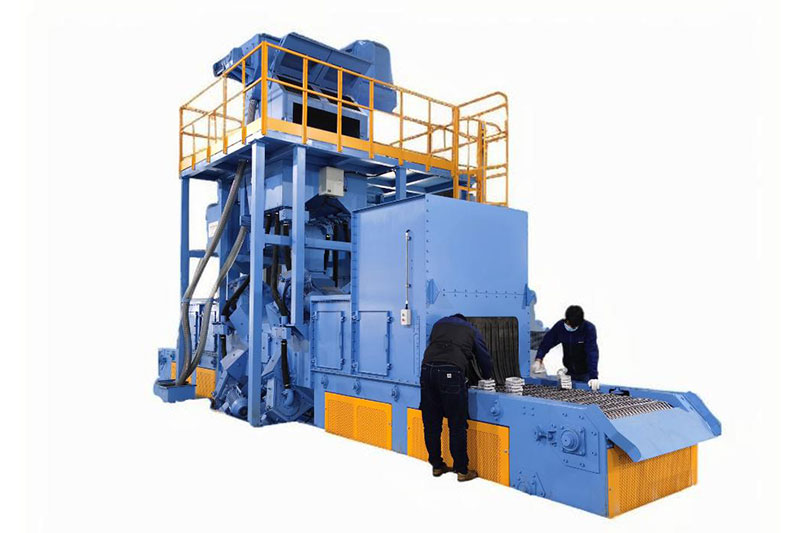
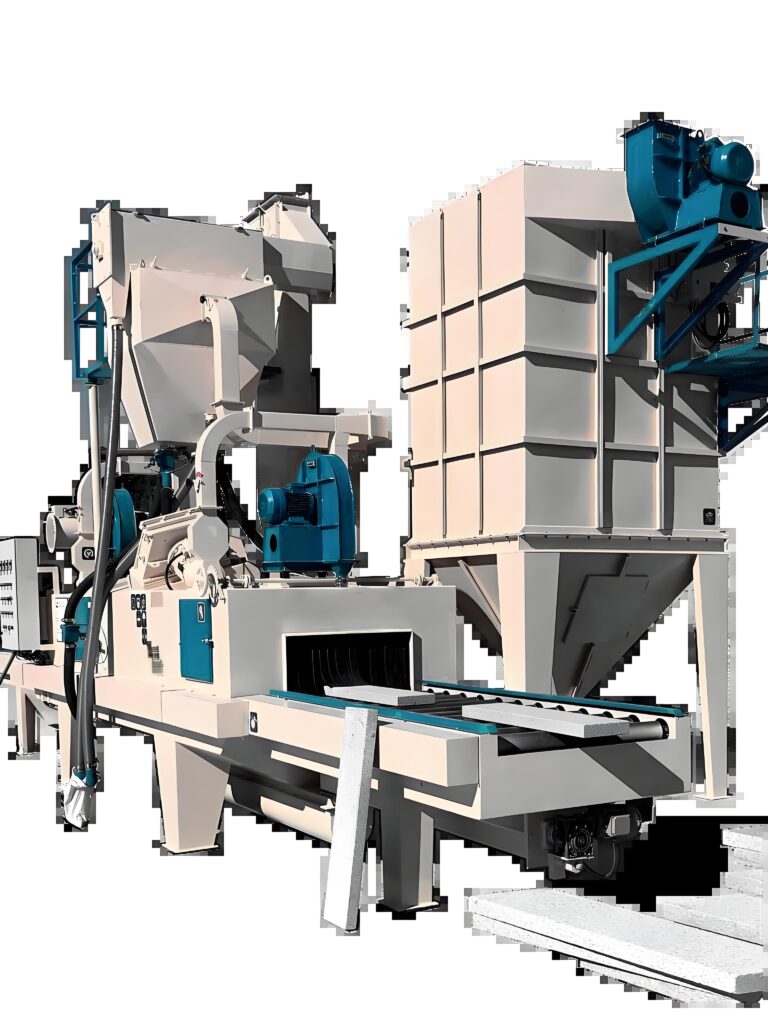
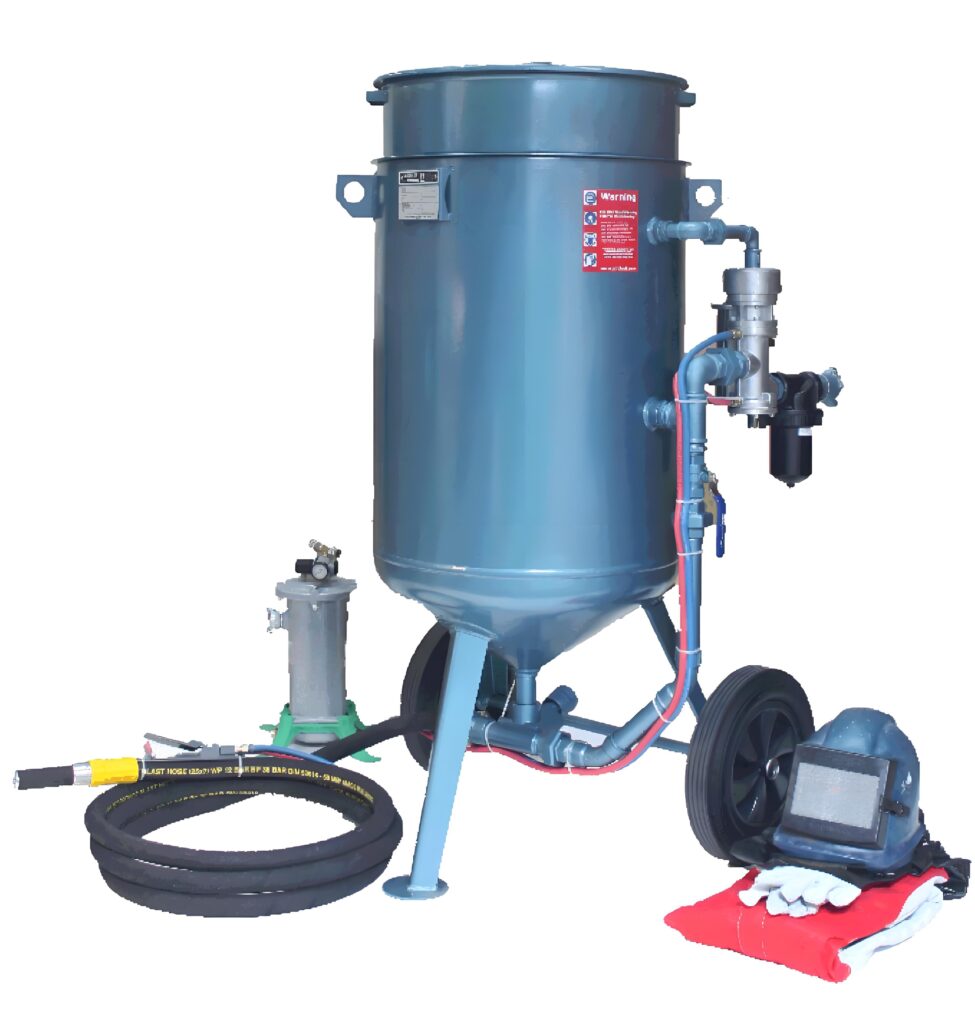
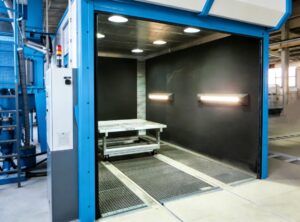
Sandblasting booth dust exceeding standard is mainly caused by four core factors, all closely related to the Blast System and the sandblasting booth itself.
- The Blast System’s dust removal component fails: the dust collector in the Blast System is clogged, has insufficient suction, or the filter is damaged, making it unable to effectively capture dust generated during sandblasting.
- Poor sealing of the sandblasting booth: gaps in doors, windows, or joints of the sandblasting booth allow dust to escape, leading to excessive dust outside the booth.
- Improper Blast System parameter settings: excessive blast pressure or uneven abrasive flow causes more dust to be generated and scattered in the sandblasting booth.
- Lack of regular maintenance: the Blast System’s pipelines, nozzles, and dust collector are not cleaned or maintained regularly, leading to blockages and reduced dust removal efficiency.
These factors work together to cause sandblasting booth dust to exceed standard, endangering operator health and failing to meet environmental regulations. Identifying these root causes is the first step to solving the problem.
How to Solve Sandblasting Booth Dust Exceeding Standard Through Blast System Optimization?
Solving sandblasting booth dust exceeding standard requires targeted measures, focusing on optimizing the Blast System and improving the sandblasting booth’s sealing and maintenance.
- Overhaul the Blast System’s dust removal component: clean the dust collector, replace damaged filters, and adjust the suction power to ensure it can effectively capture dust in the sandblasting booth. Regularly clean the Blast System’s pipelines to avoid blockages that reduce dust removal efficiency.
- Enhance the sandblasting booth’s sealing: seal gaps in doors, windows, and joints with high-temperature resistant sealant, install rubber curtains at the entrance and exit to prevent dust escape, and ensure the sandblasting booth is fully enclosed.
- Optimize Blast System parameters: adjust the blast pressure to a reasonable range (0.4-0.6MPa) to reduce unnecessary dust generation, and ensure uniform abrasive flow through the Blast System to avoid dust scattering.
- Establish regular maintenance habits: daily clean the sandblasting booth’s interior and the Blast System’s components, weekly inspect the dust collector and filter, and monthly overhaul the entire Blast System.
These measures effectively solve sandblasting booth dust exceeding standard, ensuring compliance and a safe working environment.
Conclusion
Optimize Blast System and seal sandblasting booth to solve dust exceeding standard.
For professional advice on sandblasting booth dust control and Blast System optimization,
contact us via email:[email protected]