Poor sandblasting booth dust collection design causes hazards; this guide helps avoid pitfalls and ensure safety.
This guide shares key pitfalls in sandblasting booth dust collection design, offering practical solutions to optimize blast booth dust removal and ensure compliance.
Learn common design pitfalls to build a safe, efficient sandblasting booth dust system.
What Are the Most Common Design Pitfalls of Sandblasting Booth Dust Collection Systems?
The dust collection system is a core component of any sandblasting booth, and improper design leads to a series of problems that affect safety, efficiency, and compliance.
- The first common pitfall is mismatched dust collection capacity: choosing a system with insufficient suction power for the sandblasting booth size results in dust accumulation inside the blast booth, endangering operator health and violating environmental regulations. A sandblasting booth that processes large workpieces or uses fine abrasives requires a higher-capacity dust collector, but many designers overlook this, leading to ineffective dust removal.
- Improper filter selection: using low-quality or mismatched filters in the sandblasting booth dust system causes frequent clogging, reducing dust removal efficiency and increasing maintenance costs.
- Poor airflow design in the blast booth: uneven airflow leads to dead zones where dust accumulates, making the sandblasting booth unsafe and affecting workpiece quality.
- Neglecting the sealing of the sandblasting booth: gaps in doors, windows, or joints allow dust to escape the blast booth, polluting the workshop and failing to meet emission standards.
These pitfalls not only increase operating costs but also pose serious safety risks, making it critical to identify and avoid them during sandblasting booth dust collection design.
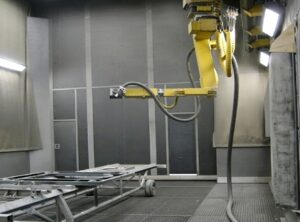
How to Avoid Sandblasting Booth Dust Collection Design Pitfalls and Ensure Efficiency?
Avoiding sandblasting booth dust collection design pitfalls requires targeted measures, focusing on matching capacity, selecting proper components, and optimizing airflow.
- Match the dust collector capacity to the sandblasting booth size and workload: calculate the blast booth’s dust generation volume based on abrasive type, shot flow, and workpiece size, then select a dust collector with 10-20% extra capacity to ensure sufficient suction.
- Choose high-quality, suitable filters for the sandblasting booth: use HEPA filters for fine dust to ensure efficient filtration, and select filters with good wear resistance to reduce replacement frequency.
- Optimize airflow design in the blast booth: arrange air inlets and outlets reasonably to ensure uniform airflow, eliminating dead zones and ensuring dust is quickly captured by the collection system.
- Strengthen the sealing of the sandblasting booth: use high-temperature resistant sealant for gaps, install rubber curtains at the blast booth entrance, and ensure all joints are tightly sealed to prevent dust escape.
Additionally, design an easy-to-maintain dust collection system for the sandblasting booth, with accessible filters and a convenient ash discharge mechanism, reducing maintenance time and costs. By following these steps, you can avoid common pitfalls and build a safe, efficient dust collection system for your sandblasting booth and blast booth.
Conclusion
Avoid design pitfalls to ensure sandblasting booth and blast booth dust collection efficiency.
For professional sandblasting booth dust system design advice,
contact us via email:[email protected]